
What Does Butterfly Chicken Breast Mean? Quick Guide
Butterfly chicken breast means you slice a boneless chicken breast horizontally and open it like a book so it becomes thinner and wider.
This simple cutting method helps chicken cook faster and more evenly.
It is one of the easiest ways to improve the texture, cooking time, and shape of a chicken breast without changing the flavor.
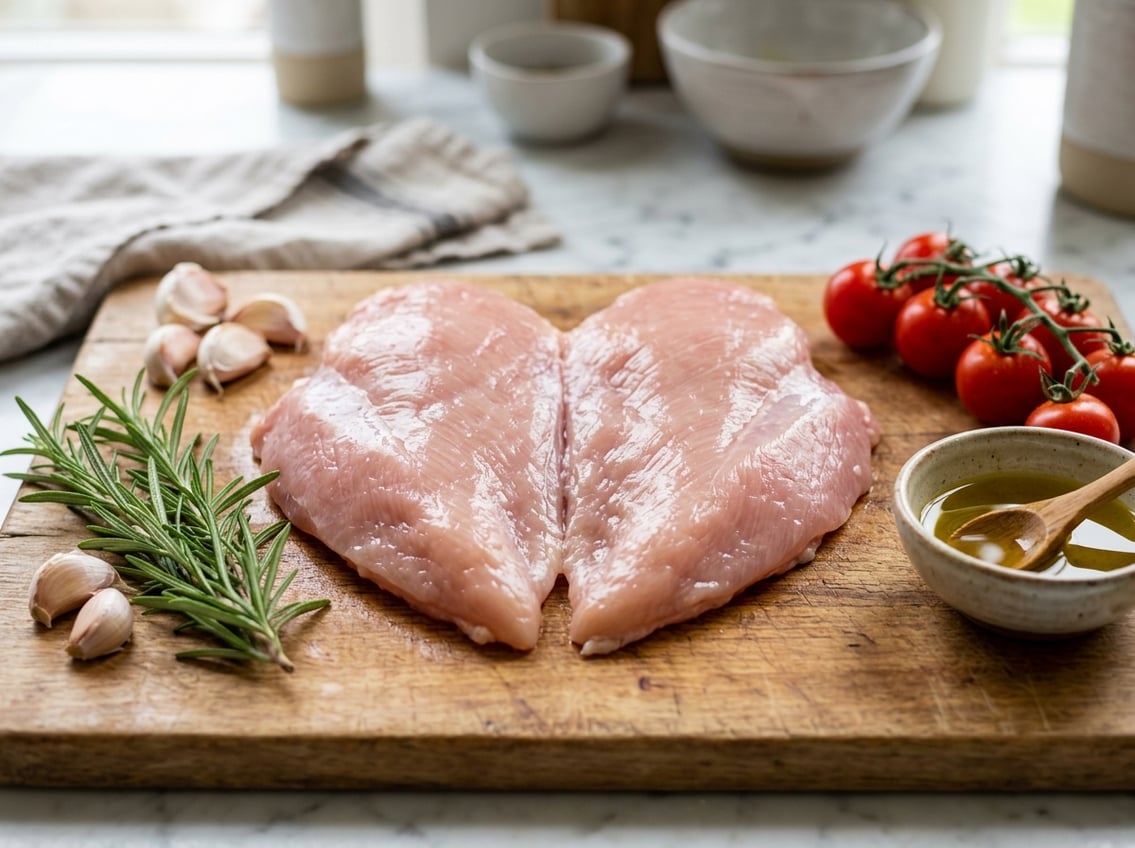
You can use this technique when you want more even thickness for pan-searing, grilling, stuffing, or breading.
Many people also use it as a first step before pounding the meat flat or turning it into cutlets.
What Butterflying Means in Cooking
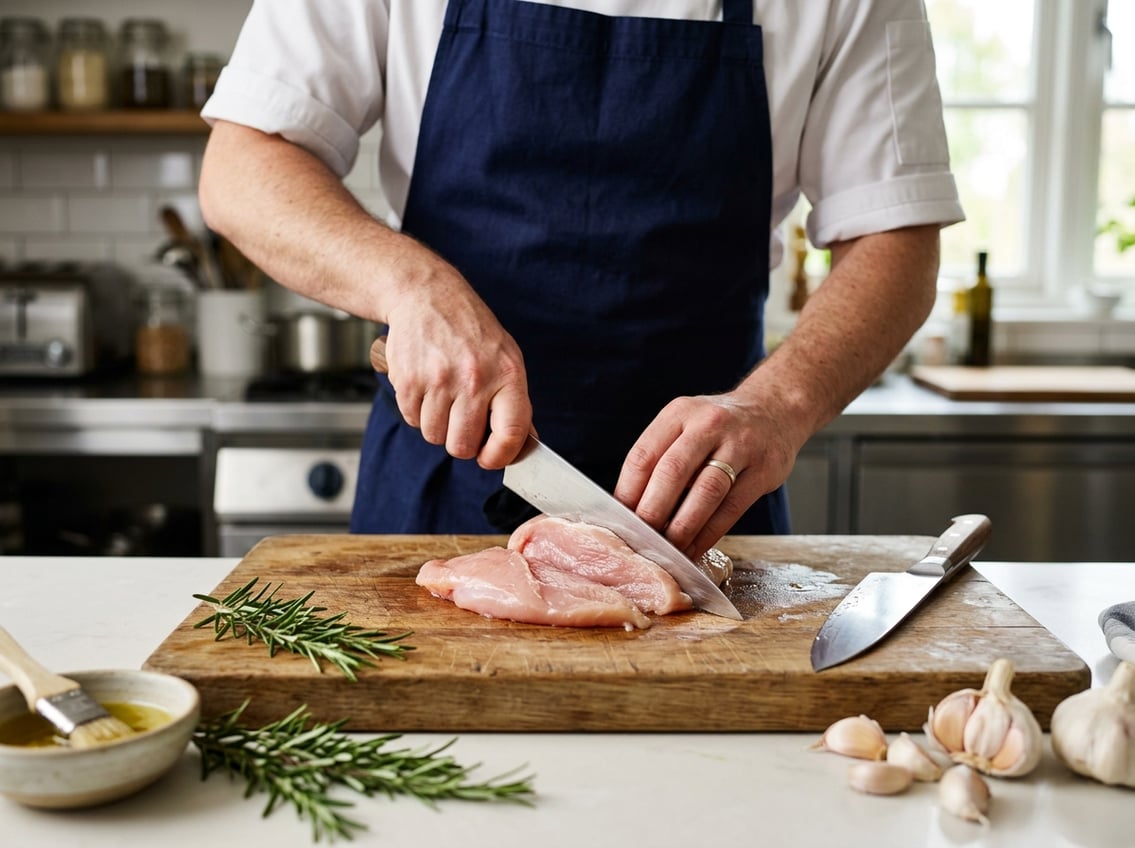
Butterflying is a basic prep method that turns a thick piece of meat into a thinner, wider shape.
With chicken, you start with a boneless, skinless breast, then slice it almost all the way through and open it up.
The result is a butterflied chicken breast, sometimes called a butterfly chicken breast.
According to Mashed, this method is not the same as spatchcocking, which uses a whole bird and removes the backbone.
How the Book-Open Cut Works
You begin the cut at the thickest part of the breast.
Make a horizontal slice, stop before cutting through the far edge, and open the meat like a book.
The two sides stay attached at one edge, so the piece unfolds into a thinner, more even layer.
Butterflied Breast vs. Chicken Cutlets
A butterflied chicken breast is one piece that opens out from the center.
Chicken cutlets are usually made by slicing the breast into two separate thin pieces or by cutting one piece into thinner portions.
Both cook quickly, but they are not always the same shape.
If you want a single wide piece for stuffing or rolling, butterflying works better than making cutlets.
How It Differs From Spatchcocking
Spatchcocking is for a whole chicken, not just a breast.
You remove the backbone and flatten the bird so it cooks more evenly.
Butterflying chicken breasts is a smaller and more focused technique.
It uses the same idea of flattening for even cooking, but it applies to boneless breast meat only.
Why This Cut Is Useful
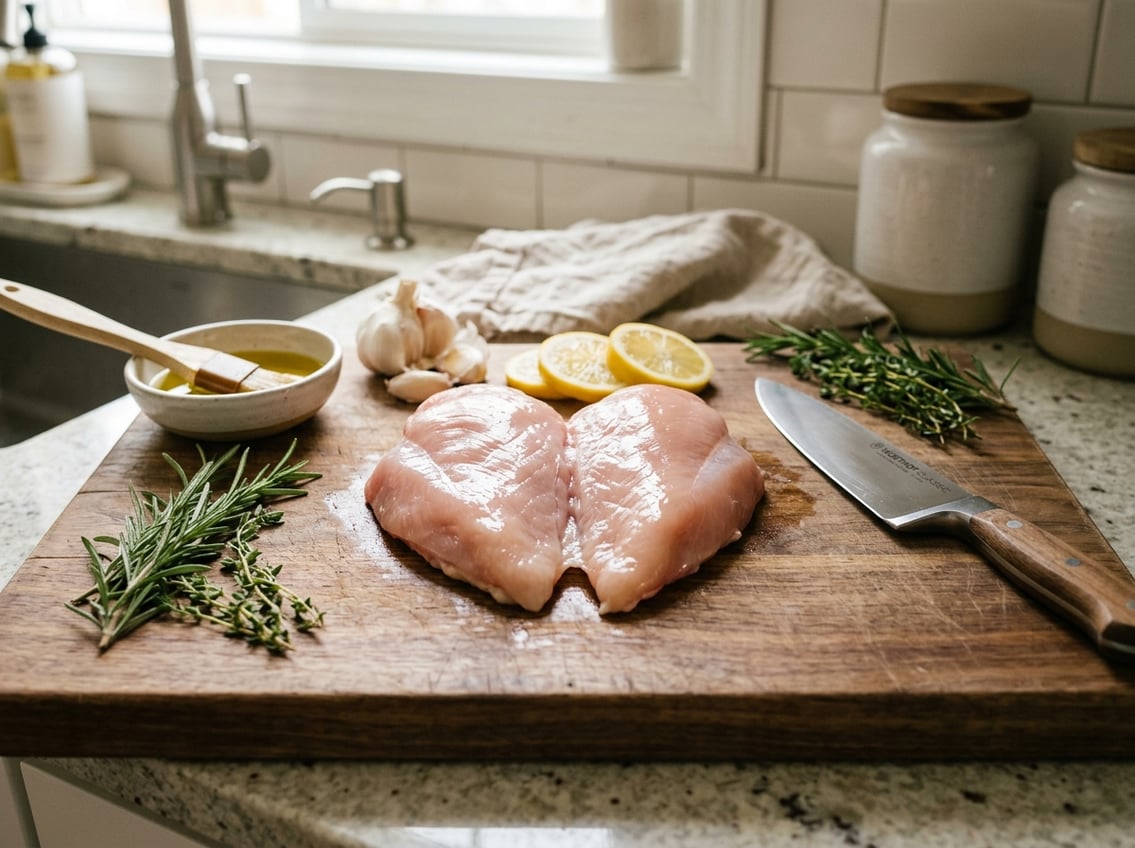
Butterflying a chicken breast gives you more control over cooking.
It helps with thickness, timing, seasoning, and recipes that need a flat piece of meat.
The method is useful any time a thick breast would cook unevenly.
It also works well when you want a larger surface area for sauce, breading, or fillings.
More Even Thickness for Better Cooking
Chicken breasts are often thicker in the center and thinner at the edges.
That shape can leave the edges dry before the middle finishes cooking.
Butterflying chicken breast makes the piece more even, so the whole breast cooks at a similar rate.
This makes it easier to get a juicy result without guessing at the timing.
Faster Cooking and Better Marinade Coverage
A thinner piece cooks faster than an intact breast.
That is useful for weeknight meals, quick grilling, and pan-searing.
The larger exposed surface helps seasoning and marinades cover more of the meat.
As noted by A Couple Cooks, this technique helps create evenly cooked, tender chicken with better texture.
When to Use It for Stuffing or Rolling
If you plan to make a chicken roulade, butterflying gives you a flat base that is easier to fill and roll.
It also works for stuffed chicken breasts when you want the filling to stay more centered.
Use a light hand with stuffing, since too much filling can cause the meat to split during cooking.
A flat, even breast gives you a cleaner shape and better results.
How to Prepare It Safely and Correctly
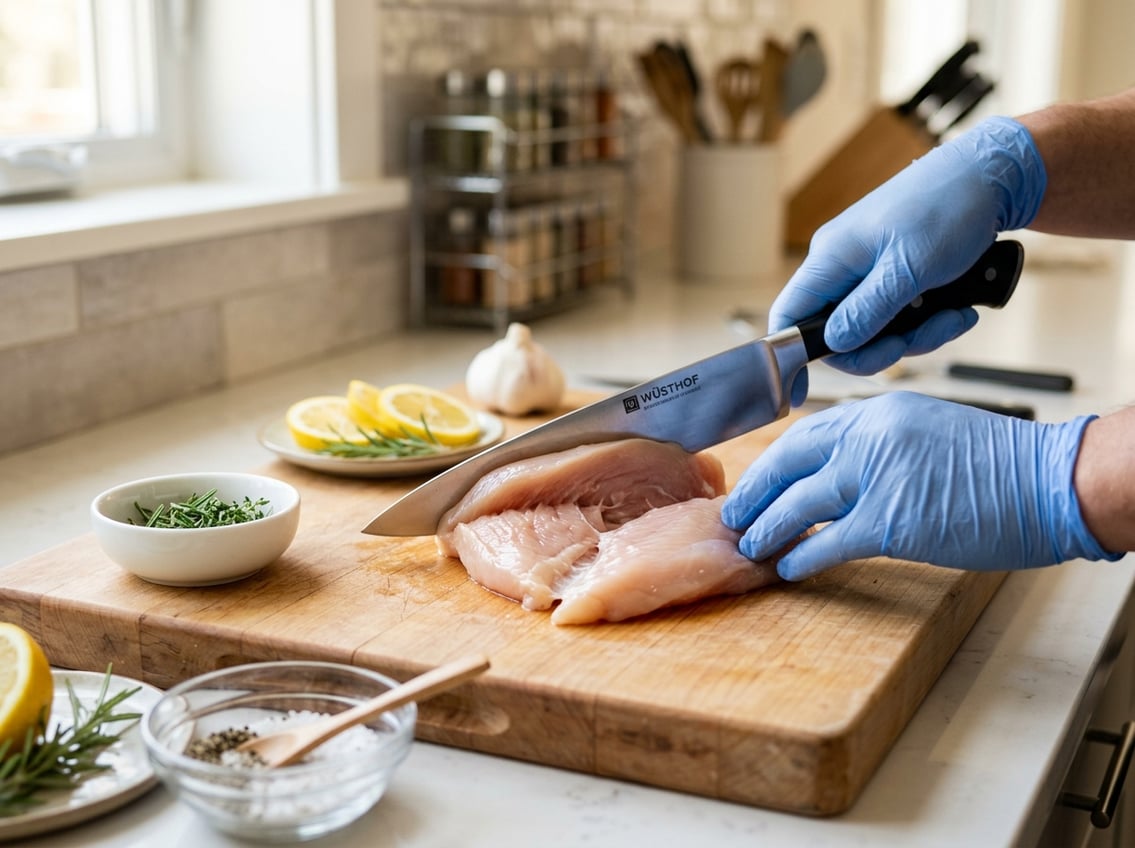
You do not need special gear, but you do need a sharp knife and steady cutting.
Clean handling matters because you are working with raw poultry.
Keep your board stable and your knife under control.
A careful slice is safer than a forceful one.
Best Tools for the Job
A boning knife is one of the best tools because its narrow blade gives you more control.
A sharp chef’s knife can also work well if it is comfortable in your hand.
A meat mallet is useful after slicing if you want an even thinner piece.
You may also want plastic wrap or parchment if you plan to pound the meat flat.
Step-by-Step Slicing Method
- Place the chicken breast on a clean cutting board.
- Trim off any loose skin, fat, or tendon pieces.
- Put one hand flat on top to steady the meat.
- Slice horizontally through the thickest side, keeping the blade parallel to the board.
- Stop just before you cut all the way through.
- Open the breast like a book and lay it flat.
For a visual reference, All Things Mamma describes using a long, smooth horizontal cut and stopping short of the edge.
When to Pound the Meat Flat
Pounding is useful when the breast is still uneven after butterflying.
Place the meat between sheets of plastic wrap or parchment and tap gently from the center outward.
Do not hit too hard.
Heavy pounding can tear the meat and make some spots too thin, which raises the risk of dry chicken.
Best Uses and Common Mistakes
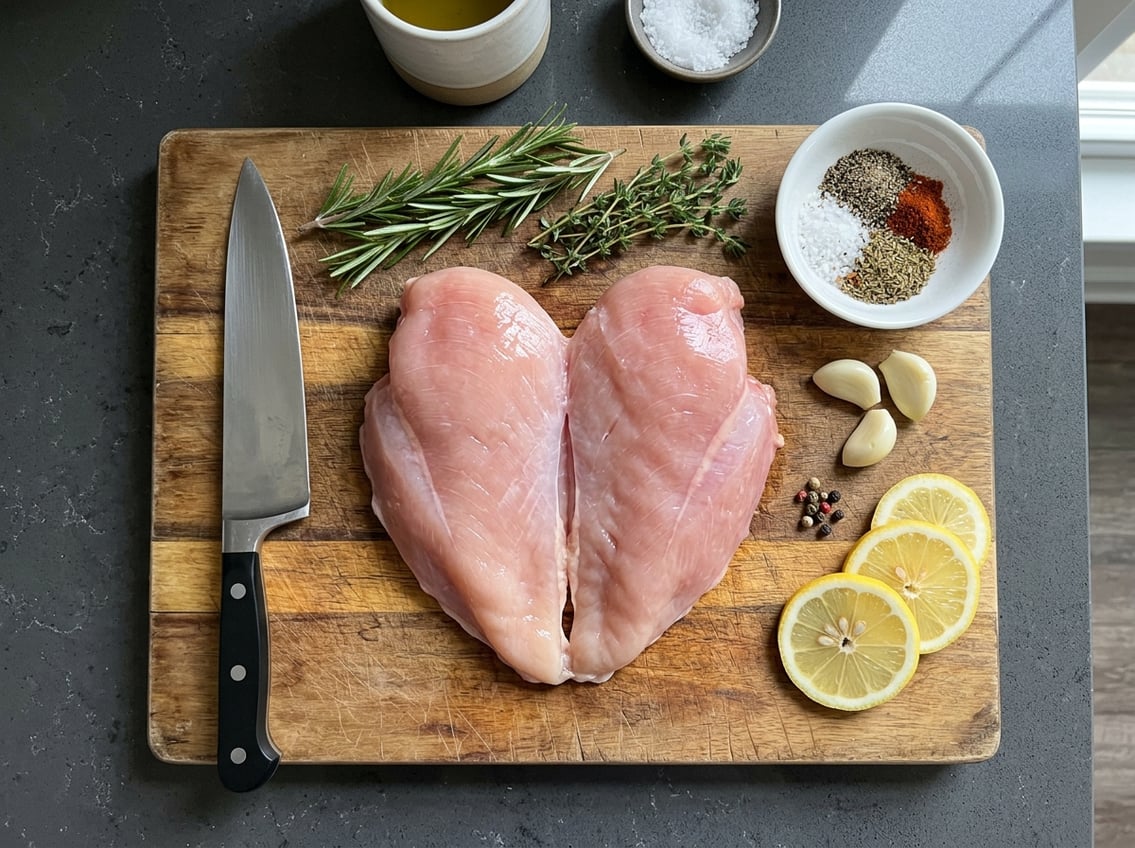
Butterflied chicken works best in fast-cooking dishes where even thickness matters.
It also helps when you want a neat shape for breading, stuffing, or slicing after cooking.
The biggest mistakes happen when you cut too fast or cook too long.
Thin chicken needs close attention.
Recipes That Benefit Most From the Technique
Use butterflied chicken breast for:
- Pan-seared chicken breast
- Grilled chicken
- Breaded chicken cutlets
- Stuffed chicken breast
- Chicken roulade
- Air-fried chicken
A butterflied piece is a good choice when you want to season it heavily or serve it in a sandwich, salad, or pasta dish.
Mistakes That Tear or Overthin the Meat
A dull knife shreds the meat instead of slicing it cleanly.
That leaves uneven edges and makes the breast cook less evenly.
Cutting too deep can also split the breast into two separate pieces when you wanted one connected piece.
If you are pounding after slicing, avoid making the center paper-thin.
How to Avoid Overcooking Thin Chicken
Thin chicken cooks fast. Watch the heat and time closely.
Use a hot pan or grill, but do not leave the meat on the heat longer than needed.
Check for visual cues and use a thermometer if possible. When the chicken reaches a safe internal temperature and the juices run clear, remove it from the heat and let it rest briefly before serving.


