
What Does Yellow Chicken Breast Mean? Safety and Causes
What yellow chicken breast means usually comes down to natural color variation or spoilage. A yellow tint can be normal in some birds when diet and fat pigments affect the meat.
Yellow patches that appear with a bad smell, slime, or an off texture mean you should throw it out.
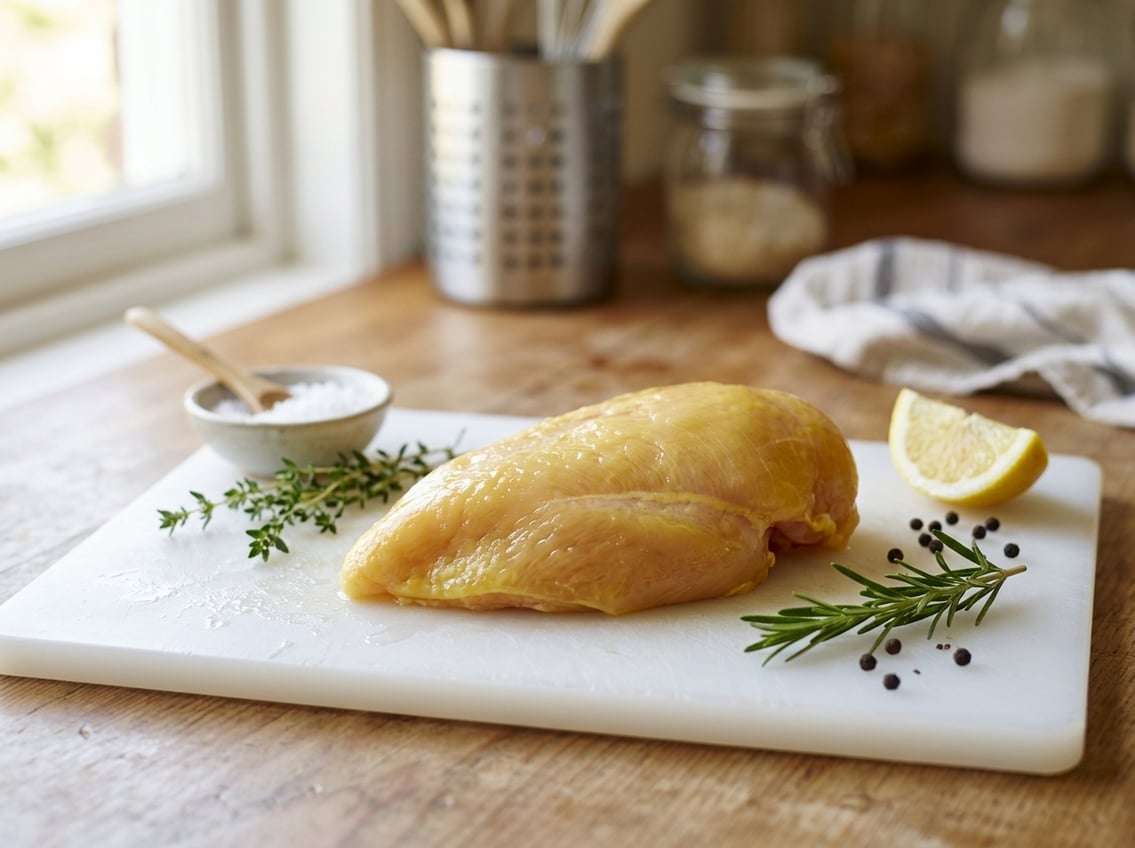
If your chicken breast is yellow, first check if the color was always there and if the meat still smells, feels, and looks fresh.
For many shoppers, yellow chicken raises a simple safety question. Is yellow chicken safe to eat? The answer depends on the cause.
A pale yellow tint can be normal in some cases. A sudden change to yellow, especially with other warning signs, can mean the chicken is no longer safe to eat.
When Yellow Color Is Normal
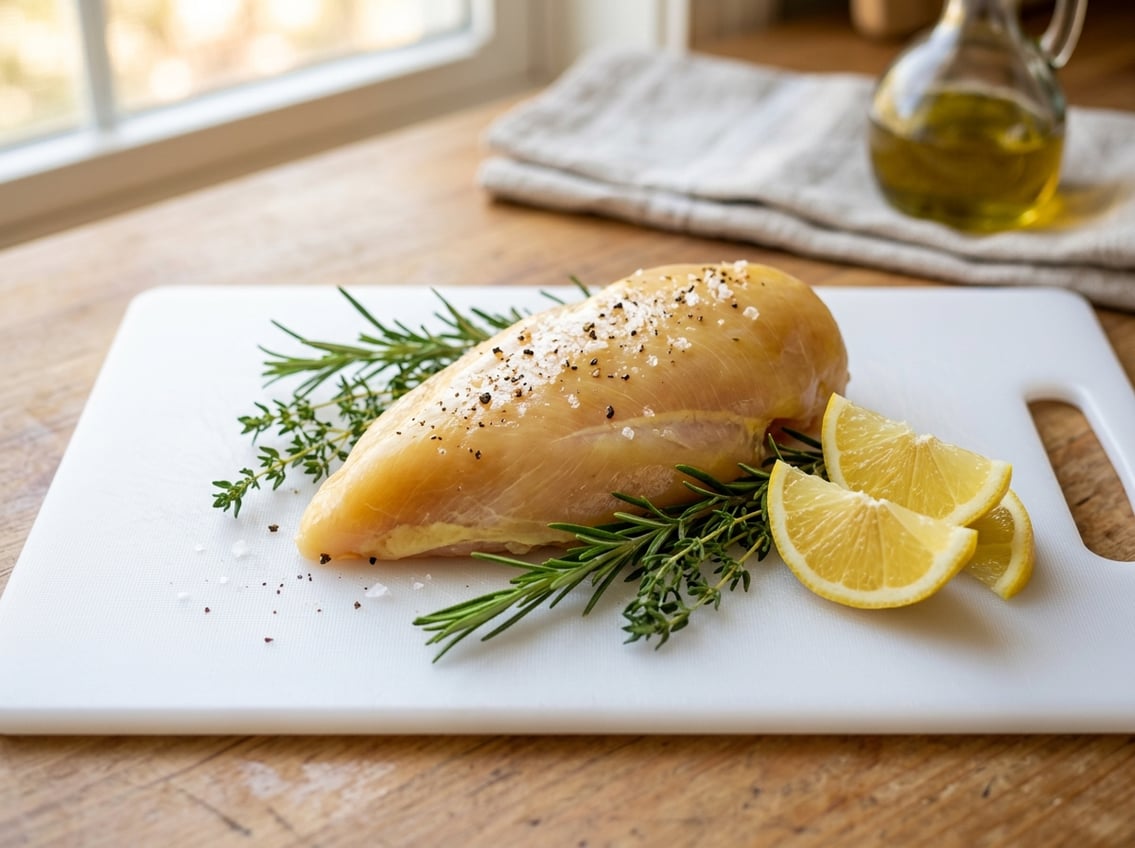
A yellow tint does not always mean spoilage. In some birds, diet, breed, age, and natural fat color can change the look of the meat without making it unsafe.
Yellow Fat and Skin From Diet
Chicken that eats feed rich in pigments may show more yellow in the skin, fat, and nearby meat. Carotenoids and xanthophylls, natural plant pigments, can influence color when the bird eats corn, alfalfa, or marigolds.
Yellow fat often appears in some market birds and heritage birds. The meat can still be safe if you kept the package cold and the chicken smells and feels normal.
How Carotenoids and Xanthophylls Affect Color
Carotenoids are pigments found in plants, and xanthophylls are one type of carotenoid. These pigments can build up in the bird’s tissues and create a yellowish tone in the skin or fat.
This may make the chicken breast color look less pink than expected. According to Chicken Breast Yellow? Color, Fat And Quality, USDA guidance allows raw poultry to range from bluish white to pink or yellow and still be safe to cook when it is otherwise fresh.
Breed, Age, and Natural Color Variation
Breed and age also matter. Older birds and certain breeds can have different fat and meat colors than standard supermarket chicken.
A yellow tone can also show up as a natural variation across the bird, not just in one spot. If the chicken was sold that way and the rest of the signs are normal, yellow chicken is usually safe.
When Yellow Color Is a Warning Sign
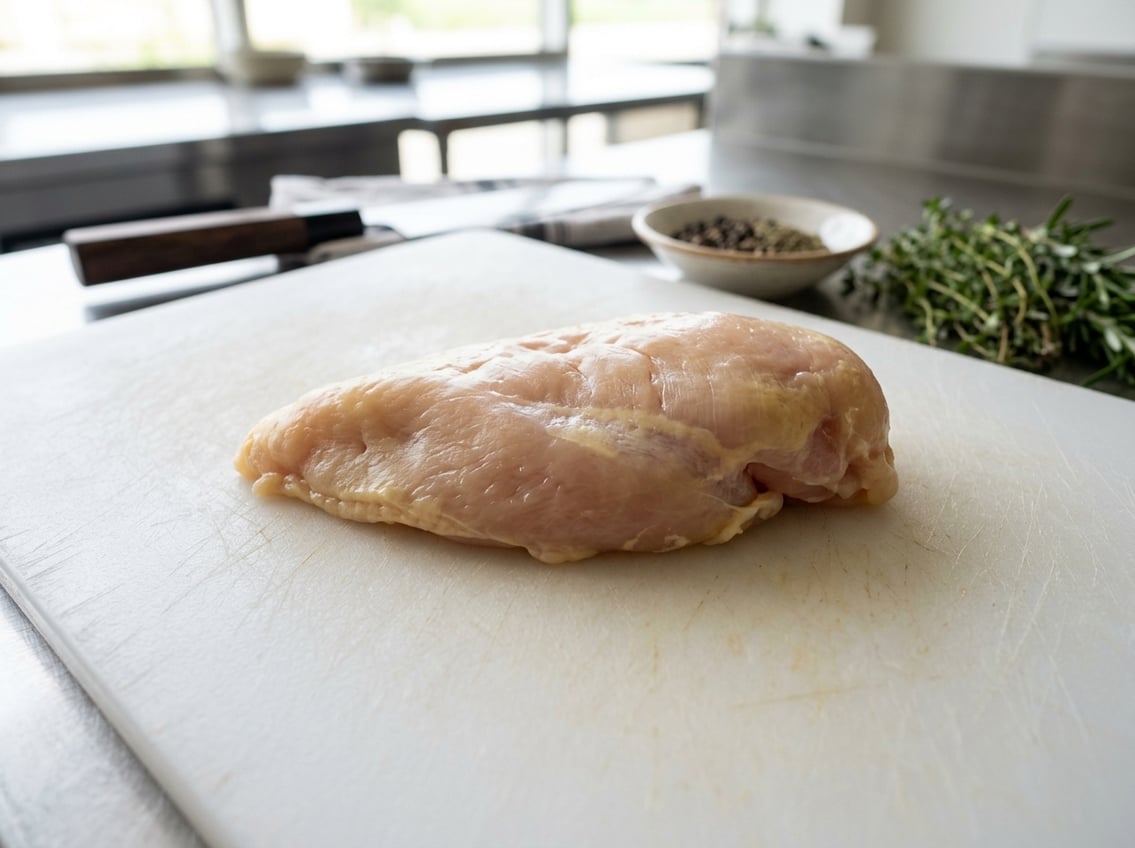
Yellow color becomes a warning when it appears with spoilage signs or changes over time. Fresh chicken should not make you question its safety.
Patchy Discoloration in the Meat
Patchy yellow spots, yellow streaks, or a yellow tint that shows up after the chicken has been stored for a while are more concerning than a uniform pale color. If the yellow breast meat also looks gray, green, or dull, discard it.
CookThink notes that yellow patches on the fatty parts of chicken often point to spoilage rather than normal color.
Bad Smell, Sticky Film, and Slimy Chicken
Smell is one of the clearest checks you can use. If the chicken has a sour, rotten, or otherwise unpleasant odor, it is not safe to eat.
Texture matters too. A sticky film or a slimy chicken surface is a strong warning sign, especially when the chicken feels tacky instead of moist and smooth.
Other Red Flags Beyond Color Alone
Color is only one clue. You should also look for swollen packaging, leaked liquid, mold, or chicken that has been left out too long.
If the chicken was fine when you bought it and later turned yellow, treat that change seriously. When color change happens with smell, slime, or any other spoilage sign, it is best to throw the chicken out.
How to Check, Store, and Handle Chicken Safely
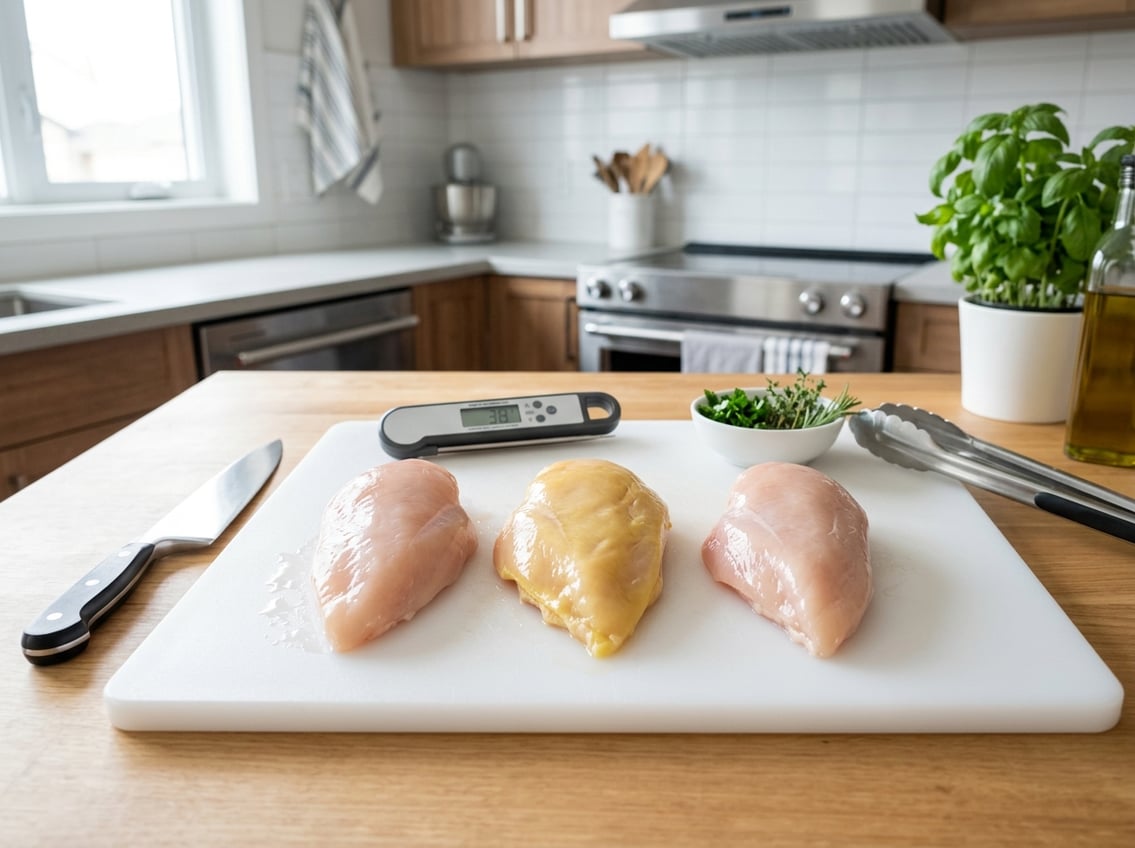
Safe handling helps you judge chicken correctly and avoid foodborne illness. Check the look, smell, and feel of the meat, then keep it cold and cook it fully.
What Fresh Chicken Should Look and Feel Like
Fresh raw chicken usually looks light pink, pale white, or slightly yellow depending on the bird. The surface should feel moist, not slimy, and the smell should be mild or nearly neutral.
If you are asking if yellow chicken is safe to eat, test whether the chicken looks consistent and fresh. If it has odd patches, a strong smell, or a sticky feel, throw it out.
How to Store Chicken in the Fridge and Freezer
Store chicken in the coldest safe part of the fridge, sealed in a container or leak-proof bag. Cook or freeze raw chicken within 1 to 2 days, while cooked chicken usually lasts 3 to 4 days in the fridge.
For longer storage, freeze chicken in airtight packaging to limit freezer burn. Keeping chicken cold slows bacterial growth and makes it easier to tell whether the color changed because of storage or spoilage.
When to Keep It and When to Throw It Out
Keep the chicken if the yellow tone appears normal for that bird and you see no signs of spoilage.
Throw it out if the color looks unusual or the smell is bad.
If the texture is slimy or you are unsure how long it has been stored, discard it.
If you cannot clearly explain the color, discard it.


