
What Does Good Chicken Breast Look Like? Freshness Signs
When you check what good chicken breast looks like, you are really looking for signs of freshness, not just color.
A fresh chicken breast looks moist, firm, and clean, with no strong odor, slimy film, or damaged packaging.
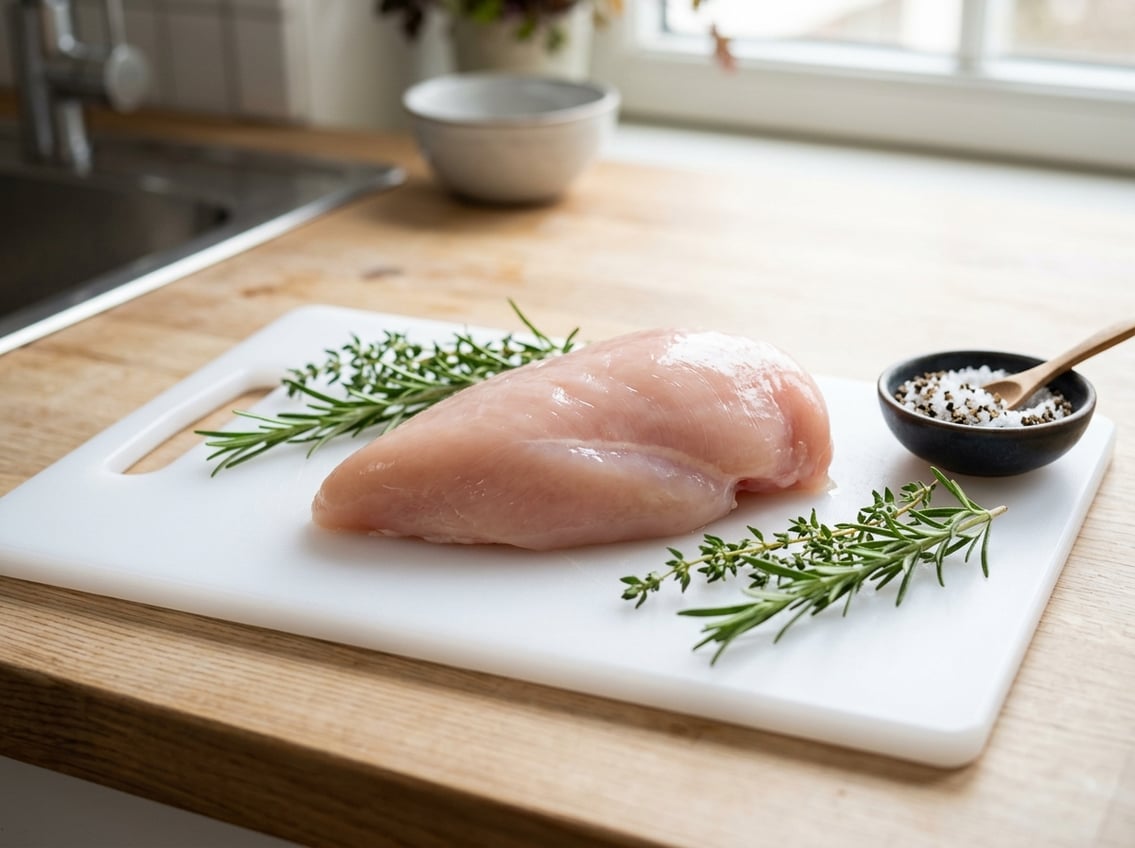
Fresh chicken breasts appear pale pink to creamy white, with a slight sheen and a smooth surface.
The shape looks full and intact, not torn, dry, or mushy.
You should check texture, packaging, and smell, since these details tell you more than color alone.
These signs help you choose between similar-looking cuts in the store.
How to Recognize Fresh Poultry at a Glance
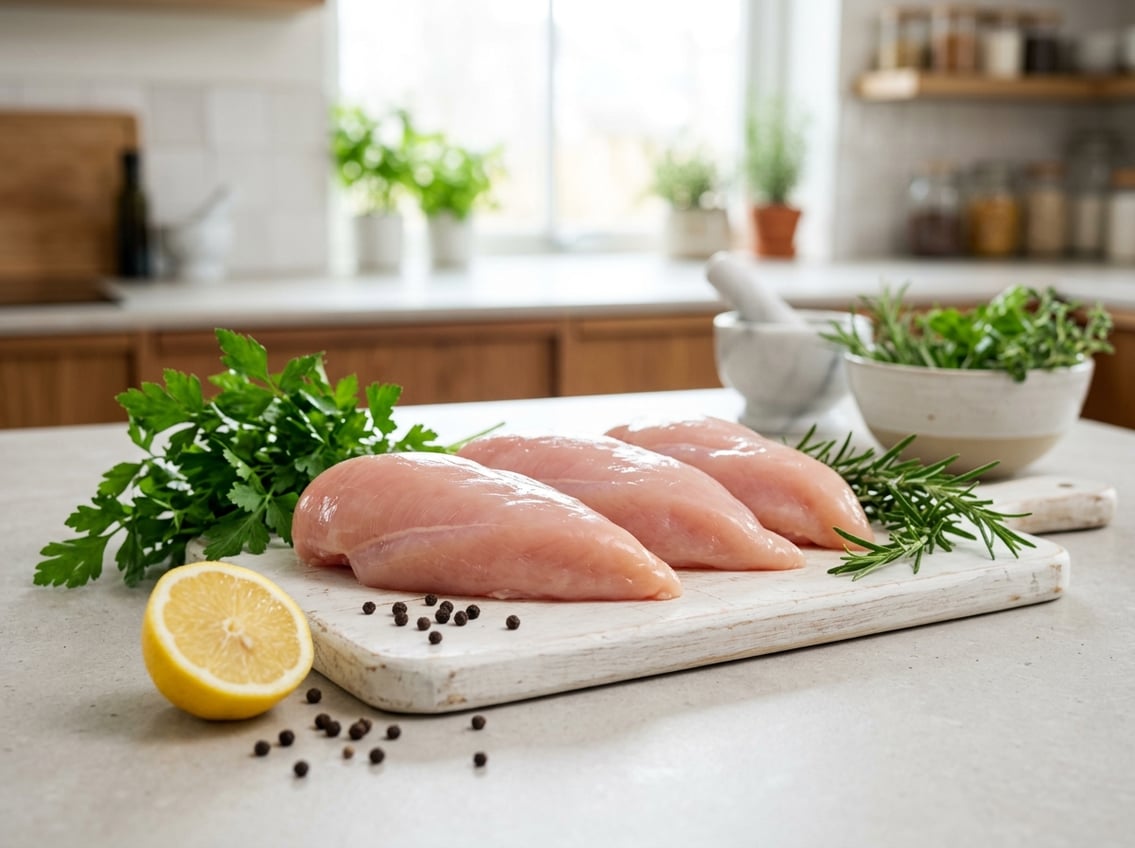
Fresh chicken breast can look slightly different from package to package, but the same basic signs still apply.
Look for clean color, a smooth surface, a firm feel, and no sour smell.
These cues help you judge a raw chicken breast before you bring it home.
They also help you spot chicken breasts that are old or packed poorly.
Normal Color, Surface, and Shape
A fresh chicken breast usually looks pale pink, creamy white, or lightly yellow.
That range is normal for fresh poultry, and slight variation between chicken breasts is expected.
The surface should look moist, not wet or slick.
A fresh chicken breast holds its shape and does not look collapsed, torn, or ragged.
What Firm Texture Should Feel Like
A fresh chicken breast feels firm with a little give when pressed lightly.
It should not feel soft, sticky, or overly wet.
If the meat springs back slightly and feels clean in your hand, that is a good sign.
How to Spot Sliminess, Discoloration, and Off Odors
Sliminess is a clear warning sign.
If raw chicken breast feels slippery or leaves a film on your fingers, it may be starting to spoil.
Watch for gray, green, or dull patches.
A strong sour, rotten, or ammonia-like odor is a clear reason to pass on the package.
What Store Packaging and Cut Labels Tell You
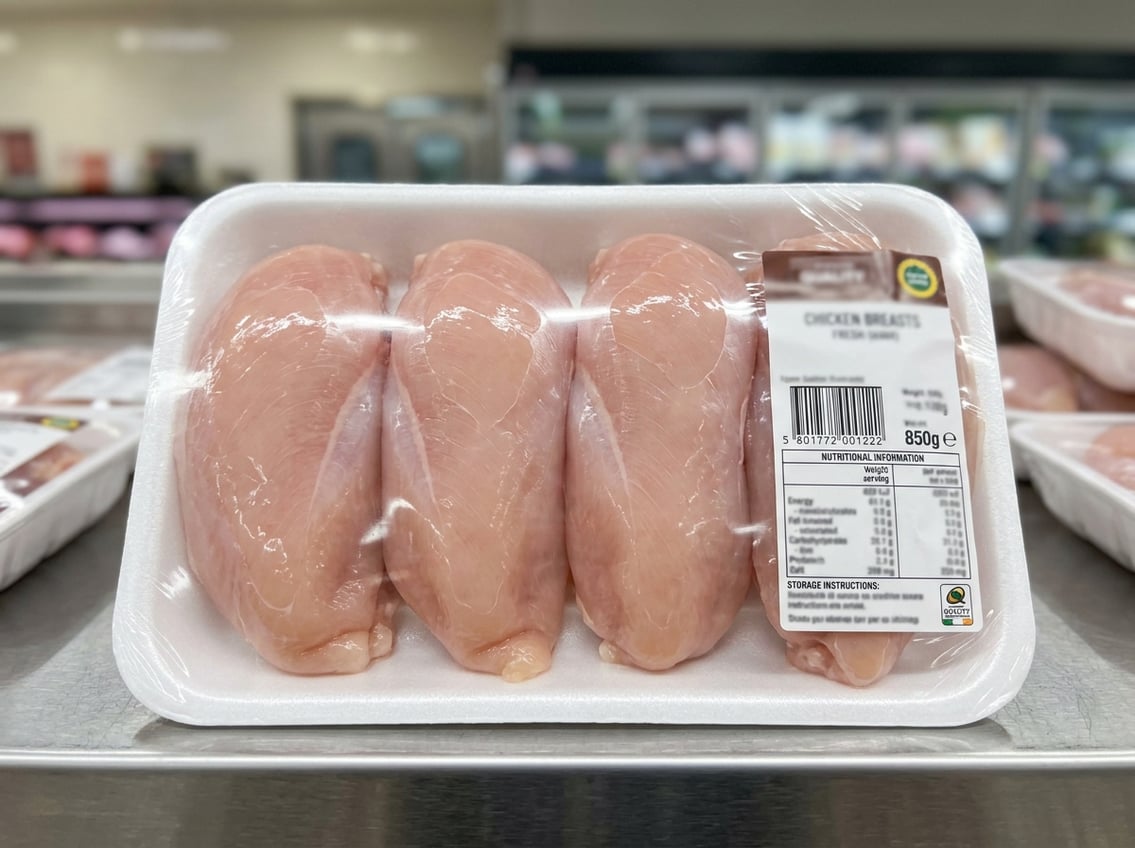
Package labels help you choose better chicken, but you still need to look at the meat.
Dates, moisture, and cut names tell you how the chicken was handled and what recipe it fits best.
Look for clean packaging, a valid date, and clear cut information.
Claims like raised without antibiotics or sustainability may matter, but the meat still needs to look fresh.
Sell-By Dates, Leaks, and Excess Liquid
The sell-by date gives you a basic freshness window, not a guarantee of quality.
A package should look intact and cold, with no tears, punctures, or broken seals.
A small amount of liquid can be normal, but pooled juice is a warning sign.
Too much liquid can make the meat look waterlogged and may point to poor storage or older product.
Boneless, Skinless, and Skin-On Options
A boneless chicken breast is easier to slice, pound, and cook quickly.
A skinless chicken breast is common for lean meals and simple prep.
A skin-on chicken breast can give you more flavor and help protect the meat from drying out.
A skin-on chicken option may work better for roasting, since the skin can brown and help hold moisture.
Whole Breasts, Tenderloins, and Chicken Cutlets
A whole chicken breast gives you a larger, thicker piece that works well for stuffing or slicing after cooking.
Tenderloins are smaller and usually cook faster, which makes them useful for quick meals.
Chicken cutlets are thinner pieces, often ideal for fast, even cooking.
If you want the best value and flexibility, a whole chicken breast gives you more control over portion size and shape.
Why Appearance Alone Is Not Enough for Safe Cooking
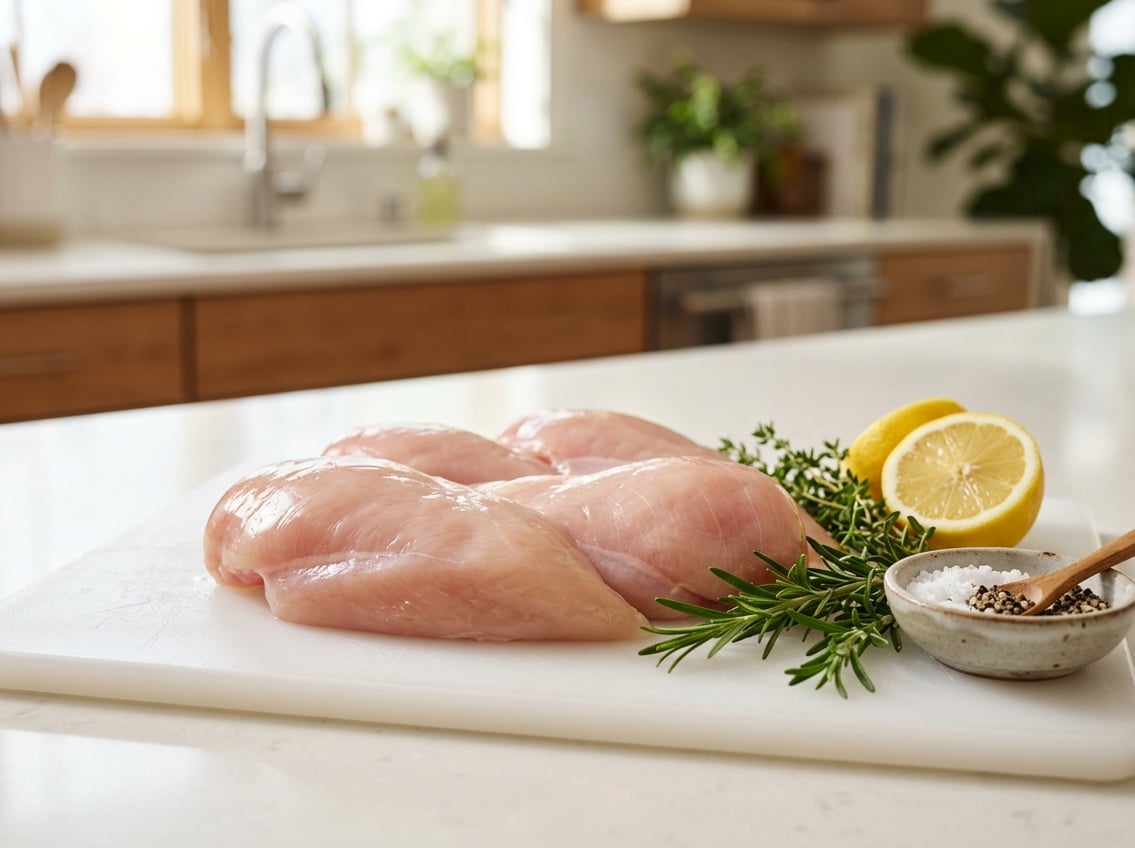
Chicken breast can look fine and still be unsafe if someone handled it poorly or cooked it incorrectly.
Food safety depends on storage, handling, and internal temperature as much as appearance.
Raw poultry can carry harmful bacteria even when it looks clean.
You get the safest result by checking doneness with a thermometer, not by guessing from color alone.
Food Safety Risks in Raw Poultry
Raw chicken can carry salmonella and campylobacter.
These bacteria do not always change how the meat looks, smells, or feels.
That is why freshness signs help you shop, but do not guarantee safety.
Good handling, cold storage, and proper cooking are necessary for safe chicken breasts.
Using a Meat Thermometer Correctly
Using a meat thermometer is the most reliable way to check doneness.
Insert it into the thickest part of the chicken breast, away from bone or the pan.
Chicken is safe to eat at 165°F.
This applies whether you cook chicken breast in the oven, on a grill, or in a skillet.
When Cooked Chicken Breast Looks Done
A cooked chicken breast should not look translucent in the center.
The juices should run clear, and the meat should look opaque all the way through.
A baked or grilled piece can look white and still be undercooked if the center is too cool.
A roasted chicken breast should also reach 165°F, even if the outside looks browned.
Choosing the Best Option for Flavor, Nutrition, and Recipes
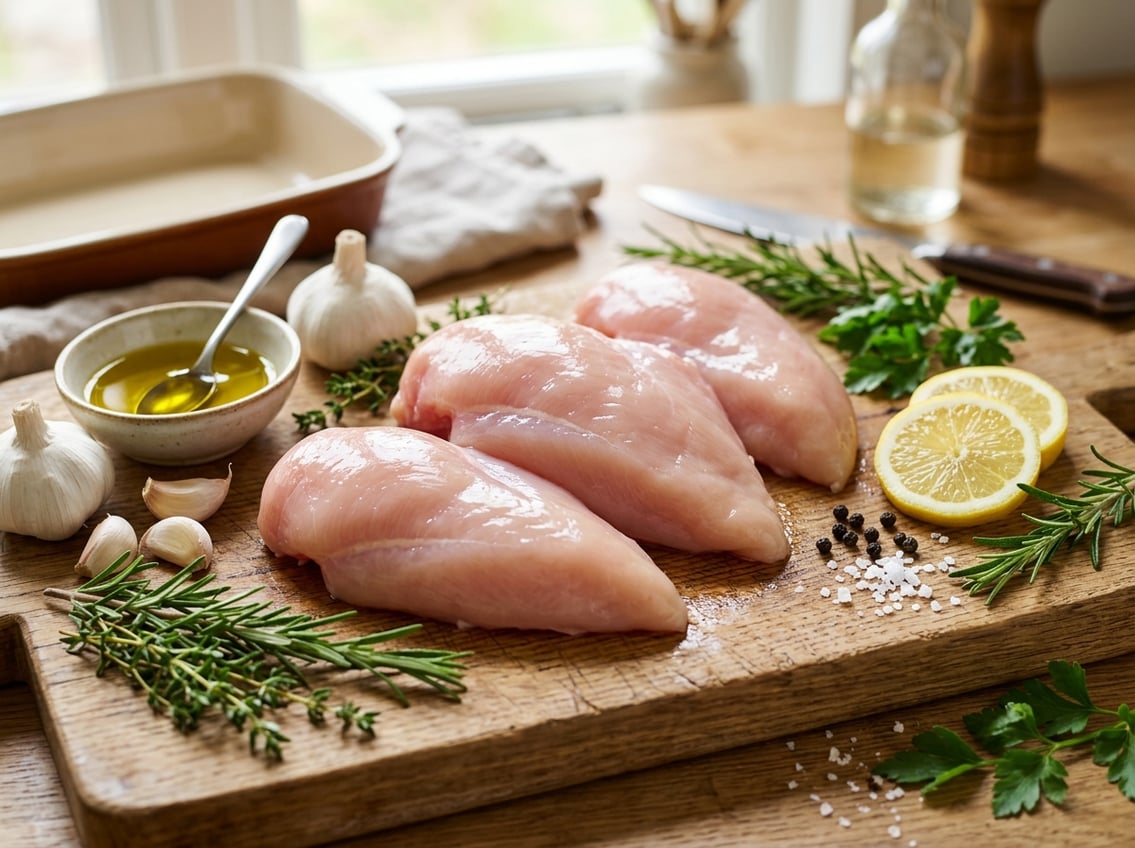
Chicken breast is a popular lean protein because it is easy to portion and works in many meals.
Your best choice depends on how you plan to cook it and how much flavor or moisture you want.
Some cuts do better with fast heat, while others are better for roasting or breading.
Choosing the right one helps you get better texture with less effort.
Lean Protein and Everyday Meal Planning
If you want a simple protein for lunches or weeknight dinners, chicken breast is a practical option.
Chicken breast is often chosen for its lower fat content and mild flavor.
That makes it easy to pair with vegetables, rice, pasta, or salads.
It also helps when you want to keep meals simple without losing protein.
When Different Cuts Work Best
A boneless chicken breast works well when you want fast prep and even slicing.
A whole chicken breast works better when you want to butterfly, stuff, or roast the meat.
If you want more flavor and less risk of dryness, choose a cut that matches your method.
Thicker pieces suit roasting, while thinner pieces suit quick cooking.
Best Picks for Grilling, Baking, and Breaded Dishes
Choose chicken breasts with even thickness for grilling so you can cook them at the same rate.
Pick medium-sized pieces for baking because you can keep them juicy more easily.
Use a boneless chicken breast or chicken cutlet for breaded dishes like chicken parmesan.
Select a skinless chicken breast when you want the breading to crisp without extra fat from the skin.


