
How Often Should You Eat Chicken Breast for Health?
You may wonder how often should you eat chicken breast if you want a healthy diet. For most healthy adults in the U.S., you can fit chicken breast into your meals several times a week, and it can work as a daily protein choice when you keep the rest of your diet varied.
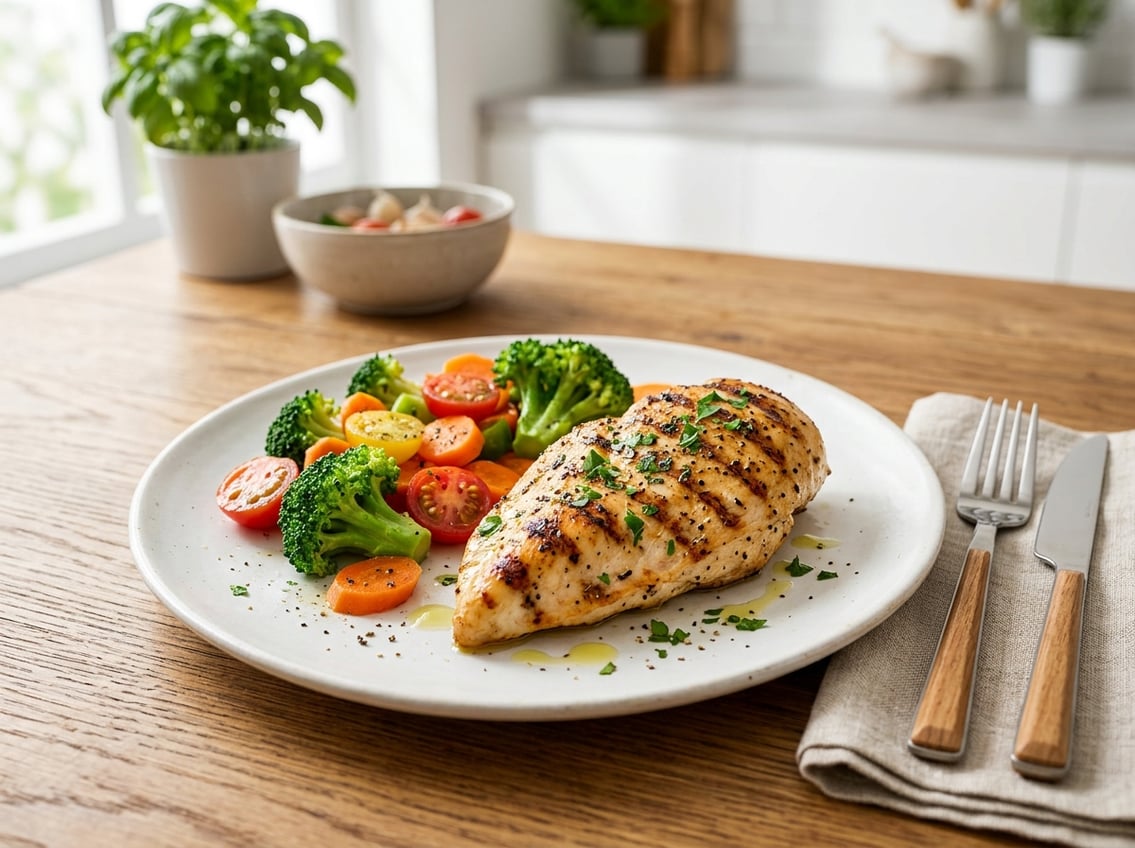
The answer is more about portion size and variety than a strict daily rule. Chicken breast is a lean protein, not a complete diet by itself.
If you keep portions reasonable and rotate other protein sources into your meals, you can make chicken breast part of a balanced eating pattern.
What a Healthy Weekly Amount Looks Like
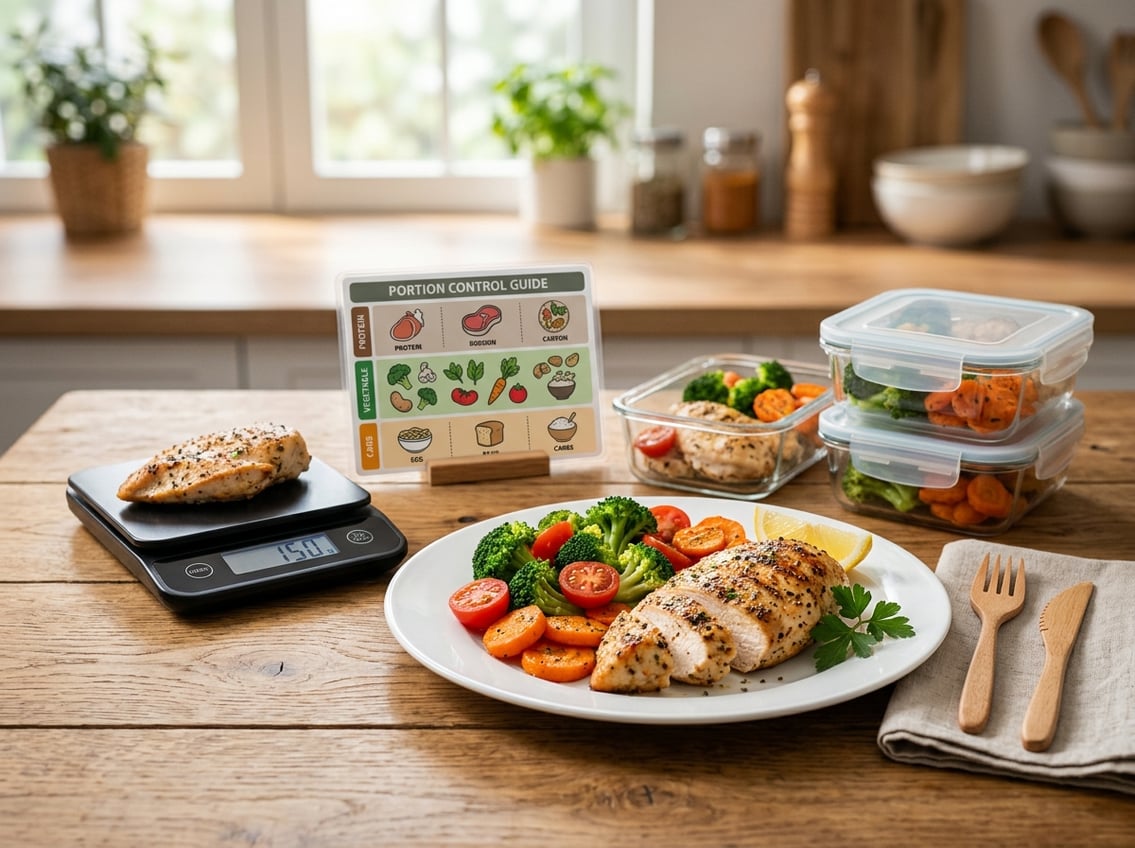
Your weekly amount depends on your protein needs, activity level, and what else you eat. The 2020-2025 Dietary Guidelines for Americans support a Healthy U.S.-Style Eating Pattern that includes lean protein foods such as poultry.
Using the 2020-2025 Dietary Guidelines for Americans
The Dietary Guidelines for Americans recommend about 26 ounces of poultry per week for the average adult in a 2,000-calorie pattern. You do not have to eat chicken breast every day, but you can if you keep your total chicken consumption within your larger pattern of protein, vegetables, grains, fruits, and healthy fats.
What 3.5 Ounces of Chicken Breast Really Means
A common serving of chicken breast is about 3.5 ounces cooked. That is close to the size of a deck of cards, or about one palm for many adults.
If you eat that portion every day, your weekly total lands near 24.5 ounces, which is close to the guideline range.
When Eating It Daily Can Fit Your Diet
You can eat chicken breast daily if your portions stay moderate and your meals are balanced. It works best when you use chicken breast as one protein option among eggs, fish, beans, yogurt, tofu, nuts, and other foods.
If you eat chicken every day, your preparation method matters as much as the portion size.
Why Chicken Breast Is Popular in Healthy Eating Plans
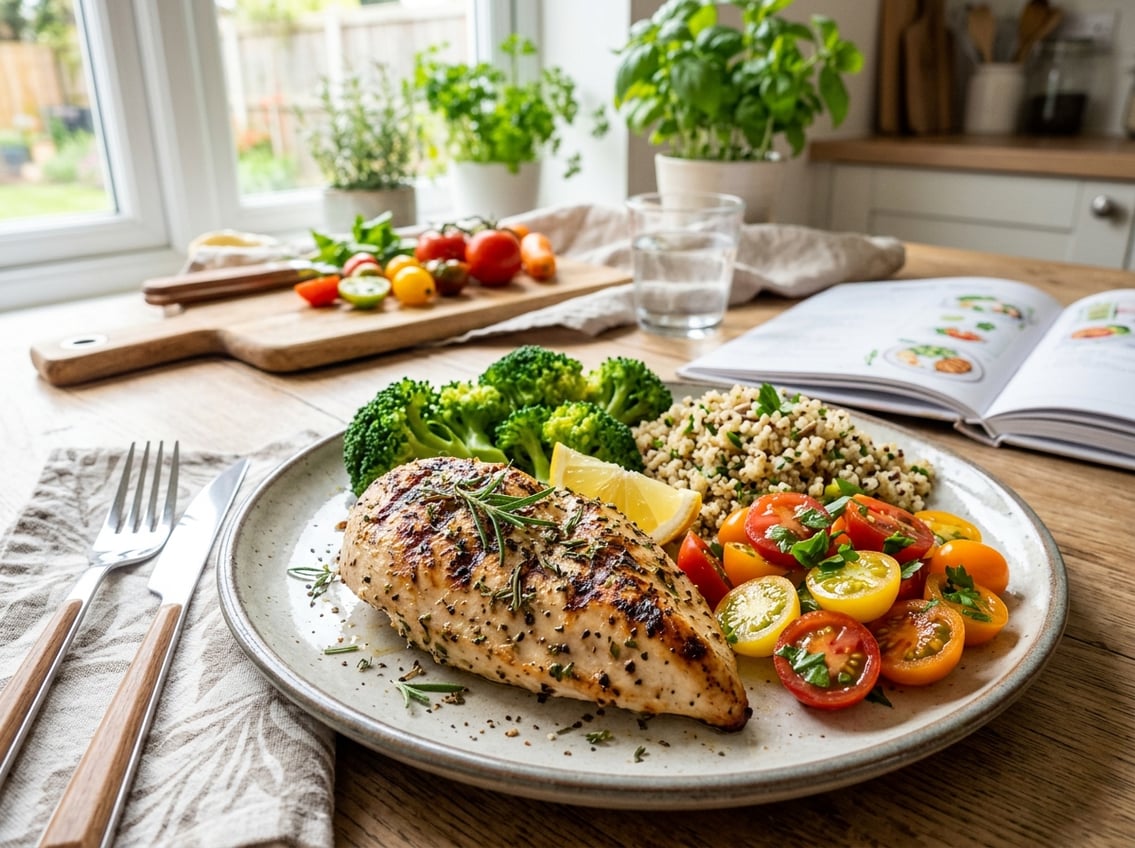
Chicken breast is popular because it gives you a lot of protein with little fat. It fits many meal plans, from weight loss to muscle-building.
High-Quality Protein and Essential Amino Acids
Chicken breast provides high-quality protein and essential amino acids your body needs but cannot make on its own. These amino acids support muscle repair, enzymes, hormones, and many normal body functions.
Chicken Breast vs. Chicken Thigh and Other Types of Chicken
Chicken breast is usually leaner than chicken thigh, especially when you remove the skin. Chicken thigh can have more fat and a richer taste, which may still fit a balanced diet in smaller portions.
Among types of chicken, the breast is often chosen when you want lean protein with fewer calories.
How Chicken Supports Satiety, Muscle Maintenance, and a Balanced Diet
Protein helps you feel full longer, which can make meal planning easier. Chicken breast can support muscle maintenance when you combine it with strength training and enough total calories.
If you want the health benefits of chicken without crowding out other foods, pair it with vegetables, whole grains, beans, and fruit.
When More Variety Is Better Than More Poultry
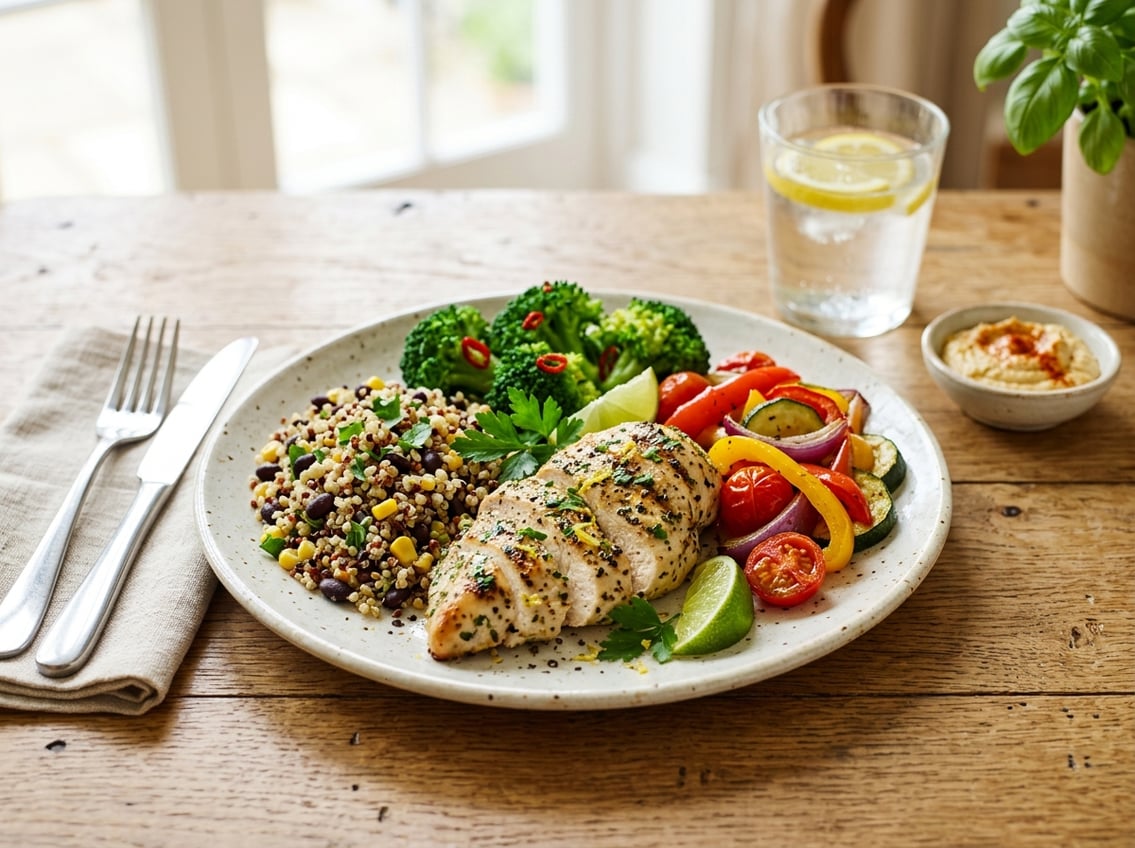
Eating chicken often can be fine, but you should not make it your only protein. Variety helps you cover more nutrients and keeps your meals enjoyable over time.
Why It Helps to Rotate Protein Sources
When you rotate protein sources, you get a wider mix of nutrients such as iron, omega-3 fats, calcium, fiber, and different vitamins and minerals. Beans, lentils, eggs, fish, tofu, Greek yogurt, turkey, and nuts each bring something different to your diet.
When Plant-Based Proteins or Other Meats Make Sense
Plant-based proteins can be a smart choice when you want more fiber or less saturated fat. Fish can add healthy fats, while a pork chop or lean beef can offer iron and other nutrients.
If you eat chicken every day, adding other protein sources during the week can make your diet more complete.
Who May Need to Be More Careful With Daily Intake
If you have high cholesterol, kidney disease, food safety concerns, or a history of restrictive eating, you may need a more careful plan. A clinician or dietitian can help if your health goals are specific.
The Best Ways to Prepare It Without Undercutting the Benefits

How you cook chicken breast can change its health value. Simple methods keep it lean, while heavy breading, frying, and sugary sauces add extra calories, sodium, and fat.
Grilled Chicken, Baked Chicken, and Roasted Chicken
Grilled chicken, baked chicken, and roasted chicken need little added fat. Methods like poaching and steaming also keep chicken tender while avoiding extra oil.
Choose seasonings, herbs, citrus, garlic, and spices for flavor.
Smart Meal Ideas Like Chicken Salad and Chicken Soup
You can make chicken salad healthy if you use lighter ingredients such as plain yogurt, mustard, celery, herbs, and vegetables. Chicken soup works well, especially when it includes beans, vegetables, and a broth that is not overly salty.
These meals make it easier to keep eating chicken every day without making every meal feel the same.
How to Marinate Chicken Breast and Handle It Safely
Mix oil, acid, and spices to marinate chicken breast. Refrigerate the chicken while it marinates.
Boil any marinade that touched raw chicken before reusing it. Cook chicken to 165 degrees Fahrenheit.
Keep raw chicken separate from ready-to-eat foods. Safe handling is important for both preparation and cooking.


