
What Is Chicken Breast Good for? Health Benefits
Chicken breast is good for you when you want a simple, high-protein food that fits many health goals. It is a lean protein, so it gives you a lot of protein with relatively little fat, especially when you choose skinless chicken breast.
It also works well as a protein powerhouse in everyday meals because it is versatile and affordable. You can easily pair it with vegetables, grains, and sauces you control yourself.
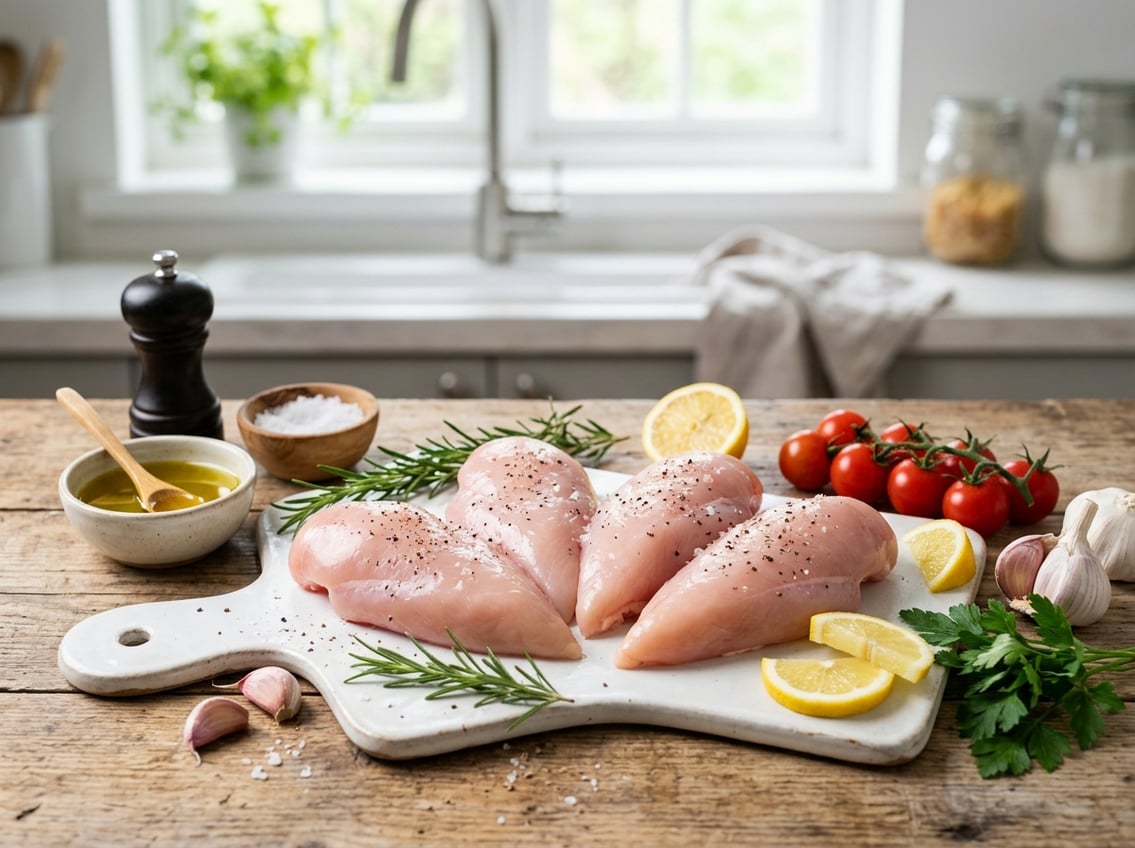
People across the US include chicken in many diet patterns because it is easy to grill, bake, slice, or shred. You can use it whether you are meal prepping, managing your weight, or just looking for a reliable dinner protein.
Supporting Weight Loss, Fullness, and Muscle Maintenance

Many people choose skinless chicken breast for a lean protein that supports daily nutrition without a lot of extra calories. Its high protein content helps you build meals that keep you satisfied and makes it easier to stay within your calorie target.
Why Protein Helps With Satiety
Protein takes longer to digest than carbs, so it often helps you feel full for longer. Research cited by WebMD notes that meals with about 25 to 30 grams of protein can improve fullness, which may support weight control and reduce unnecessary snacking.
A boneless, skinless chicken breast can give you a high protein serving with very little fat or sugar. This makes it useful when you want a meal that feels substantial.
How Chicken Breast Fits Calorie-Conscious Diets
If you want to lose weight, skinless chicken breast is often a good choice, especially when you keep the cooking method simple. WebMD reports that a raw, boneless skinless chicken breast contains about 120 calories, 26 grams of protein, and 2 grams of fat.
This protein-to-calorie ratio makes white meat useful in many lower-calorie meal plans. You can build a plate around protein without using most of your calories on fat.
Who Benefits Most From a Leaner Cut
You may benefit most from chicken breast if you are trying to lose weight, preserve muscle during weight loss, or keep meals easy to portion. It also helps if you exercise regularly and want a simple recovery food after training.
Older adults often benefit too, since protein helps support muscle maintenance as you age. People watching saturated fat may also prefer skinless chicken breast over darker cuts or skin-on options.
Nutrients That Make It a Smart Everyday Protein
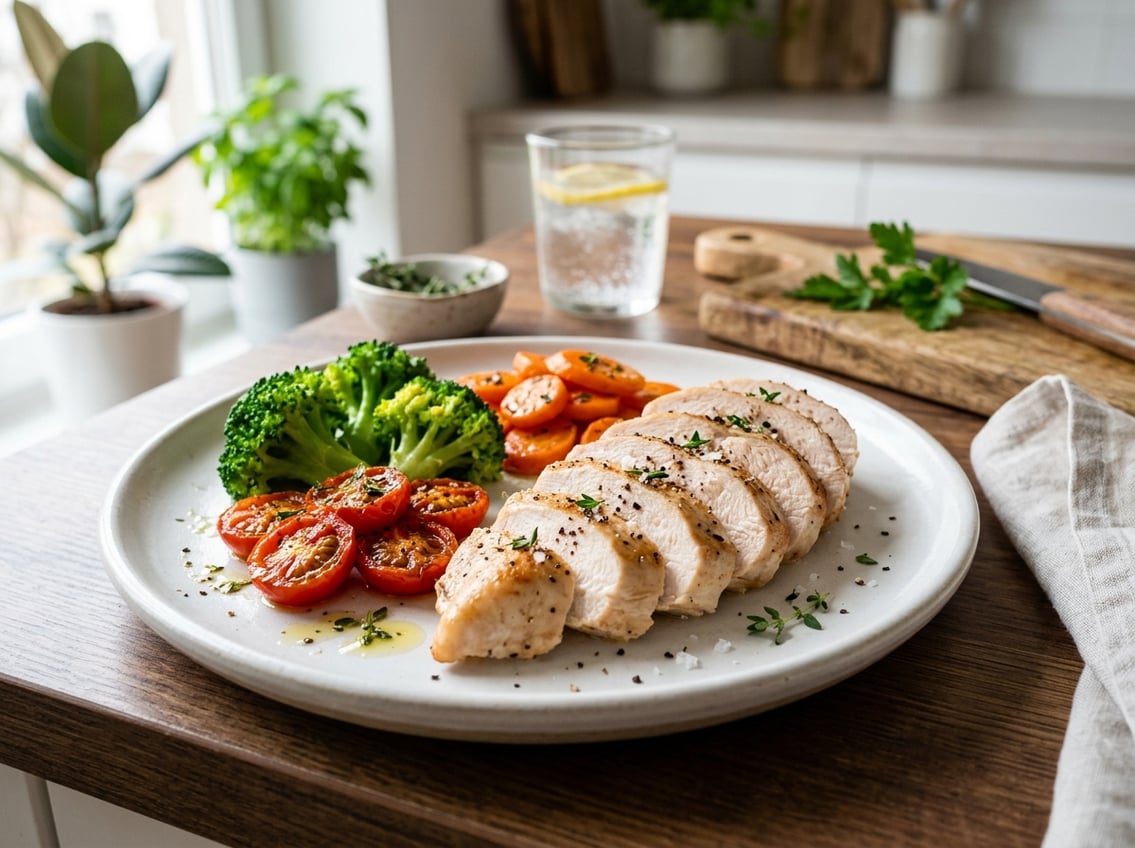
Chicken breast nutrition goes beyond protein alone. White meat gives you useful nutrients, low carbs, and a flexible base for meals you can repeat often without much effort.
Protein, Calories, and Fat at a Glance
Chicken breast offers strong protein content and low fat content. In the WebMD data, a boneless skinless breast has 26 grams of protein, 120 calories, and 2 grams of fat per raw serving.
That mix is part of why chicken breast is such a common everyday food. It gives you a lot of nourishment for the calories.
Key Vitamins and Minerals in White Meat
Chicken breast also contains several nutrients your body uses every day. WebMD lists vitamin B12, choline, zinc, iron, copper, and tryptophan among the key nutrients in chicken.
These nutrients support red blood cells, energy metabolism, and tissue repair. A recent nutrition overview of grilled chicken breast also points to B vitamins and essential minerals as part of its appeal.
Skin-On vs. Skinless Nutrition Differences
Skinless chicken breast is the leaner choice. Keeping the skin on raises the fat and saturated fat content, which can matter if you are trying to keep meals lighter or support heart-conscious eating.
If you want the simplest answer to what chicken breast is good for, skinless versions are usually best for daily use. They keep the nutrition focused on protein instead of added fat from the skin.
How Preparation Changes the Health Impact
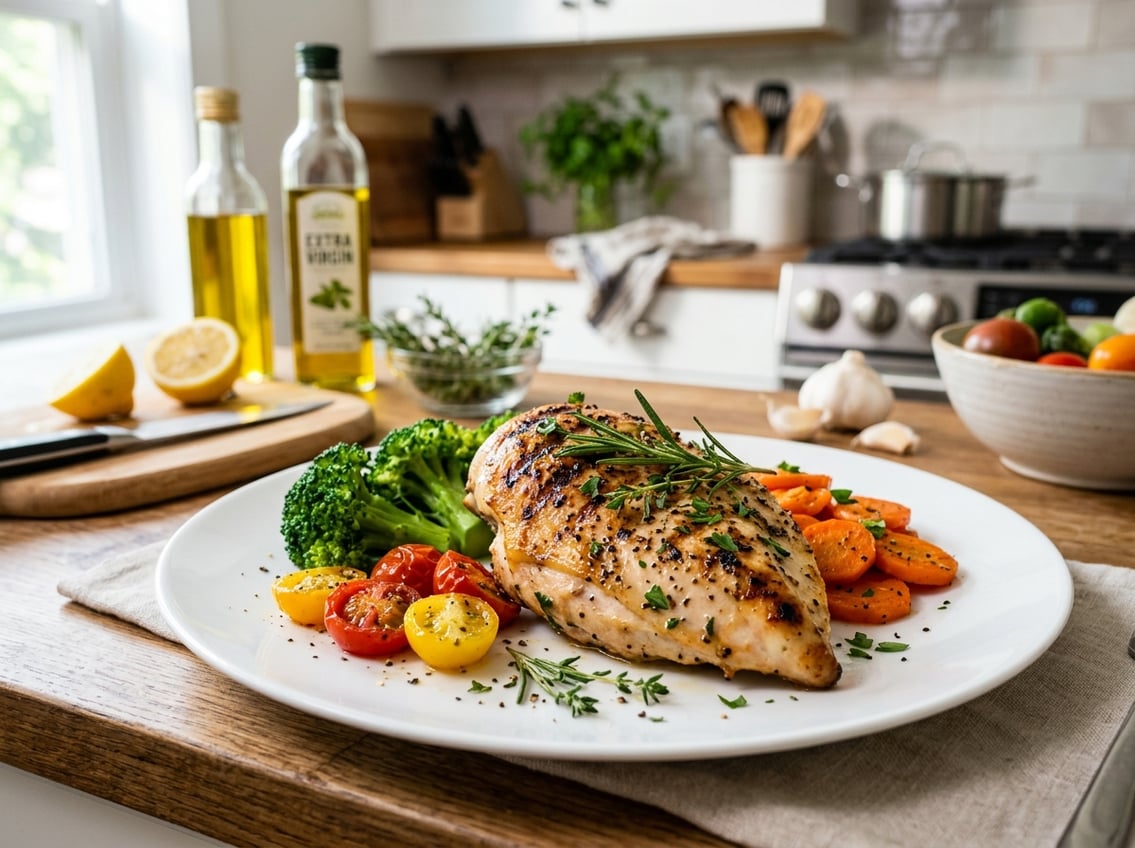
The way you cook chicken breast changes how healthy it stays. Grilling and baking can be smart choices, while breading, frying, and heavy sauces can change the nutrition fast.
Grilled vs. Baked vs. Fried
Grilled and baked chicken breast usually offer the leanest meals. They add little extra fat and keep the protein content high.
Fried chicken, by comparison, usually absorbs more oil and often includes breading. That can raise calories and saturated fat, which moves the meal away from the lean profile people often want from chicken breast.
Added Sauces, Sugar, and Sodium to Watch
A plain chicken breast can become very different once you add sauce. Maple-glazed chicken breast can taste good, yet the glaze may add a lot of sugar.
Chicken parmesan often includes cheese, breading, and sauce, making it more calorie-dense. For a healthier result, use smaller amounts of sauce and choose lower-sodium seasonings when possible.
Heat Exposure and Advanced Glycation End Products
Very high dry heat can create advanced glycation end products, or AGEs. These compounds form when proteins and sugars are exposed to high temperatures for long periods, especially with heavy browning.
You do not need to avoid grilled chicken breast, but gentler cooking, shorter cook times, and less charring can help reduce unnecessary exposure.
Best Ways to Eat It in Balanced Meals
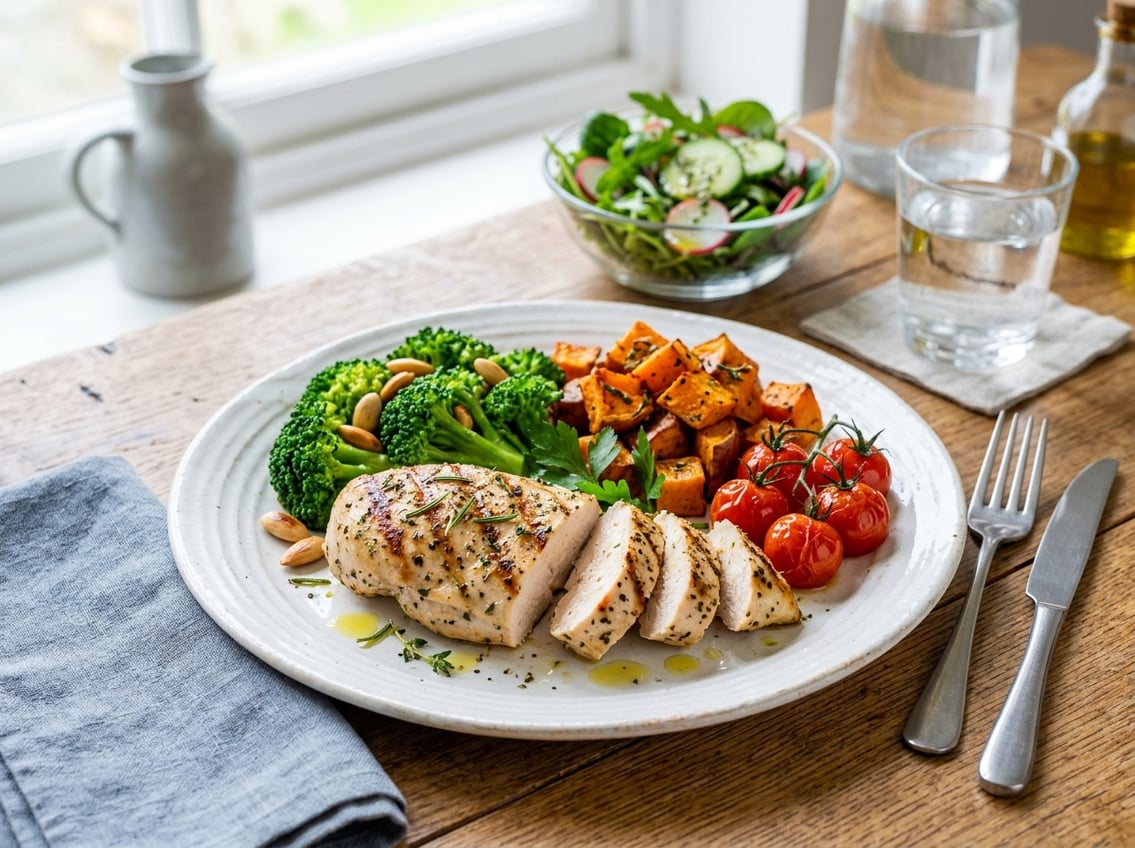
Chicken breast works best when you build a full meal around it. A good chicken breast recipe includes protein, vegetables, and a source of fiber-rich carbs so the meal feels complete and balanced.
Pairing Chicken Breast With Vegetables and Grains
Pair chicken breast with vegetables like broccoli, peppers, green beans, or a cucumber salad for more volume and nutrients. Add brown rice, quinoa, potatoes, or whole-grain bread if you want more staying power.
This mix works well because protein helps fullness, while vegetables and whole grains add fiber and texture. It also keeps the meal from feeling plain or overly heavy.
Simple Meal Ideas for Lunch and Dinner
For lunch, slice grilled chicken breast over a cucumber salad with tomatoes, beans, and olive oil. For dinner, serve baked chicken with roasted sweet potatoes and steamed vegetables.
You can also shred chicken into wraps, grain bowls, or soups. Chicken works well in salads, sandwiches, wraps, and pasta dishes, giving you plenty of easy options.
Choosing Recipes That Keep It Nutritious
Pick a chicken breast recipe that uses baking, grilling, or light pan cooking instead of deep frying.
Watch out for cheese, creamy sauces, sugary glazes, and large amounts of salt.
If you want a dish like chicken parmesan or maple-glazed chicken breast, enjoy it occasionally rather than every day.


