
Why Is Chicken Breast White Meat? The Science Explained
You may wonder why chicken breast is white meat when the rest of the bird has a different color.
The answer comes down to muscle type, how much a muscle is used, and the amount of a protein called myoglobin in the meat.
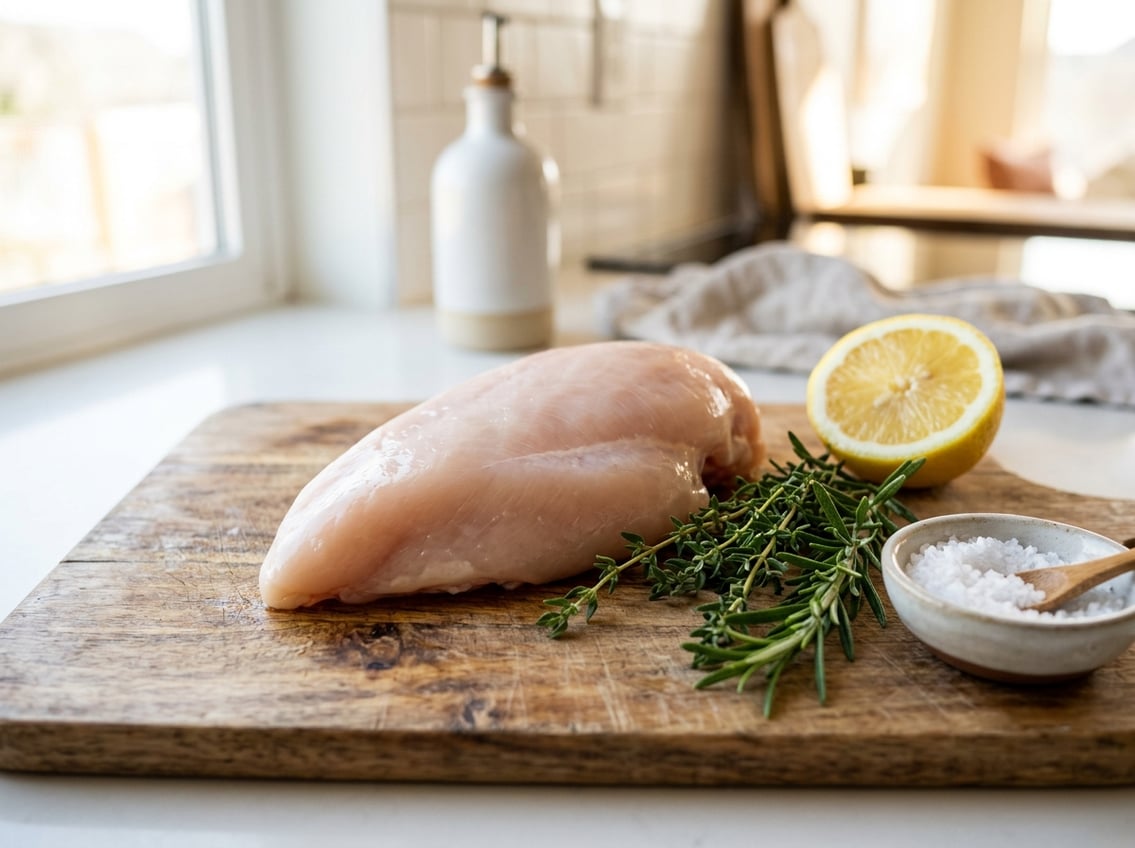
Chicken breast counts as white meat because it comes from muscles that do short, quick work and have less myoglobin than the legs and thighs.
That is why breast meat stays pale before cooking and keeps a lighter look after it is cooked.
White meat chicken is usually leaner, milder in flavor, and easier to use in many meals, from salads to sandwiches.
The Science Behind the Color

The color difference between white meat and dark meat starts inside the muscle itself.
Myoglobin, muscle use, and chicken anatomy all work together to shape the look of chicken breast and other cuts.
How Myoglobin Affects Meat Color
Myoglobin stores oxygen in muscle tissue.
Muscles with more myoglobin look darker, while muscles with less myoglobin look paler.
Chicken breast has lower myoglobin than the legs and thighs, so it appears light pink or pale white.
That is the main reason breast meat is called white meat.
Why Breast Muscles Stay Pale
Chicken breast muscles do short bursts of movement, such as lifting the bird during quick motion.
They do not need as much oxygen storage as muscles that support standing and walking.
According to a chicken breast white meat guide, breast muscles have little myoglobin and handle short bursts of movement, which keeps them light in color.
The pale look is part of normal chicken anatomy, not a sign of processing.
How Chicken Anatomy Shapes White and Dark Cuts
Chicken anatomy creates a clear split between upper-body and leg muscles.
The breast and wings use fast-twitch fibers for brief effort, while the thighs and drumsticks rely more on steady, longer work.
That is why breast meat and wing meat usually fall into the white meat group, while thighs and drumsticks are classed as dark meat.
The color reflects how each muscle works inside the bird.
Which Chicken Cuts Count as White Meat

Chicken breast is the clearest example of white meat chicken, especially when it is skinless and cooked simply.
Wings can also count as white meat, while thighs and drumsticks are usually grouped as dark meat because they use more active muscles.
Where Chicken Breast Fits
Chicken breast is the main white meat cut most people buy.
Skinless chicken breast is especially common in meals that focus on lean protein, since it has less fat than many other cuts.
The breast meat is tender, mild, and easy to slice.
That is why it shows up in so many recipes.
Are Wings White Meat Too
Chicken wings are often listed with white meat, even though they can taste richer than breast meat.
The wing area contains mostly fast-twitch muscle, so it fits the white meat category in many food guides.
Wings have more skin and a different texture than chicken breast.
So while wings are often white meat, they are not as lean as skinless chicken breast.
How Thighs and Drumstick Compare
Thighs and drumsticks are dark meat because they do more work.
These cuts support standing, walking, and balance, so they contain more myoglobin and usually more fat.
If you compare white meat chicken with dark meat chicken, the difference is easy to taste.
Thighs and drumsticks are richer and juicier, while breast meat is milder and leaner.
Nutrition and Flavor Differences
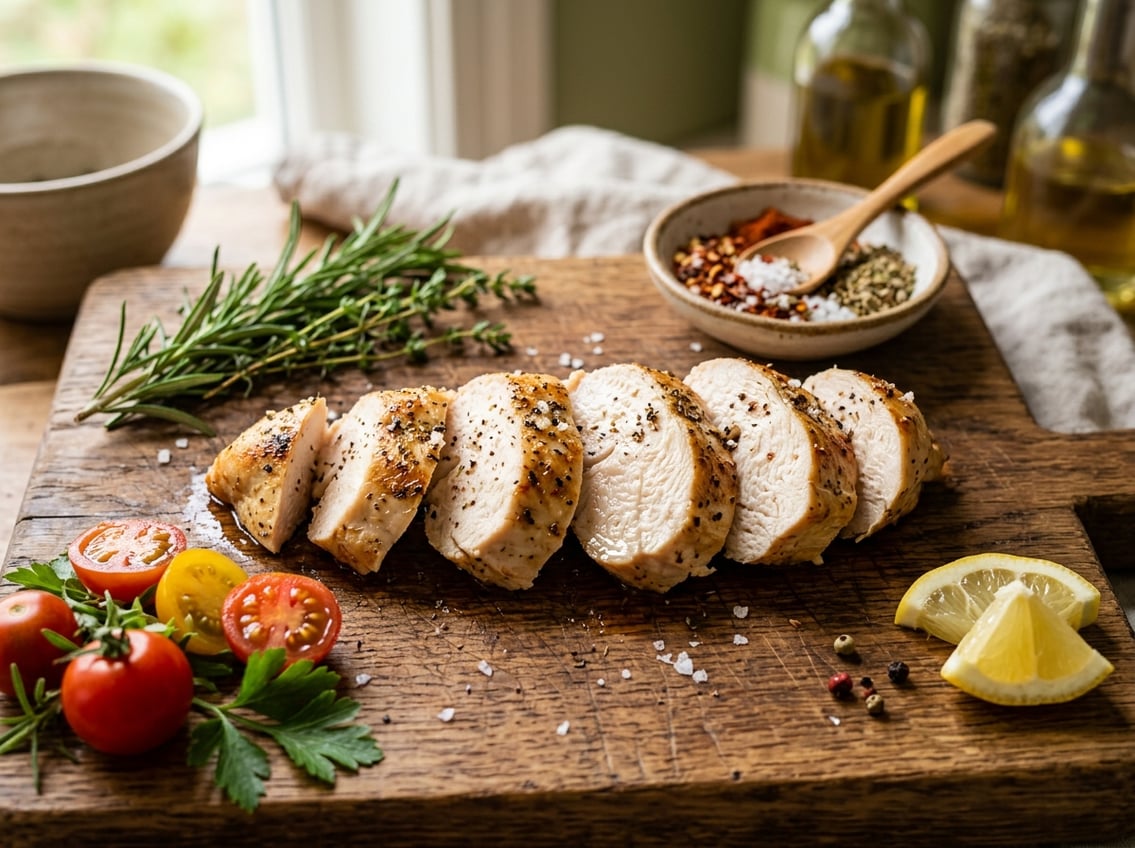
White meat and dark meat both give you protein, yet they do not taste or cook the same.
Chicken breast is known for being lean and mild, while dark meat tends to have more fat, more flavor, and a juicier bite.
Why White Meat Is Considered Lean Protein
Chicken breast is a classic lean protein because it has less fat than thighs or drumsticks, especially when you choose skinless chicken breast.
That makes it a common choice when you want a lighter meal.
Nutrition data in a guide to white meat chicken breast notes that breast meat is tender, lean, and low in fat, with about 165 calories per 100 grams in a typical serving.
That profile is why many people use it in weight-conscious meal plans.
How Niacin and Vitamin B6 Support Its Nutrition Profile
Chicken breast gives you more than protein.
It also provides useful B vitamins, including niacin and vitamin B6, which help your body turn food into energy.
These nutrients are part of why breast meat is seen as a strong everyday food choice.
When you pair it with vegetables, grains, or beans, you get a simple meal with solid nutrition.
Why Dark Meat Tastes Richer and Juicier
Dark meat tastes richer because it has more fat and connective tissue.
Those features help thighs and drumsticks stay moist during slow cooking.
White meat has a cleaner, milder taste and a firmer texture.
That makes breast meat useful in dishes where seasoning, sauce, or marinades carry most of the flavor.
Cooking Chicken Breast Without Drying It Out

Chicken breast can dry out if you cook it too long or at too high a heat.
Careful timing, even cuts, and the right internal temperature help white meat stay juicy and safe to eat.
Best Ways to Cook Chicken Breast
To cook chicken breast well, use methods that control heat, such as baking, poaching, pan-searing, or grilling over medium heat.
Thin cutlets cook faster and stay tender more easily than thick pieces.
A light marinade or brine can also help skinless chicken breast hold moisture.
For dishes like a grilled chicken salad, quick cooking keeps the meat from turning stringy.
Why a Meat Thermometer Matters
A meat thermometer is the most reliable way to know when chicken is done.
Color alone does not tell you if the meat is safe or fully cooked.
Food safety guidance commonly calls for poultry to reach 165°F in the thickest part.
Checking the center of the chicken breast helps you avoid both undercooking and overcooking.
How White Meat Works in Chicken Salads and Other Meals
White meat chicken fits well in chicken salads because its mild flavor blends with dressing, herbs, fruit, or vegetables.
It also works in wraps, sandwiches, rice bowls, and pasta dishes.
If you need a flexible meal base, cooked chicken breast offers a practical choice.
You can chill, slice, and mix it into many different recipes.


