
Why Does Chicken Breast Feel Slimy? What It Means
If you are asking why does chicken breast feel slimy, the short answer is that it can be harmless surface moisture, or it can be a warning sign that the chicken is starting to spoil.
The feel alone does not always tell the whole story, so you need to look at smell, color, packaging, and storage time too.
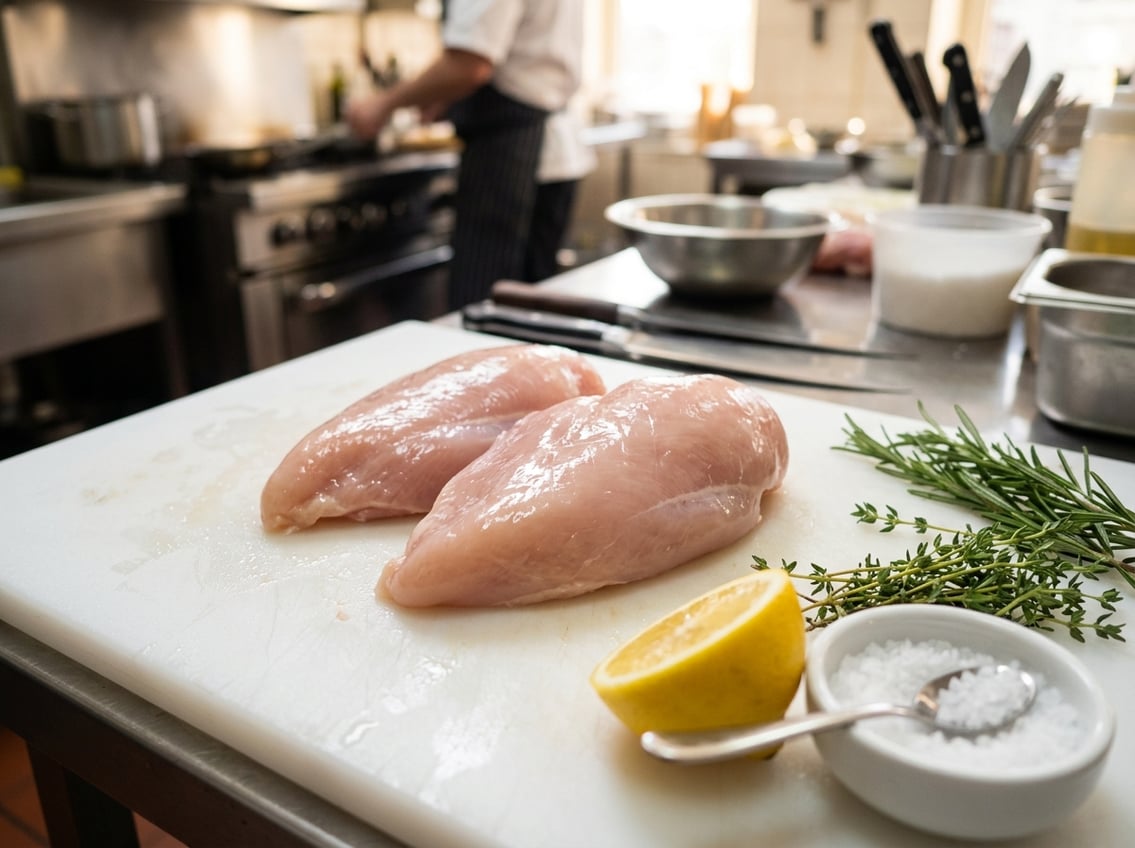
A slick or sticky feel on raw chicken is common enough to make you pause, especially when you are trying to decide if it is safe to cook.
Treat slimy chicken as a caution sign, and throw it out if the texture comes with odor, discoloration, or other signs of spoilage.
This guide explains what the texture means, why it happens, when it is unsafe, and how you can prevent it with better storage and thawing habits.
What Slimy Texture Usually Means
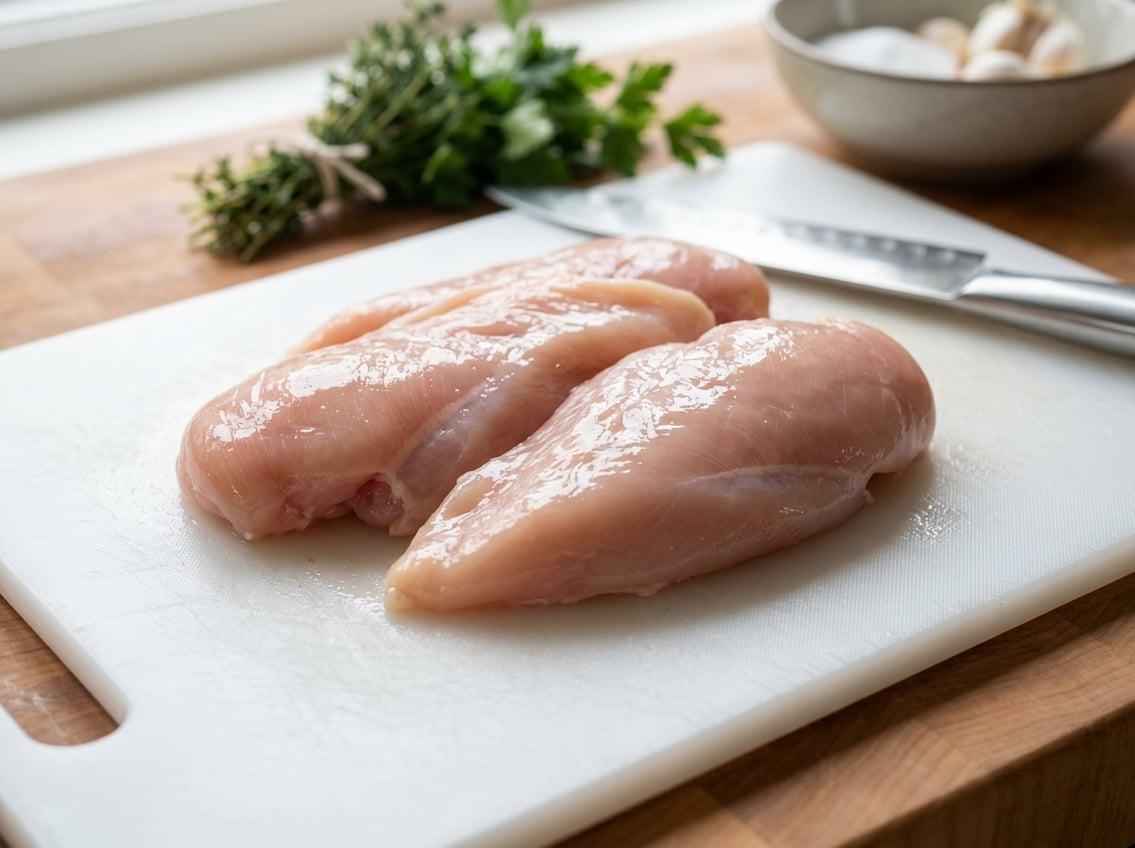
A slimy surface on chicken breast often points to bacteria growth or excess moisture on the meat.
Fresh chicken should feel moist, not coated or slippery, and it should not leave a sticky residue on your fingers.
Texture alone does not tell you everything, though.
You need to compare the feel with the smell, color, and how long the chicken has been stored.
Normal Surface Moisture vs. Spoilage Slime
Raw chicken naturally gives off some liquid, especially in sealed packages.
That moisture can make the surface feel slick without meaning the meat is spoiled.
Spoilage slime feels different.
It is usually tacky, sticky, or slippery in a way that seems thicker than normal juice, and it may remain even after you gently blot the surface.
Signs That Point to Bad Chicken
A slimy feel becomes more worrying when it comes with a sour smell, gray or yellow color, or a green, black, or off-looking film.
According to Cookindocs’ guide on slimy chicken breast, slime with green, yellow, or black coloring can signal harmful bacteria and you should discard it.
If the chicken smells putrid or sour, that is a stronger warning than texture alone.
Fresh raw chicken should have little smell.
When Texture Alone Is Not Enough
You cannot judge safety by touch alone.
Chicken that feels a little slick may still be fine if it is cold, within date, and otherwise normal, while chicken that feels only slightly moist can still be unsafe if it has been stored too long.
When you want to know if chicken has gone bad, use several signs together.
Texture, smell, appearance, and storage history matter more than any single clue.
Why It Happens in Raw, Packaged, and Thawed Chicken
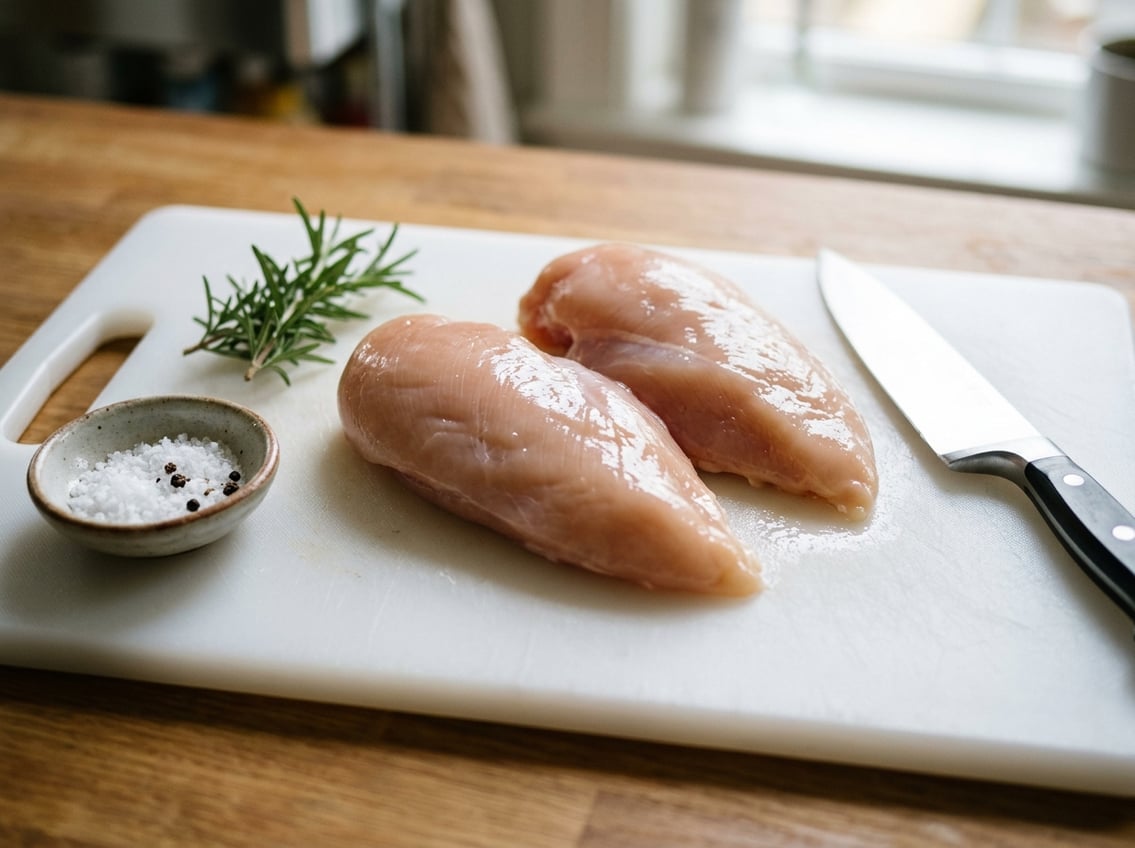
Chicken can feel slimy for different reasons depending on whether it is fresh from the store, tightly packaged, or thawed after freezing.
Some causes are normal, while others point to poor storage or spoilage.
The surface can also change as juices, proteins, and cold storage interact with the meat.
That is why slimy packaged chicken and slimy chicken after thawing do not always mean the same thing.
Natural Proteins and Released Juices
Raw chicken contains water and proteins that can leak to the surface.
When that liquid mixes with the meat’s natural proteins, it can create a slick feel.
This is especially noticeable after the chicken sits in the fridge for a day or two.
The surface may feel wetter and more slippery even when the meat is still within a safe time frame.
Slimy Packaged Chicken and Trapped Moisture
Chicken sealed in a package often sits in its own juices.
That trapped moisture can make the breast feel shiny or slimy once you open the tray.
This is common with slimy packaged chicken and does not always mean the meat has gone bad.
If the package is still sealed, cold, within date, and free of odor or discoloration, the slick feel may come from moisture buildup rather than spoilage.
Why Is My Chicken Slimy After Defrosting
If you keep asking why is my chicken slimy after defrosting, the answer is often tied to thawing method.
During defrosting chicken in the microwave, in warm water, or too slowly at unsafe temperatures, the outside can become wet and soft.
Freezing and thawing also release more liquid from the meat’s cells.
That extra juice can leave the surface feeling slick, even if the chicken is still safe, as long as it stayed cold and was thawed properly.
Safety Risks and When to Throw It Out
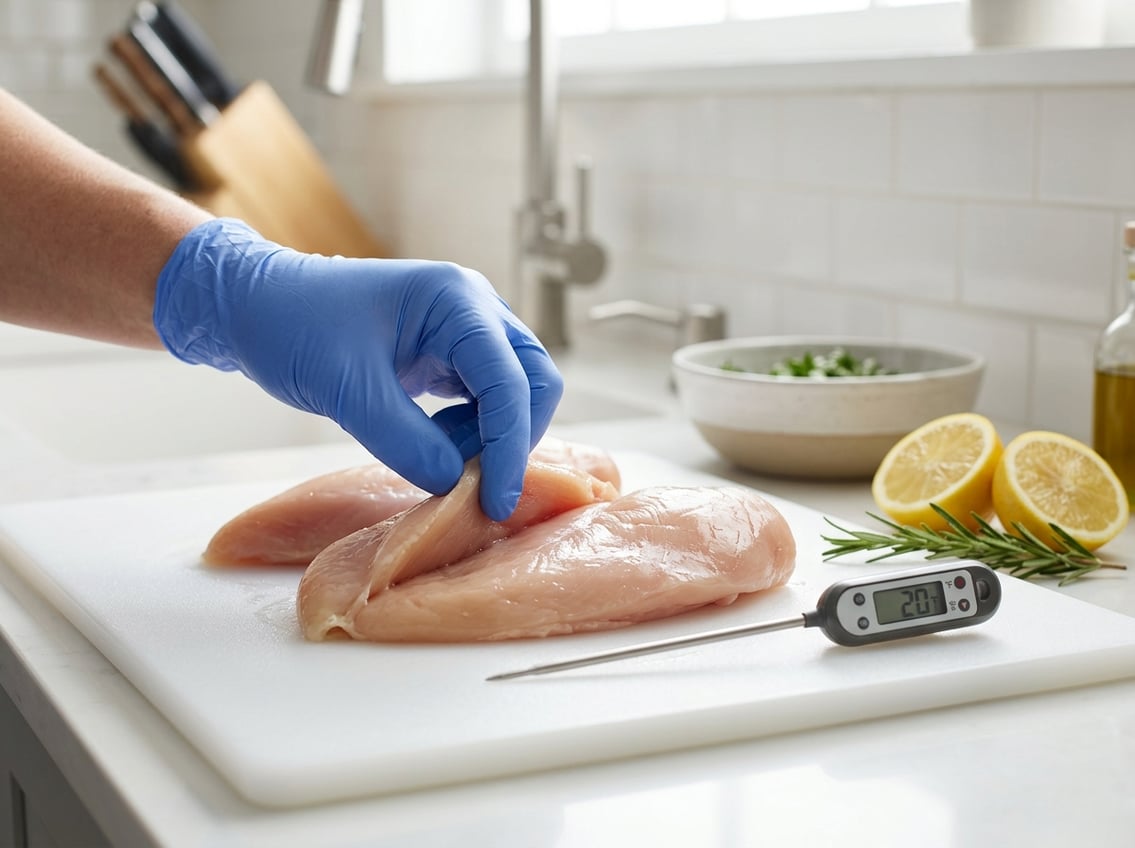
Slimy chicken can carry food safety risks, especially when bacteria have had time to grow.
The main concern is not the slime itself, it is what may be causing it.
Treat the texture as a warning when it comes with other spoilage signs, poor storage, or long fridge time.
If you are unsure, the safest choice is often to throw it out.
Bacterial Concerns Including Salmonella and Campylobacter
Raw chicken can carry salmonella and campylobacter, two major causes of foodborne illness in the U.S.
These bacteria may not always change the smell or look right away, which is why safe handling matters so much.
Bacteria can multiply and form a protective layer on the chicken, leading to a slimy surface.
That means the texture may be a sign of active bacterial growth, not just extra moisture.
Storage Time, Temperature, and Cross-Contamination
You should keep chicken cold at 40°F or below, and avoid letting it sit out at room temperature for long.
If you store it too long, the risk of spoilage rises fast.
Cross-contamination is another issue.
Raw chicken juices can spread bacteria to counters, utensils, and ready-to-eat foods, so you need to keep them separate and wash your hands well.
Why Cooking Does Not Fix Every Spoilage Problem
You should cook chicken thoroughly to 165°F, but cooking does not make all spoiled chicken safe.
Heat can kill many bacteria, yet it does not always remove toxins or fix meat that has already broken down.
If chicken has a sour smell, bad color, or strong slime before cooking, discard it.
When you are trying to decide how to tell if chicken has gone bad, the safest rule is simple: when in doubt, throw it out.
How to Handle and Prevent Texture Problems
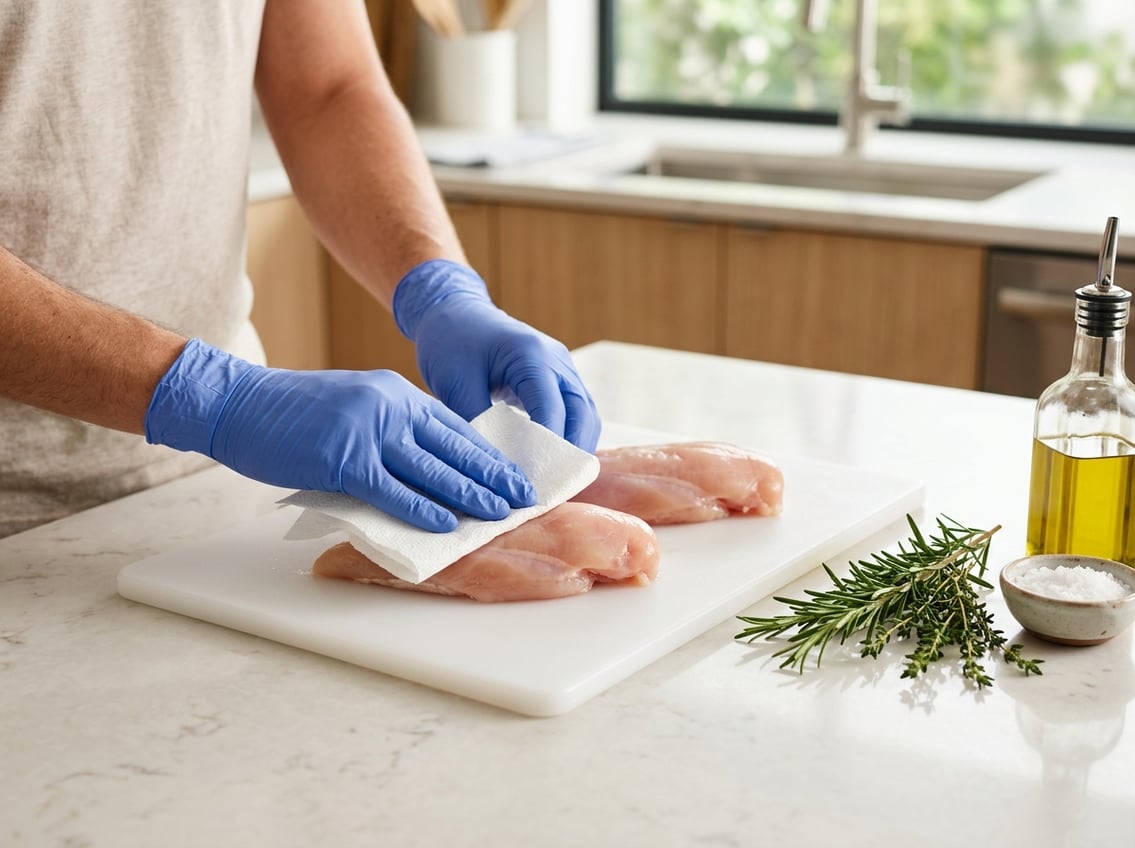
Good buying, storage, and thawing habits can prevent many texture problems before they start.
You can also reduce slickness on the surface by handling the chicken the right way before cooking.
A little moisture is normal.
The goal is to keep it cold, dry the surface when needed, and stop bacteria from growing.
Safer Buying, Refrigeration, and Thawing Habits
Choose chicken that is cold, well sealed, and within the use-by date.
Get it home quickly, then refrigerate or freeze it right away.
For defrosting chicken, thaw it in the refrigerator, in cold water that you change often, or in the microwave if you plan to cook it right away.
Safe thawing helps lower the chance of a slimy surface caused by temperature abuse.
What to Do If Chicken Feels Slick but Seems Fresh
If the chicken feels slick but still looks normal and has no bad smell, do not rinse it.
Instead, pat it dry with paper towels, check the date, and inspect the color and package.
If the chicken still seems fresh, cook it thoroughly and use it soon after buying or thawing.
If it feels sticky, smells off, or looks discolored, discard it.
How to Prevent Cooked Chicken From Becoming Slimy
Cool leftovers quickly and store them in shallow containers in the fridge. Steam can make the surface wet and soft if you use warm, sealed containers.
Do not leave cooked chicken at room temperature for long. Reheat leftovers only once when possible.
Clean storage and fast chilling help keep cooked chicken from becoming slimy. These steps also reduce food safety risks.


