
Why Is Chicken Breast High in Cholesterol? Facts to Know
Chicken breast is often seen as a low-fat protein. You may still wonder why chicken breast is high in cholesterol when it is usually considered a heart-smart choice.
Chicken breast contains dietary cholesterol because all animal foods, including poultry, have cholesterol.
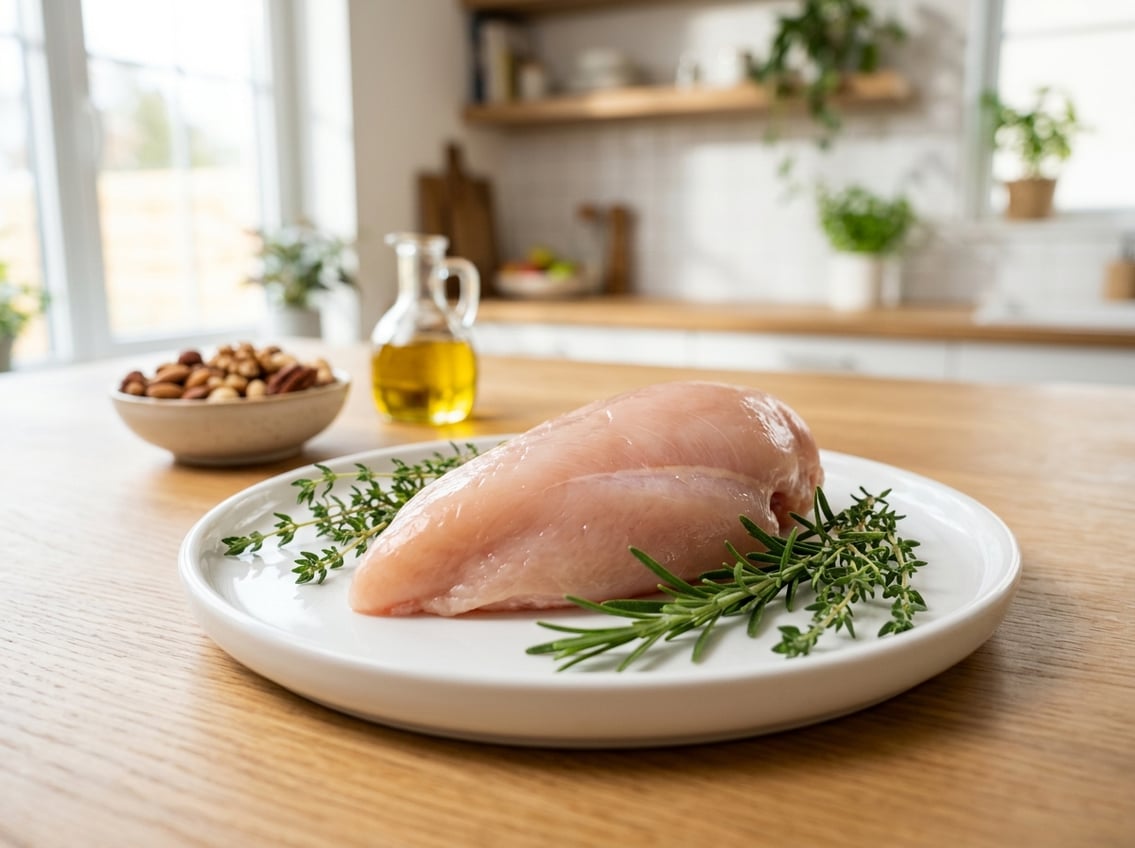
Chicken breast is not the highest-cholesterol meat, but it still adds cholesterol to your diet. The way you cook and portion it can change its health impact.
The question is less about whether chicken breast has cholesterol and more about how much it has, what else comes with it, and how it fits into your full diet. According to a recent review of cholesterol in chicken by part and preparation, chicken breast is usually the leanest part of the bird.
Skin, frying, and heavy breading can change its nutritional profile.
What Chicken Breast Actually Contains
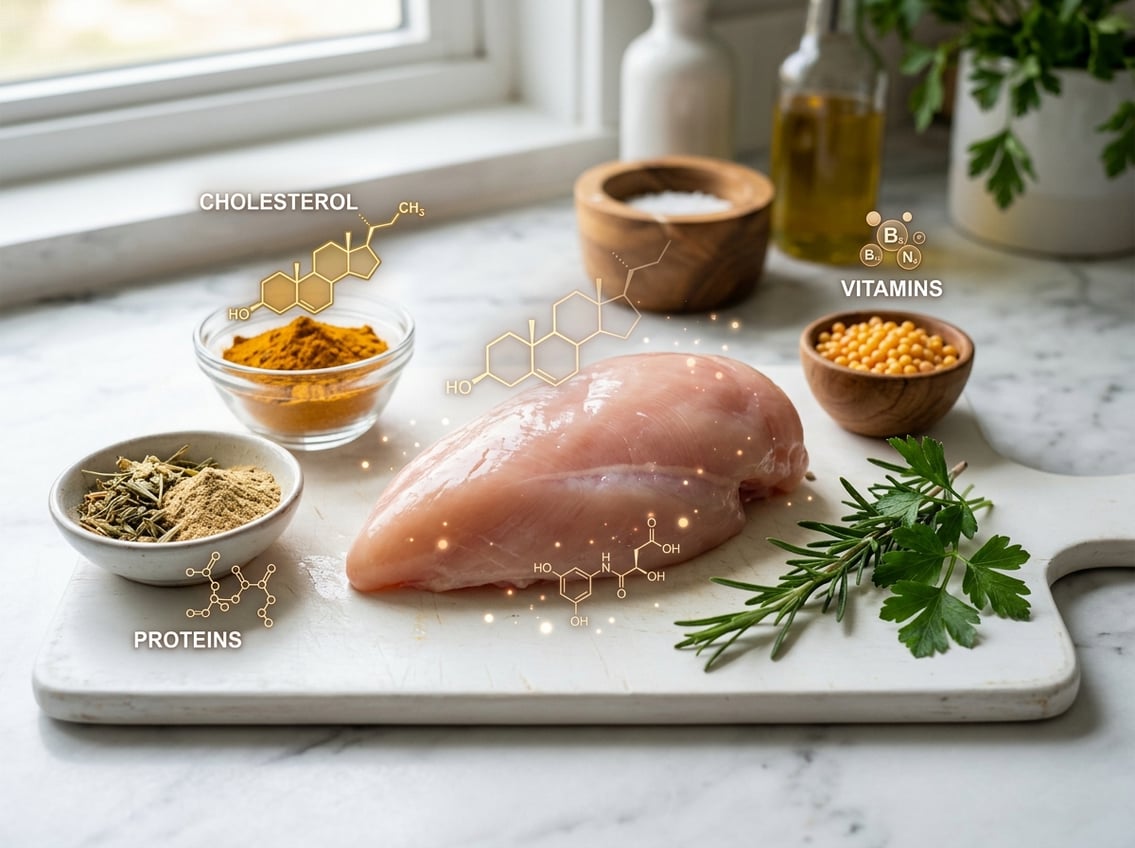
Chicken breast gives you lean protein along with several key nutrients. The cholesterol content of chicken is only one piece of the picture.
Skinless chicken breast is especially popular because it offers a high amount of protein with less fat than many other protein sources.
Cholesterol Content of Skinless Chicken Breast
Skinless chicken breast contains cholesterol, even though it is one of the leanest protein sources you can choose. A 100-gram serving usually has about 73 to 85 milligrams of cholesterol, depending on the cut and measurement method, as reported in a chicken breast cholesterol review and supported by Medical News Today.
Chicken breast is not cholesterol-free. It is simply lower in cholesterol than many darker cuts and many processed meats.
How Chicken Breast Compares With Other Protein Sources
Chicken breast offers a better pick for lean protein compared with thighs, wings, or skin-on portions. It is also often easier to fit into a heart-healthy diet than higher-fat meats.
Chicken breast stands out because it gives you a lot of protein without a large amount of saturated fat. Saturated fat tends to have a bigger effect on blood cholesterol than dietary cholesterol alone.
Nutrients Beyond Cholesterol
Chicken breast provides nutrients like niacin, selenium, vitamin B6, and phosphorus. These support energy use, immune function, and bone and nerve health.
When you eat chicken breast, you get more than protein and cholesterol. You also get nutrients that can support a balanced diet when the rest of the meal is built well.
Why Preparation Changes the Health Impact
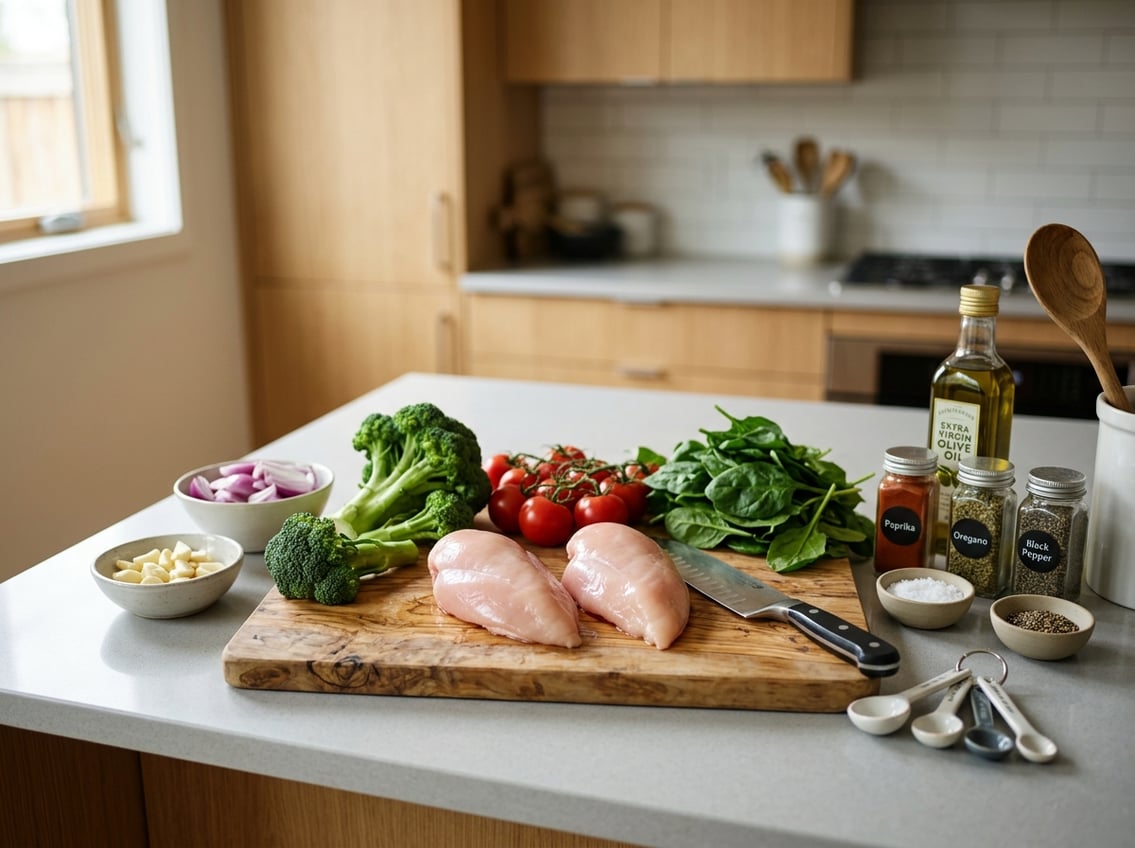
The cooking method can change how chicken breast affects your diet. Skin, added fat, and breading can raise saturated fat and trans fat intake, which can matter more for cholesterol levels than the chicken itself.
Skin, Saturated Fat, and Trans Fat
The skin on chicken adds more fat and calories. Skinless chicken breast is the better choice if you are watching cholesterol.
Saturated fat can push LDL cholesterol higher. Trans fat is even less favorable for heart health.
If you cook chicken with lots of butter, heavy breading, or fried coatings, the meal becomes less heart-friendly.
Grilling, Baking, Poaching, and Steaming
Healthy cooking methods keep the chicken breast lean and simple. Grilling, baking, poaching, and steaming are healthier cooking methods because they do not require much added fat.
A small amount of olive oil can be fine when you roast or sauté chicken, especially if you keep portions modest. Dry rubs, herbs, citrus, garlic, and spices can add flavor without changing the cholesterol in chicken much.
Why Frying Can Be the Bigger Issue
Frying can raise the health impact quickly. Frying adds oil, and the type of oil, temperature, and breading all matter.
An analysis of cholesterol levels in chicken shows that the preparation method can change the nutritional profile of the same cut. Fried chicken often brings more saturated fat and calories than grilled or baked chicken breast.
How Chicken Breast Fits Into Cholesterol Management
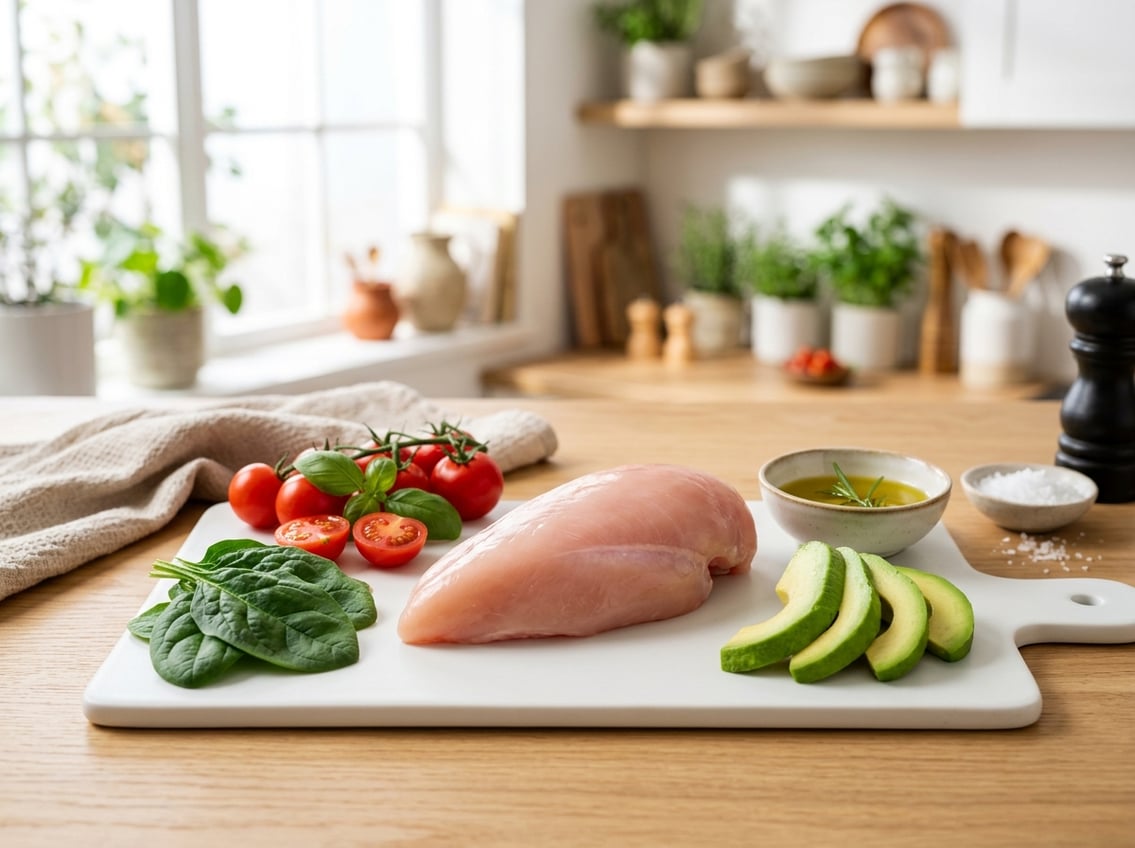
Chicken breast can fit well into a heart-healthy diet when you keep portions reasonable. Build the rest of the meal around plants and whole grains.
You should also pay attention to your cholesterol levels, not just the cholesterol content of a single food.
LDL Cholesterol vs. HDL Cholesterol
LDL cholesterol is the type linked to plaque buildup in arteries. HDL cholesterol helps move cholesterol out of the bloodstream.
Dietary choices that lower saturated fat and trans fat can help support healthier cholesterol levels. Chicken breast fits into that plan when it replaces fattier meats instead of being added on top of them.
Portion Size and Meal Balance
Portion size matters more than many people think. A reasonable serving of chicken breast paired with vegetables and whole grains usually fits better than a large plate of meat with little else.
Try to build meals around:
- vegetables
- whole grains
- beans or other plant proteins
- modest portions of chicken breast
Nutrition labels can help when you buy prepared chicken, because sodium, breading, and added fats can vary a lot.
When to Be More Cautious
You should be more careful if you already have high cholesterol, a strong family history of heart disease, or familial hypercholesterolemia.
In those cases, you and your clinician should include even lean meats as part of your plan.
If your LDL cholesterol stays high, your doctor may recommend changes to your diet or activity, or prescribe medication.
You can still include chicken breast in your diet, but your other food choices matter just as much.


