
What Is the Purpose of Chicken Breast in a Healthy Diet
Chicken breast gives you a high-protein, low-fat food that works well for many meals. It helps you meet your protein needs without adding much saturated fat or extra calories.
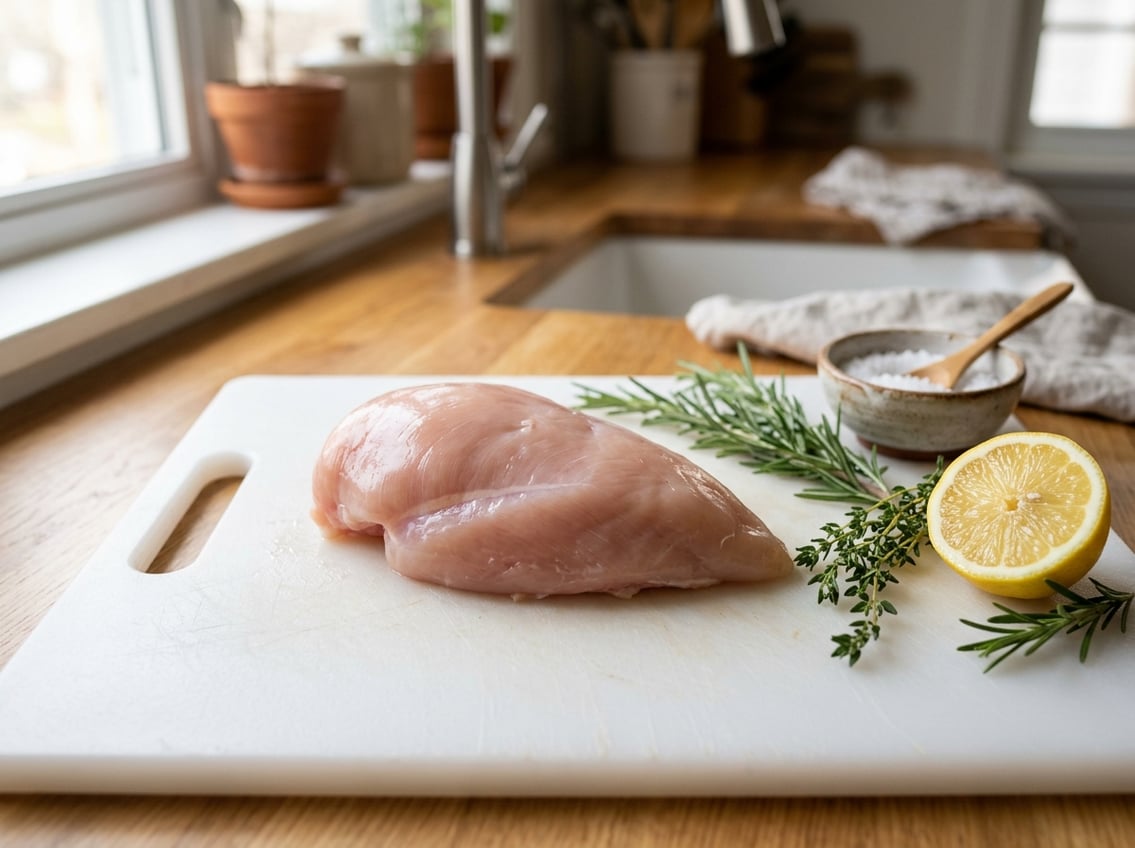
The breast area of the bird provides the mild, adaptable white meat that is easy to portion. Chicken breast gives you lean protein that supports muscle repair and practical meal planning.
You get useful nutrition with relatively few calories, especially when you choose skinless chicken breast and use lighter cooking methods. That is why it shows up so often in healthy lunches and meal prep.
Why People Choose Chicken Breast
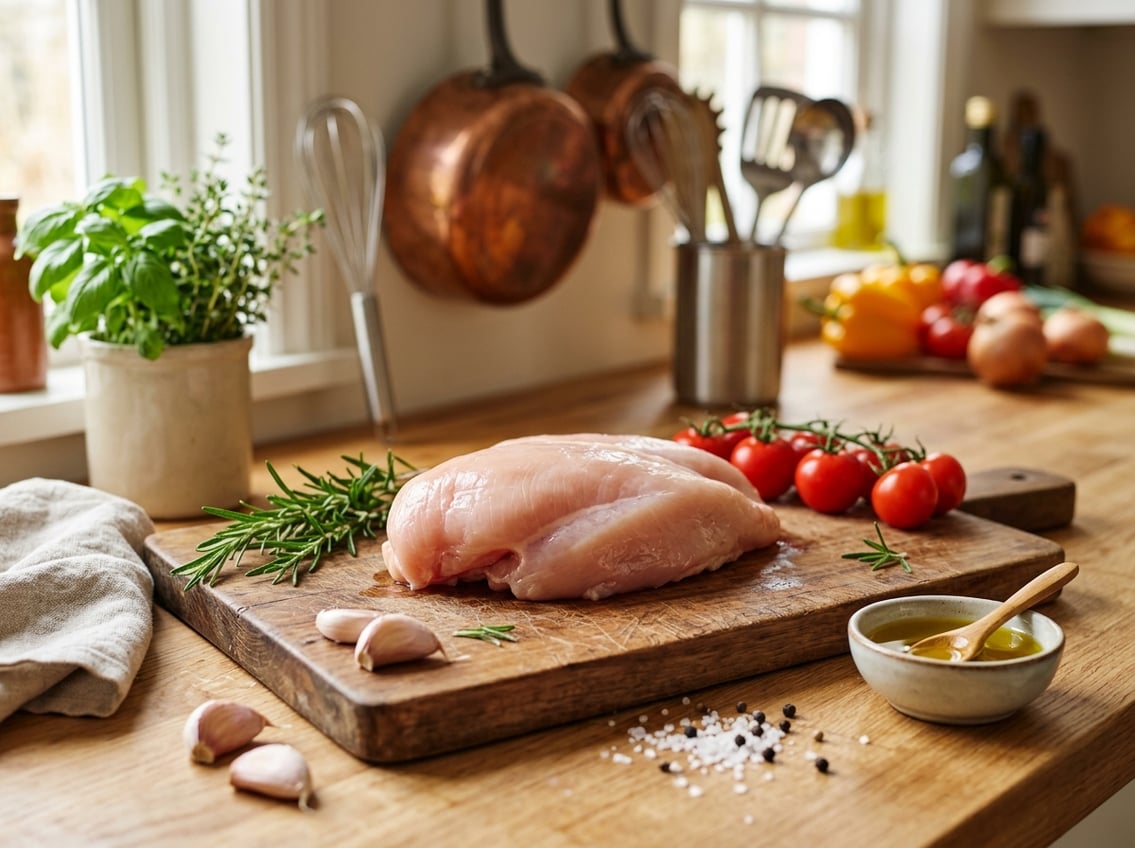
People choose chicken breast because it provides lean protein in a form that fits many eating styles. It works for simple dinners, fitness-focused meal plans, and a heart-healthy diet when you keep preparation light.
Its Role as a Lean Everyday Protein
Chicken breast serves as a standard choice when you want white meat that is easy to cook and easy to pair with vegetables or grains. A lean protein like this helps you build satisfying meals.
According to MasterClass’s chicken breast nutrition guide, a raw boneless skinless serving is low in fat and high in protein. That mix makes it useful for lunch boxes, post-workout meals, and family dinners.
How It Supports Weight Management
Chicken breast helps with weight management because it provides a lot of protein for a modest calorie count. Protein can help you feel full after a meal, which may make it easier to stay on track with your portions.
Choosing skinless chicken breast removes most of the fat that sits in the skin. That keeps the meal lighter and makes it easier to plan around your daily calorie needs.
Why It Fits a Heart-Healthy Diet
Chicken breast fits a heart-healthy diet because it is naturally lower in saturated fat than many fattier meats. Baking, grilling, or poaching it keeps the meal light.
A simple preparation with herbs, spices, and vegetables helps align the meal with your health goals.
Nutrition Profile and What It Offers
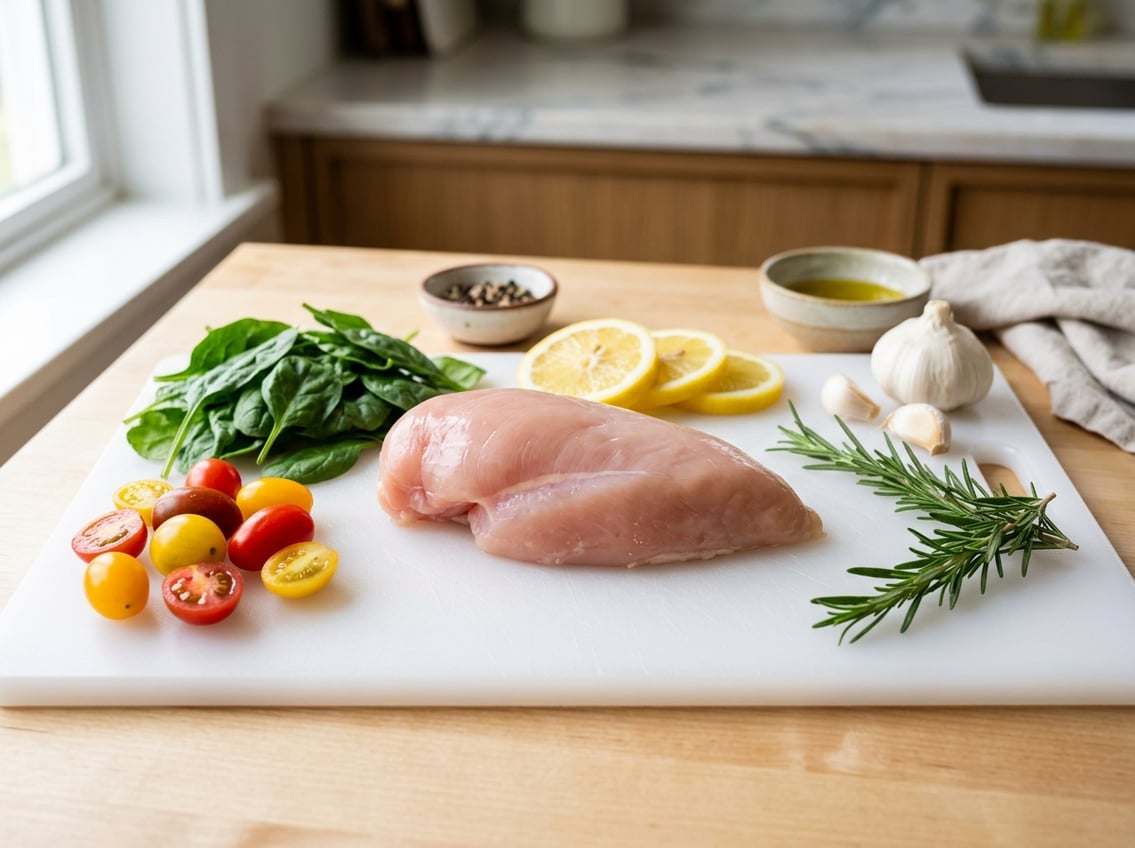
Chicken breast nutrition centers on protein, modest calories, and very little fat when you remove the skin. It also gives you a few important vitamins and minerals that support normal body function.
Protein, Calories, and Fat Content
A skinless chicken breast provides a lean protein source. The USDA data cited by MasterClass shows a 4-ounce serving of raw boneless skinless chicken breast has about 110 calories, 26 grams of protein, and about 1 gram of fat.
This makes it useful when you want a filling meal without a lot of extra calories.
Vitamin B6, Zinc, and Pantothenic Acid
Chicken breast provides nutrients such as vitamin B6, zinc, and pantothenic acid, which help your body use energy and support normal cell function. Chicken breast gives you a practical protein base while also contributing useful micronutrients.
Skinless vs Skin-On Chicken Breast
Skinless chicken breast is usually the better choice if you want a leaner meal. The skin carries much of the fat, so leaving it on raises the calorie and saturated fat content.
Skin-on chicken breast can still fit into your diet if you account for the extra fat and calories. It works better in richer dishes or when you want more flavor and moisture.
How Cooking Method Changes Its Purpose
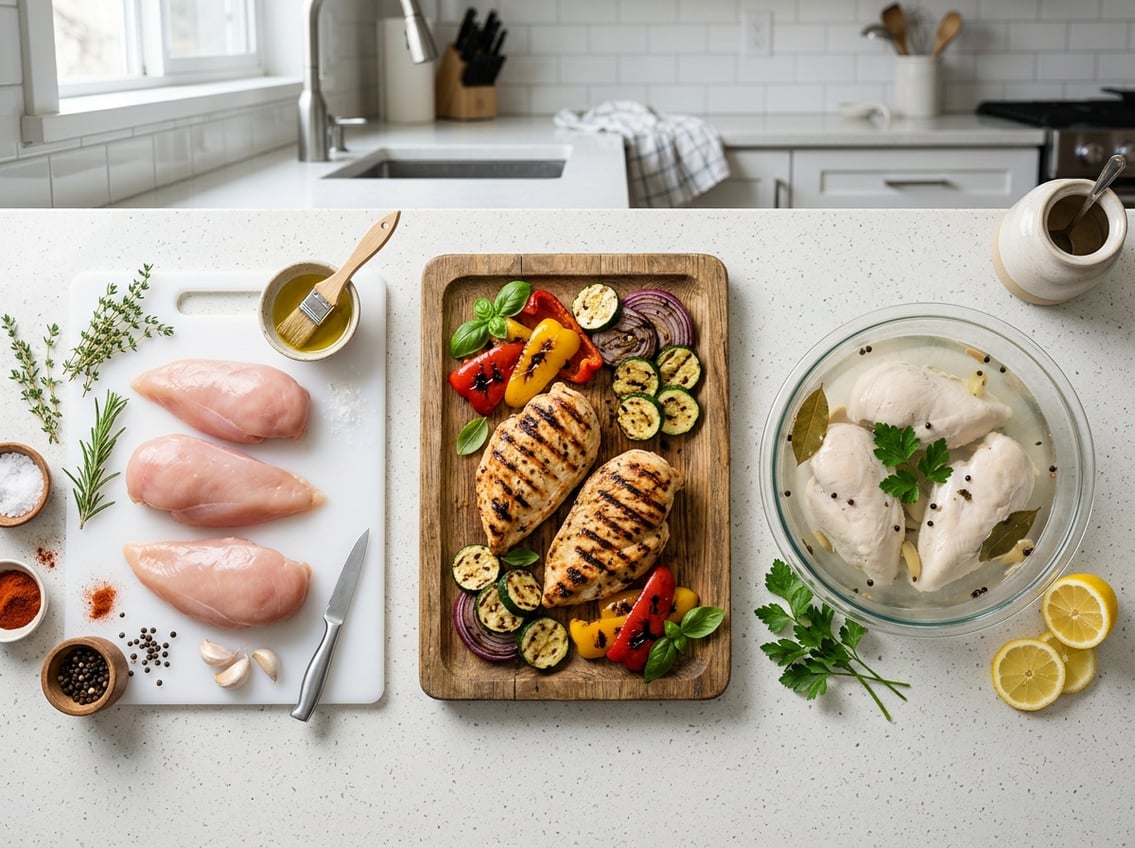
How you cook chicken breast changes its purpose. A careful method keeps it moist and lean, while richer methods add more fat, breading, or sauce.
How to Cook Chicken Breast Without Drying It Out
Use even heat and proper timing to avoid overcooking chicken breast. Marinating can help it stay juicy, and resting it after cooking keeps the texture tender.
For moisture and food safety, cook until the center reaches 165°F. If you use skinless chicken breast, gentle heat matters even more because it has less fat to protect the meat.
Grilling Chicken Breast and Other Lighter Methods
Grilling, baking, roasting, and poaching all keep the dish relatively light. Grilled chicken gives you strong flavor without adding much fat, especially if you use a simple marinade.
According to EatingWell, poaching is a gentle method that can keep chicken moist and shreddable. That makes it a smart choice when you want a mild, lean protein for salads, wraps, or soups.
When Fried Chicken and Richer Recipes Change the Nutrition
Fried chicken adds calories and fat through breading and oil. Skin-on chicken breast also becomes richer because the skin adds more fat than the meat alone.
Dishes like fried chicken or heavy cream sauces are no longer the lean everyday option many people want. If your goal is health, use those recipes as occasional meals.
Best Uses in Everyday Meals
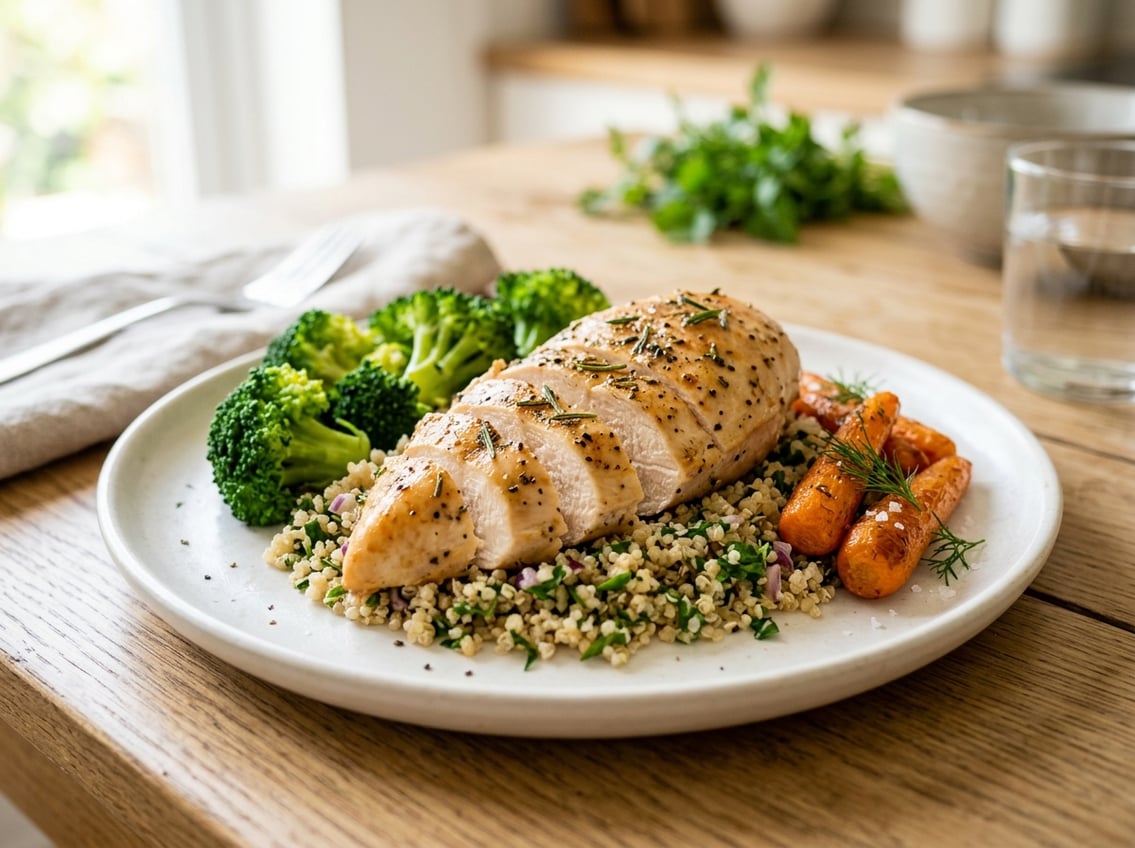
Chicken breast works well because you can turn it into fast meals, comfort food, or make-ahead dishes. It adapts to many recipes, from simple grilled plates to more structured entrées.
Quick Meals Like Chicken Tacos and Chicken Salad
Chicken tacos and chicken salad work when you want a fast meal that still feels complete. Shredded or chopped chicken breast mixes well with vegetables, herbs, and light sauces.
A meal like grilled chicken in tacos or a chilled chicken salad gives you protein without much effort.
Comfort Dishes Like Chicken Parmesan and Chicken Piccata
Chicken parmesan and chicken piccata show how chicken breast can fit richer meals. Chicken parmesan adds breading, sauce, and cheese, while chicken piccata uses a bright, flavorful pan sauce.
You can use chicken breast as the base, then decide how rich or light the final meal should be.
Planning Ahead With Stuffed or Frozen Chicken Breast
Stuffed chicken breast gives you a more complete meal in one piece. You can fill it with vegetables, cheese, or herbs, and still enjoy a strong protein center.
Frozen chicken breast helps you plan ahead because it keeps well. You can use it for grilled chicken, soups, skillet meals, or baked dishes when you need a simple protein option.


