
What Makes Chicken Breast Tough and Chewy? Key Causes
Chicken breast turns tough and chewy when heat, moisture, or meat quality goes wrong. In most cases, overcooking, uneven cooking, or a natural texture issue in the meat itself causes the problem.
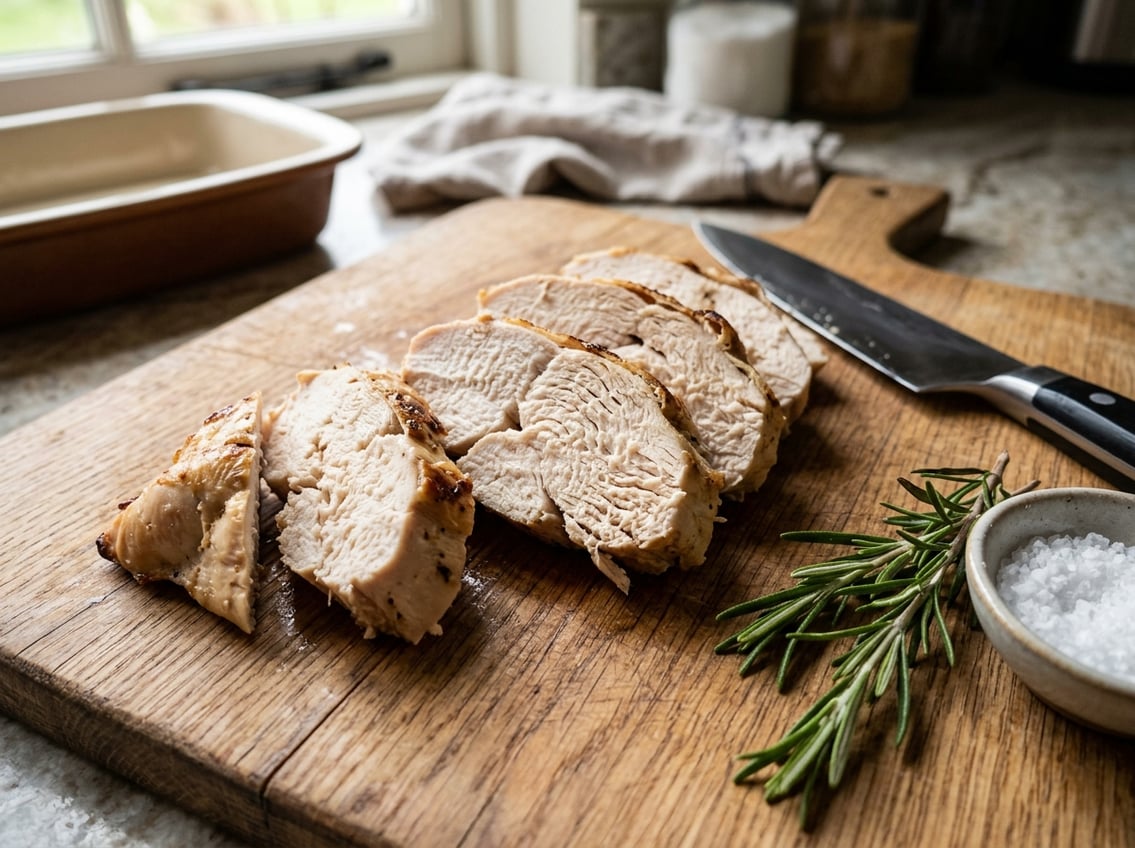
When cooked well, chicken breast texture is usually mild, firm, and juicy. If it turns rubbery, dry, or stringy, the meat gives you a clue about what went wrong.
The good news is that chewy chicken is often preventable. Many texture problems are easy to correct.
The Main Reasons Texture Turns Dense and Rubbery
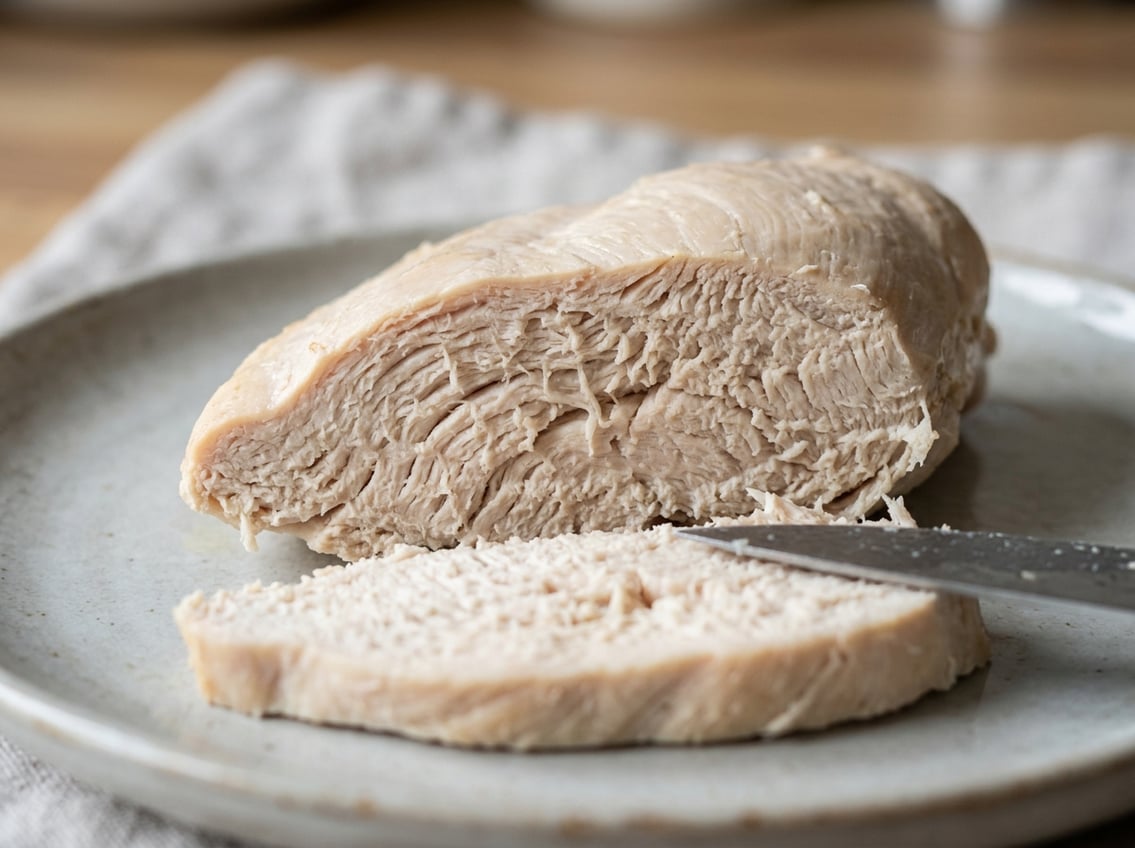
Heat mistakes and moisture loss most often cause chewy chicken. Sometimes, a condition like woody breast or another meat quality problem affects texture before cooking even begins.
Overcooking and Moisture Loss
Overcooking dries out chicken and makes it tough. When the meat stays on heat too long, the proteins tighten and push out moisture, leaving you with chewy chicken breast instead of a tender result.
Chicken breast is lean, so it has less fat to protect it. Just a few extra minutes can move it from juicy to tough very quickly.
Undercooked Centers and Uneven Protein Setting
If you undercook chicken, it can feel rubbery, especially when the outside cooks much faster than the center. This often happens when the chicken breast is thick on one end and thin on the other.
High heat can cause the outside to set early while the inside stays undercooked. That leaves a chewy outer layer and a soft or raw center.
Woody Breast and Other Meat Quality Problems
Woody breast is a real meat quality issue that makes chicken breast feel hard, stringy, or woody before cooking even starts. This is not the same as overcooking.
Age, breed, handling, and storage also affect texture. Sometimes, tough chicken breast starts with the meat, not the pan.
Cooking Method and Heat Level Mistakes
High heat can brown the outside fast and dry out the inside. Slow, even cooking usually gives you a better chance at a tender, juicy result.
Poor timing matters as well. If you skip resting, slice too soon, or use a method that cooks unevenly, the meat can lose juices and feel chewy even when fully cooked.
How to Tell What Went Wrong
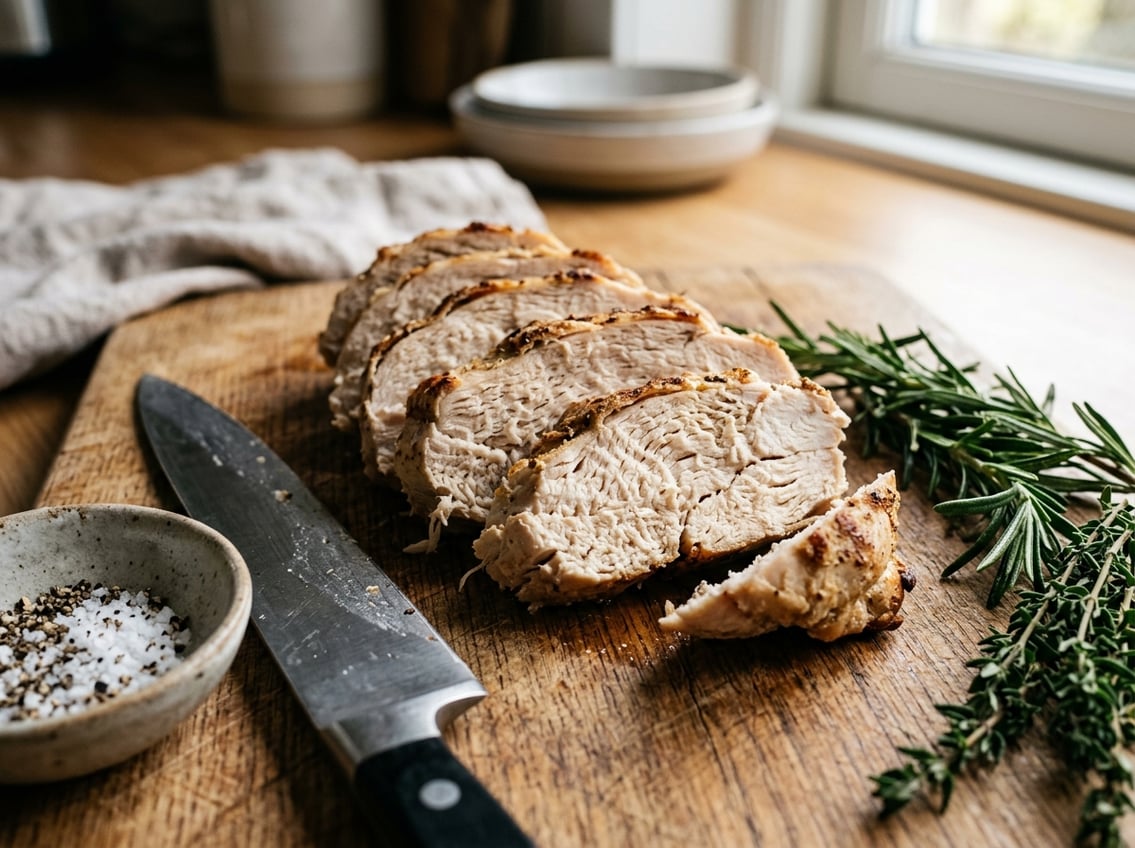
You can often tell the cause by checking texture, color, and moisture level. A meat thermometer gives you the best answer, since chicken breast can look done before it actually is.
Texture and Visual Clues to Check First
Dry, stringy, or tight meat usually means overcooking. If the center looks pale and feels soft or slippery, undercooking may be the problem.
Rubbery chicken feels springy and stiff instead of tender. If the slices hold together in a dense way and do not release juices, heat control or moisture loss is likely the cause.
Using a Meat Thermometer Correctly
Use a meat thermometer to check doneness. Insert it into the thickest part of the chicken breast, since that area cooks slowest.
Look for the safe internal temperature, not just the color of the meat. The thermometer helps you stop cooking at the right time.
Safe Temperature Versus Ideal Pull Time
Safe internal temperature matters for food safety. Your best texture comes from pulling the chicken before it goes much higher than needed.
If you wait far past the safe point, overcooking becomes much more likely. Cook to temperature, then let carryover heat finish the job.
How to Salvage Chicken That Is Already Chewy
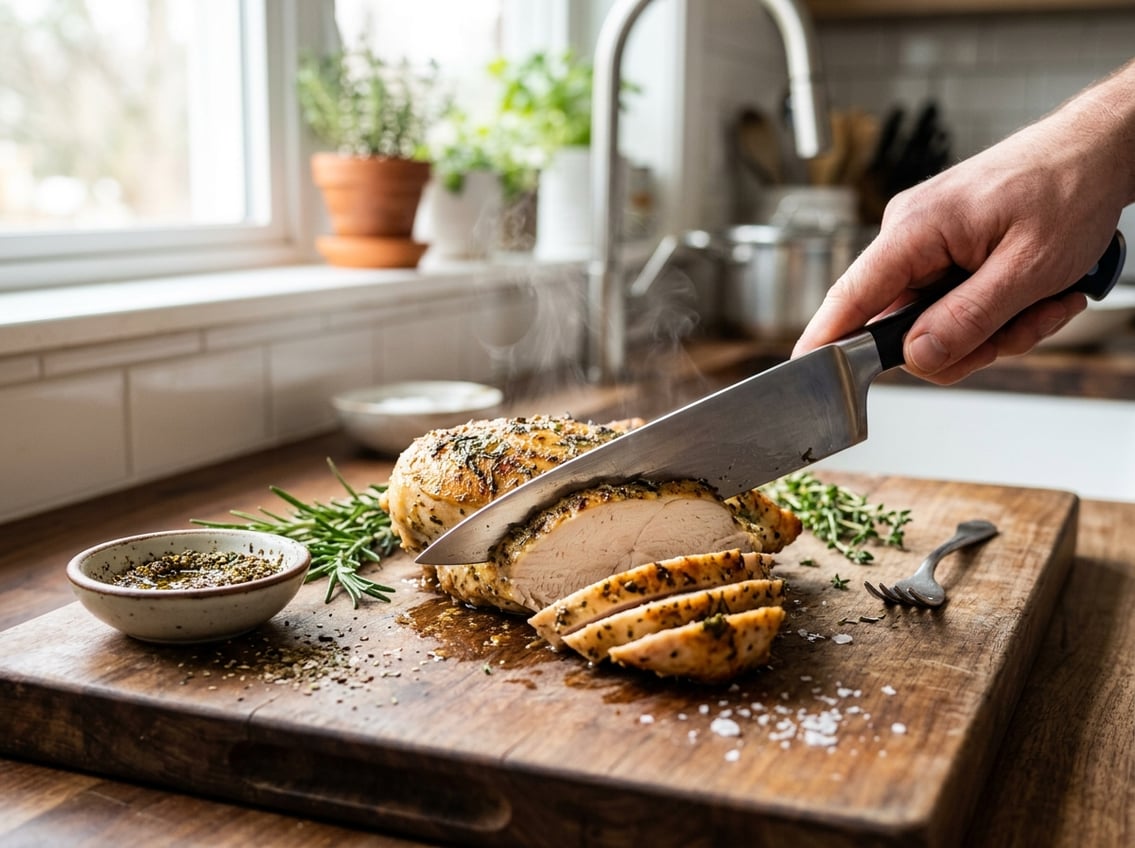
You cannot always make chewy chicken breast taste perfect, but you can still improve it by adding moisture, changing the cut, or using it in a dish that hides texture.
How to Fix Chewy Chicken After Cooking
If the chicken is dry, warm it gently in sauce, broth, or pan juices. Low heat helps the meat absorb moisture instead of drying out more.
Slice it thin and serve with a flavorful topping. This will not erase toughness, but it can make the chicken easier to eat.
When to Slice, Shred, or Sauce It
Thin slices work well when the meat is only slightly tough. Shredding helps more when the breast is dry or uneven, since small pieces mix better with sauce.
For tacos, soups, casseroles, and chicken salad, chewy chicken can still work. A rich sauce, dressing, or broth can make a big difference in the final bite.
When Texture Problems Cannot Be Fully Fixed
If the chicken breast is woody, heavily overcooked, or very dry, no fix will make it truly tender again. At that point, try to improve moisture and flavor as much as possible.
How to Keep Future Batches Tender and Juicy
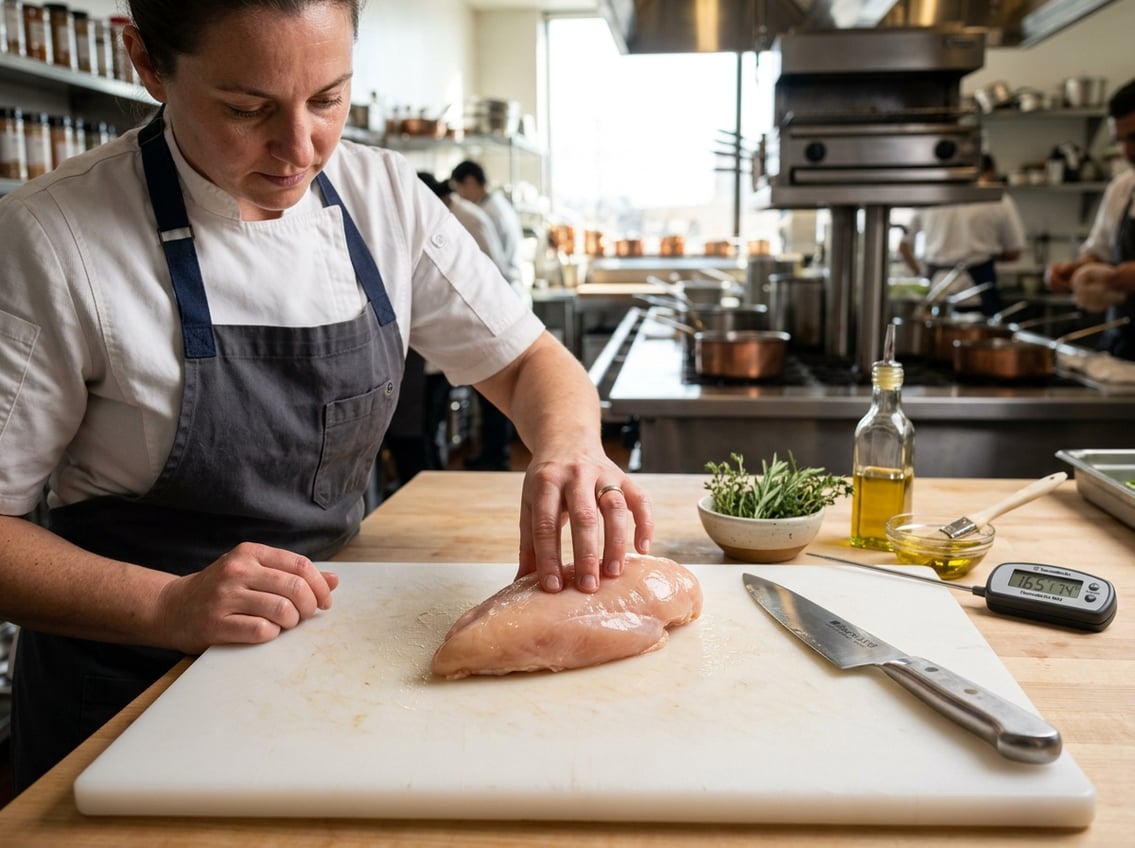
Prevent chewy chicken by making the breasts cook evenly and keeping moisture inside the meat. Small steps before cooking often matter more than complicated techniques.
Pound Chicken Breasts for Even Thickness
Pound chicken breasts so the thickest part is closer to the thinnest part. This helps the meat cook at the same rate, so the outside does not dry out before the center is done.
Even thickness is one of the simplest ways to prevent tough chicken breast. It also makes timing easier because the whole piece reaches doneness together.
Brining, Resting, and Better Timing
A short brine helps the chicken hold moisture during cooking. Resting after cooking lets juices settle back into the meat instead of running out on the cutting board.
Pull the chicken when it reaches the safe internal temperature, then let it rest before slicing. Timing is just as important as technique.
How Marinades Help Without Damaging Texture
Acidic marinades can add flavor and help the surface stay juicy, but too much acid or too much time can make the texture strange. Use them with care, especially with thin chicken breast.
Aim for flavor and moisture, not a mushy surface.
Choosing Better Chicken at the Store
Look for chicken breast that feels firm and even in shape. Avoid packages with extreme size differences, since those pieces are harder to cook evenly.
If one breast looks unusually hard, stringy, or dense before cooking, it may already have a texture issue. Choosing better raw chicken helps you cook tender and juicy chicken breast with less guesswork.


