
What Is the Best Quality Chicken Breast? Buying Guide
The best quality chicken breast depends on what you value most: taste, texture, animal care, or price. If you want the best all-around pick, choose a fresh, air-chilled chicken breast that looks clean, smells neutral, and comes from a brand or store with strong handling standards.
For most home cooking, pick a fresh, air-chilled breast with pale pink color, firm texture, and a very mild smell.
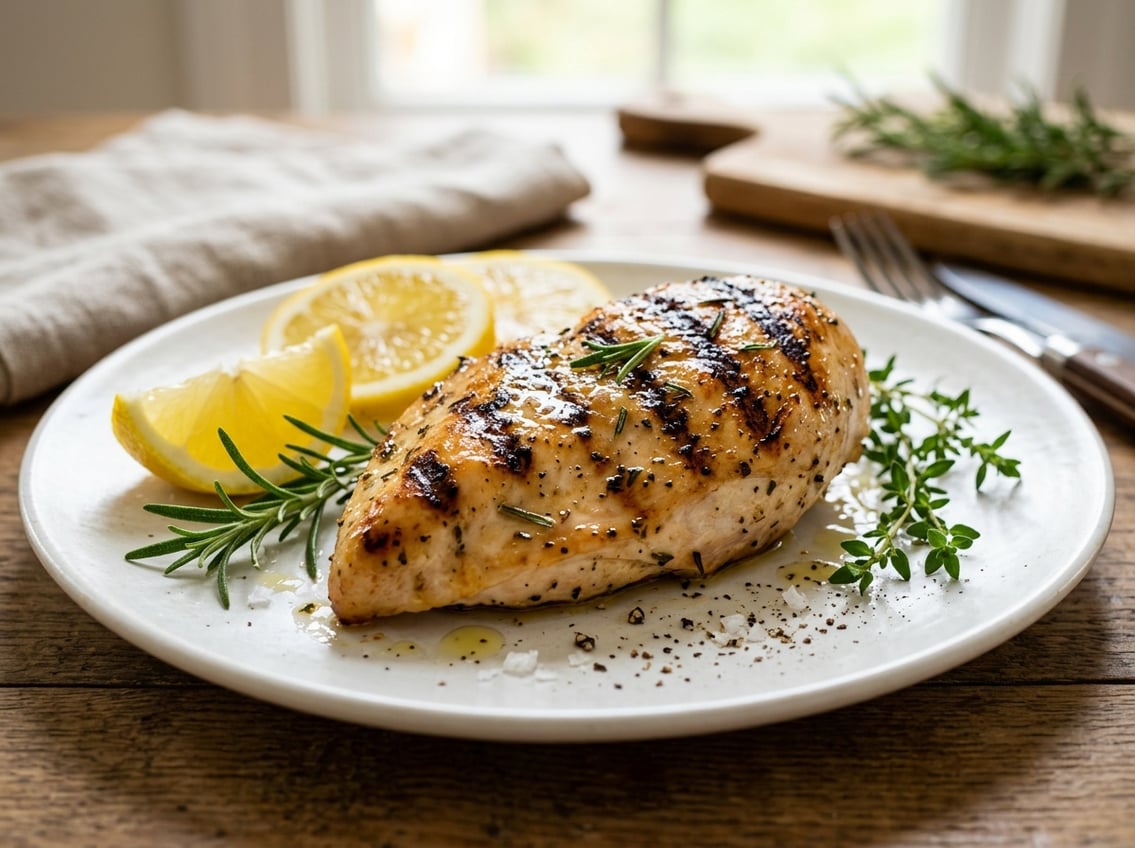
The label matters too, especially when you buy chicken in the US market. Terms like raised without antibiotics, animal welfare certified, and organic chicken breast show how the bird was raised, while air-chilled chicken often means better texture and stronger chicken flavor.
What Signals Better Quality at the Meat Case
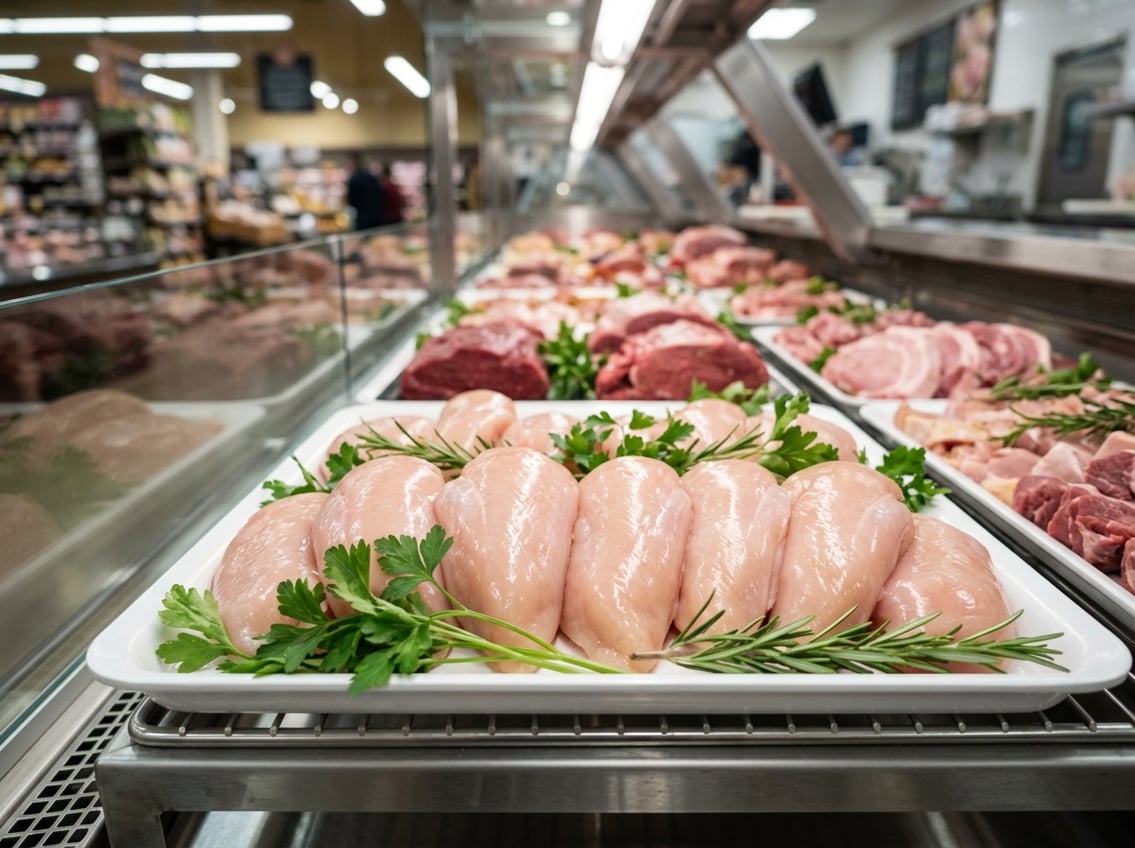
When you buy chicken, the meat case gives you several fast clues. Color, texture, smell, and the processing method matter more than marketing language on the front of the package.
Start With Color, Texture, and Smell
Fresh chicken breast should look pale pink, firm, and slightly shiny. If it looks gray, dry, bruised, or slimy, skip it.
A good chicken breast should bounce back when you press it gently. It should have a mild, clean smell.
Packaging date matters too. A farther-out sell-by date helps you judge how long the chicken has left before you need to cook it.
Why Air-Chilled Chicken Usually Tastes Better
Processors cool air-chilled chicken with cold air instead of soaking it in water. That process helps the meat avoid extra moisture, which usually means better browning and a more concentrated chicken flavor.
Water-chilled chicken may pick up more liquid during processing. That extra water can make the breast release more water in the pan, which weakens texture and flavor.
Which Labels Matter Most and Which Mean Less
The most useful labels are air-chilled chicken, raised without antibiotics, and animal welfare certified. These labels give you more useful information about processing and raising standards.
Organic chicken means the bird ate organic feed, and organic chicken breast may appeal to you for that reason. Terms like natural or free-range often sound helpful, yet they do not always tell you much about taste or care standards.
As Eat This, Not That notes, organic affects feed, while animal welfare badges focus more on living conditions.
How Raising and Processing Affect Taste and Value
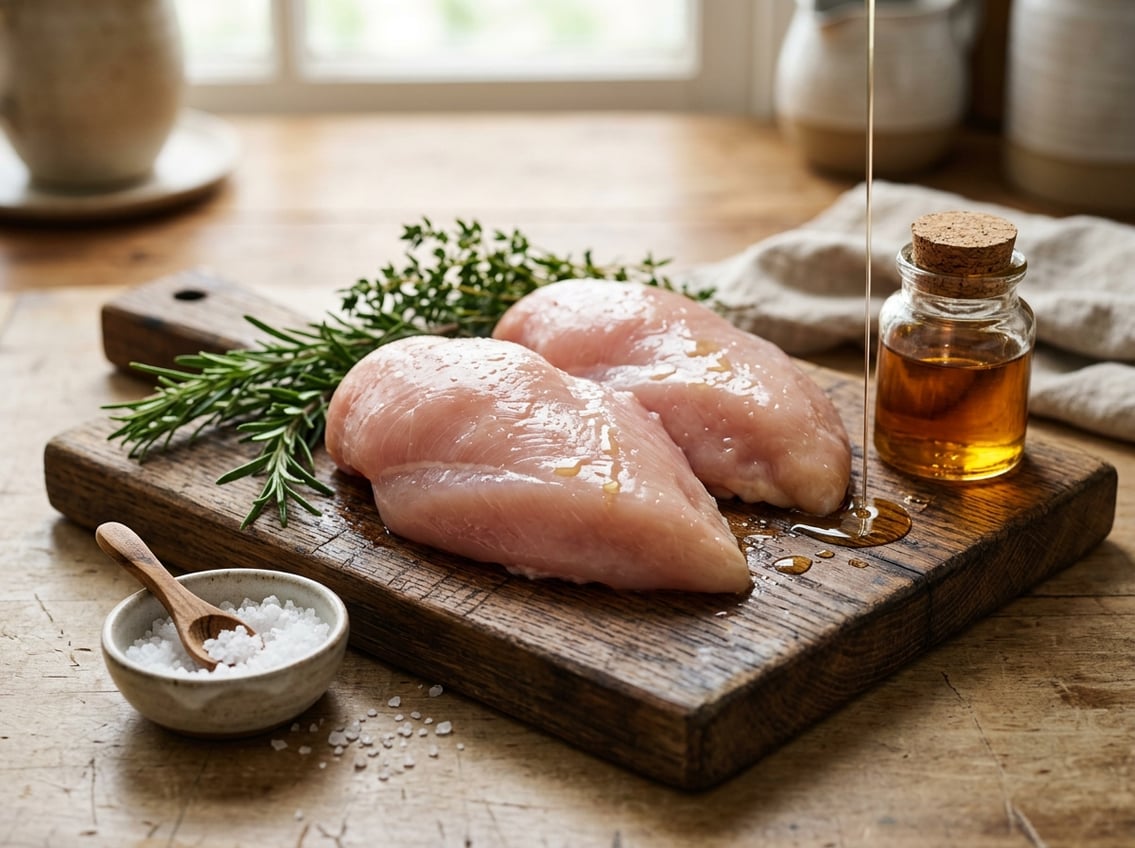
The way a bird is raised changes cost, texture, and sometimes flavor. Processing also matters, since moisture control and chilling methods affect how the meat cooks.
Organic vs Conventional
Organic chicken and organic chicken breasts usually cost more because the feed and production rules are stricter. Conventional chicken breast is usually cheaper and easier to find, which makes it a practical everyday choice.
Some people prefer the cleaner, firmer bite of organic chicken. Others notice little difference once the meat is seasoned and cooked well.
Feed, Moisture, and Texture Differences
Feed can shape the final meat quality, though it is only one part of the picture. Corn-fed chicken may have a slightly richer taste for some buyers, but handling and processing have a strong effect on the final result.
Moisture is important for breast meat because chicken breast can dry out fast. Air-chilled chicken often holds a better texture in the pan, since it is less likely to carry extra water from processing.
That can give you better browning and a firmer bite.
When Paying More Is Worth It
Pay more when you care about flavor, texture, and lower water loss during cooking. That is especially useful if you pan-sear, grill, or roast chicken breast often.
You may also find higher value in chicken that is raised without antibiotics or carries an animal welfare certified label. Those labels matter if your buying choices are driven by farming practices as much as taste.
Best Brands and Store Options
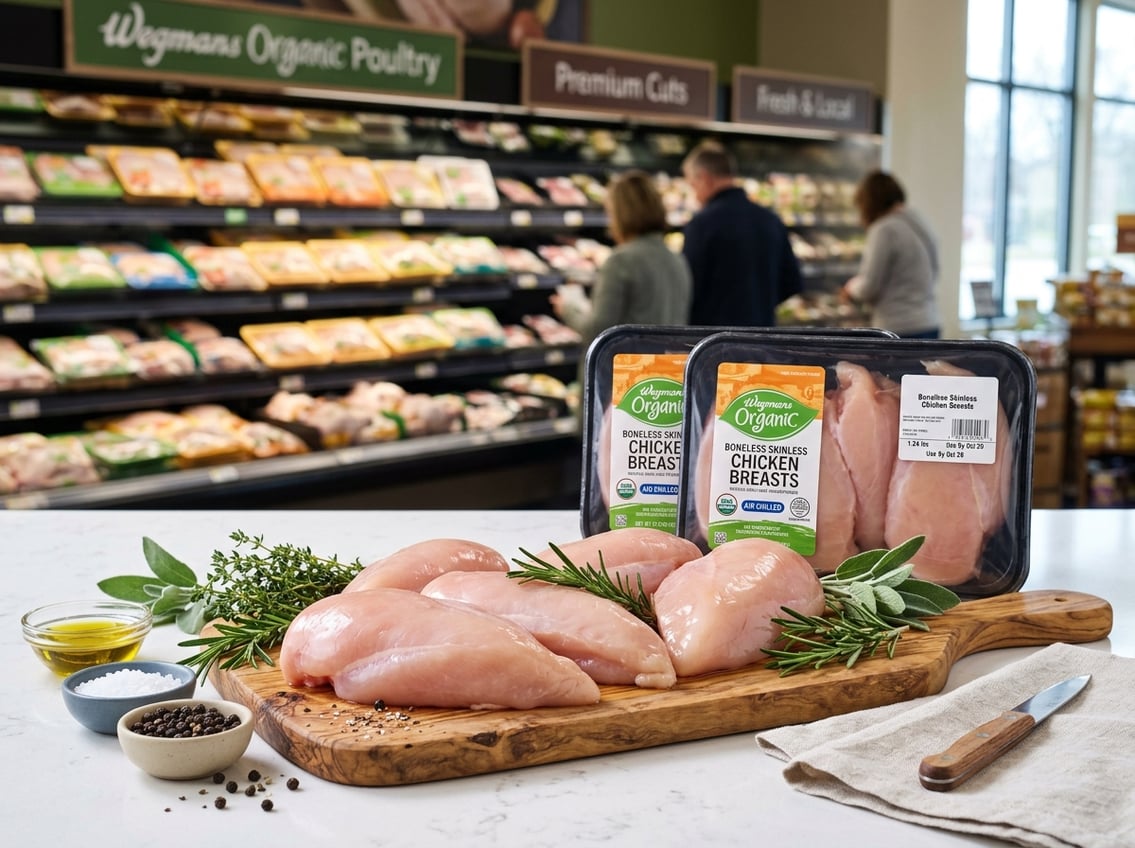
The best chicken brands for you depend on your budget, store access, and how often you cook chicken breast. In many US stores, a few names stand out for quality control, consistent texture, and dependable labeling.
Bell & Evans, Pasturebird, and Perdue
Bell & Evans chicken has a strong quality reputation and careful processing. If you want a premium organic chicken breast, this brand is a common place to start.
Pasturebird is another option when you want a more pasture-focused product. Perdue is more widely available and often easier on the budget, so it can be a smart middle-ground pick.
A recent roundup from DIY Happy also names Perdue and Bell & Evans among top choices.
Store Brands Like Kirkland Signature and Simple Truth
Store brands can be a strong value if the package shows the right details. Kirkland Signature often gives you solid bulk value, while Simple Truth may offer organic or cleaner-label options at mainstream grocery stores.
For high-quality chicken, compare the label first and the brand second. Freshness, chill method, and handling standards matter more than the logo.
When Rotisserie Chicken Is the Better Buy
Rotisserie chicken offers convenience and lower prep time.
It works well for quick lunches and shredded chicken dishes.
You can also use it for meal planning.
If you want the best chicken breast for cooking from raw, a fresh package gives you more control.
If you need speed and value, a well-made rotisserie chicken may suit your meal right now.


