
Where Is Chicken Breast Located? Anatomy and Cuts
You can find chicken breast on the front chest of a whole chicken. It sits on both sides of the breastbone and forms the largest white meat section on the bird.
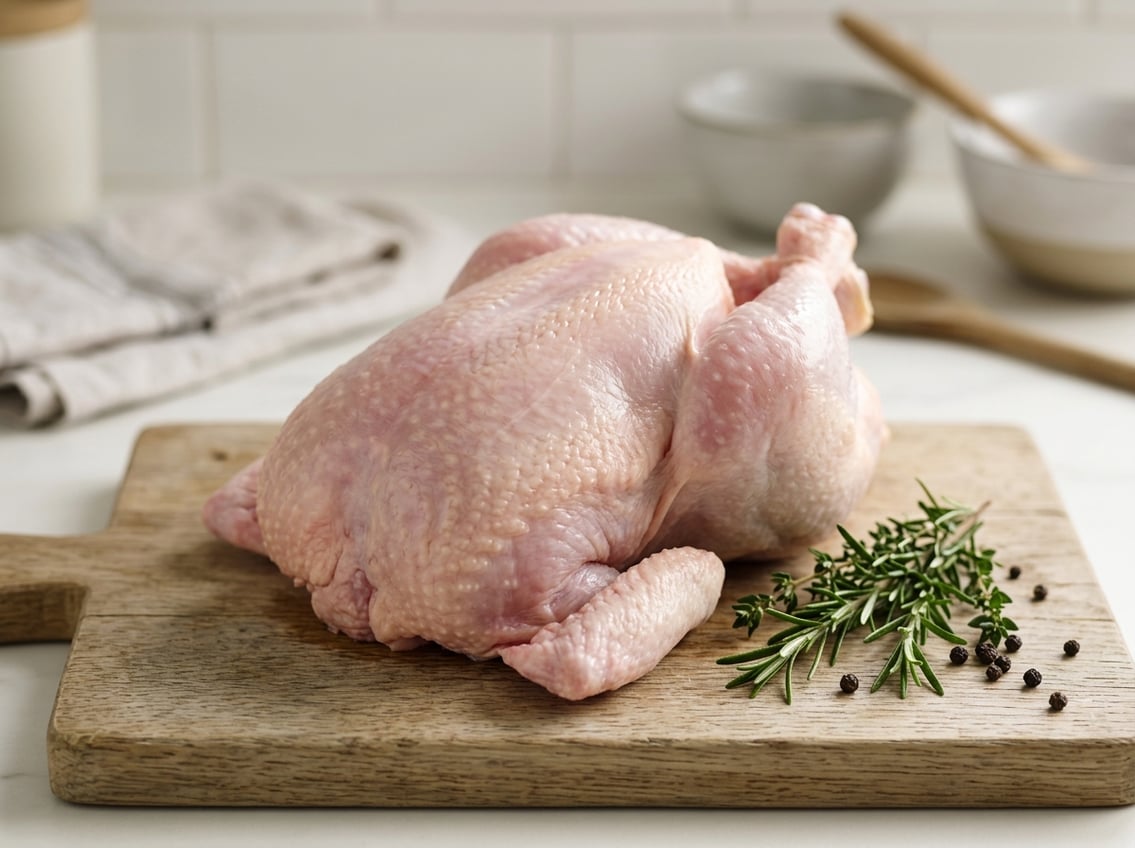
If you know the front chest area, the breastbone, and the wing joints, you can identify the chicken breast quickly on a whole chicken or in the meat case.
That helps you choose the right cut, trim it correctly, and cook it with less guesswork.
Chicken breast is one of the most common parts of a chicken, but it is easy to confuse with nearby cuts.
A clear look at chicken anatomy helps you tell the breast apart from the tenderloin, rib cage, and other parts of a chicken.
How to Identify the Breast on the Bird
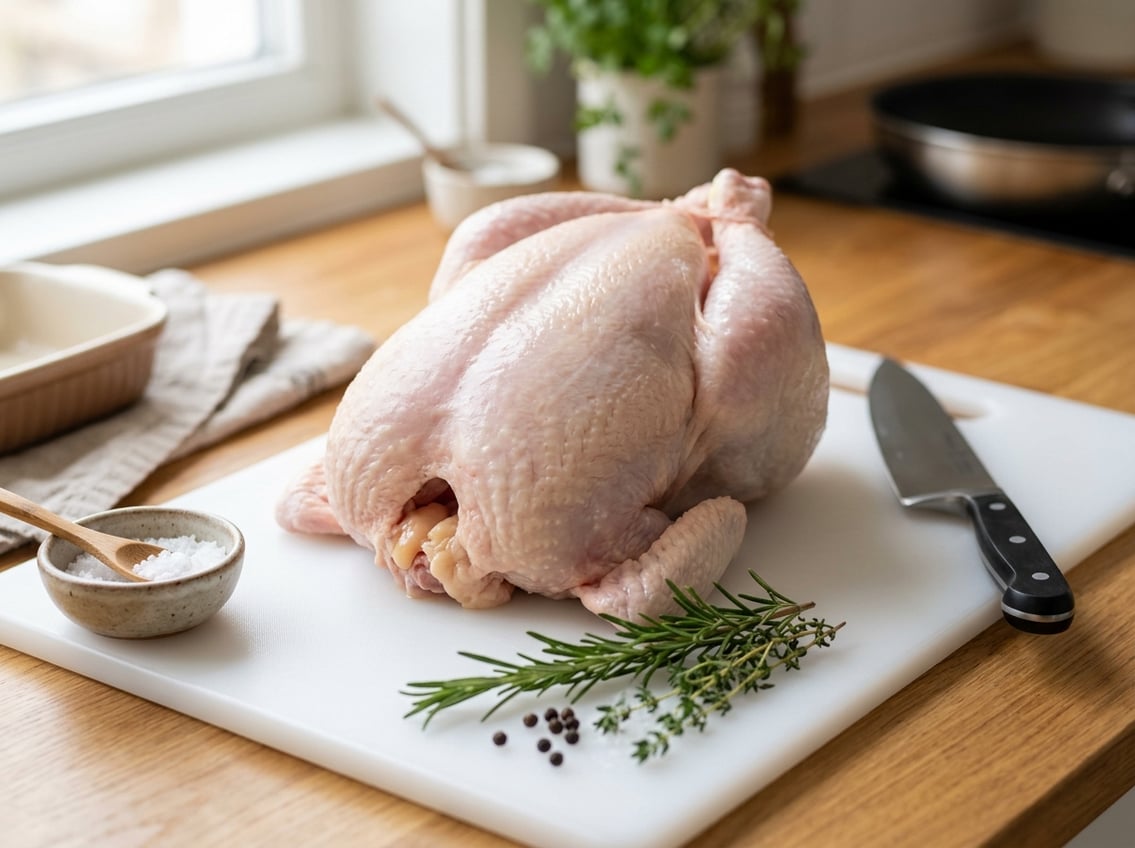
The breast sits on the front of the bird, centered over the chest.
On a whole chicken, it is the broad, rounded white meat area between the neck and the legs.
Look for the thickest meat on the front of the chicken skeleton.
The breast lies above the rib cage and skin covers it on an intact bird.
The Front Chest Area and White Meat Section
The breast is the main white meat section of the bird.
It sits in the front chest area, where large pectoral muscles are found under the skin.
When you are locating the chicken breast, start with the broadest part of the bird.
It is usually the smooth, meaty area that rises on both sides of the center line.
Key Landmarks: Breastbone, Keel Bone, and Wishbone
The breastbone, or sternum, runs down the center of the chest.
The keel bone is the raised ridge of that breastbone, and you can feel it easily on a whole chicken.
The wishbone sits near the neck end of the breast.
These bones help you find the split between the two breast sides.
A poultry diagram from Cook Answers on chicken breast location and cuts shows the breast on both sides of the breastbone, with the keel bone down the middle.
How the Breast Connects to the Wings, Neck, and Rib Cage
The breast connects close to the wings, neck, and rib cage.
The wing joints mark the outer edges, while the neck end is the narrower top area near the wishbone.
If you cut into a whole chicken, you see that the breast meat rests over the ribs and chest bones.
A breast quarter may include some back or rib cage meat, depending on how you cut the bird.
What the Breast Is Made Of
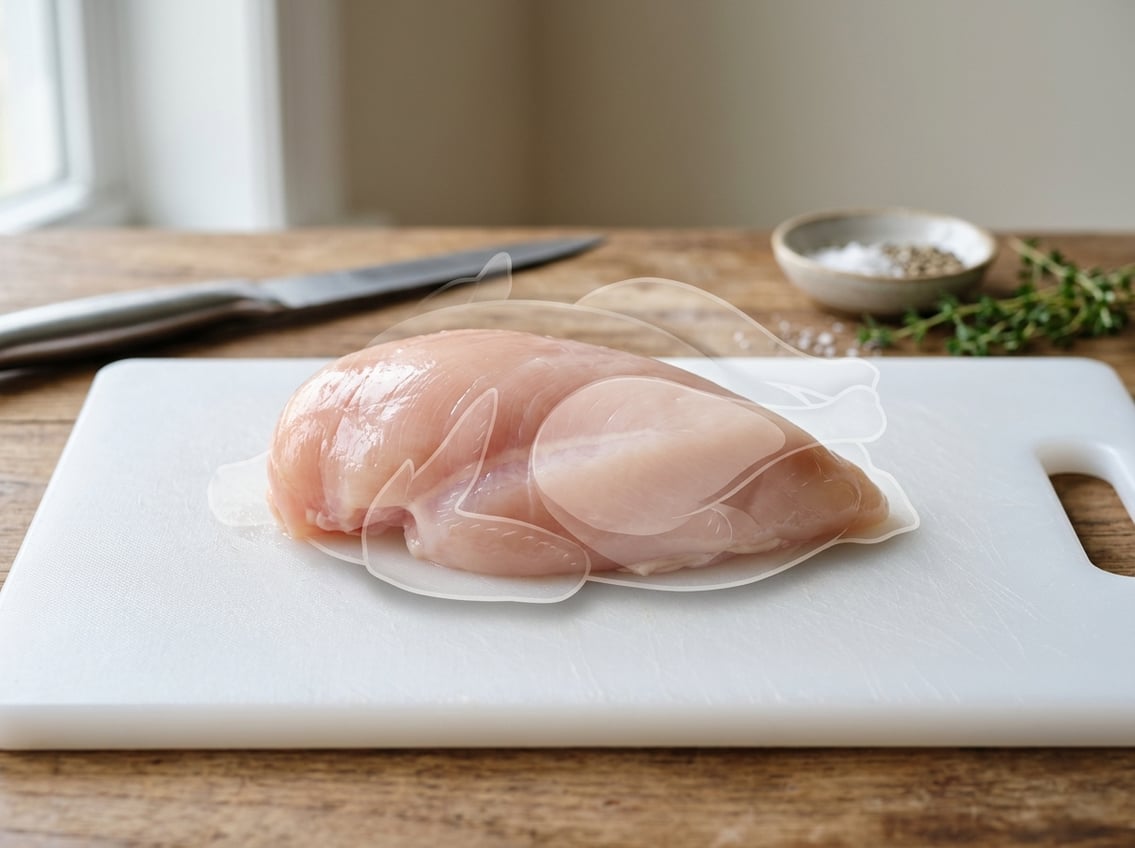
Two pectoral muscles make up most of the chicken breast.
The larger outer muscle gives you most of the breast meat, while the smaller inner muscle is often sold as the tenderloin.
This is the leanest and mildest part of the bird.
Skinless chicken breast is common in meal prep and home cooking.
Pectoralis Major and Pectoralis Minor
The pectoralis major is the large muscle that forms most of the breast.
The pectoralis minor sits underneath it and is smaller and narrower.
The visible breast meat comes mostly from the larger outer muscle.
Tenderloin and Other Inner Breast Structures
The tenderloin is the inner strip of meat attached to the breast.
It sits close to the keel bone and is easy to remove during trimming.
On a skinless chicken breast, you may still see this smaller piece attached.
Some packages leave it on, while others remove it and sell it separately.
Why Breast Meat Is Considered Lean Protein
Chicken breast is known as lean protein because it has less fat than many other cuts.
Skinless chicken breast is especially low in fat compared with dark meat cuts.
That lean profile makes it a common choice when you want a lighter meal.
It also means the meat can dry out faster if you overcook it, so timing matters.
Common Breast Cuts and Store Labels
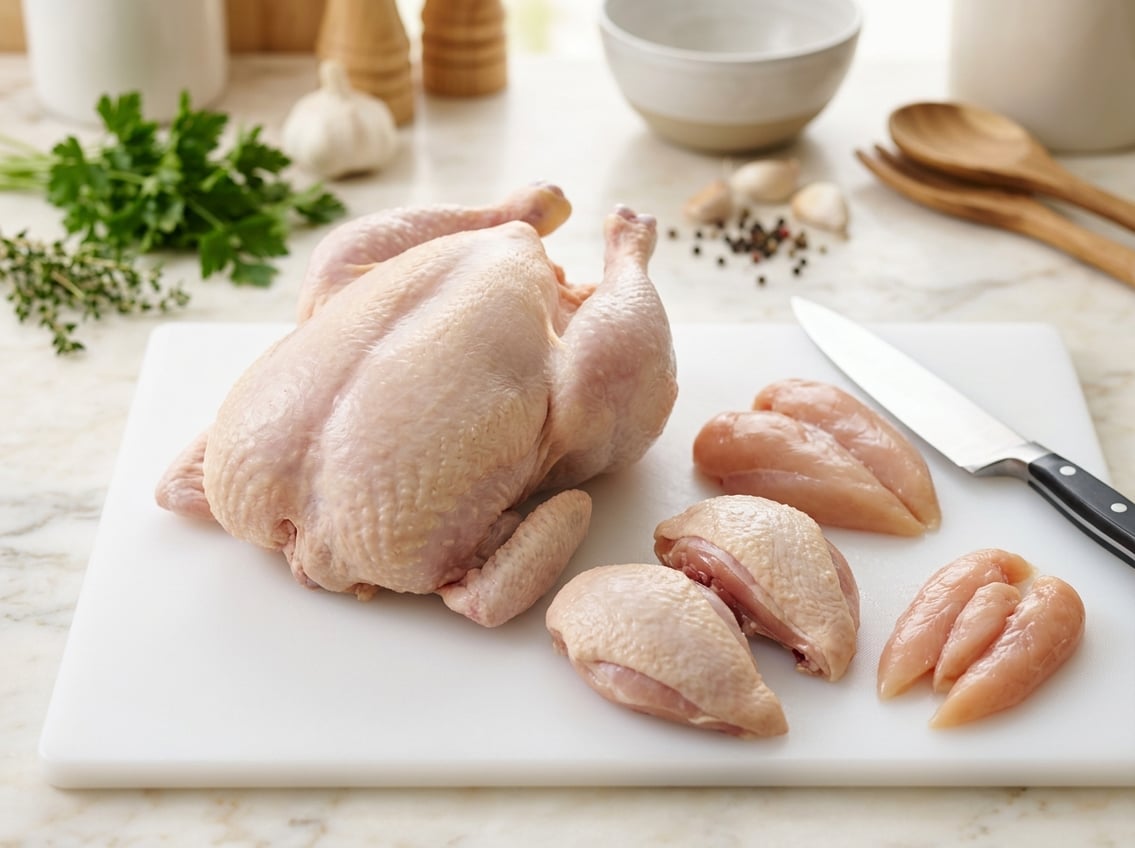
Store labels change based on how much bone, skin, and rib structure remain.
In the meat display case, you may see chicken parts labeled in ways that look similar even when the cuts are different.
The main differences are bone-in versus boneless, and whole versus split.
Knowing the label helps you choose the cut that fits your recipe.
Whole Breast, Split Breast, and Breast With Ribs
A whole breast is the intact breast removed from the bird.
A split breast is the whole breast cut into two halves, usually along the center line.
Breast with ribs keeps part of the rib cage attached.
That can add flavor during roasting, but it also means more trimming if you want only meat.
Boneless Breast, Breast Fillet, and Skinless Options
Boneless breast means the bones have been removed, and the skin may still be attached.
Skinless chicken breast means the skin has been removed, with or without bones depending on the label.
A breast fillet often refers to a boneless breast portion or a smaller trimmed piece.
Some stores also use the term for the tenderloin or a carefully trimmed inner piece.
Breast Quarter Compared With Leg and Wing Cuts
A breast quarter usually includes part of the breast with the wing and back attached.
That makes it different from a plain breast cut and closer to a mixed chicken part.
Leg cuts like thigh, drumstick, leg quarter, and whole leg come from the darker meat side.
Whole wing, drumette, and wing flat are wing sections, while the back is often saved for stock.
Broilers and heavy broilers are common market birds, while turkeys are larger poultry with different breast proportions.
Handling and Cooking It Correctly

When you remove the breast from a whole chicken, work on a stable cutting board with a sharp knife or kitchen shears.
Cut along the breastbone, then follow the rib cage to lift the meat away cleanly.
Keep raw poultry separate from other foods to prevent cross-contamination.
Campylobacter and other harmful bacteria can spread from raw chicken juice to counters, tools, and hands.
How to Remove the Breast From a Whole Chicken
Set the chicken on its back and find the center line of the breastbone.
Use a sharp knife to cut along one side of the breastbone, then slide the blade along the ribs to free the meat.
Kitchen shears help if the bird is firm or if you need to cut through small bones.
If you want boneless meat, remove the breast meat from the bones after the main cut is free.
Food Safety, Cross-Contamination, and Raw Poultry Risks
Keep raw poultry cold until you are ready to cut or cook it.
Wash your hands, knives, and cutting board after handling chicken, and keep raw meat away from ready-to-eat foods.
Campylobacter is one of the main bacteria linked to raw chicken.
Proper handling lowers the risk, and thorough cooking makes chicken breast safe to eat.
Best Uses for Grilled, Roasted, and Poached Breast Meat
Grilled chicken breast gives you a browned outside and a firm, sliceable texture.
Roasted breast lets you cook the chicken evenly in the oven, especially when you roast a whole bird.
Poached breast stays gentle and moist. This makes it a good choice for salads, sandwiches, and shredded chicken.
You can use leftover breast meat in chicken stock with the gizzard, back, and other trimmed parts from a whole bird.


