
How to Find Chicken Breast Near You and Online
Finding chicken breast is easier when you know where to look, what to compare, and which labels matter.
You can shop at local stores, use delivery apps, or buy from online meat sellers. Narrow your choice by cut, price, and freshness.
If you want quick dinner prep, boneless, skinless packs make sense.
If you want more value, larger packs or whole birds may work better.
Best Places to Buy Chicken Breast
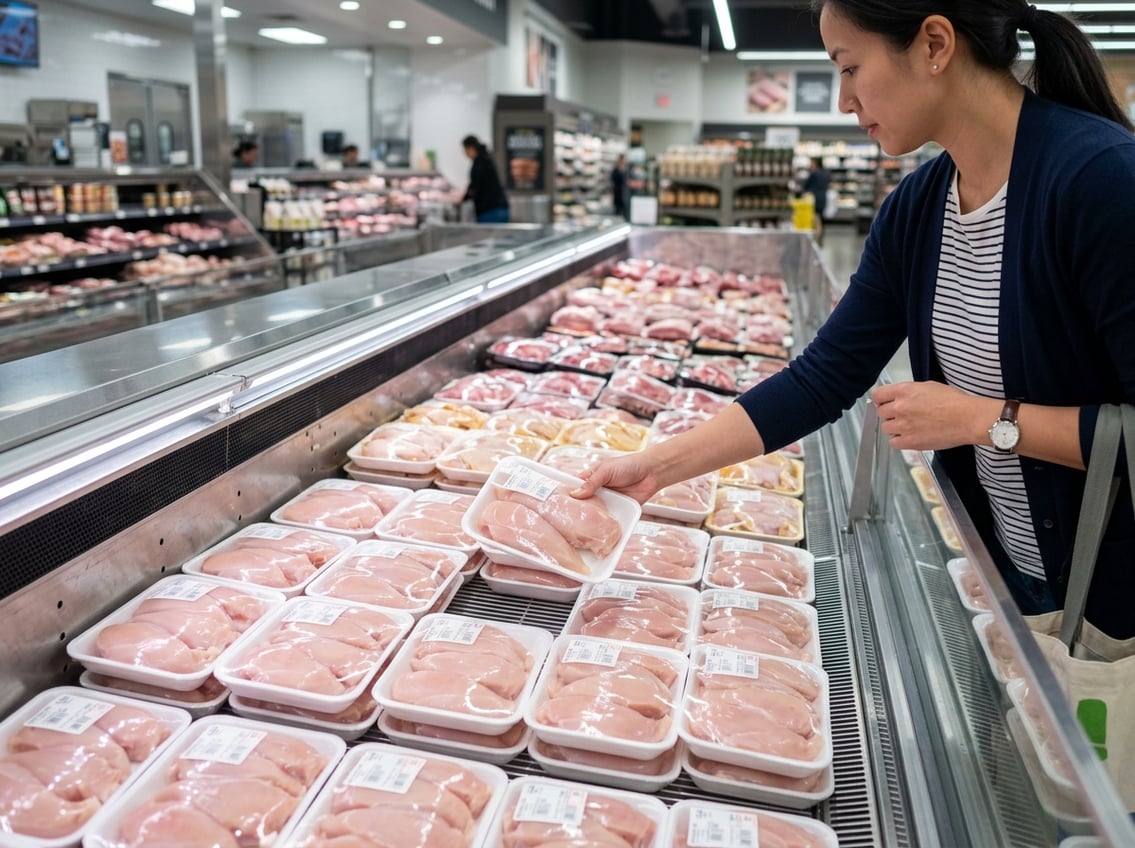
You can find chicken breast in most U.S. grocery stores, warehouse clubs, butcher shops, and delivery apps.
The best place depends on whether you want the lowest price, the freshest cut, or the easiest checkout and delivery.
Check Local Grocery Stores and Big-Box Retailers
Start with nearby stores because they often have the widest mix of fresh, frozen, and value-pack options.
Chains like Walmart, Kroger, and Target list chicken breast online for pickup or delivery. Their in-store prices may change often based on weekly promotions.
You can also find listings through delivery platforms such as Instacart chicken breast delivery or Amazon Fresh chicken breast options when availability is strong in your area.
Try Butcher Shops for Fresh-Cut Options
Butcher shops are a good choice when you want a specific thickness, trim level, or package size.
Many butchers can portion breasts to order, which helps if you cook for one or two people and want less waste.
Local butchers are worth checking when store cases look thin or when you want more control over the cut.
Use Delivery Services and Online Meat Sellers
Online grocery and meat services help when your time matters more than browsing the meat case.
Services like ButcherBox chicken breast delivery or same-day grocery apps can save a trip. They may offer subscription boxes, bundled pricing, or home delivery.
Watch for shipping costs, minimum order sizes, and whether the seller uses fresh or frozen packs.
How to Choose the Right Cut and Pack
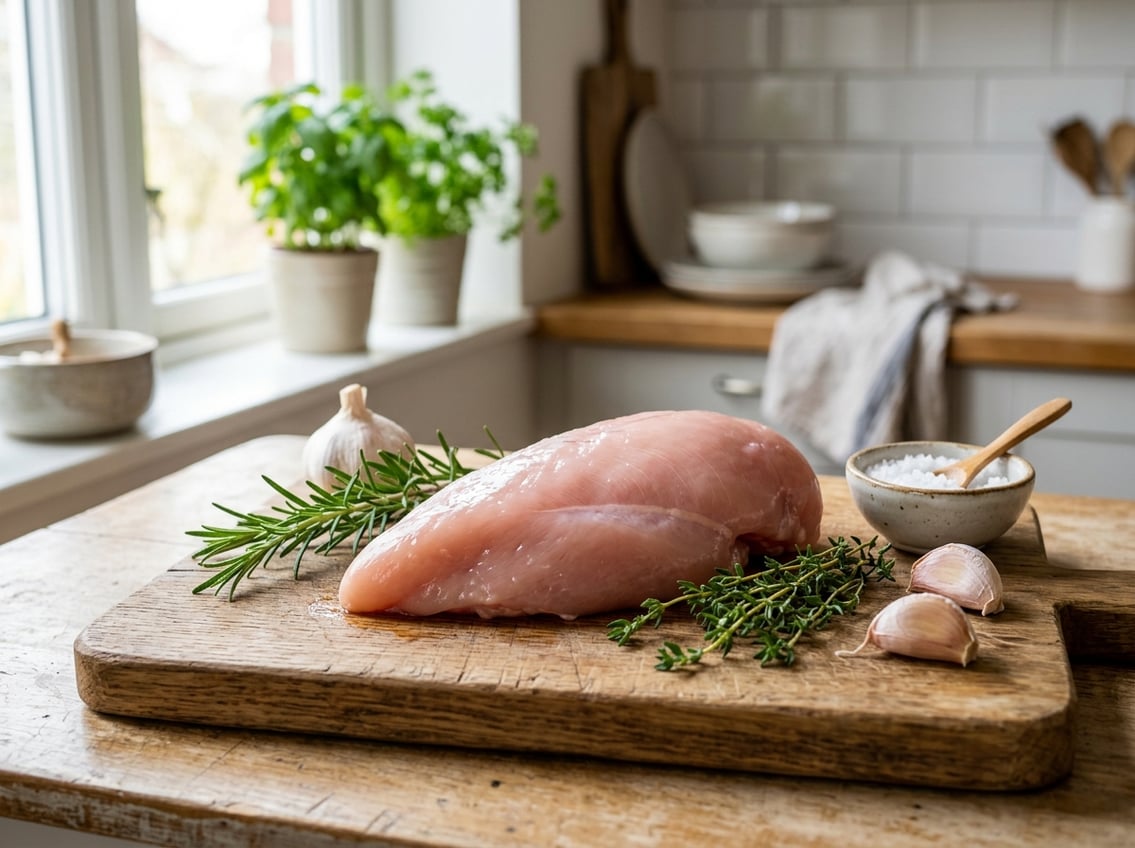
The right pack depends on how you cook and how much freezer space you have.
Boneless, skinless breast is easiest for quick meals, while bone-in or larger family packs can change the value you get per pound.
Boneless vs. Bone-In Options
Boneless, skinless chicken is the most common choice for fast cooking, meal prep, and evenly sized portions.
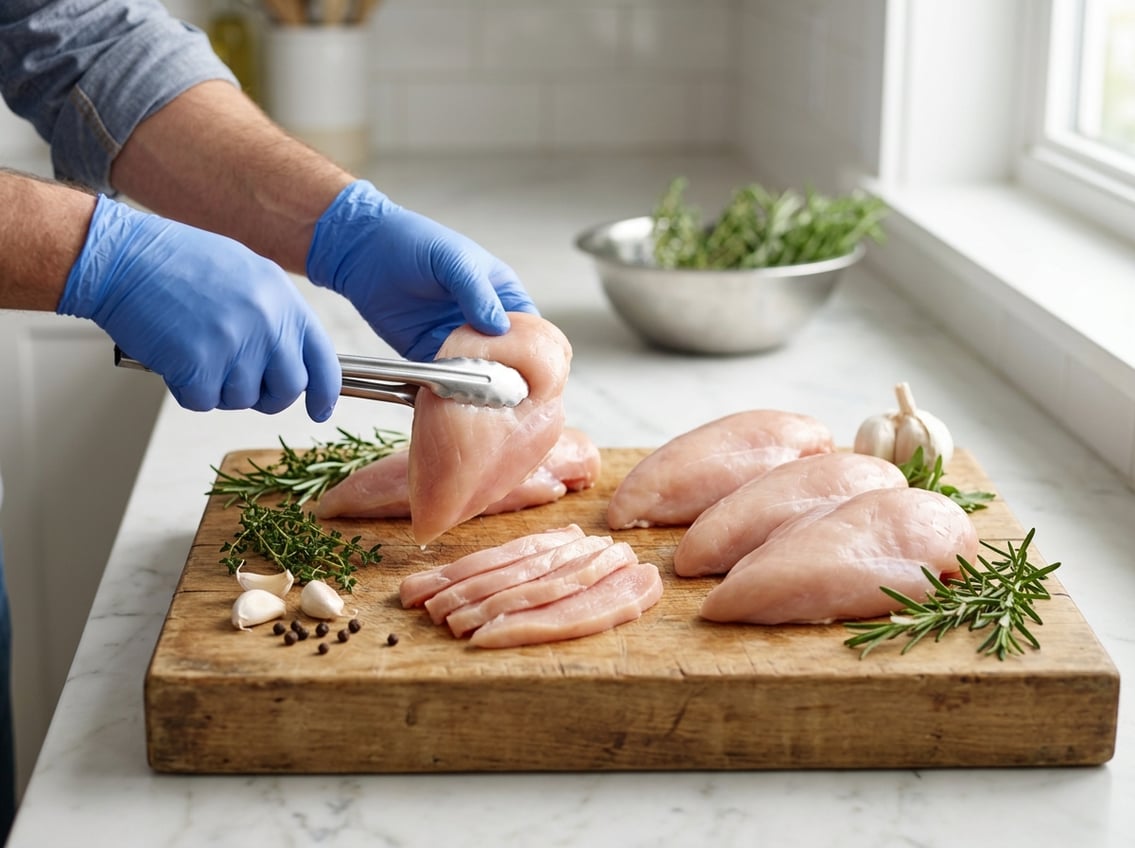
It is easy to slice, cube, or pound for cutlets.
Bone-in breasts can cost less in some stores and may stay juicier, though they take longer to cook and need more prep.
Fresh vs. Frozen Packages
Fresh chicken breast works well when you plan to cook within a day or two.
Frozen packs help when you want to stock up during a sale, since they keep longer and reduce waste.
If you buy frozen, check for freezer burn, broken seals, or heavy ice crystals.
When Chicken Thighs or Whole Chicken May Be Better Value
If price matters more than the cut, chicken thighs often give you stronger flavor and lower cost per pound.
A whole chicken can also be better value than buying only breasts, especially when you can roast it and use leftovers for more than one meal.
That tradeoff is worth considering when breast prices rise during a promotion.
What Labels and Claims Actually Mean
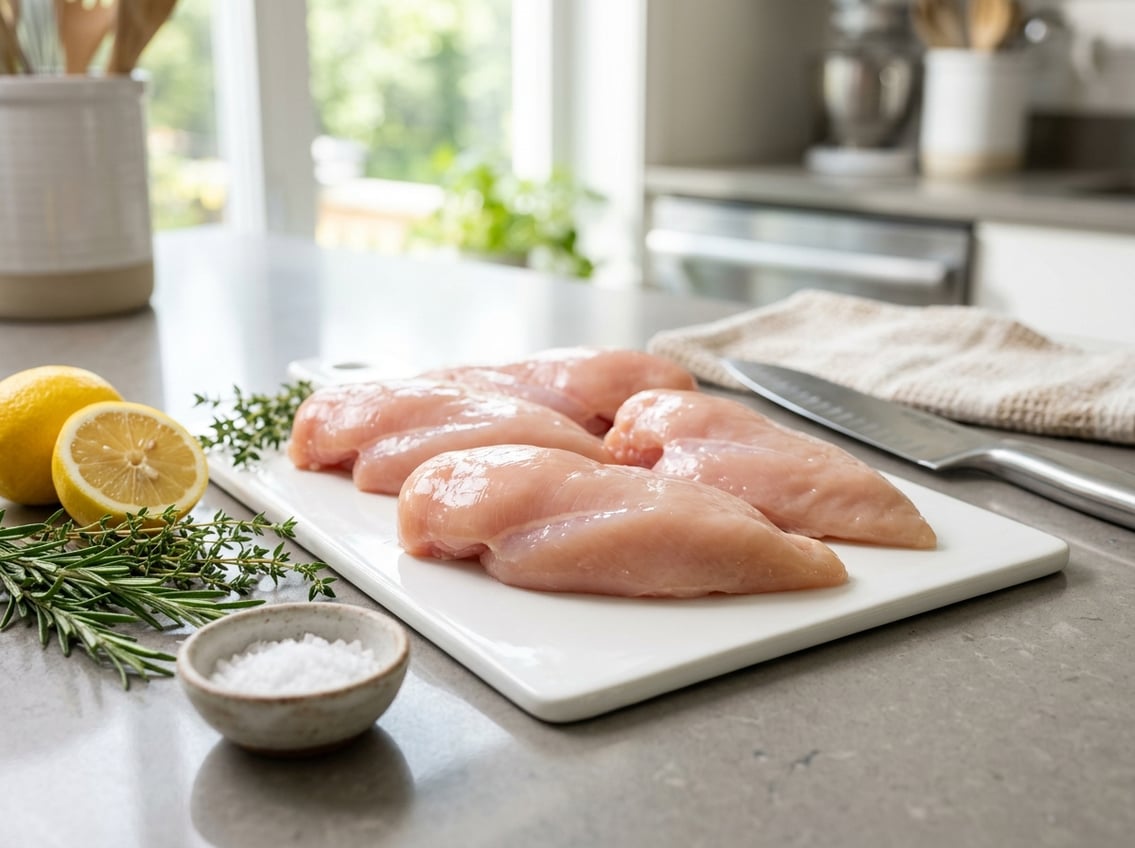
Chicken labels help you compare products, but not every claim means the same thing.
Some labels are closely regulated, while others mainly describe how the product was processed or marketed.
Organic Chicken and Free-Range Chicken
Organic chicken follows USDA organic standards for feed and production methods.
Free-range chicken means the birds had access to the outdoors, though the amount and quality of that access can vary.
If you care about these claims, look for clear packaging and avoid assuming every premium label means the same thing.
No Antibiotics and Natural Chicken
“No antibiotics” means the birds grew up without antibiotics, and the label should be stated clearly.
The term natural is narrower than many shoppers expect, and it usually means the product contains no artificial ingredients or colors and is minimally processed, according to The Real Food Dietitians’ poultry label guide.
That does not automatically mean organic, free-range, or higher quality.
How Store Promotions and Sponsored Listings Can Affect Choice
Promotions can push certain brands to the top of search results or shelf displays, especially in online grocery apps.
Sponsored placements highlight products that pay for visibility, not necessarily the best fit for your needs.
It helps to compare the label details, package size, and price per pound before you decide.
How to Compare Price, Freshness, and Convenience
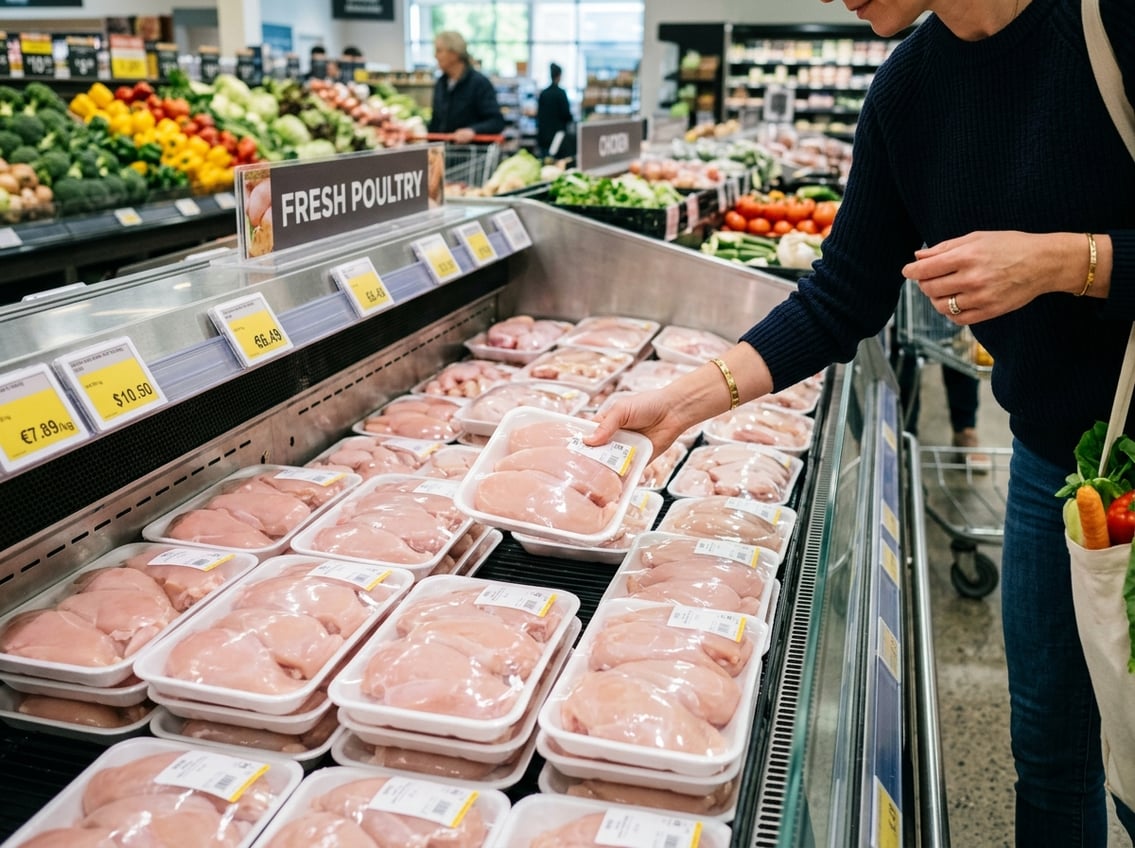
The best deal is not always the cheapest package.
You get a better read on value when you compare the unit price, inspect freshness, and think through how much you can store and use before the chicken spoils.
Read Price Per Pound Instead of Package Price
Package price can hide big differences in weight.
Always compare price per pound, since that tells you the real cost of the chicken breast.
Sales and deals can look strong at first glance, yet the unit price may still be higher than another store’s regular price.
Spot Freshness Signs Before You Buy
Fresh chicken should look moist, not slimy, and the package should be sealed with little or no leaking.
Check the use-by date, and avoid packages with torn film, excess liquid, or strange odors once opened.
If you shop online, review the pickup time closely so the product stays cold.
Balance Bulk Savings With Storage Space
You can save money by splitting and freezing large packs at home. This only works if you have enough freezer space and plan to use the chicken before the quality drops.
Warehouse and subscription options like ButcherBox work well for families. Smaller packs may suit one or two people better.
Buy the amount you can cook or freeze safely. Choose the store or service that offers the best mix of price, freshness, and convenience.


