
Wholesale Chicken Breast Near Me Buying Guide
To find wholesale chicken breast near me, start by identifying sellers who supply the cut you need at the right price, in the right pack size, and with the safety standards your business or household expects.
Whether you buy for a restaurant, cafeteria, meal prep program, or a large family, your goal remains the same. You want steady supply, predictable quality, and fewer surprises at delivery or pickup.
The best local source balances price, cut consistency, delivery range, and food safety.
Wholesale chicken breast comes from farm sellers, meat processors, and foodservice distributors. Each one fits a different buying pattern.
Some sellers focus on fresh chicken breasts, while others specialize in frozen chicken. Some carry premium or organic chicken lines that suit specific menus or customer needs.
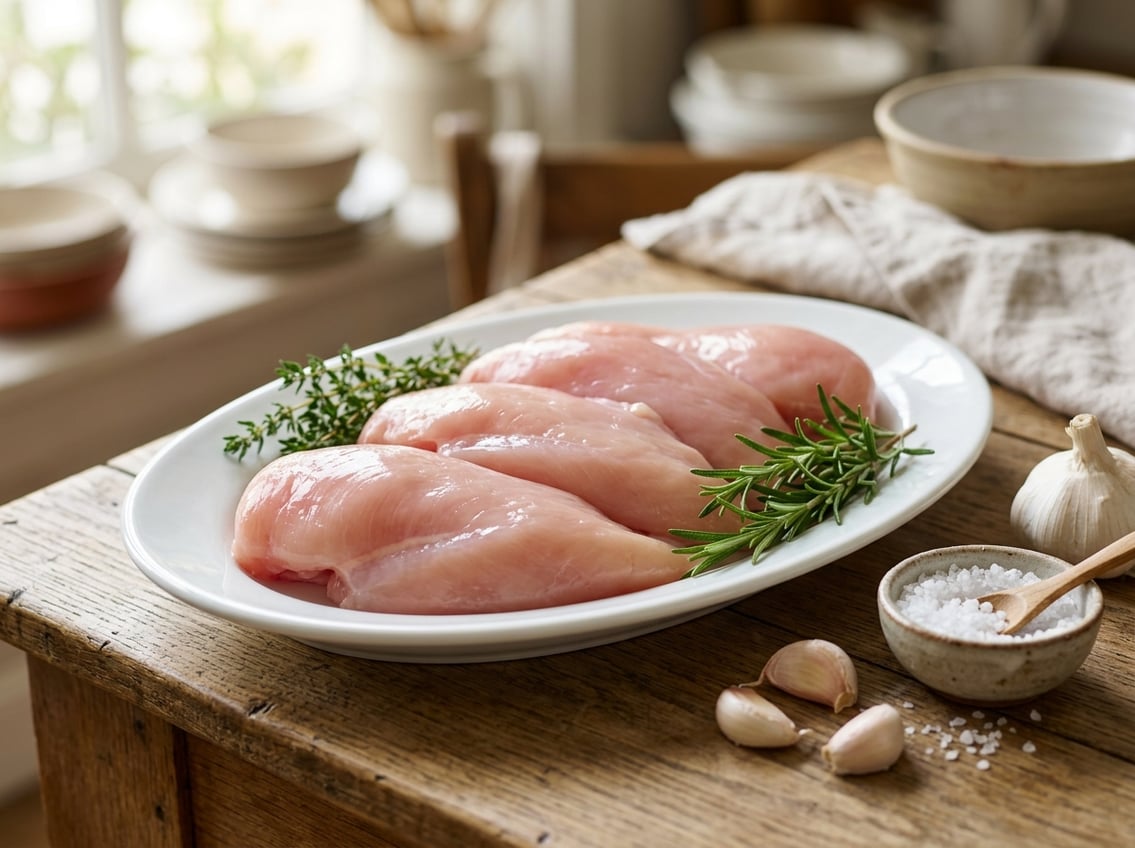
How To Find Reliable Local Suppliers
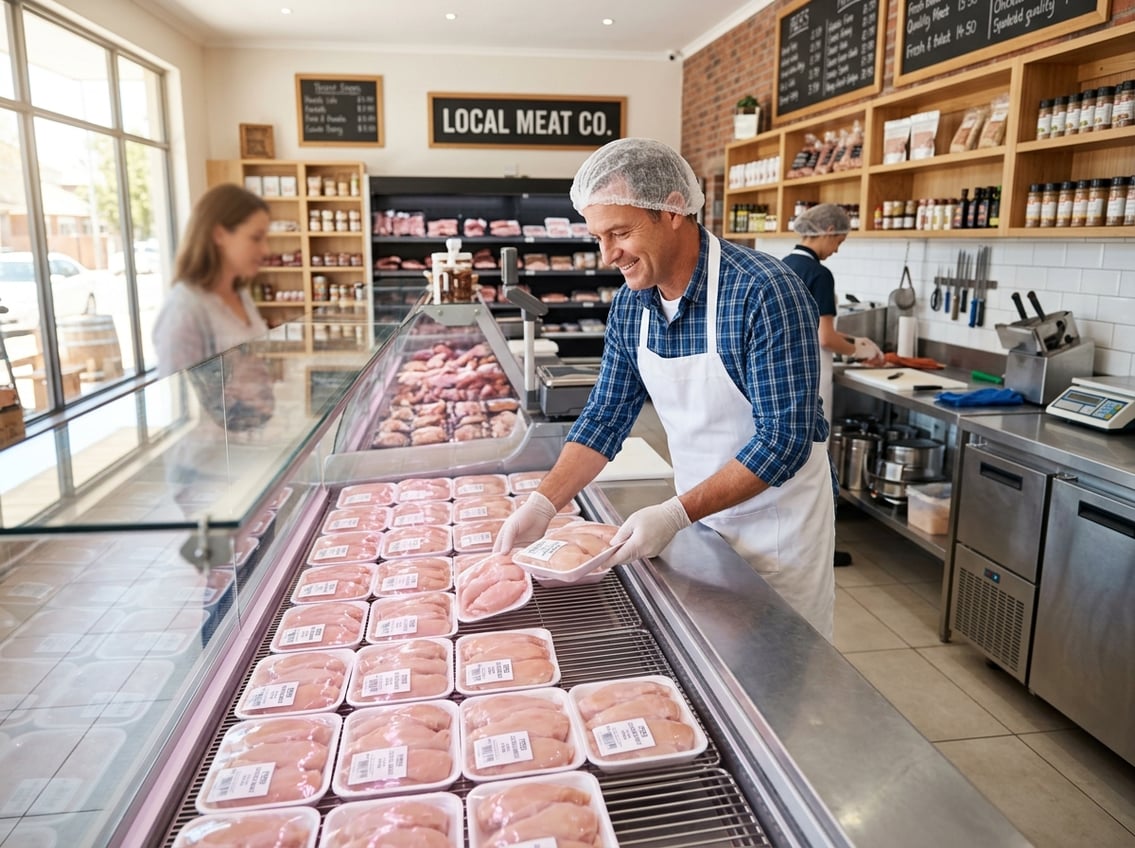
You can narrow your search by separating true wholesale chicken suppliers from retail stores that only sell larger packs.
A strong supplier provides clear specs for chicken breasts, simple ordering terms, and proof that its product handling matches your food safety standards.
Compare Farm Sellers, Meat Processors, and Foodservice Distributors
Farm sellers offer direct access to fresh or organic chicken and more details about how the birds were raised.
Meat processors provide tighter cut control, custom packing, and larger volumes for consistent production.
Foodservice distributors make it easy to get a steady flow of wholesale chicken with regular invoicing and route delivery.
For business buying, a broad commercial assortment like premium chicken selection for business needs helps you compare how distributors package restaurant-quality product.
Check Delivery Range, Pickup Options, and Minimum Orders
Check if the supplier delivers to your ZIP code, serves your city, or works within a set route radius.
Pickup can give you better control over timing or help you get frozen chicken on short notice.
Ask about minimum orders early, since some sellers require full case purchases, pallet minimums, or a set dollar amount before granting wholesale pricing.
Look for USDA Inspection, Certifications, and Food Safety Standards
USDA inspection, temperature control, and clean packing practices matter as much as price.
Ask how the supplier stores chicken breasts, how often inventory turns, and whether product stays chilled or frozen during transport.
If you need organic chicken, halal product, or no-antibiotics-ever claims, ask for documentation before placing the order.
Reliable sellers can explain labels, lot codes, and handling standards without hesitation.
What To Buy and How It Is Packed
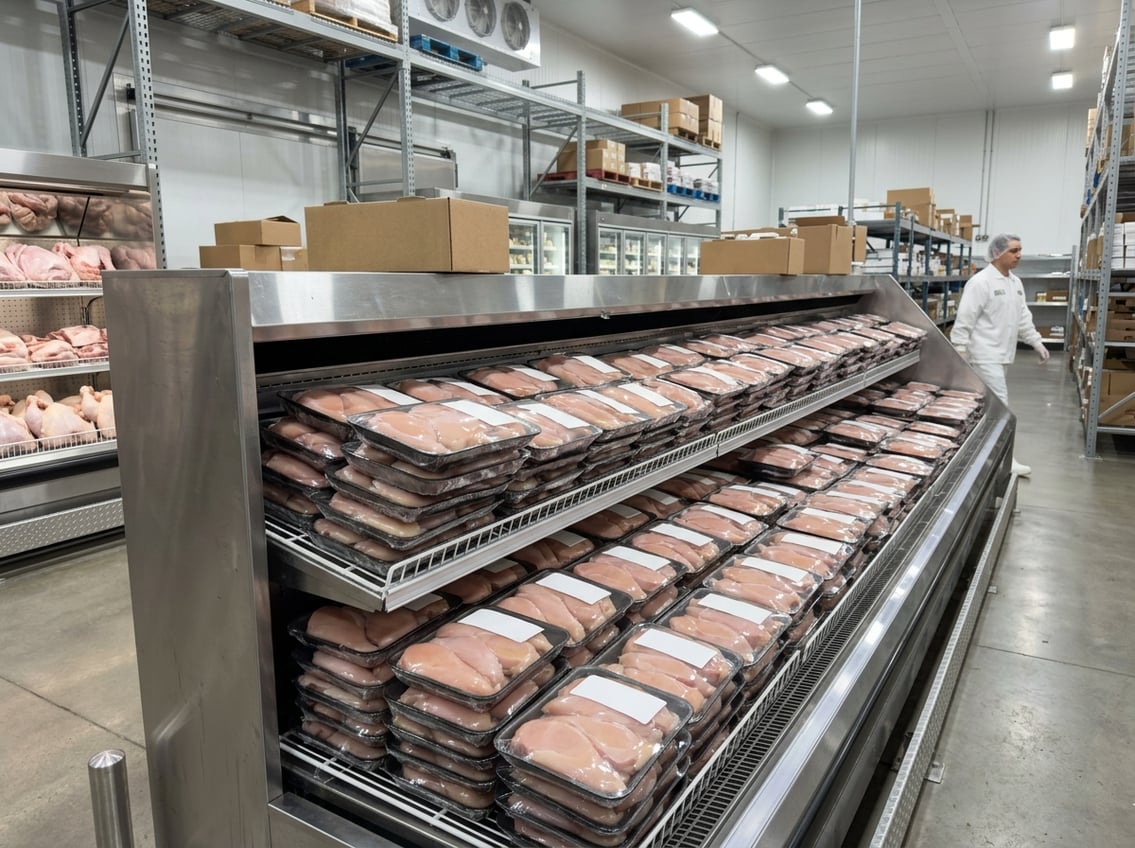
Wholesale packs may look similar, but the cut, trim, and packaging style change how much usable meat you get.
Match the pack format to your menu, storage space, and prep method to save time and reduce waste.
Fresh vs. Frozen Case Packs
Fresh chicken breast works well when you need short lead times and fast turnover.
Frozen chicken offers longer storage, less spoilage risk, and more predictable ordering.
Case packs often come in 20- to 40-pound formats for bulk buyers.
For example, 40-pound frozen boneless skinless chicken breasts support high-volume kitchens that need portionable product.
Boneless Skinless Cuts, Tenderloins, and Fillets
Boneless skinless chicken is the main choice for grilled plates, sandwiches, salads, and meal prep.
It is easy to portion and usually provides the most flexible yield for everyday use.
Chicken tenderloins are smaller, more uniform, and good for fast cooking or kid-friendly servings.
Fillets work well for breaded chicken sandwiches or menu items that need a flatter shape.
Value-Added Options for Menus and Prepared Foods
Value-added items can reduce labor and shorten prep time.
Breaded chicken, pulled chicken, diced breast meat, and pre-cooked strips help cafeterias, catering, and grab-and-go programs.
Some wholesale lines include chicken wings or mixed poultry for broader menus.
If your operation needs speed and consistency, pre-cooked products can lower labor costs even if the per-pound price is higher than raw chicken breasts.
How To Compare Price, Quality, and Fit
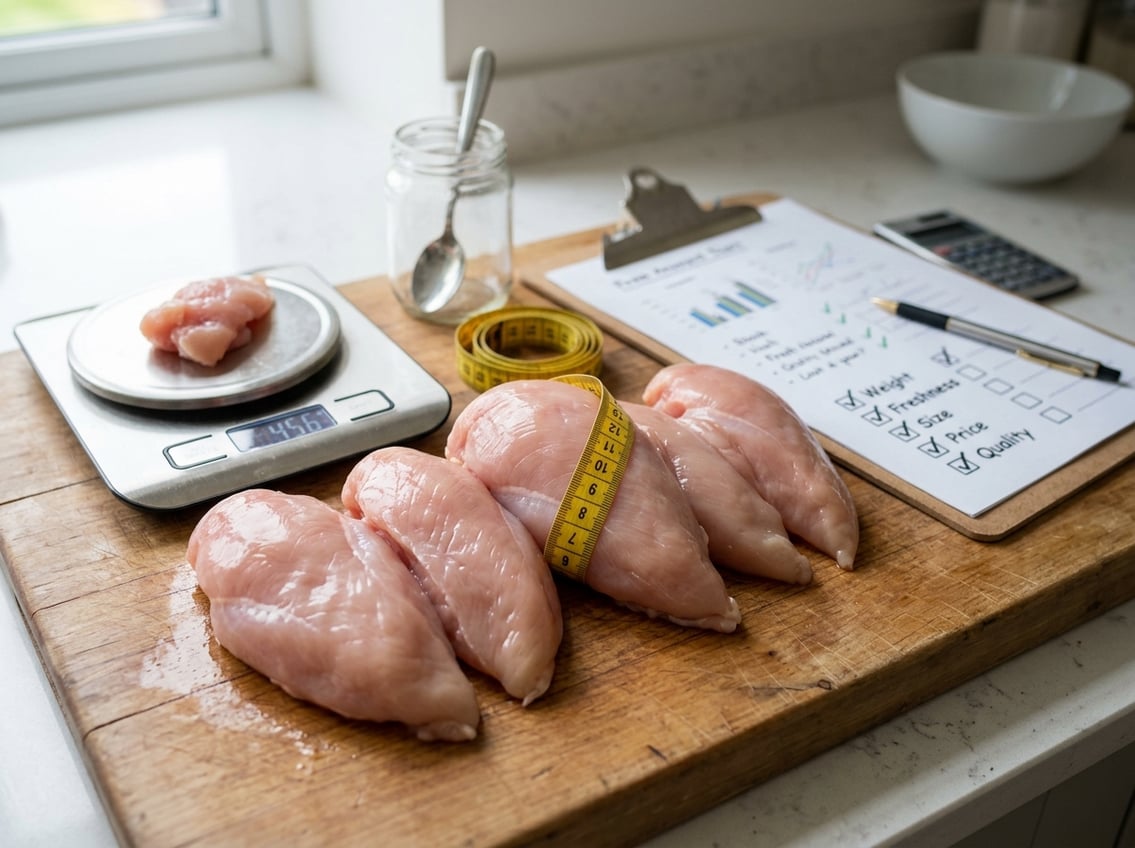
Price alone does not determine whether a wholesale chicken order fits your needs.
You should compare yield, trim loss, storage life, and how well the product matches your serving size and menu.
Price Per Pound vs. Yield and Portion Control
A lower case price can still cost more if the breasts are uneven or trimmed poorly.
Look at usable yield after trimming, thawing, and cooking loss, not just the sticker price.
For example, a case of 24 split boneless skinless chicken breasts may fit portion control better than random-weight product if your kitchen needs consistent servings.
Uniform pieces reduce waste and help your prep team work faster.
Natural, Organic, and No-Antibiotics-Ever Claims
Natural, organic, and no-antibiotics-ever mean different things.
Organic chicken follows stricter production rules, while other claims may refer only to feed, housing, or medication practices.
Ask the supplier to explain each label in writing before you buy premium chicken.
If your customers expect specific standards, your purchase order should match those expectations exactly.
Questions To Ask Before Placing a Bulk Order
Ask how the chicken is packed. Find out how long it has been frozen or chilled.
Ask what the minimum order is. Inquire about case weight and average piece count.
Check the shelf life and replacement policy for damaged product.
A short checklist helps:
-
What is the exact cut and trim level?
-
Is the product fresh, frozen, or partially frozen?
-
What certifications or USDA marks apply?
-
How is temperature controlled during delivery?
-
What is the lead time for repeat orders?
When you ask these questions before you buy, you are more likely to get wholesale chicken that fits your budget and safety standards.


