
Why Does Chicken Breast Look Pink? Safety Explained
When you ask why chicken breast looks pink, the short answer is that color alone does not tell you if it is safe. Chicken breast can stay pink for reasons that have nothing to do with danger, including muscle pigments, freezing, storage, and cooking method.
The real test is temperature, not color. You should use a thermometer before deciding whether the chicken is done.
If the thickest part of the breast has reached the safe internal temperature, the meat can be safe to eat even if it still has a faint pink tint.
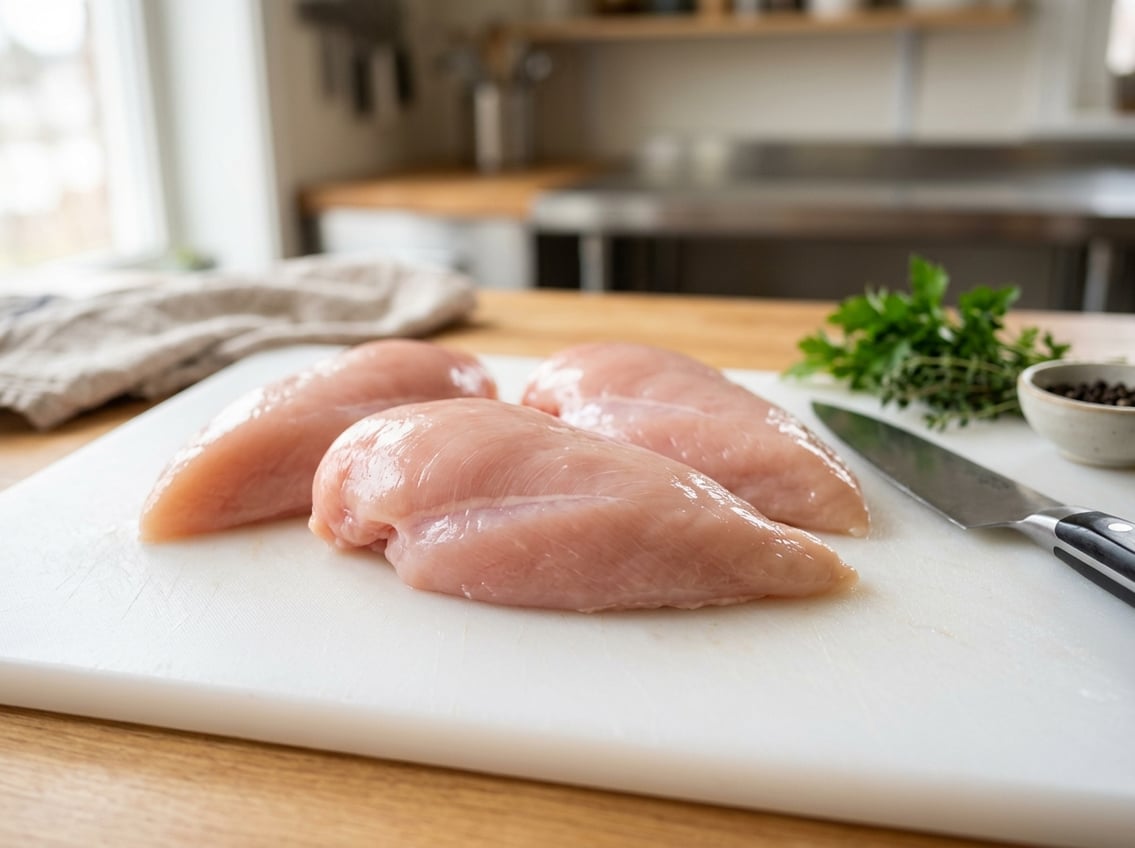
How to Tell If It Is Safe to Eat
Use a food thermometer to check chicken breast. A meat thermometer gives you a clear reading.
Color can change for reasons that have nothing to do with doneness.
If you are asking whether is pink chicken safe to eat or pink chicken safe to eat, the answer depends on internal temperature and the condition of the meat.
Pink color alone does not prove that the chicken is undercooked.
Why Color Alone Cannot Confirm Doneness
Cooked chicken can look white on the outside and still be underdone inside. It can also look pink in the center after reaching a safe temperature.
A chicken breast may cook unevenly. The outer layers can look fully done while the center is still below the safe range.
Safe Internal Temperature for Chicken Breast
Chicken breast is safe when it reaches 165°F in the thickest part. That is the standard safe internal temperature for poultry in the U.S.
A fully cooked breast at 165°F can still show a slight pink tone from natural pigments or other harmless causes.
How to Use a Food Thermometer Correctly
Insert the food thermometer into the thickest part of the breast, away from bone and fat. Wait for the reading to settle before checking the number.
If the chicken is thick, check more than one spot. A single reading from a thinner area can miss an undercooked center.
What Causes Pink Color in Cooked Chicken
Pink color in cooked chicken often comes from natural compounds in the meat, not from undercooking. Pigments, bone effects, and storage conditions can all change how the meat looks after it is heated.
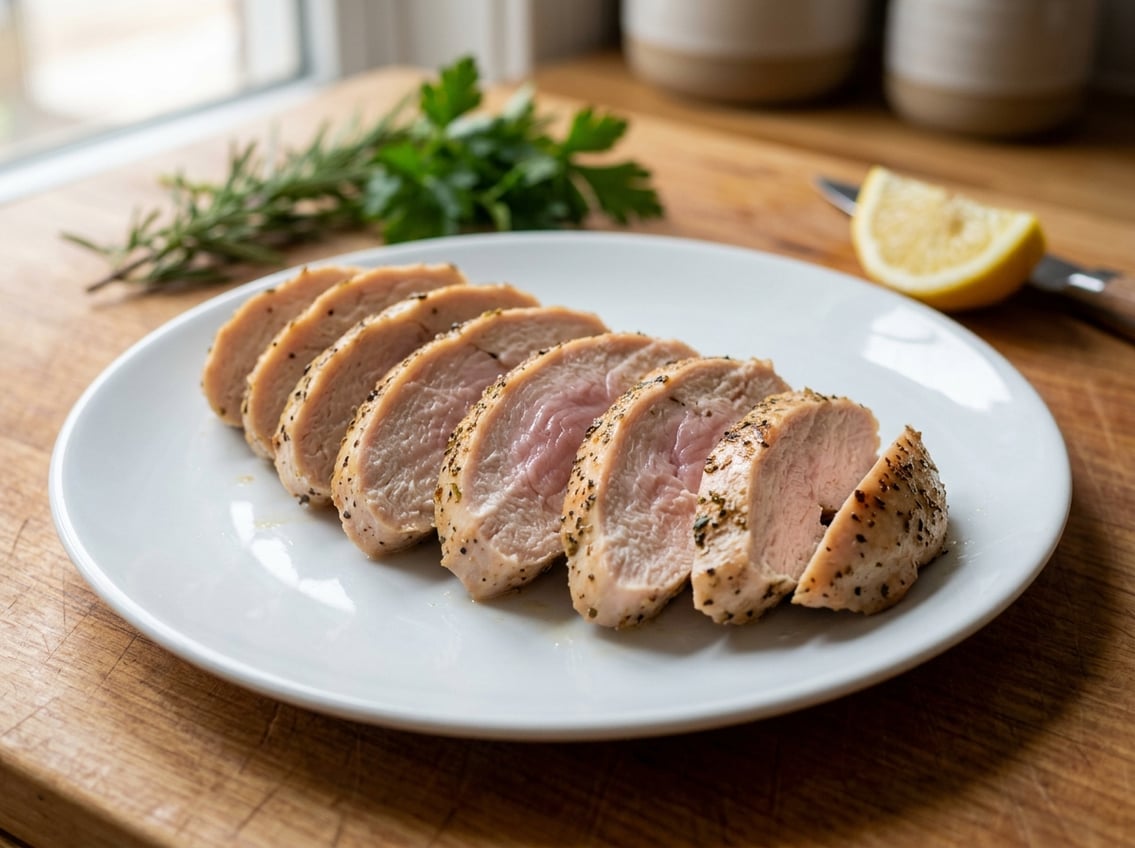
Myoglobin and Oxymyoglobin
Myoglobin is a protein in muscle tissue that helps store oxygen. When it reacts with oxygen, it can form oxymyoglobin, which can give meat a pink or reddish look.
Chicken breast has less myoglobin than dark meat, yet some cuts still show a light pink shade after cooking. That color can remain even when the meat is safe to eat.
Bone Marrow, Freezing, and Natural Pigment Changes
Pink can appear near the bone because pigments from the marrow can spread into nearby meat during cooking. This is more common in younger birds and in some cooking methods.
Freezing and thawing can also change appearance. Ice crystals can damage muscle fibers and release pigments that tint the meat pink.
How Age, Cut, and Storage Affect Appearance
Younger chickens may have lighter meat that changes color differently during cooking. Older birds, different cuts, and longer storage can all affect how much pink remains after heat is applied.
Packaging and exposure to certain gases can also influence color. A pink look does not always mean the chicken is unsafe or raw.
When Pink Appearance Can Be a Warning Sign
Pink color is not a problem by itself, yet it can still be a clue when other signs point to undercooking or spoilage. You should look at texture, smell, and temperature together.
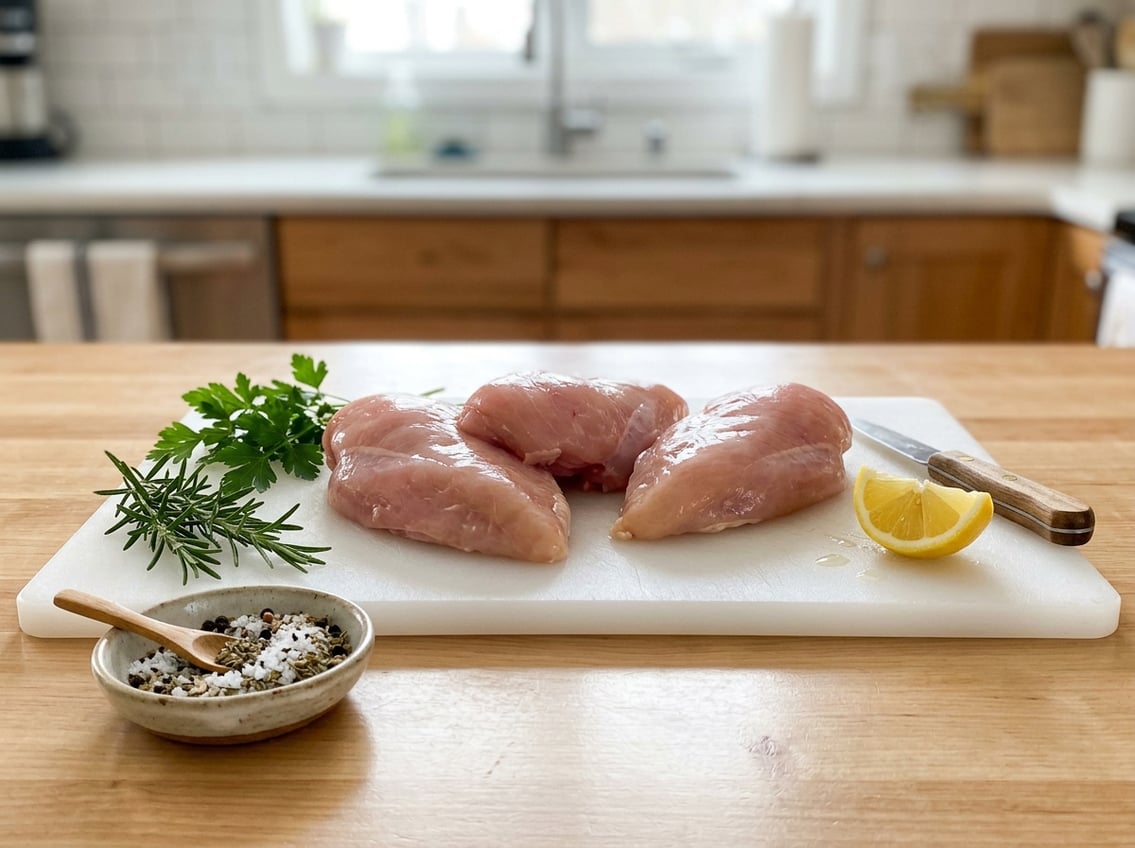
Signs Chicken May Actually Be Undercooked
If the center is soft, glossy, or jelly-like, the chicken may not be done. Juices can also look cloudy or have a pink tint when the meat is undercooked.
A thermometer reading below 165°F means the chicken is still undercooked chicken, even if the outside looks firm. In that case, keep cooking it before eating.
Spoilage Clues Beyond Color
Bad odor, slimy texture, and a tacky surface are stronger warning signs than pink color. If the chicken smells sour or looks dull and sticky, it should not be eaten.
Color changes from spoilage can vary. The smell and texture matter much more when judging safety.
Common Mistakes That Lead to Unsafe Results
Cutting into chicken too early can let juices run out and make the center cook unevenly. Cooking over very high heat can brown the outside before the inside reaches a safe temperature.
Relying on time alone is another common mistake. Chicken breast thickness changes cook time, so a timer cannot replace a thermometer.
Best Practices for Cooking Chicken Breast Evenly
Even cooking helps you reach a safe internal temperature without drying out the meat. A food thermometer, steady heat, and good handling habits make the result much more reliable.
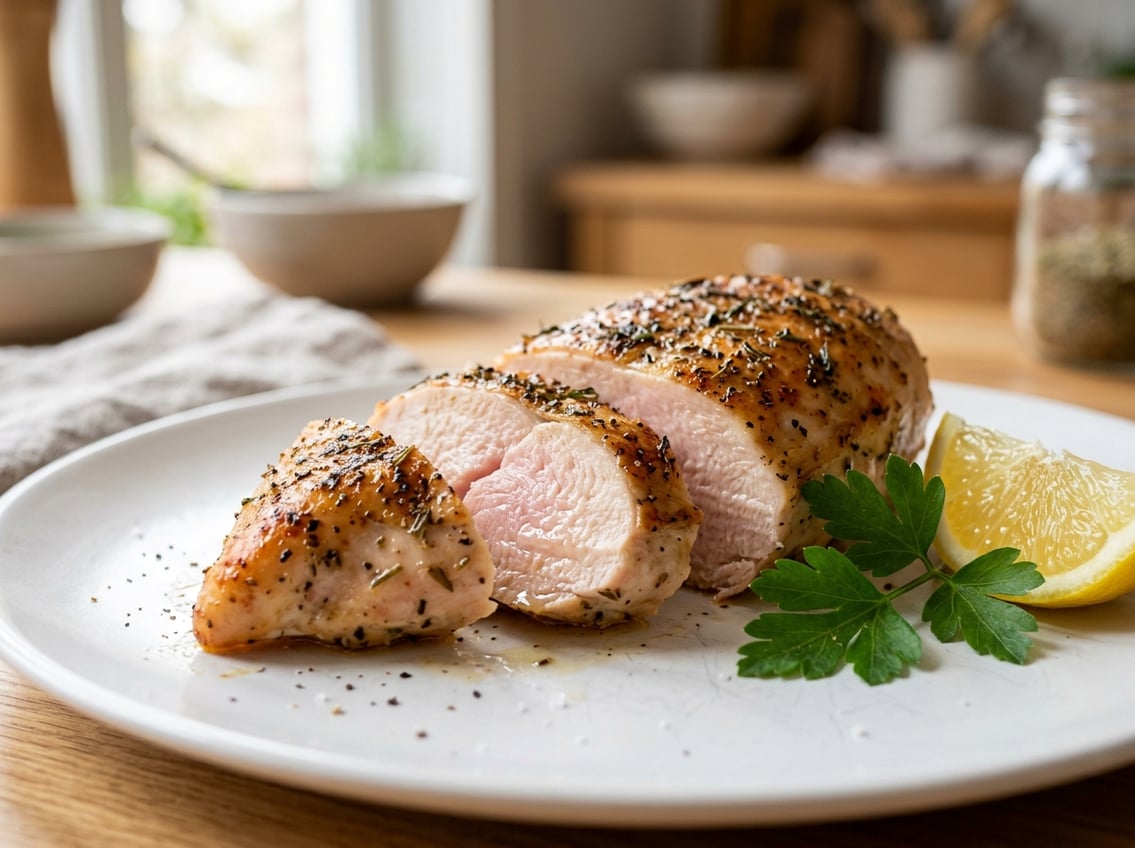
Where to Check Temperature in the Thickest Part
Place the meat thermometer into the thickest part of the breast, usually near the center. Avoid touching bone, since that can give a false reading.
If the breast is uneven, check from a few angles. That helps you confirm that the whole piece has reached the safe internal temperature.
Ways to Avoid Overcooking While Reaching 165°F
Use medium heat and let the chicken cook steadily. Very high heat can dry out the outside before the center is done.
Rest the chicken for a few minutes after cooking. Carryover heat can finish the center while helping the juices stay in the meat.
Storage and Handling Tips That Reduce Confusion
Keep raw chicken cold and separate from ready-to-eat foods.
Clean knives, boards, and counters after you handle raw poultry.
Thaw chicken in the refrigerator, cold water, or the microwave. Do not thaw chicken on the counter.
Proper storage and handling help prevent uneven cooking. These practices also make it easier to judge whether pink chicken is safe to eat when it comes out of the pan or oven.


