
Where Is the Chicken Breast on a Chicken? Cuts and Anatomy
You can find the chicken breast on the front of the bird, over the chest. It is the large, meaty white-meat area on both sides of the breastbone.
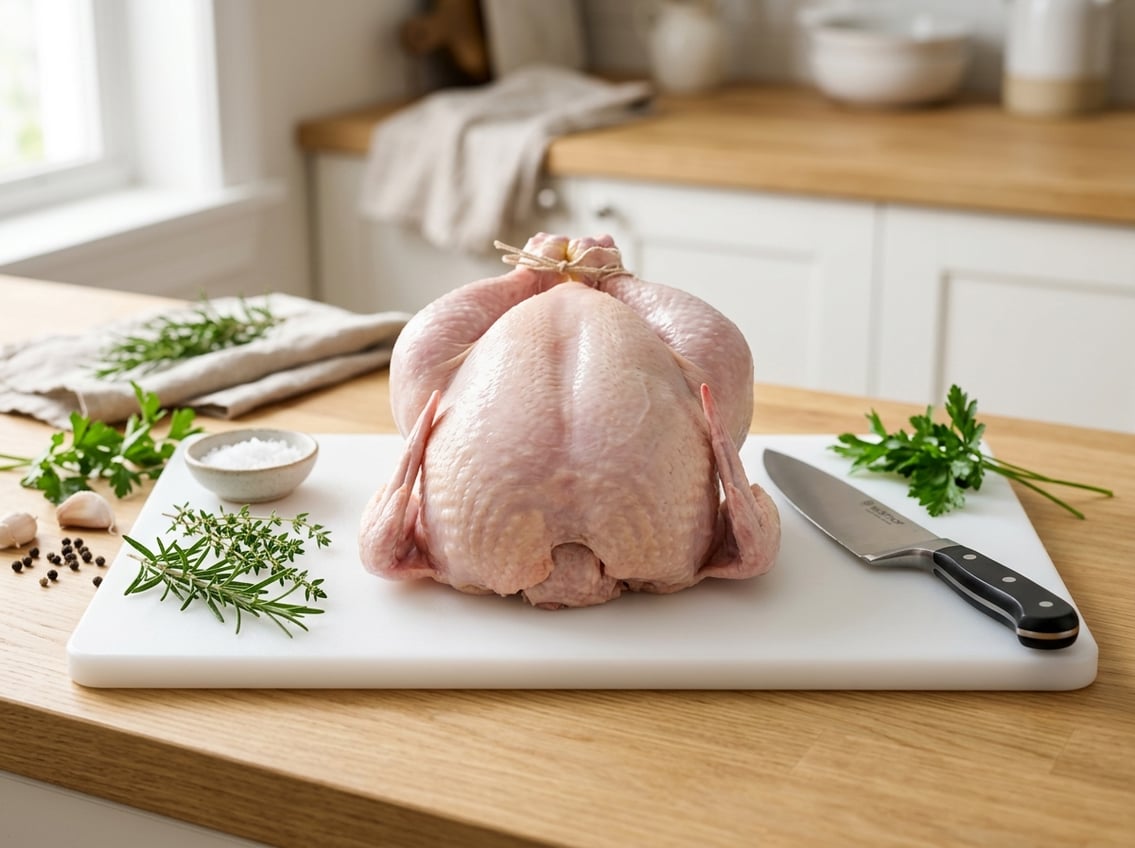
If you spot the breastbone, rib cage, and wing joints, you can identify the chicken breast on a whole bird, in the meat case, and on butcher labels with more confidence.
Chicken breast is often sold in several forms, including whole breast, split breast, breast with ribs, and boneless chicken breast. The name on the package tells you how much bone, skin, and attached meat are present.
How to Locate the Breast on the Bird
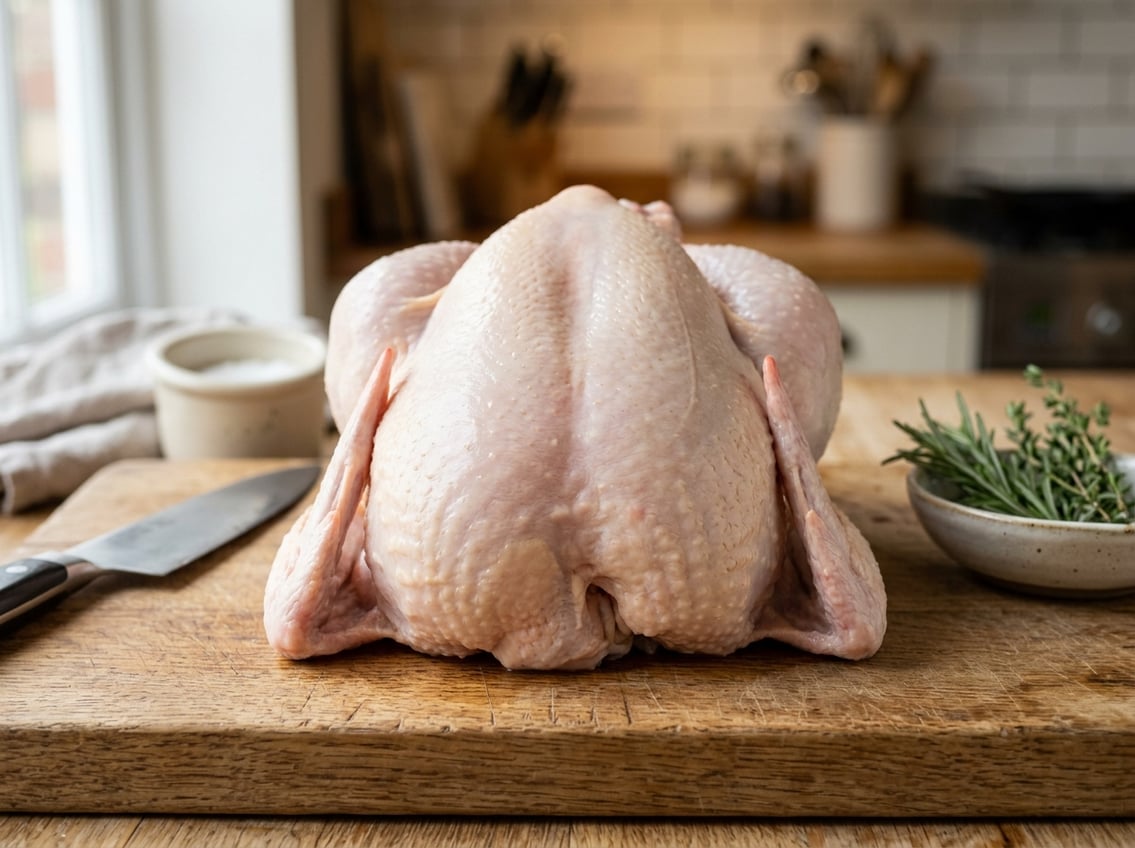
The breast sits on the front of a whole chicken, centered over the chest. It is the broad, rounded section between the neck and the legs.
It contains the main pectoral muscles.
Front-of-Bird Position and Chest Area
On a whole chicken, the breast is the thickest meat on the front side. It is the white-meat section that runs along both sides of the breastbone.
The pectoralis major makes up most of the visible breast meat. The smaller pectoralis minor sits underneath and is often sold as the tenderloin.
Landmarks Like the Keel Bone and Rib Cage
The keel bone, also called the breastbone, runs down the middle of the breast. If you press gently along the center of the bird, you can feel the firm ridge that separates the two sides.
The breast sits above the rib cage. Many bone-in cuts keep part of that structure attached.
A whole breast is the intact breast, while a split breast is cut in half parallel to the breastbone.
How the Breast Connects to the Wings
The breast meets the wings at the upper sides of the bird. That joint shows where the breast ends and where the wing begins.
A breast quarter includes part of the breast with the wing and back attached, so the wing joint is a useful landmark. A whole wing starts just beyond that point.
How to Tell Breast Meat From Other Chicken Parts
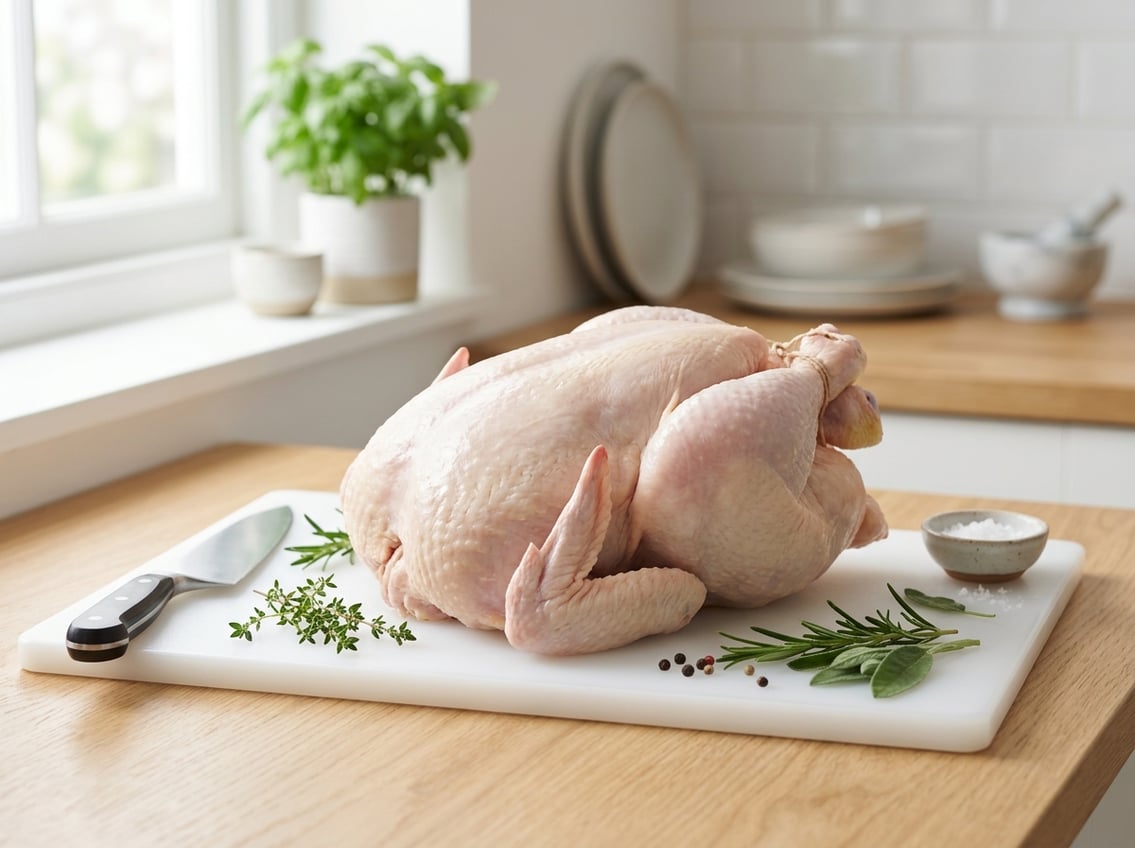
Breast meat is usually pale, mild, and lean. The nearby tenderloin, thigh, drumstick, and wing sections can be easy to confuse with it, especially when the bird is already cut into parts.
Breast vs Tenderloin
The tenderloin is the smaller strip of meat tucked under the breast. It comes from the pectoralis minor, while the main breast comes from the larger pectoralis major.
You may see it sold separately as chicken tenderloin, chicken tender, or breast fillet. It is still white meat, but it is smaller and more delicate than the main boneless breast.
Breast vs Thigh and Drumstick
The thigh and drumstick come from the leg, not the chest. They are darker, richer cuts, while breast is white meat and usually leaner.
A thigh, chicken thigh, drumstick, whole leg, and leg quarter all belong to the leg side of the bird. These cuts usually stay juicier during longer cooking because they contain more fat than breast.
Breast vs Wing Sections
Wings are another separate part of the bird. A whole wing is usually split into the drumette, wingette or wing flat, and wing tip.
Wings contain less usable meat than breast and are more about skin, bone, and flavor. Breast gives you a larger boneless portion.
Common Store Cuts and Labels to Know
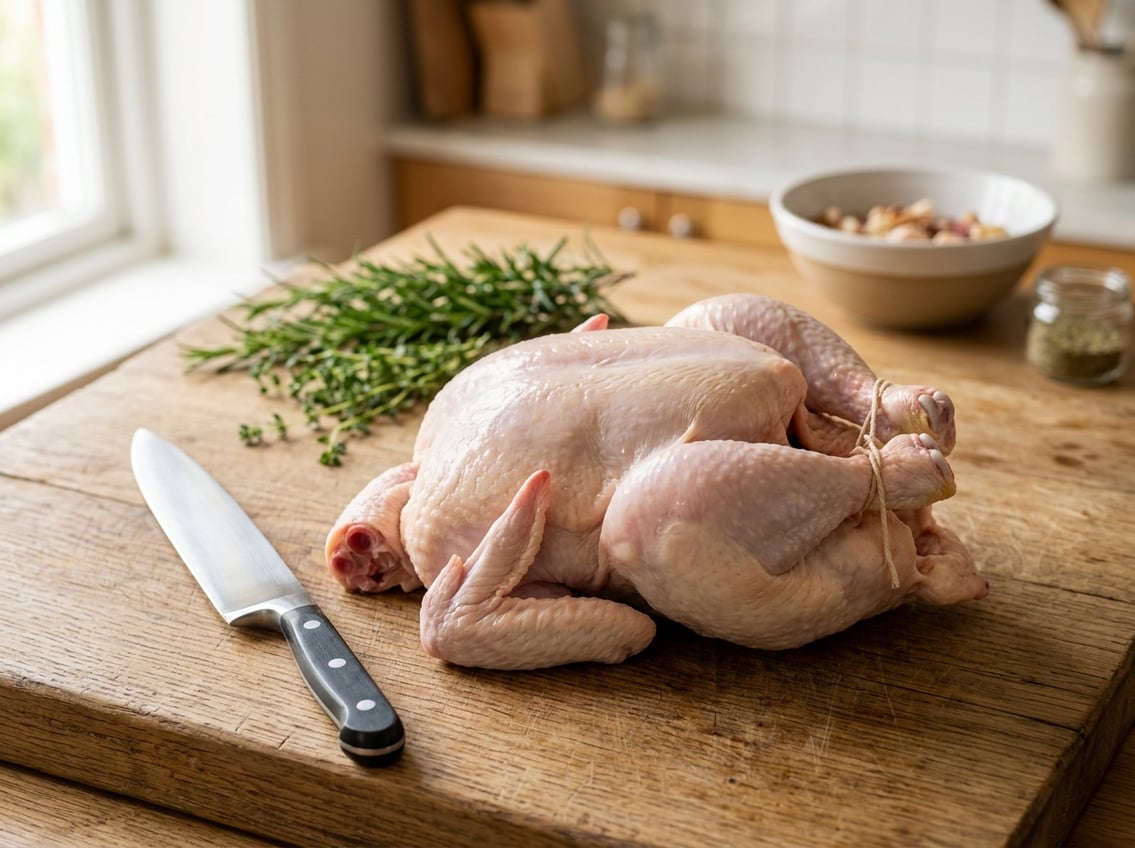
Store labels tell you how the chicken was cut and how much bone or skin remains. Once you know the common names, it becomes easier to read the meat display case and pick the right piece.
Bone-In and Boneless Breast Options
A whole breast is the full breast removed from the bird. A split breast is that breast cut into halves.
A breast with ribs keeps part of the rib cage attached. A boneless breast or boneless chicken breast has the bones removed.
It may still have skin, unless it is also labeled skinless.
Skin-On, Skinless, and Fillet Terms
Skinless chicken breast means the skin has been removed. Boneless, skinless means both the bones and skin are gone.
You may also see breast fillet, which is often used for a trimmed boneless piece. In some stores, chicken fillet can mean the same thing.
What You May See in the Meat Display Case
In the meat display case, you may see whole breast, split breast, breast with ribs, breast quarter, or breast fillet. These labels describe the cut, not a different part of the bird.
If you want to compare labels while shopping, the USDA poultry parts guide is useful because it shows how the same breast can be sold in different forms. Check for bone, skin, and attached wing or rib pieces.
Why the Breast Is Popular in the Kitchen

Chicken breast is popular because it is lean, mild, and easy to use in many meals. It also cooks quickly, which makes it a common choice for weeknight dinners and meal prep.
Texture, Flavor, and Nutrition
Breast is a lean protein and a classic form of white meat. It has a mild flavor that takes well to seasoning, sauces, marinades, and breading.
It can dry out faster than darker cuts if overcooked, so gentle heat and careful timing matter.
Best Cooking Methods for This Cut
You can bake, roast, grill, sauté, slice, or shred chicken breast. These methods work well because the cut is mild and easy to season.
Boneless pieces cook faster than bone-in cuts. Skin-on breast can add more flavor during roasting, while boneless, skinless breast is convenient for quick meals.
Safe Doneness and Helpful Tools
A meat thermometer gives you the best way to check doneness. It helps you avoid undercooking and reduces the chance of drying out the meat.
If you buy a whole bird, you can still use the rest of the chicken. You can add bones, giblets, and the gizzard to chicken stock.
This gives you more value from the bird. A hen or rooster also provides good bones for stock when you handle them properly.


