
Does Chicken Breast Have Sodium? What to Know
Does chicken breast have sodium? Yes, it does, though plain chicken breast is naturally low in sodium.
The amount changes a lot depending on whether the chicken is fresh, brined, seasoned, or processed.
If you want low-sodium chicken, plain fresh chicken breast is usually one of the easiest protein choices to fit into your meal plan.

In the U.S., many people use chicken breast as a lean protein for lunches, dinners, and meal prep.
The sodium content of chicken stays small in its natural state, but it rises fast once salt solutions, marinades, breading, or processed ingredients are added.
The real answer depends on the exact product in your cart and the way you cook it.
Knowing the sodium content of chicken breast helps you make smarter choices for blood pressure, fluid balance, and daily sodium intake.
How Much Sodium Is in a Typical Serving

Plain chicken breast is naturally low in sodium, which is why it fits well into many low-sodium chicken meals.
The number stays modest in fresh poultry, then rises if the serving is larger or the product has salt or broth added.
A standard serving is often measured at 3 to 4 ounces.
The numbers on labels may not match the size of the piece on your plate.
Natural Sodium in Fresh, Plain Poultry
Fresh, raw chicken breast contains sodium from the meat itself.
According to AllRecipesBeginner’s review of USDA data, raw skinless chicken breast has about 63 milligrams of sodium per 100 grams.
That makes plain chicken breast a relatively low-sodium food before you add anything to it.
Cooking without salt usually keeps the number close to that range.
Sodium per 3-Ounce Serving
A 3-ounce serving of plain chicken breast usually has around 50 to 60 milligrams of sodium, depending on the exact cut and whether it is raw or cooked.
A larger 4-ounce portion is still modest, often around 70 milligrams or a little more.
That amount is small compared with the daily sodium limit many adults try to stay under.
How Portion Size Changes the Total
Portion size matters because sodium adds up with every extra ounce.
If you eat 6 ounces instead of 3 ounces, you also eat about twice as much sodium.
This matters most when you are tracking sodium intake for heart health or kidney health.
Even low-sodium chicken can become a larger source of sodium if the portion is big or the chicken is prepared with salt.
What Makes the Number Go Up or Stay Low
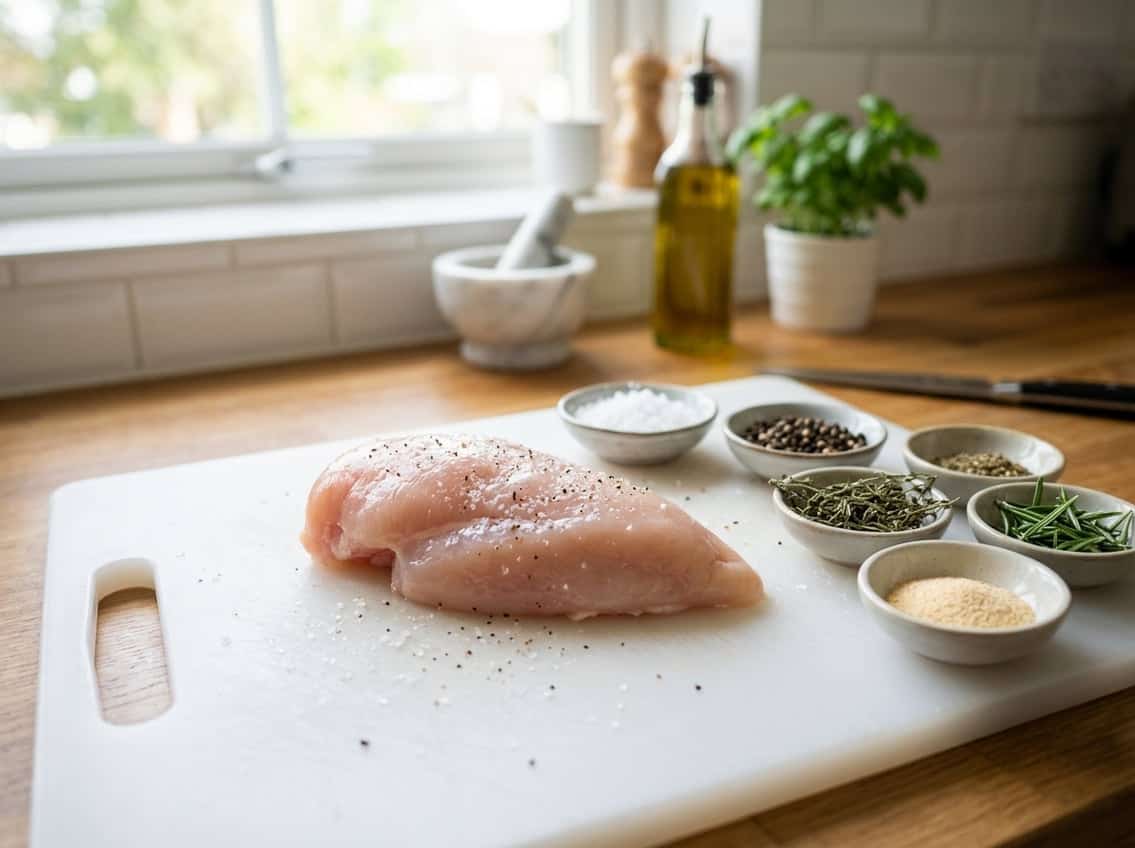
The sodium content of chicken breast stays low when the meat is plain and fresh.
It rises when the product has been injected, brined, breaded, or heavily salted during cooking.
The biggest difference usually comes from processing, not from the chicken itself.
Fresh vs. Processed Chicken Products
Fresh chicken breast has far less sodium than processed chicken products such as deli slices, breaded fillets, or pre-seasoned trays.
These items often include salt, broth, or preservatives that raise sodium fast.
If you want to reduce sodium, check for words like “enhanced,” “injected,” “brined,” or “contains up to X% solution” on the label.
Grilled Chicken Breast, Roasted Chicken Breast, and Fried Chicken Breast
A plain grilled chicken breast or roasted chicken breast can stay low in sodium if you do not add much salt.
A recent look at oven-roasted chicken breast found that some versions can reach about 350 milligrams per 3-ounce serving, often because of added seasoning or solutions.
Fried chicken breast usually has more sodium because batter, breading, and seasoning often contain salt.
The cooking method matters, but the ingredient list matters just as much.
Brines, Marinades, and Added Salt on Labels
Brining adds saltwater to the meat, so sodium content goes up before you even cook it.
Marinades can do the same thing, especially when they include soy sauce, broth, or salty seasoning blends.
Labels may list sodium in milligrams per serving and also show the amount per package.
Always check both, because a single chicken breast may count as more than one serving.
Cooking at Home to Reduce Sodium
Cooking at home gives you the most control over sodium.
You can use herbs and spices instead of salt, then adjust flavor with lemon, garlic, pepper, onion powder, or paprika.
For a simple low-sodium chicken meal, bake, grill, or poach plain chicken breast and season lightly at the table.
That approach usually keeps sodium lower than takeout or pre-seasoned products.
Why Sodium Matters for Health

Sodium is not bad on its own.
Your body needs it for normal nerve function and fluid balance.
Problems start when sodium intake is too high for your needs or when you are sensitive to salt.
For many people, the real issue is not plain chicken breast.
It is the added sodium from processed foods, sauces, and restaurant meals.
Normal Roles in Nerve Function and Fluid Balance
Sodium helps your nerves send signals and helps your body keep the right amount of fluid in and around your cells.
Without enough sodium, your body cannot work normally.
Most U.S. diets include more than enough sodium already, so plain chicken breast usually fits in without adding much risk.
Health Implications of Excess Intake
Too much sodium can raise blood pressure in some people.
Over time, that can increase the risk of heart problems.
Excess sodium can also contribute to fluid retention, which may cause swelling or a puffy feeling.
If your total sodium intake is already high from other foods, even a moderate amount from chicken can matter more.
When Extra Caution Matters Most
You may need to pay closer attention if you have high blood pressure, kidney disease, or heart failure.
In those cases, your clinician may recommend a lower sodium intake or a tighter daily limit.
If that applies to you, plain chicken breast is usually a better choice than processed chicken products, but the cooking method still matters.
How Chicken Compares With Other Protein Choices
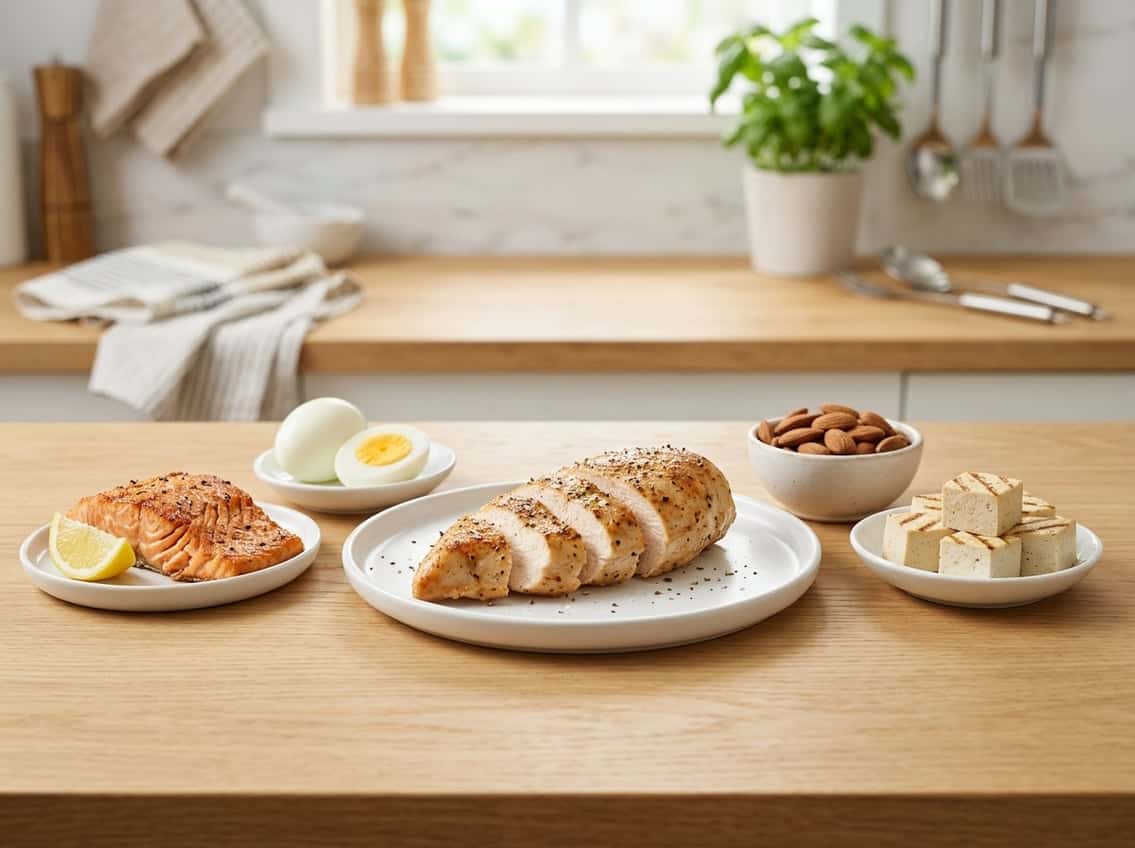
Chicken breast is usually a strong choice when you want protein without much sodium.
It is often lower in sodium than many processed proteins, and it can be easier to keep low than restaurant meals or flavored packaged foods.
Chicken Thigh vs. Breast
Chicken thigh and chicken breast are both naturally low in sodium when plain.
Chicken thigh often has a little more fat, while chicken breast is leaner.
If you want to reduce sodium and keep calories lower, breast is usually the more common pick.
If you prefer thigh, plain and unseasoned is still the key.
Lentils and Other Lower-Sodium Options
Lentils are naturally very low in sodium when cooked without salt.
They can be a strong choice if you want protein plus fiber.
Other low-sodium options include eggs, plain tofu, and unsalted nuts, depending on your diet and protein needs.
These foods can help you build variety into a lower-sodium eating pattern.
Picking the Best Protein for a Low-Sodium Diet
Plain chicken breast is often one of the easier low-sodium proteins to use in daily meals. You can keep the sodium low when you buy fresh cuts and season them yourself.
Choose plain proteins for the lowest possible sodium. Build flavor with herbs, citrus, vinegar, and spices instead of salt.


