
What Are Chicken Breast Fillets? Key Differences
You often see what are chicken breast fillets on packages, in recipes, and at the butcher counter. The term can mean slightly different things in the US market.
Most of the time, it refers to a boneless, trimmed piece of meat taken from the chicken breast. If you want a fast-cooking, lean cut that is easy to portion and adapt to many meals, chicken breast fillets are a practical choice.
That is why they show up so often in quick dinners, meal prep, salads, and pan-seared dishes.
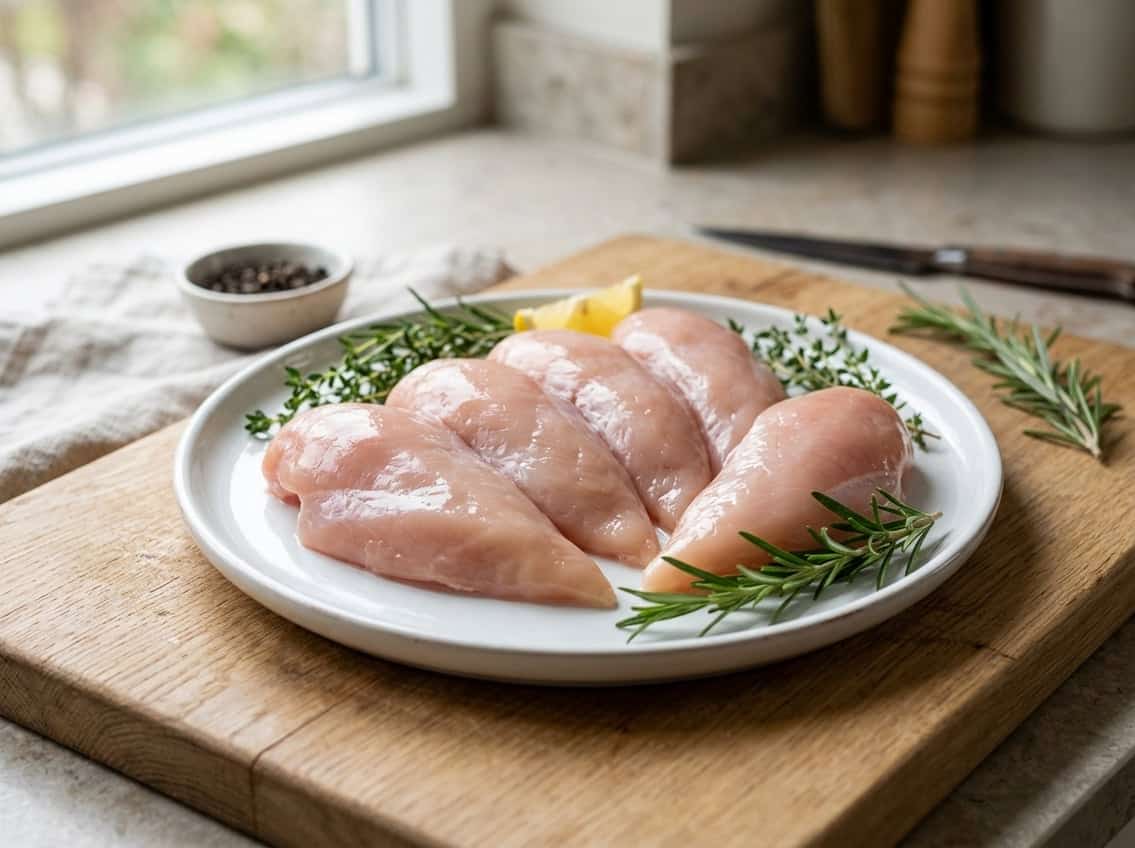
Some stores use “chicken breast fillet,” “chicken fillet,” and “chicken breast” almost interchangeably. Others use “fillet” to mean a thinner, trimmed piece.
That difference affects cooking time, texture, and how the meat fits into your recipe.
What This Cut Actually Refers To
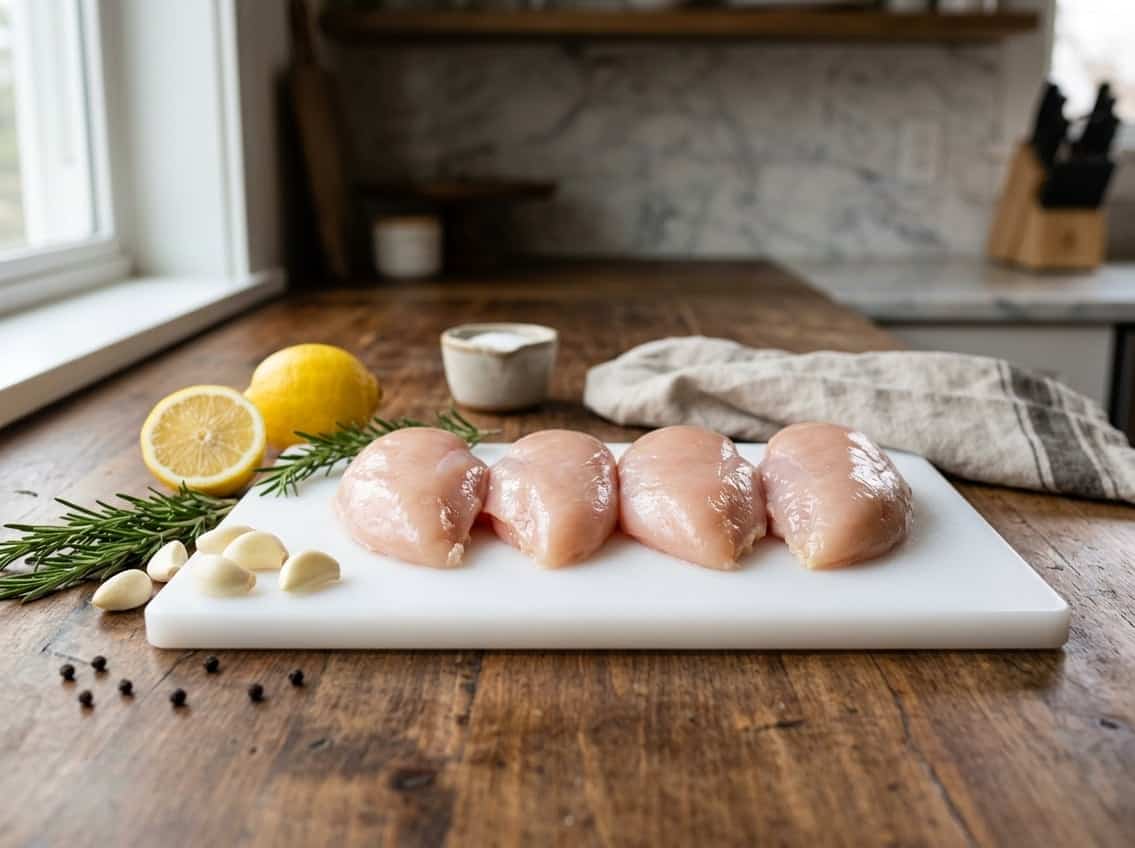
A chicken breast fillet is usually a boneless piece of breast meat with the skin removed and any extra fat trimmed away. In many US stores, it is very close to a standard chicken breast, though the fillet label often suggests a neater, thinner, or more ready-to-cook shape.
It comes from the breast area of the bird, not the leg or thigh. Because the label is used loosely, you may see the same item called a chicken breast, chicken breast fillet, or chicken fillet depending on the store or recipe.
Where It Comes From on the Bird
The breast comes from the pectoral muscle, which is the large muscle on the front of the chicken. That is the part most people buy for boneless white meat.
A chicken breast fillet usually refers to the larger breast muscle after trimming. Sometimes, the smaller inner piece is sold separately as a tenderloin.
How It Differs From a Whole Breast
A whole chicken breast is often thicker and may be sold as a larger single piece. A fillet is usually more uniform and may be trimmed for easier cooking.
That shape matters. A thinner, flatter cut cooks more evenly and is easier to slice for sandwiches, salads, and cutlets.
According to a practical cut guide, store labels may also shift from one packer to another, which is why the same piece can appear under different names.
Common Store Labels and Butcher Terms
You may see these labels used in the US:
- Chicken breast fillet
- Chicken fillet
- Boneless skinless chicken breast
- Skinless breast portion
These labels often describe the same basic cut, with small differences in trimming or thickness. A butcher may also use the term to describe a breast that has been portioned for fast cooking, rather than a full, thick breast.
Texture, Nutrition, and Why People Choose It
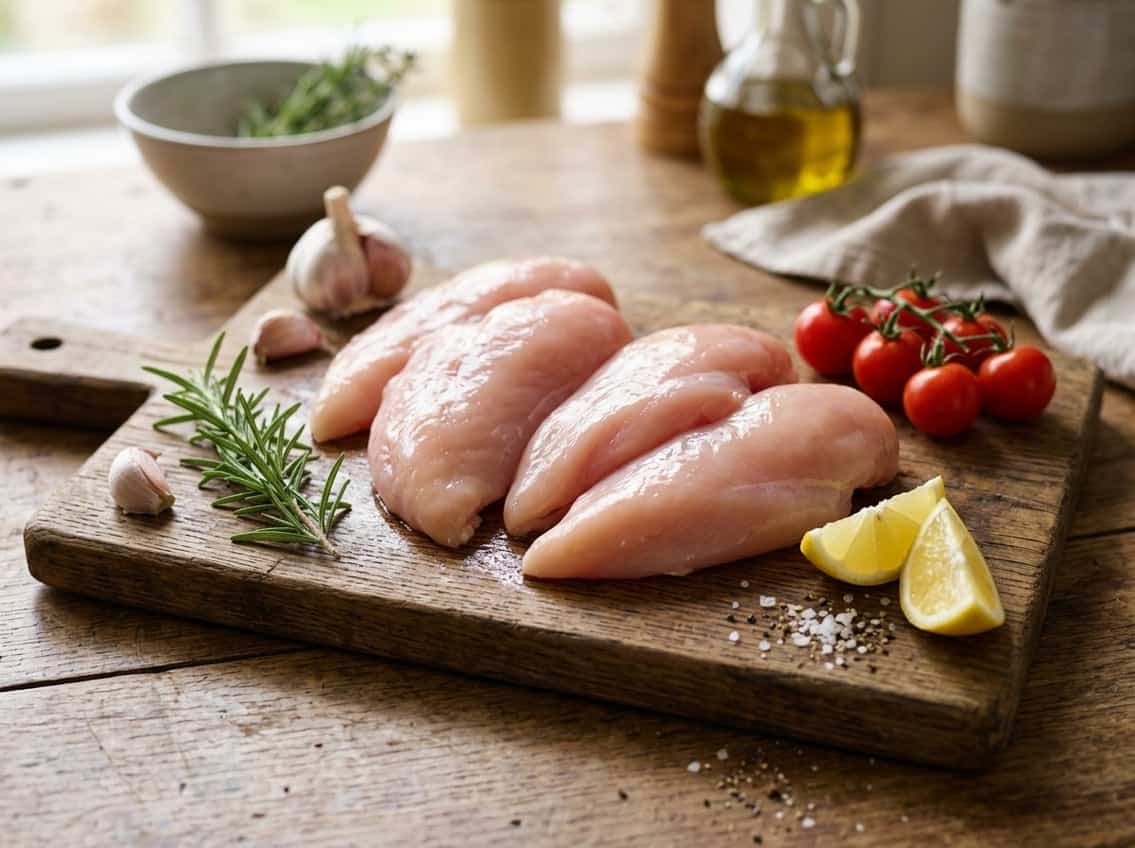
Chicken breast fillets are popular because they are mild in flavor, low in fat, and easy to shape into many meals. Their texture depends a lot on thickness and cooking method, which is why they can taste tender and juicy when handled well.
They are also a common choice when you want a high-protein meat that fits a lighter meal. The main tradeoff is that lean meat dries out faster than fattier cuts if you overcook it.
Tenderness, Thickness, and Moisture
A thinner fillet cooks quickly, which helps you get dinner on the table faster. It also means the line between tender and dry can be narrow.
A thicker breast fillet holds more moisture, but it takes more time to cook through. If the thickness is uneven, the thinner side can overcook before the thicker side is done.
Protein, Iron, and Nutritional Value
Chicken breast fillets provide protein and overall nutritional value, especially when you want a lean meal. They fit well in high-protein lunches, post-workout meals, and simple family dinners.
They are also commonly chosen as a lean protein option compared with darker cuts. For a broader comparison of chicken cuts, a chicken breast versus fillet guide notes that people often choose between them based on texture, taste, and cooking style.
When It Is the Better Lean Option
Choose chicken breast fillets when you want:
- A lighter meal with less fat
- Quick cooking without much prep
They work well for easy slicing for salads, wraps, or stir-fries. Fillets also make a mild base for sauces and seasonings.
If you want something rich and forgiving in longer cooking, another cut may suit you better.
Best Cooking Methods for Consistent Results
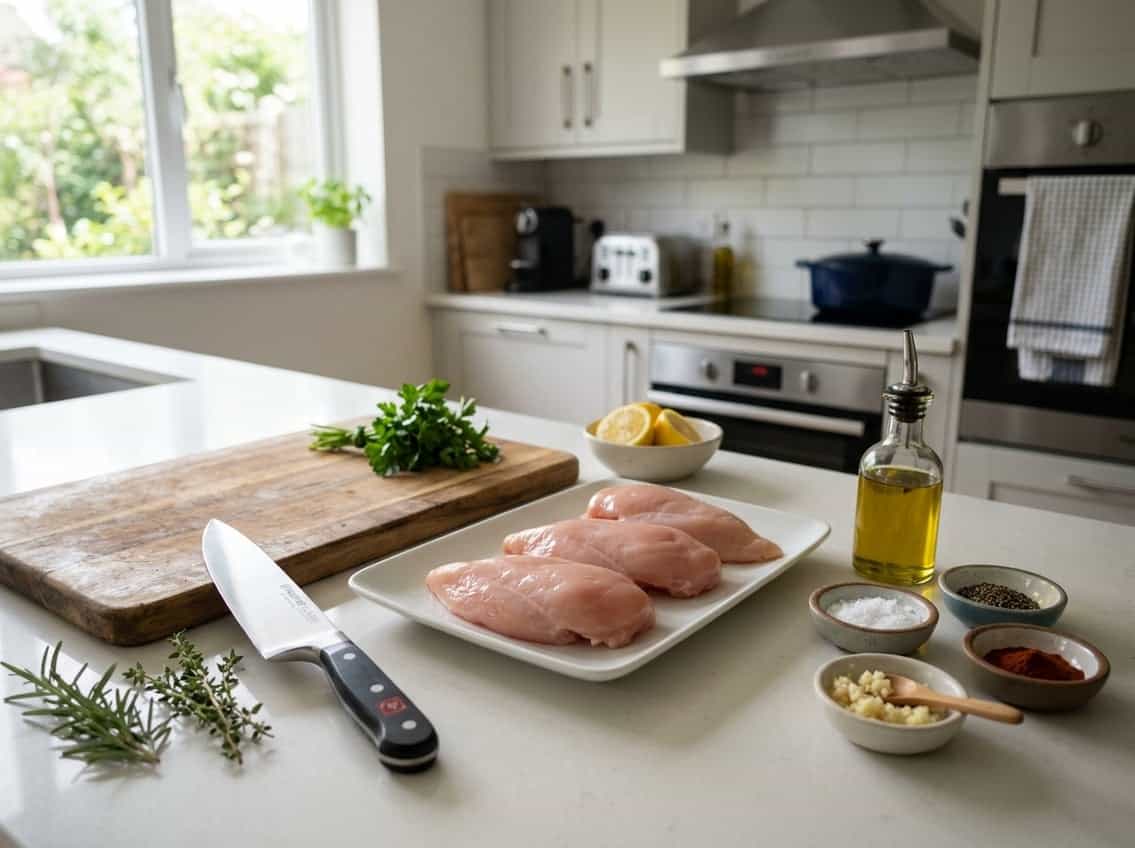
Quick cooking methods suit chicken breast fillets because of their thin, lean structure. Control cooking time and avoid high heat for too long, since that can turn a tender piece into a dry one.
Pan-searing, baking, grilling, and poaching all work well when the piece is evenly sized. If the fillet is thick on one end, lightly pound it or slice it to even out the thickness first.
Quick Cooking Methods That Suit Fillets
These methods are especially useful for chicken breast fillets:
- Pan-searing for browning and speed
- Oven baking for even heat
- Grilling for a light char
- Poaching for very gentle cooking
Thin pieces are ideal for quick cooking methods because they finish fast and stay closer to juicy chicken if you watch the heat.
How Cooking Time Changes by Thickness
A thin chicken fillet may cook in just a few minutes per side in a skillet, while a thicker chicken breast needs more time in the oven or on the stove. Even a small difference in thickness changes the result.
As one cooking guide notes, timing depends heavily on the size of the piece.
How to Keep Fillets From Drying Out
Use these steps to protect tenderness:
- Do not overcook
- Salt lightly before cooking
- Rest the meat before slicing
- Cook to even thickness
- Use a thermometer when possible
Letting the chicken rest for a few minutes after cooking helps the juices settle back into the meat, which improves texture, as noted in this chicken breast fillet method guide.
Best Uses in Everyday Meals
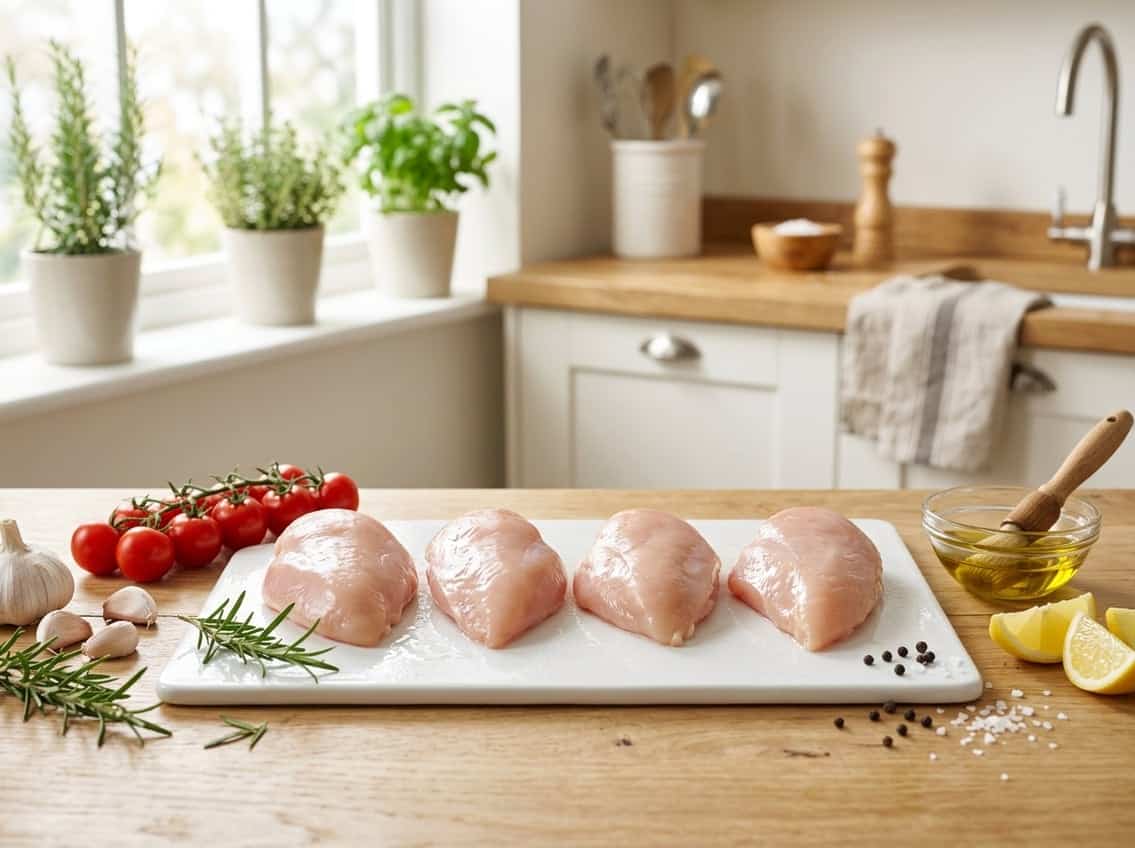
Chicken breast fillets fit meals where you want fast prep, even slices, and a mild flavor that works with many seasonings. They are often a better choice than larger chicken breasts when portion size and speed matter more than having a big centerpiece cut.
You can slice them, cube them, bread them, or keep them whole. That flexibility is part of why they show up in so many simple home recipes.
When to Use Fillets Instead of Larger Breasts
Choose chicken fillets when you want:
- Faster cooking
- Smaller portions
They work well for easy slicing for cold or warm dishes and give more even results in a skillet.
A larger chicken breast works better when you want a thicker serving, a stuffed main dish, or a roasted piece with more presence on the plate.
Popular Dishes Like Chicken Salad and Teriyaki Chicken
Chicken breast fillets are a strong fit for:
- Chicken salad
- Teriyaki chicken
- Chicken sandwiches
- Stir-fries
- Grain bowls
Because they cook quickly and slice cleanly, they are easy to mix into cold or sauced dishes. Many recipe collections, including popular chicken fillet recipe roundups, rely on this cut for fast dinners.
Breaded, Stuffed, and Pan-Fried Options
Thin fillets work well for breaded chicken. You can use them for cutlets or crispy pan-fried meals.
You can flatten and fill them for dishes like chicken cordon bleu.
A thicker chicken breast may be easier to handle for stuffed recipes. Fillets cook fast and brown well in pan-fried meals.


