
Which Chicken Breast Has the Most Protein? What to Compare
Which chicken breast has the most protein? In most cases, the skinless, boneless chicken breast gives you the highest protein content with the least extra fat and bone weight.
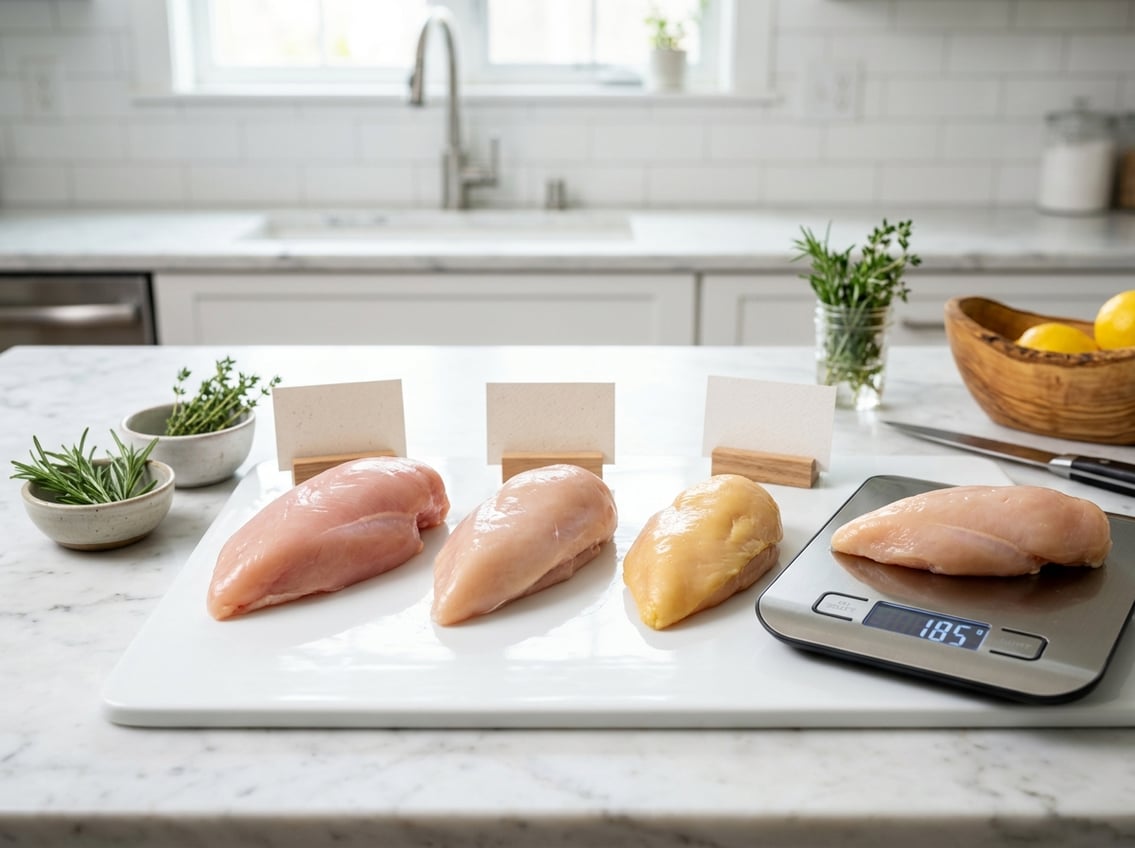
When you compare chicken breast options in the U.S., the numbers change based on raw versus cooked weight, the cut style, and whether the package includes added water or broth. The label matters as much as the meat itself.
If your goal is maximum protein, check the protein per 100g on a skinless, boneless breast, then check the serving size and whether the weight is raw or cooked.
What Gives You the Highest Protein Amount
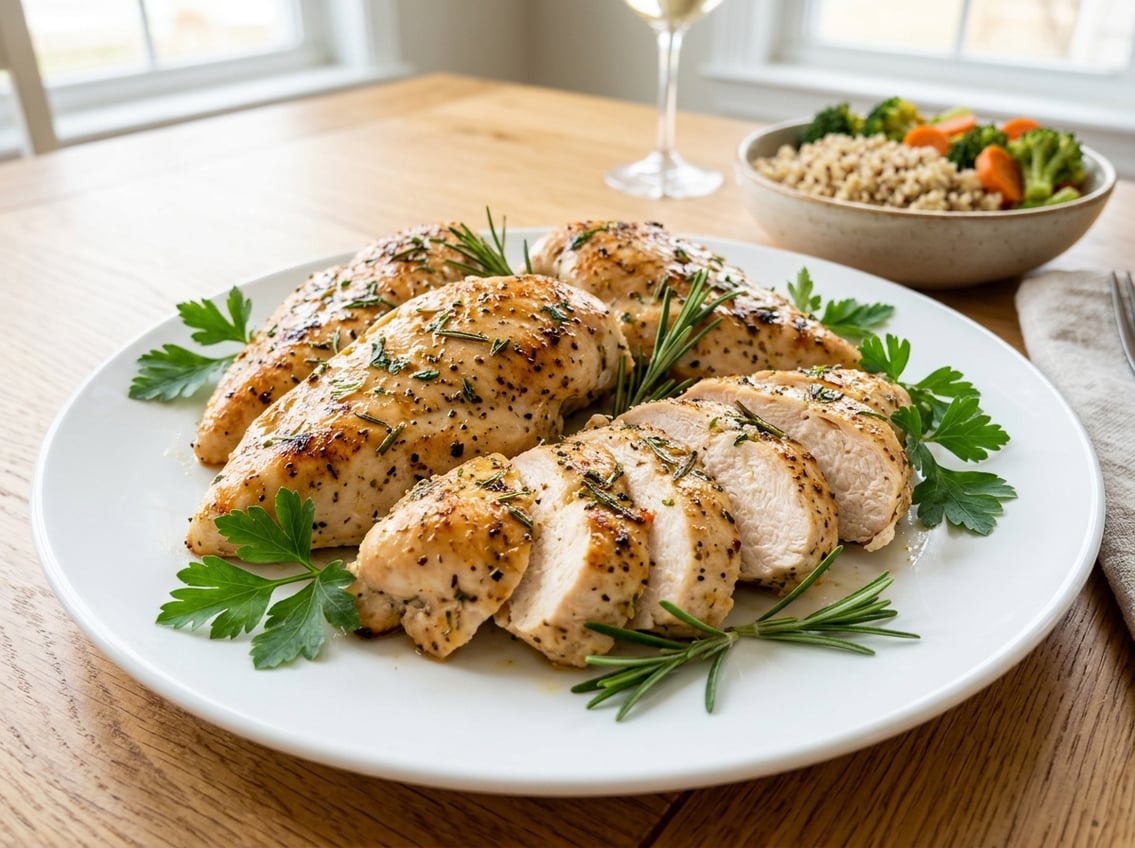
The leanest part of the bird, the chicken breast, gives you the highest protein amount. Chicken breast contains mostly muscle tissue with very little connective tissue or fat.
A cooked chicken breast often has about 31g of protein per 100g, which makes it a top choice for high-protein meals, as shown in a cooked chicken breast nutrition breakdown.
Cooked vs Raw Weight Changes the Numbers
Cooking removes water, so raw and cooked chicken do not weigh the same. That means 100g of raw chicken breast does not give you the same protein number as 100g of cooked chicken breast.
Use the same weight state each time when you compare labels or nutrition charts. A raw breast may show a lower protein number per 100g than a cooked breast, even though the actual protein content stays the same.
Why Skinless Boneless Breast Usually Leads
Skinless, boneless breast gives you the most protein because you buy meat, not bone or skin. According to The Daily Meal’s chicken cut comparison, raw boneless skinless breast provides more protein than thighs, drumsticks, or wings at the same weight.
Less non-meat weight means more usable protein per bite.
Protein Per 100g vs Per Serving
Protein per 100g lets you compare foods fairly. Per serving helps you plan your meal.
A 3 to 4 ounce serving is a common portion size in U.S. meal planning and usually gives you about 20 to 26 grams of protein depending on whether the chicken is raw or cooked.
If you only look at serving size, a larger cut can seem better even when it is not as protein-dense.
How to Compare Chicken Breast Options Correctly
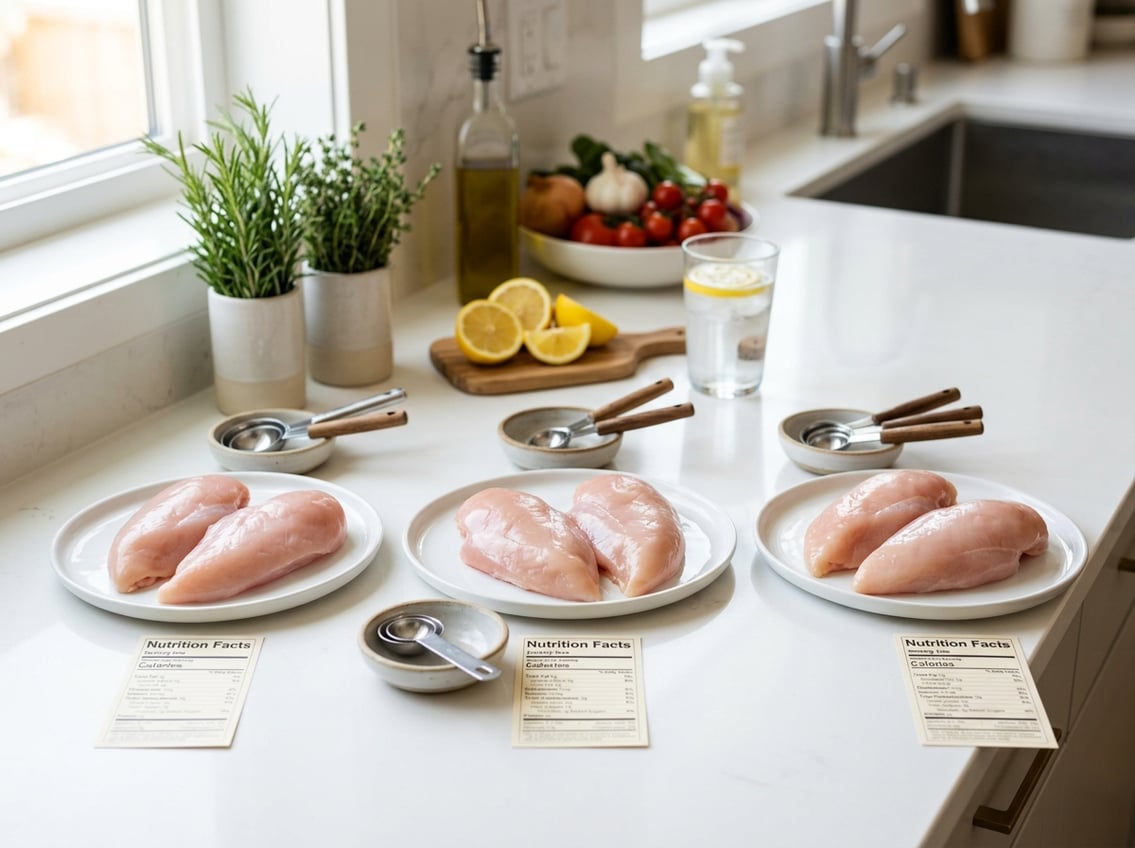
Look at the cut, the label, and the calories together to compare chicken breast options well. The best choice is the one that gives you the best protein-to-calorie ratio for your goal.
Small differences in cut style and packaging can change the protein content enough to matter in meal prep or tracking.
Fresh Breast vs Tenderloins vs Split Breasts
Fresh breast meat is usually the easiest to compare because the label is simple. Tenderloins are also lean and high in protein, though they are smaller and easier to overcook.
Split breasts include bone and sometimes skin, so they weigh more because part of what you buy is not meat. That lowers the protein you get per 100g of product.
Store-Bought Labels and Added Solutions
Many store packages in the U.S. include added broth, water, or salt solution. That extra liquid increases package weight without adding much protein.
Check the ingredient list and wording on the front label. If the package says “contains up to X% solution,” the protein-to-calorie ratio may be lower than plain chicken breast.
Protein-to-Calorie Ratio for Leaner Choices
If you want lean protein, the protein-to-calorie ratio matters as much as the grams of protein. Skinless chicken breast gives high protein with low fat.
Plain breast meat works well for cutting calories while keeping protein high. It is one of the easiest foods to fit into a lower-calorie plan without giving up much protein density.
How Chicken Breast Compares With Other Chicken Cuts
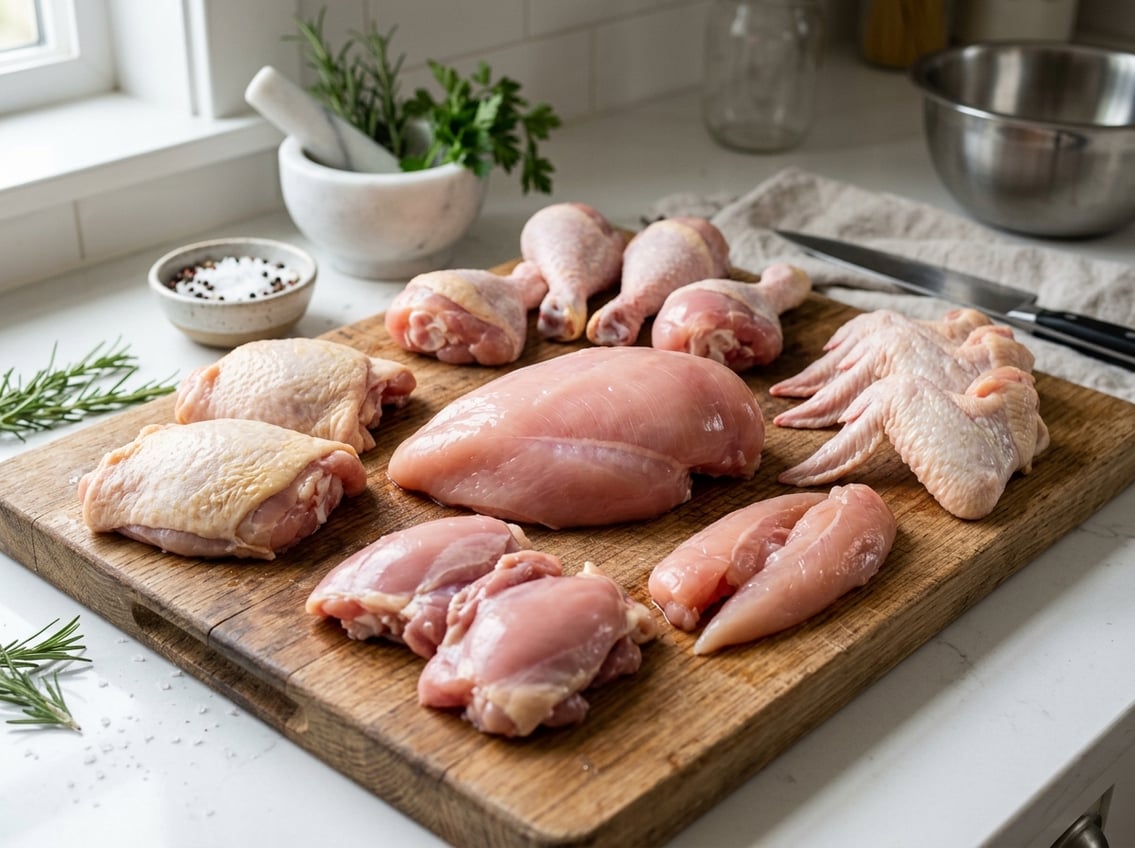
Chicken breast leads for protein density, but other cuts can fit different meals and budgets. The main difference is how much of the weight is meat versus skin, bone, and fat.
Breast gives you the strongest protein per 100g, while darker cuts often bring more flavor and more fat.
Breast vs Thigh for Protein Density
Chicken thighs have good protein, but they usually give less protein per 100g than breast. Breast is the better choice when your main goal is maximum protein content in a smaller calorie budget.
Thighs can still be a good option if you want more taste and a little more fat. They are just less lean than breast, so the protein-to-calorie ratio is usually lower.
Breast vs Drumstick and Wings
Drumsticks and wings have more bone and skin compared with breast meat. That reduces the amount of meat you get per serving, which lowers protein density.
Wings and drumsticks trail breast and often sit closer to thighs in protein amount, depending on how they are prepared, as shown in a chicken cut comparison from The Daily Meal.
When Dark Meat May Still Fit Your Goal
Dark meat can work if your goal is flavor, budget, or easier meal variety. You may also prefer it if you need more calories and do not want extremely lean meals.
If your daily protein target is already met, thighs or drumsticks can make meals more satisfying. The best cut is the one that fits your total diet.
Best Choice for Different Nutrition Goals
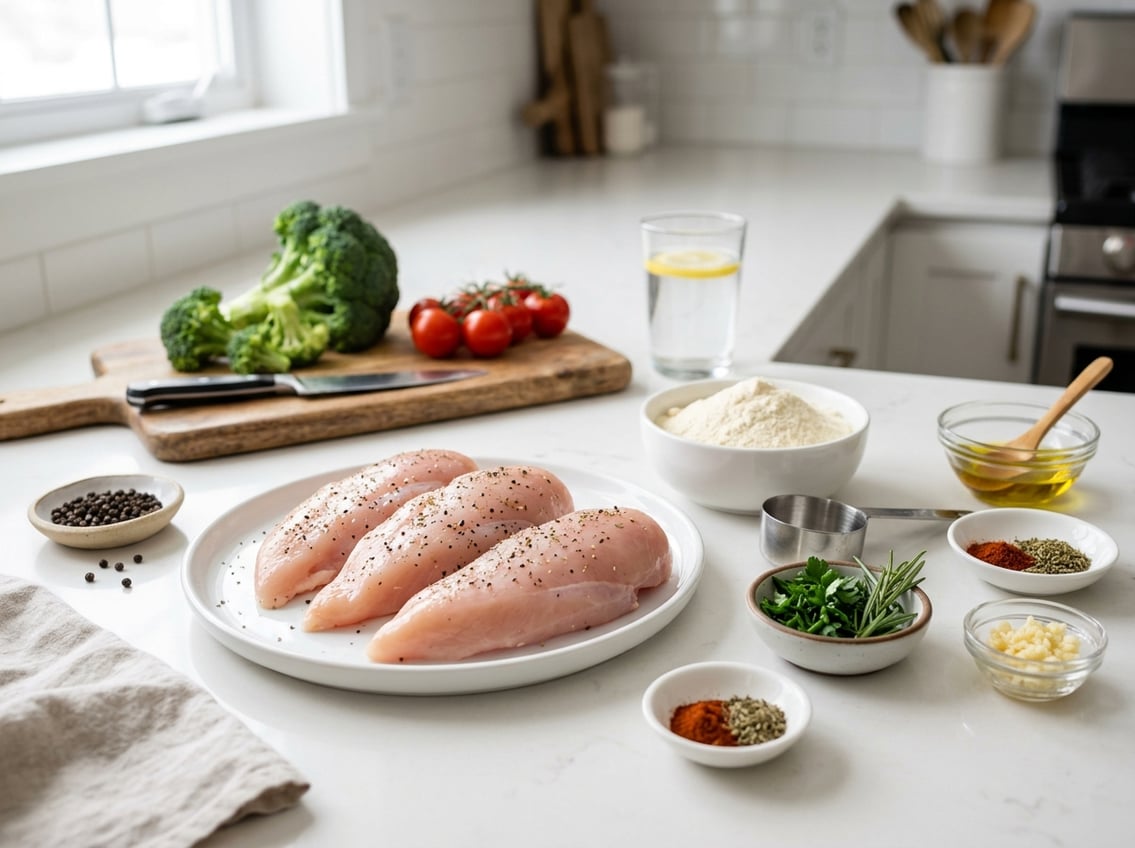
Your best choice depends on what you want from the meal. If you want the most protein with the least extra fat, skinless chicken breast is the best pick.
If you want more calories for training or a fuller meal, a different cut may fit better.
Best Option for Fat Loss and High Protein
For fat loss, plain skinless chicken breast is usually the best fit. It gives you a strong protein-to-calorie ratio, which helps you stay full while keeping calories controlled.
You can add vegetables, rice, or potatoes around it without pushing the meal too high in fat.
Best Option for Muscle Gain and Meal Prep
For muscle gain, chicken breast works very well because it makes it easier to hit a high daily protein target. It also stores and reheats well, which helps with meal prep.
If you need more calories, you can pair breast with grains, olive oil, avocado, or sauces. That keeps the protein high while raising total energy intake in a controlled way.
Best Way to Portion Chicken Breast Accurately
Weigh chicken breast with a kitchen scale for the most accurate portions.
Decide whether you will track raw or cooked weight, and stay consistent.
A food scale helps you compare brands and cuts more fairly.
For the cleanest protein comparison, use the same weight state, cut, and label type each time.


