
Why Chicken Breast Is the Best for Nutrition and Cooking
Chicken breast gives you a strong mix of lean protein, useful nutrients, and easy meal options. If you want a protein choice that fits a healthy diet without making cooking harder, chicken breast is one of the most practical options in the grocery store.
The main reason chicken breast stands out is that it gives you high protein, low fat, and enough cooking flexibility to work in everyday meals. That mix helps with health goals and weeknight dinner planning.
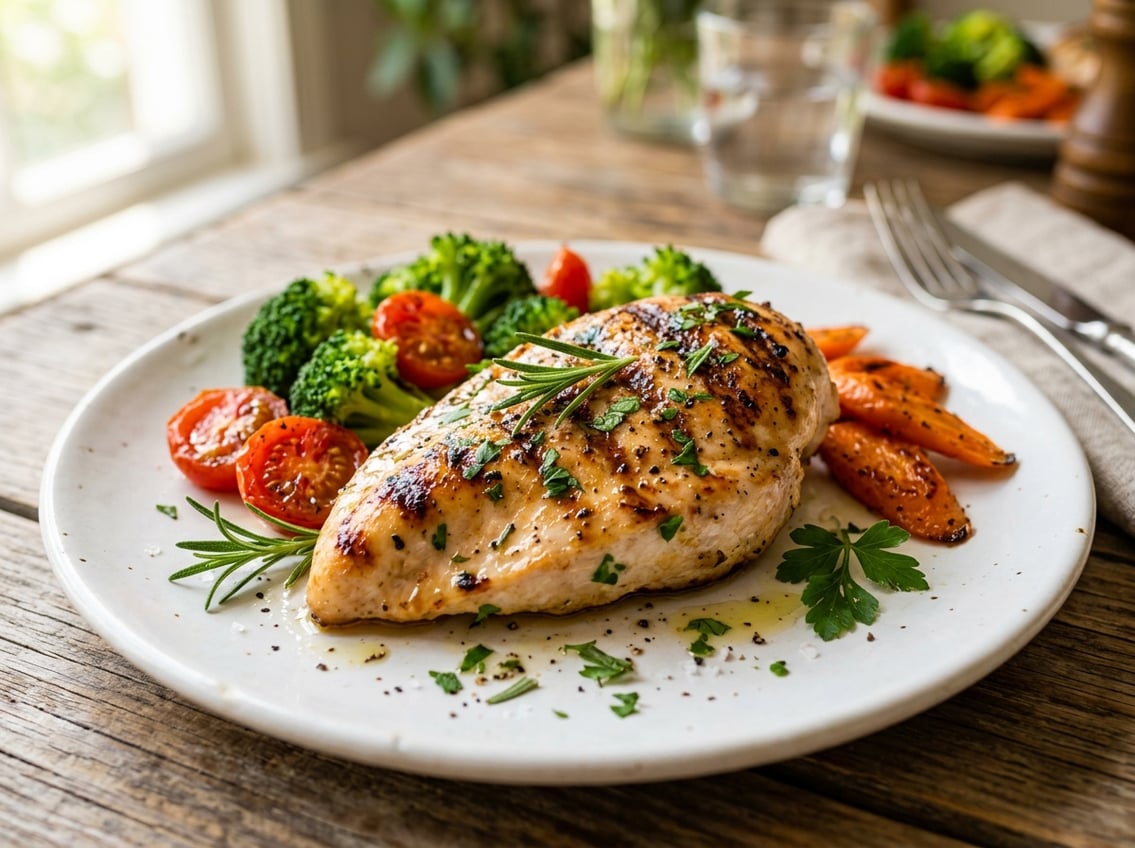
Chicken breast offers more than just protein. It brings benefits that fit weight control, muscle support, and a balanced plate.
What Makes It a Smart Protein Choice
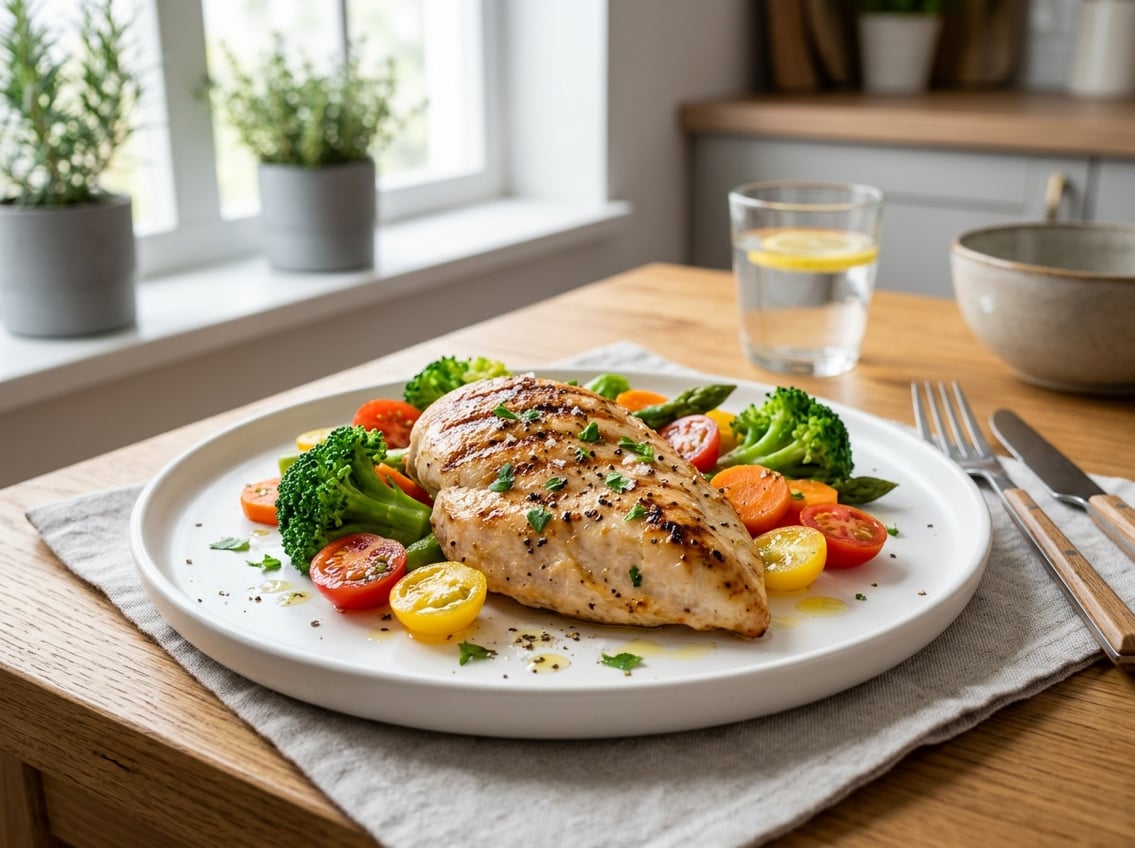
Chicken breast works well when you want a lean protein that supports your diet without much extra fat. It gives you several key vitamins and minerals in a simple, familiar white meat.
Lean Protein With Low Fat and High Satiety
Chicken breast is naturally low in fat and high in protein, which makes it a strong fit for a healthy diet. A typical cooked serving gives you a lot of protein for relatively few calories and helps you stay full after meals, as noted in a chicken breast nutrition guide.
That combination matters when you want a protein choice that supports better portion control. Lean protein gives you a reliable base for meals with grains, vegetables, and beans.
Key Nutrients Like Niacin, Vitamin B6, Selenium, and Phosphorus
Chicken breast provides niacin, vitamin B6, selenium, phosphorus, and other B vitamins that support energy use and normal body function, according to an in-depth chicken breast nutrition overview.
Selenium supports antioxidant defenses, phosphorus helps with bones and muscles, and niacin and vitamin B6 play roles in metabolism.
How White Meat Fits Into a Healthy Diet
White meat like chicken breast fits easily into a healthy diet because it is mild, simple to season, and easy to pair with vegetables and whole grains. It gives you structure without adding much fat or heavy flavor.
You can use it in bowls, salads, wraps, and main dishes without changing your whole menu.
Why It Appeals to Health and Fitness Goals
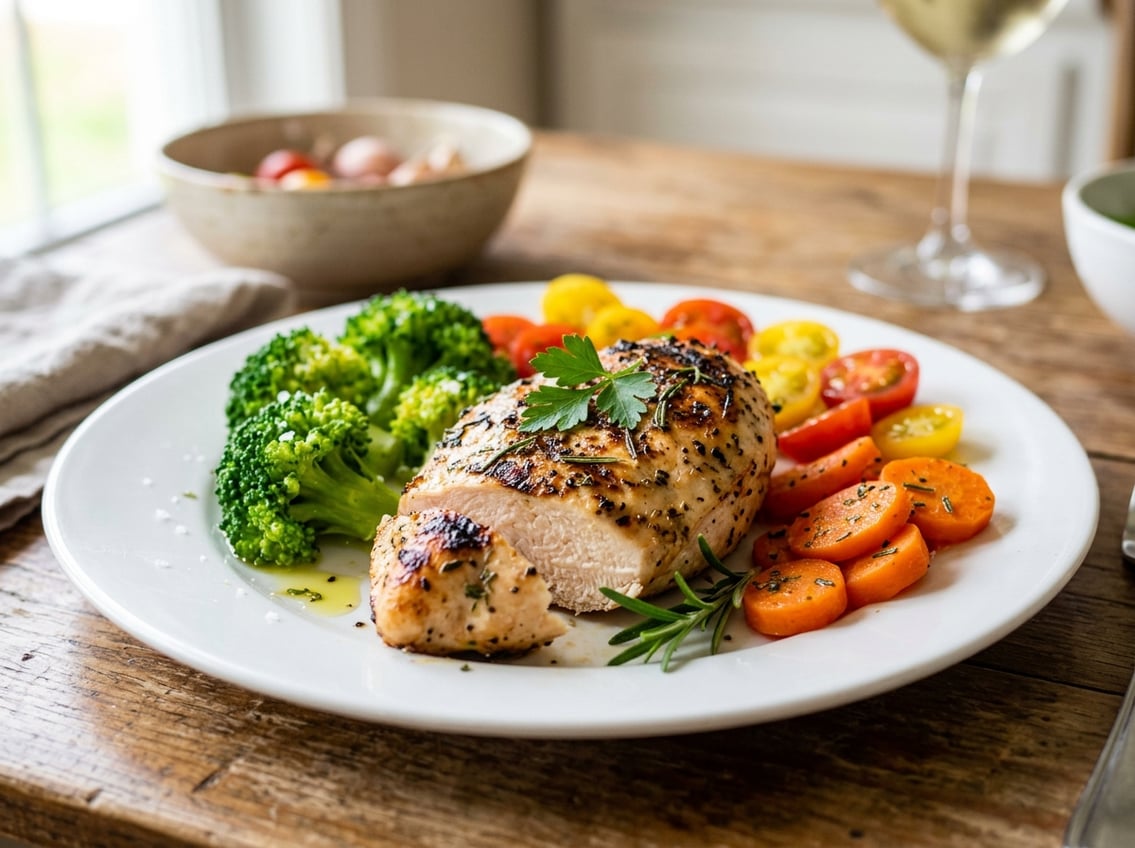
People who want clear results from their food choices often choose chicken breast. It supports weight management, heart health goals, and muscle building because it gives you a lot of lean protein with very little fat.
Weight Management Benefits
If you are managing your weight, chicken breast gives you a strong protein-to-calorie ratio. Protein helps you feel full, and that can make it easier to stay within your calorie target.
It helps you build meals that feel satisfying without adding a lot of extra calories.
Heart Health and Lower Saturated Fat Intake
Chicken breast works better than many fattier protein options when you want to keep saturated fat lower. Choosing lean protein more often can support a heart-conscious eating pattern.
More protein and less fat make it useful in meal plans that focus on balanced eating.
How Chicken Breast Helps Build Muscle
If your goal is to build muscle, chicken breast gives you the amino acids your body uses for repair and growth. It is a practical food choice after workouts or in higher-protein meal plans.
A lean protein guide for chicken breast explains that its low-fat, high-protein profile makes it a common fit for fitness goals.
Why It Works So Well in Everyday Cooking
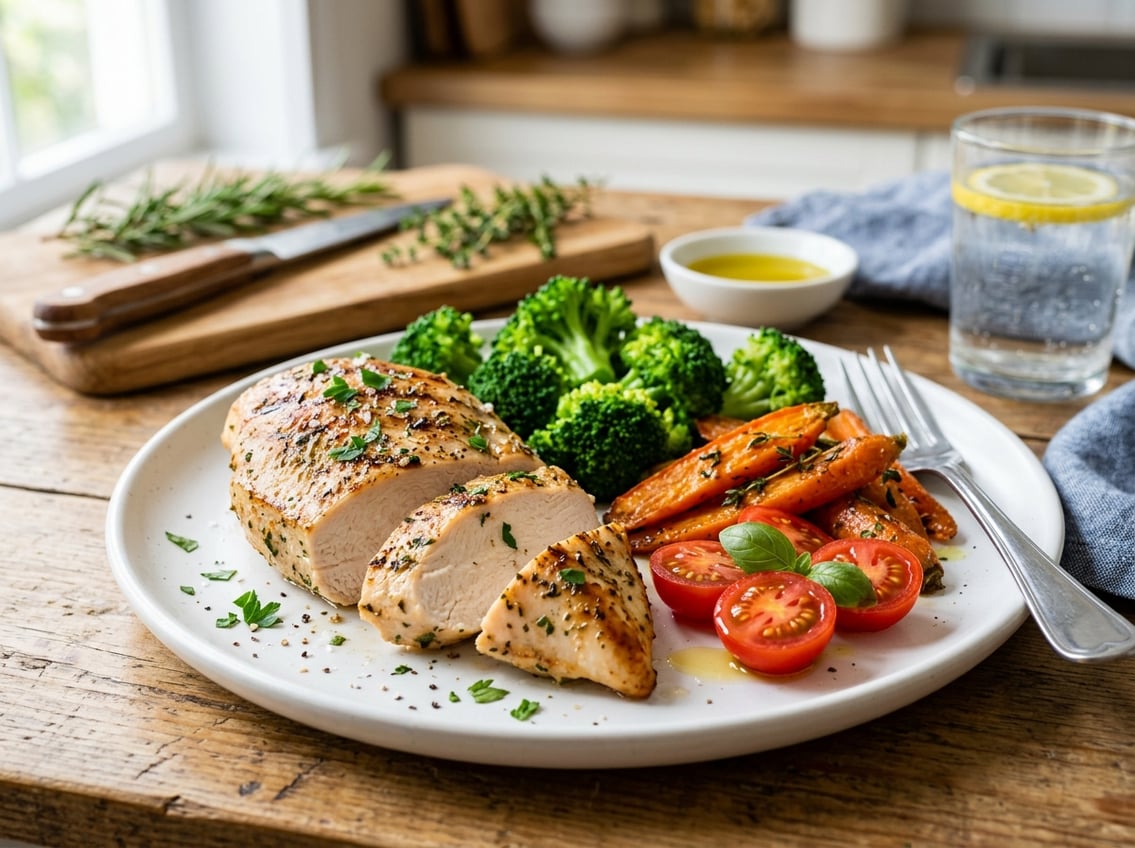
Chicken breast offers real culinary versatility. You can grill, bake, or roast it, and it still fits a wide range of sauces, sides, and cuisines.
Culinary Versatility Across Meals and Cuisines
Chicken breasts work in simple weekday meals and more structured recipes. Their mild flavor lets them absorb seasoning well, which is why they fit so many dishes, as noted by Cook Answers.
You can slice them for salads, dice them for stir-fries, or serve them whole with vegetables.
Best Cooking Methods for Flavor and Juiciness
Grilling, baking, and roasting all work well for chicken breast. Each one can give you good flavor if you season well and avoid overcooking.
Grilled chicken breast works well when you want light char and a clean taste. Baking and roasting keep cooking simple while letting you build flavor with marinades, herbs, or sauces.
Popular Dishes From Grilled Chicken Breast to Chicken Parmesan
Grilled chicken is one of the most common ways to use chicken breasts, especially for salads, bowls, and meal prep. Chicken parmesan is another familiar favorite, since the cut holds up well with sauce and cheese.
You can make chicken breast look simple on one night and feel like comfort food on another.
Buying, Storing, and Choosing the Right Cut

Choose the right chicken breasts by thinking about taste, texture, price, and storage. These factors matter when you want a protein choice that works for the whole week.
Chicken Breast vs. Chicken Thighs
Chicken thighs are often richer and juicier, while chicken breast is usually leaner. If your goal is a lower-fat protein choice, chicken breast is usually the better fit.
Chicken thighs can still work well in many recipes, especially when you want more flavor.
When Free-Range Chicken Is Worth Considering
Free-range chicken can be worth choosing if you care about farming practices, label quality, or texture differences. It may cost more, so it helps to decide whether those factors matter for your budget and cooking style.
For many shoppers, the most important step is picking fresh chicken breasts with a clean smell and firm texture. Label claims matter less than safe handling and good preparation.
How to Store and Freeze Chicken Safely
Store raw chicken breasts in the refrigerator and use them within a few days. Freeze chicken if you do not plan to cook it soon.
Proper storage preserves quality and reduces food safety risks. You can find more information in chicken storage guidance.
Seal frozen chicken well and label it with the date. Track your chicken easily this way.
Thaw chicken in the refrigerator, not on the counter. This keeps your meals safer and your protein ready when you need it.


