
When Is Chicken Breast Spoiled? Signs and Storage
You should answer when chicken breast is spoiled before you cook, taste, or store leftovers.
Chicken breast can look normal and still be unsafe. You need to check time, temperature, smell, texture, and color before you trust it.
If you keep chicken breast too long, store it too warm, or notice clear signs of spoilage, throw it out instead of guessing. That choice lowers your risk of foodborne illness and keeps your kitchen safer.
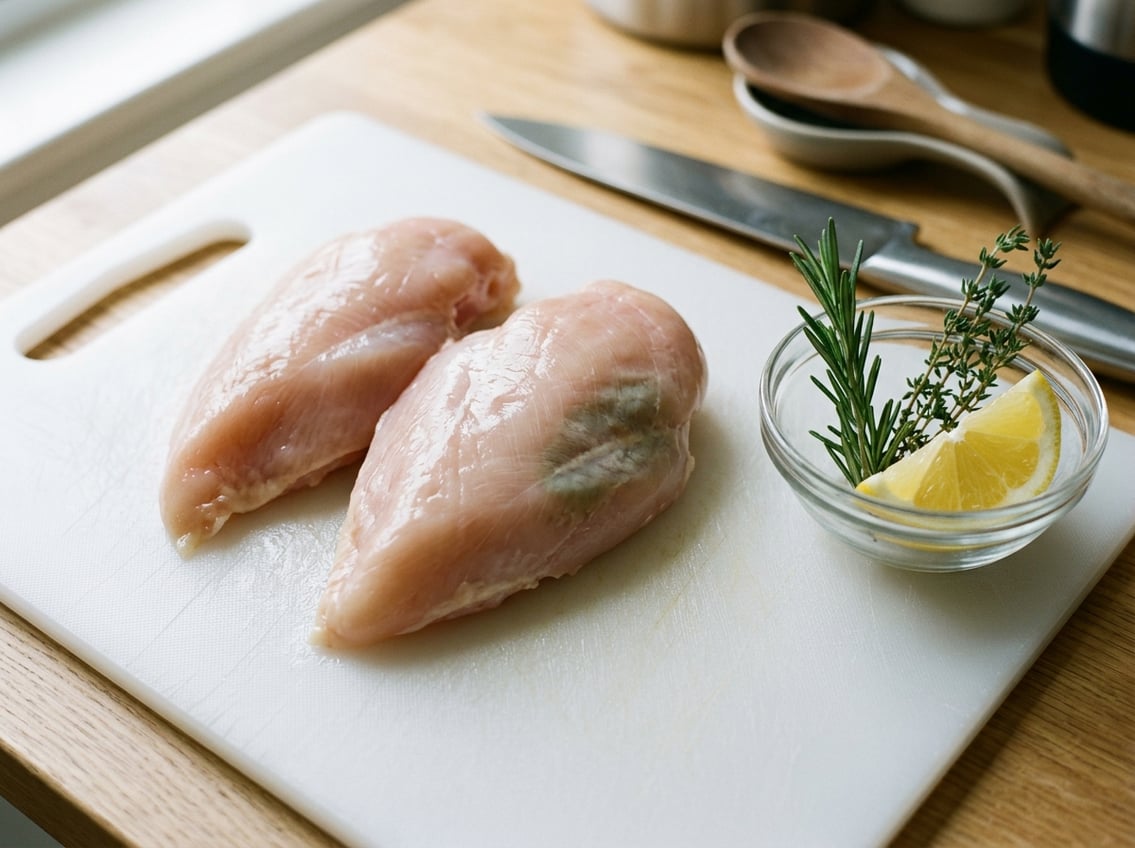
Fresh chicken should stay cold, smell mild, and feel firm.
Once it turns slimy, sour, gray, green, or moldy, it is no longer safe to use.
Proper storage matters since chicken breast can spoil quickly in the temperature danger zone.
What to Check First Before Cooking or Eating
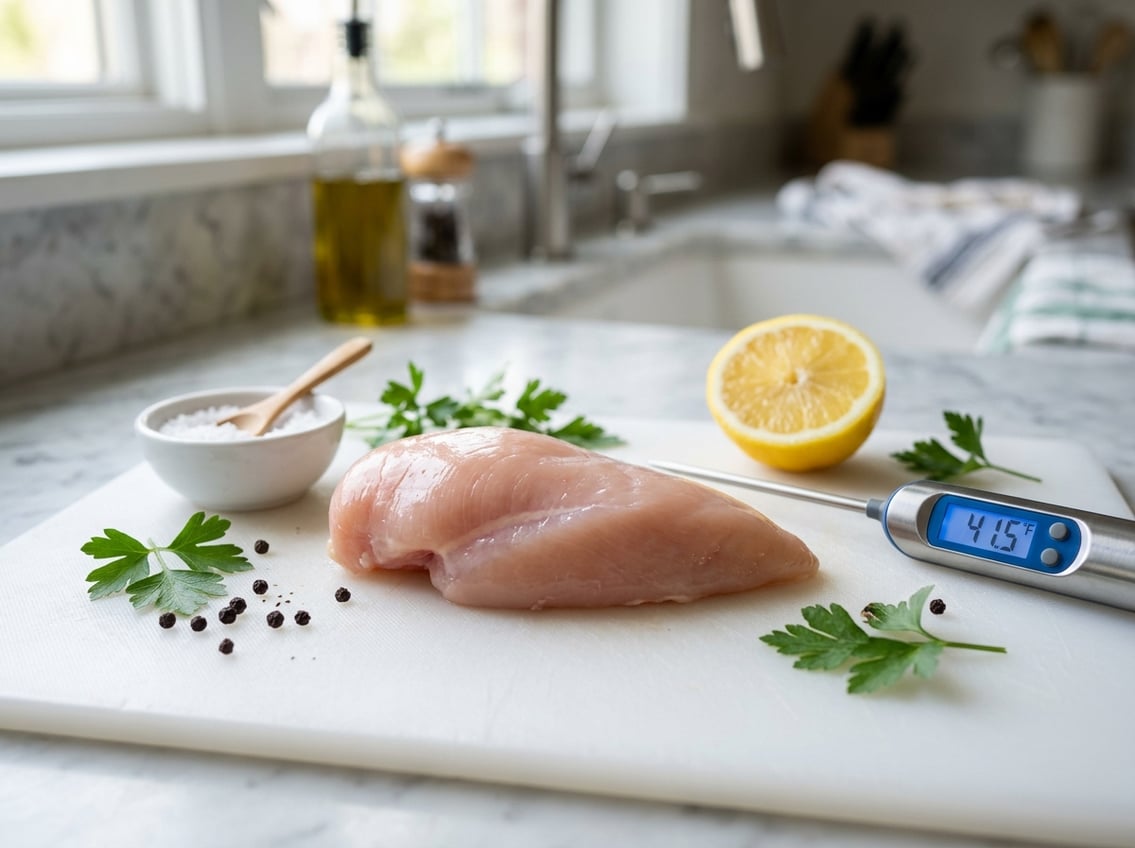
Check time and temperature before relying on smell or appearance.
Chicken that sits above 40°F for too long can grow harmful bacteria even if it still looks normal.
If you are unsure how to tell if chicken is bad, check storage history first.
Inspect the chicken breast closely for a bad smell, sticky texture, or unusual color.
Anything that spends too long in the temperature danger zone is not safe.
Use Time and Temperature Before Smell or Appearance
Keep raw chicken breast refrigerated at 40°F or below.
Cook or freeze it within 1 to 2 days of purchase, according to CookinDocs.
If it was left out for more than 2 hours, or 1 hour in hot weather above 90°F, discard it.
Signs of Spoilage in Raw Chicken Breast
Spoiled raw chicken often smells sour, sulfur-like, or ammonia-like.
You may see slimy, sticky, grayish, greenish, or dark spots. Mold on chicken breast is a clear reason to throw it away.
Fresh raw chicken should feel moist, not tacky or slippery.
If the texture changes a lot, that is a clear sign of spoilage.
Signs of Spoilage in Cooked Chicken Breast
Cooked chicken breast that has gone bad may smell off, feel slimy, or show mold.
If the color changes in a strange way or the leftovers have sat too long in the fridge, do not taste them.
Treat questionable cooked chicken the same way you would raw spoiled chicken.
If you are unsure, throw it out.
Why Chicken Can Be Unsafe Even Without Obvious Changes
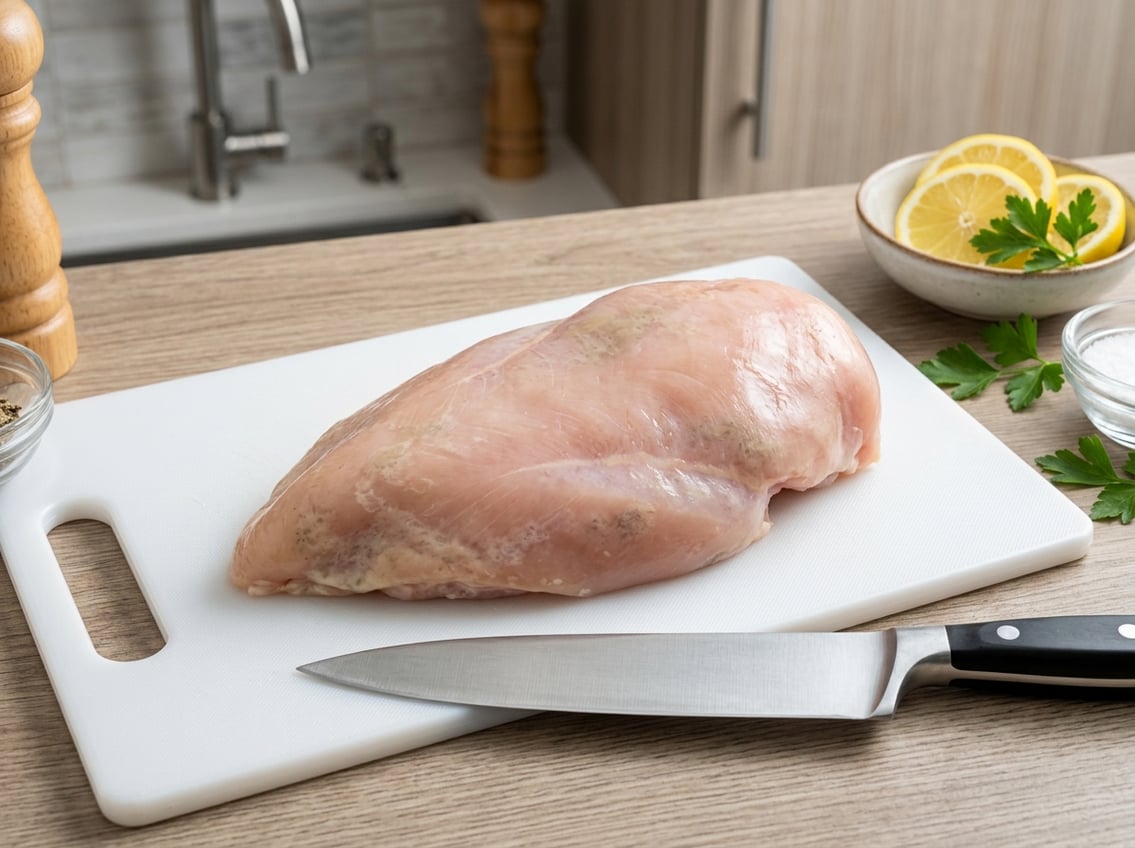
Chicken can carry harmful bacteria before you notice strong signs of spoilage.
Your chicken breast may look and smell fine while still causing food poisoning.
Some bacteria grow fast when chicken is held too warm or handled poorly.
Visible changes are not enough on their own.
Common Bacteria Linked to Poultry
Raw poultry often contains salmonella and campylobacter. It can also carry e. coli.
These bacteria can cause foodborne illness with symptoms such as nausea, vomiting, diarrhea, stomach cramps, and fever.
Why Smell and Color Are Not Enough
A chicken breast can stay pale and mild smelling while bacteria grow.
Temperature and time matter more than a quick sniff or glance at the surface.
Unsafe chicken does not always smell bad yet.
You should never use smell alone as your safety test.
When to Throw It Out Without Guessing
If chicken was left out in the temperature danger zone or you cannot confirm how long it has been stored, discard it.
Throw it out if you see any mold, or if the package is swollen, leaking, or badly damaged.
If you are unsure if chicken breast is spoiled, the safest move is to throw it away.
Storage Rules That Keep Chicken Breast Safe Longer
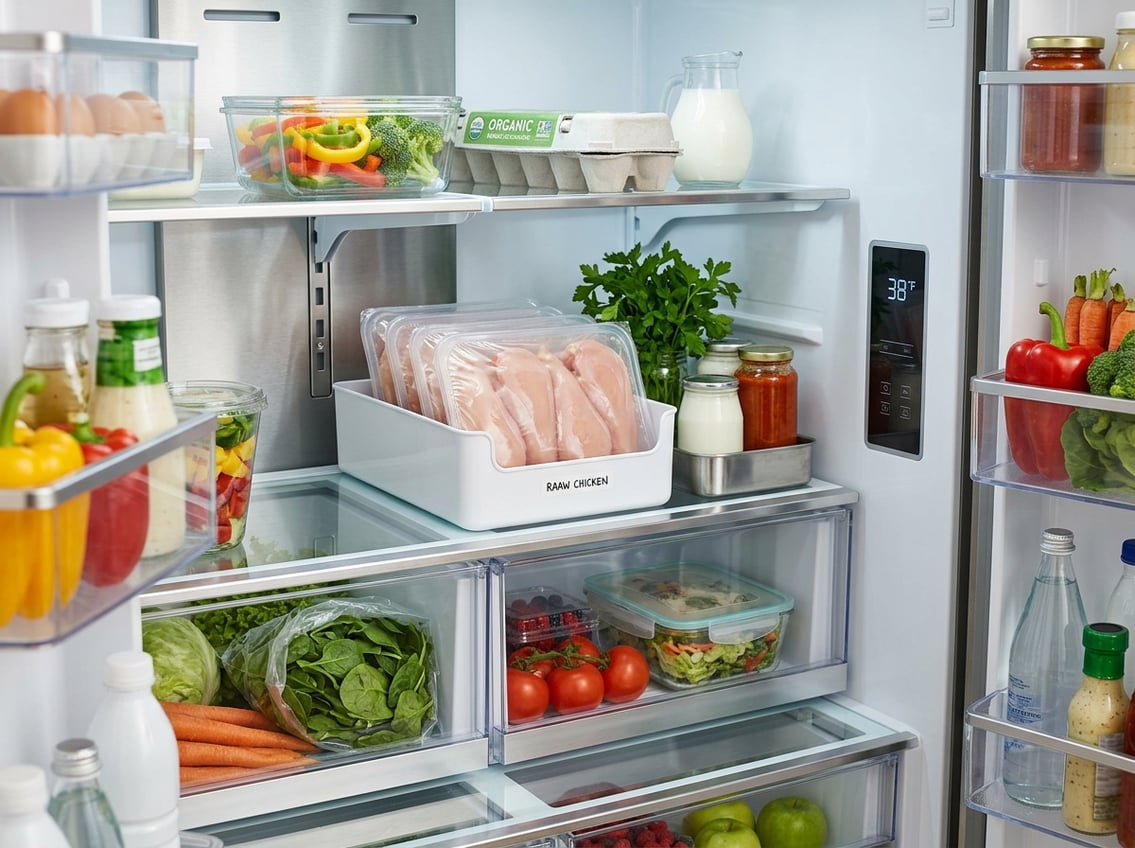
Proper refrigeration and freezing slow bacterial growth and help your chicken last longer.
You still need to follow safe time limits, as storage does not make chicken safe forever.
Store raw chicken breast separately from ready-to-eat foods.
Keep it wrapped so juices do not leak.
The fridge should stay at 40°F or below.
How to Store Raw Chicken in the Fridge
Store raw chicken breast on the bottom shelf in a sealed container or leakproof package.
This keeps it away from cooked foods, produce, and other items that will not be cooked.
Use it within 1 to 2 days, or freeze it if you need more time.
A cold fridge slows spoilage, but does not stop it.
Freezing Chicken Breast the Right Way
Freezing chicken breast can protect quality for months.
Seal it well, remove as much air as possible, and label it with the date.
For best results, freeze chicken breast at 0°F or below.
If freezer burn appears, the chicken may still be safe if it stayed frozen, but the texture and taste may suffer.
Safe Thawing and Leftover Timelines
Thaw chicken in the refrigerator or under cold running water, not on the counter.
Once thawed in the fridge, cook raw chicken soon after thawing.
Put cooked chicken breast leftovers in the fridge within 2 hours.
Use them within 3 to 4 days.
For frozen cooked chicken, CookinDocs notes it can stay frozen for about 2 months.
Handling Mistakes That Increase Risk in the Kitchen
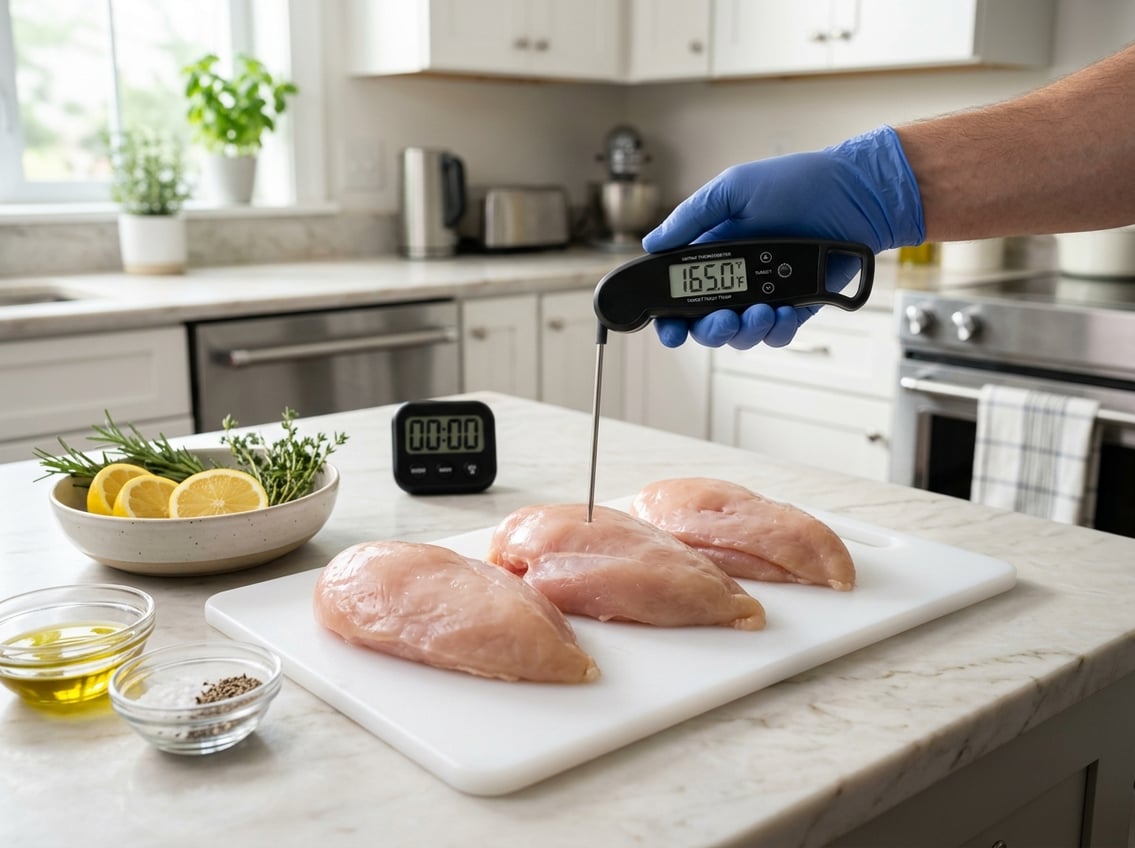
Many chicken-related illnesses start in the kitchen.
Cross-contamination can move salmonella or campylobacter from raw chicken to salads, counters, utensils, and your hands.
Good handling habits lower that risk.
The goal is to keep raw poultry separate from foods that will not be cooked again.
How Cross-Contamination Happens
Cross-contamination happens when raw chicken juices touch other foods or kitchen surfaces.
It can happen through cutting boards, knives, plates, sink splashes, towels, or your hands.
Putting cooked food back on the same plate that held raw chicken spreads bacteria without you noticing.
Ways to Prevent Cross-Contamination at Home
Wash your hands with soap and water after touching raw chicken.
Clean counters, sinks, and utensils with hot soapy water after use.
Keep raw chicken sealed while it stores in the fridge.
Never place it near ready-to-eat foods.
Cook chicken to 165°F for safety.
Separate Cutting Boards and Surface Hygiene
Use separate cutting boards for raw meat and produce if you can.
If you only have one board, wash and sanitize it before using it for anything else.
Dry surfaces that touched raw chicken with paper towels or clean disposable cloths.
This helps prevent bacteria from spreading to other parts of your kitchen.


