
How Should Chicken Breast Smell? Freshness and Safety Signs
Fresh raw chicken should smell very mild, clean, or nearly neutral. A strong sour, ammonia-like, rotten, or sulfur smell warns that the chicken may be spoiled.
The smell of chicken is only one clue when you decide if your chicken breast is safe to cook. You should also check the color, texture, packaging, and date, since bad chicken can sometimes seem normal at first glance.
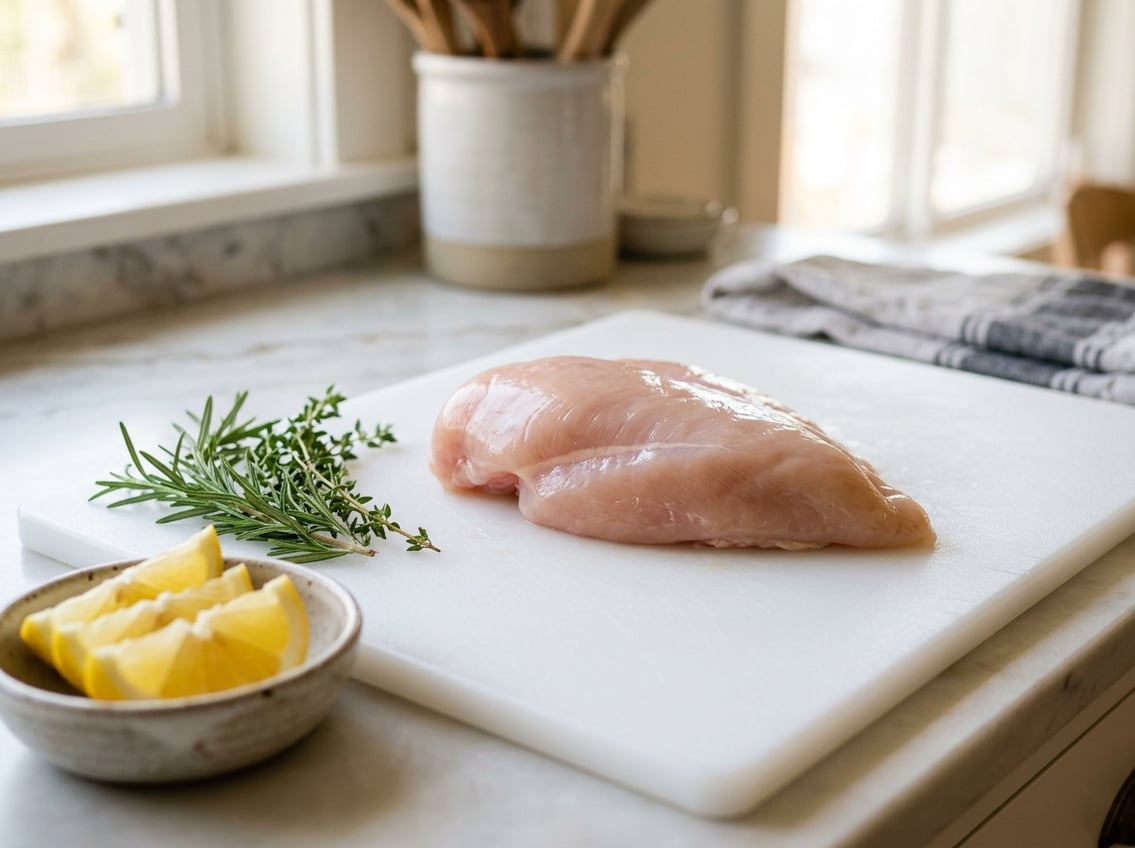
What Fresh Raw Chicken Breast Should Smell Like
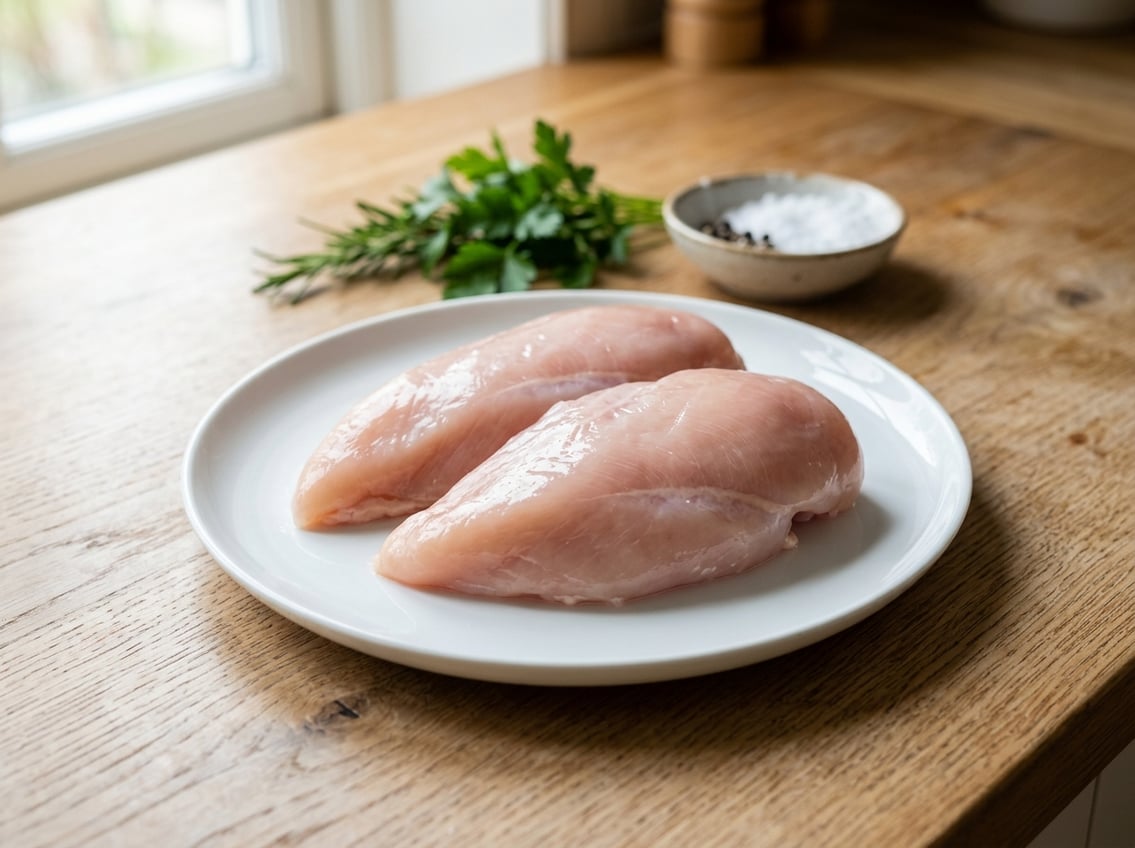
Fresh chicken usually has a very light smell. Sometimes it has almost no smell at all.
A mild, neutral odor is normal for chicken breast, especially when you keep it cold and handle it well.
The Mild Odor You Can Expect From Fresh Poultry
Fresh chicken smells faintly like raw meat, a little like eggs, or just plain clean. That weak odor is normal and does not mean the chicken is spoiled.
A slight smell can still be fine if it is not sharp, sour, or unpleasant, as noted in a chicken safety guide.
Why Some Fresh Chicken Smells Slightly Stronger Than Others
Some fresh chicken smells a little stronger because of the breed, feed, age of the bird, and how sellers stored it before you bought it. Chicken that was vacuum sealed or chilled for longer may smell more noticeable right after you open it, even if it is still safe.
When No Noticeable Smell Is Still Normal
It is also normal for fresh chicken breast to have almost no smell. If the meat looks pink and moist, feels firm, and is within date, the absence of odor is not a problem by itself.
Odors That Signal a Problem
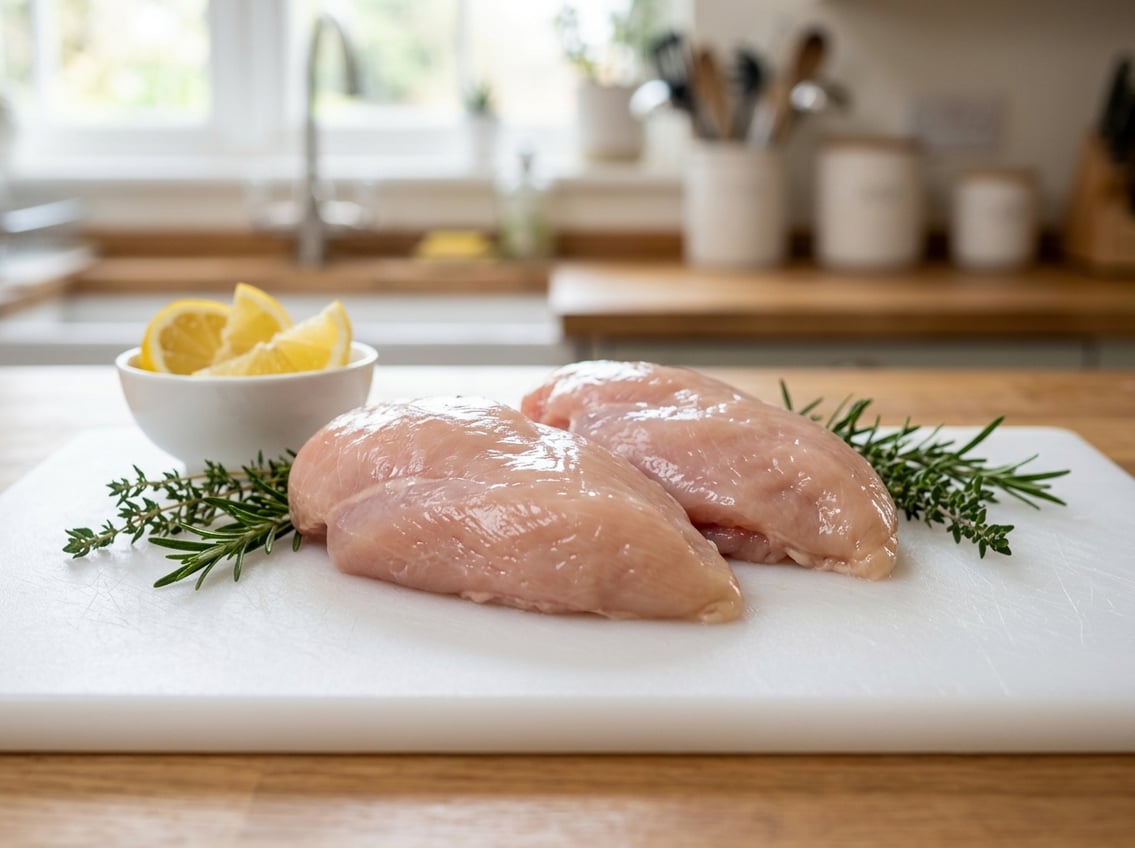
Bad chicken usually gives off a smell that is easy to notice once you know what to look for. Strong sour, rotten, ammonia-like, or sulfur odors signal that the chicken may be spoiled and should not be eaten.
Sour, Ammonia-Like, or Rotten Smells
A sour or ammonia-like smell clearly warns you of spoiled chicken. Rotten odors often mean bacteria have started breaking the meat down.
If the smell is strong enough to make you pull back, the safest choice is to throw it out.
Why Chicken Smells Like Eggs or Sulfur
If chicken smells like eggs, sulfur, or a bad “eggy” odor, that can point to bacterial activity or natural compounds that have changed during storage. Some spoilage bacteria, including Campylobacter, can cause off odors when you mishandle chicken or keep it too warm, as explained in this chicken smell article.
How to Recognize Spoiled Chicken Beyond Odor Alone
Odor is only part of the check. Spoiled chicken often feels slimy, looks gray or dull, or has sticky liquid in the package.
If the chicken smells off and also looks strange, do not cook it, even if the date still seems okay.
Why Chicken Smell Changes After Opening the Package
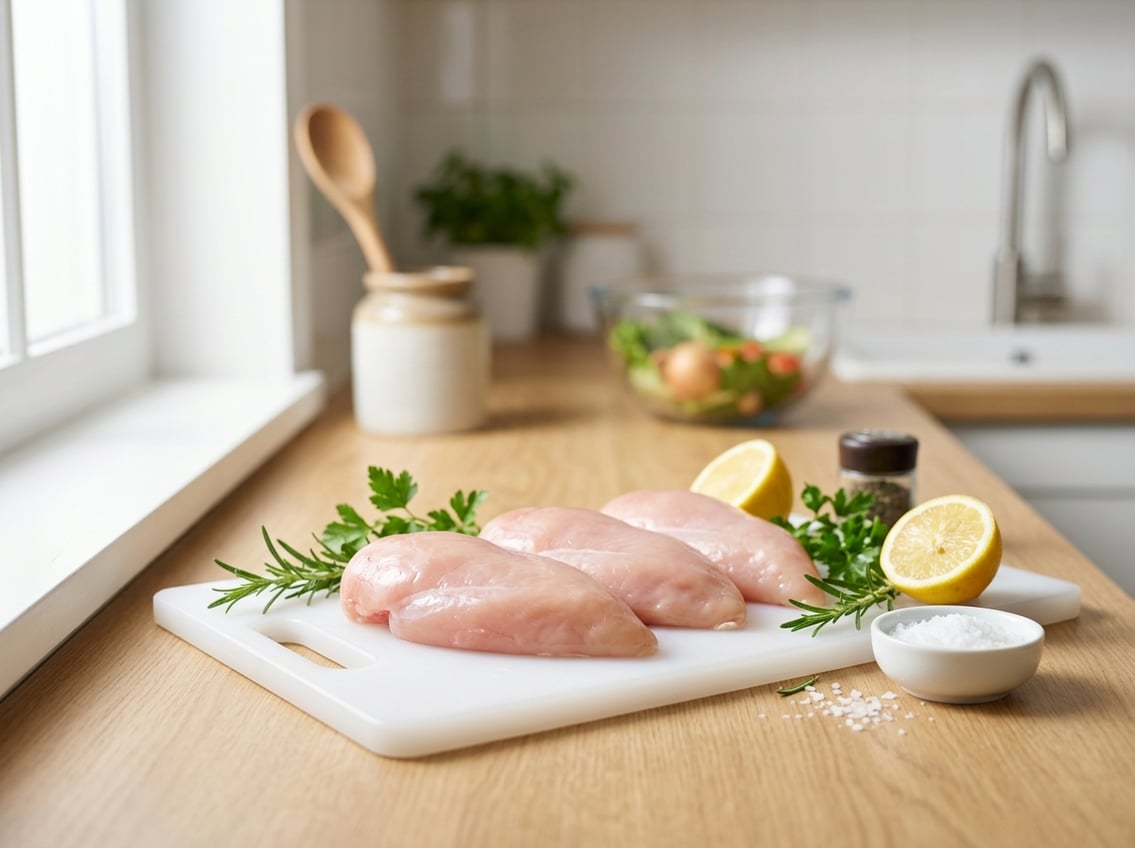
Chicken can smell different the moment you open the package, even when it is still fresh. Packing methods, natural compounds in the meat, and trapped odors all play a part.
Vacuum Sealing and Confinement Smell
A sealed package can trap odors inside, so the chicken may smell stronger for a few minutes after you open it. This is often a confinement smell, which comes from the lack of air, not from spoilage.
If the odor fades quickly, that is more reassuring than a smell that stays strong.
Natural Compounds Such as Dimethyl Sulfide and Trimethylamine
Chicken can release natural volatile compounds, including dimethyl sulfide and trimethylamine, which can smell fishy, eggy, or slightly sharp. These compounds may become more noticeable as meat ages or warms a little, and they do not always mean the chicken is unsafe.
Bacteria and oxidation can also change the chicken smell, according to this safety-focused breakdown.
How Long to Let the Chicken Air Out Before Judging
If the smell seems mild and mostly comes from the package, let the chicken air out for a minute or two in a clean area. Smell it again.
If the odor fades, you may be dealing with normal packaging smell. If it stays sour, sulfur-like, or rotten, treat it as spoiled chicken.
How Storage and Handling Affect Freshness
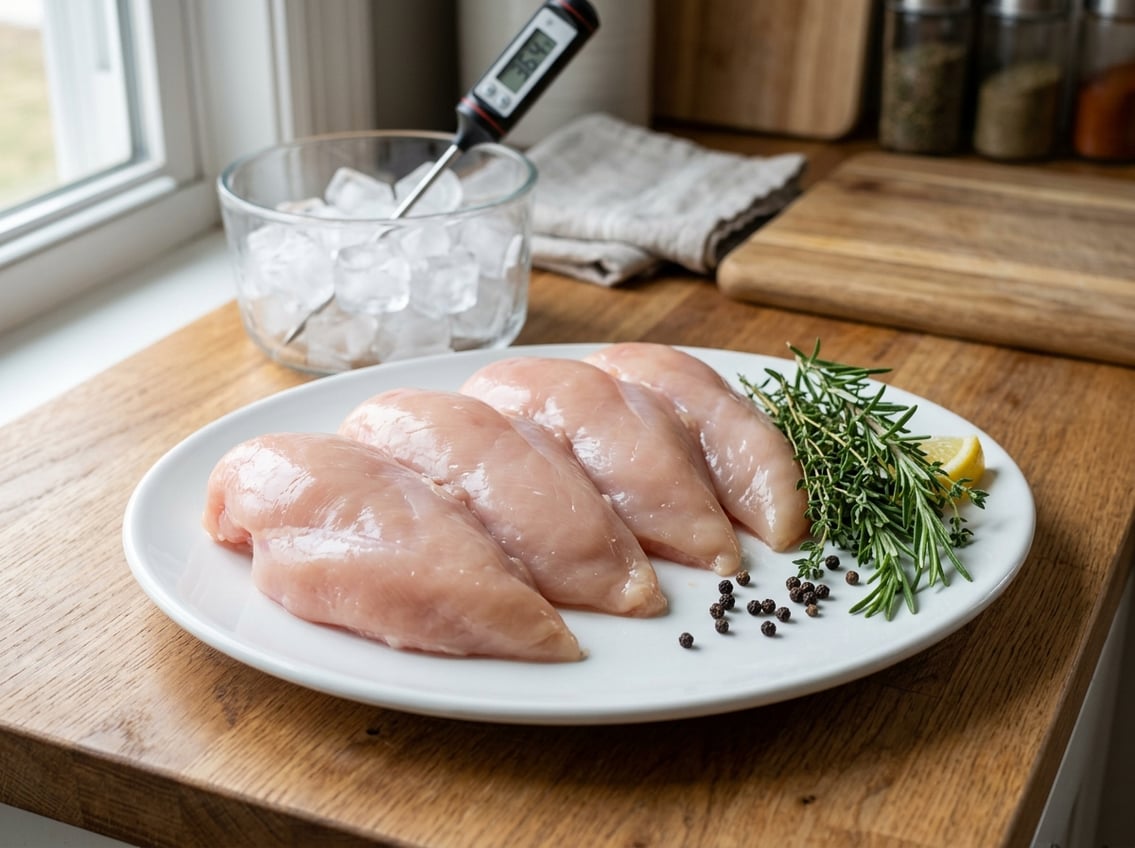
Good storage keeps fresh chicken safer for longer. Poor handling makes spoilage more likely.
Temperature control matters more than smell alone, because harmful bacteria can grow before the odor becomes obvious.
How to Store Chicken Safely in the Fridge
Keep raw chicken breast in the coldest part of your fridge at 40°F or below. Use a sealed container or a leakproof bag so juices do not touch other food.
For best safety, cook or refrigerate chicken within 1 to 2 days of purchase, which matches common U.S. food safety advice for how to store chicken.
When to Freeze Chicken and How Long It Keeps
If you are not using the chicken soon, freeze chicken before it starts to age. Freezing keeps quality and safety in better shape than leaving it in the fridge for several days.
Once thawed, use it soon and do not refreeze it unless you cook it first.
Why Proper Handling Matters Even if the Smell Seems Fine
Chicken can carry bacteria like Salmonella and Campylobacter without a strong smell.
A package can seem fine and still be risky if it sat too long at room temperature.
Juices can spread to your hands, counters, or other foods.
Wash your hands well, keep surfaces clean, and store chicken cold to stay safe.


