
What Is the Benefits of Chicken Breast for Health?
What is the benefits of chicken breast? For many people, the answer starts with protein, but it does not end there.
Chicken breast is a lean, versatile food that can fit into a healthy diet when you prepare it in simple ways and keep portions reasonable.
Chicken breast health benefits include high-quality protein, low fat, useful vitamins and minerals, and easy meal planning for weight management and heart health. It remains a common choice for people who want healthy chicken without a lot of extra calories.
If you have ever asked, is chicken breast healthy or how healthy is chicken breast, the short answer is yes, especially when you choose skinless, boneless cuts and cook them without heavy breading or rich sauces.
It works well as a practical protein for busy weeks, workouts, and family meals.
Why Chicken Breast Is a Smart Protein Choice
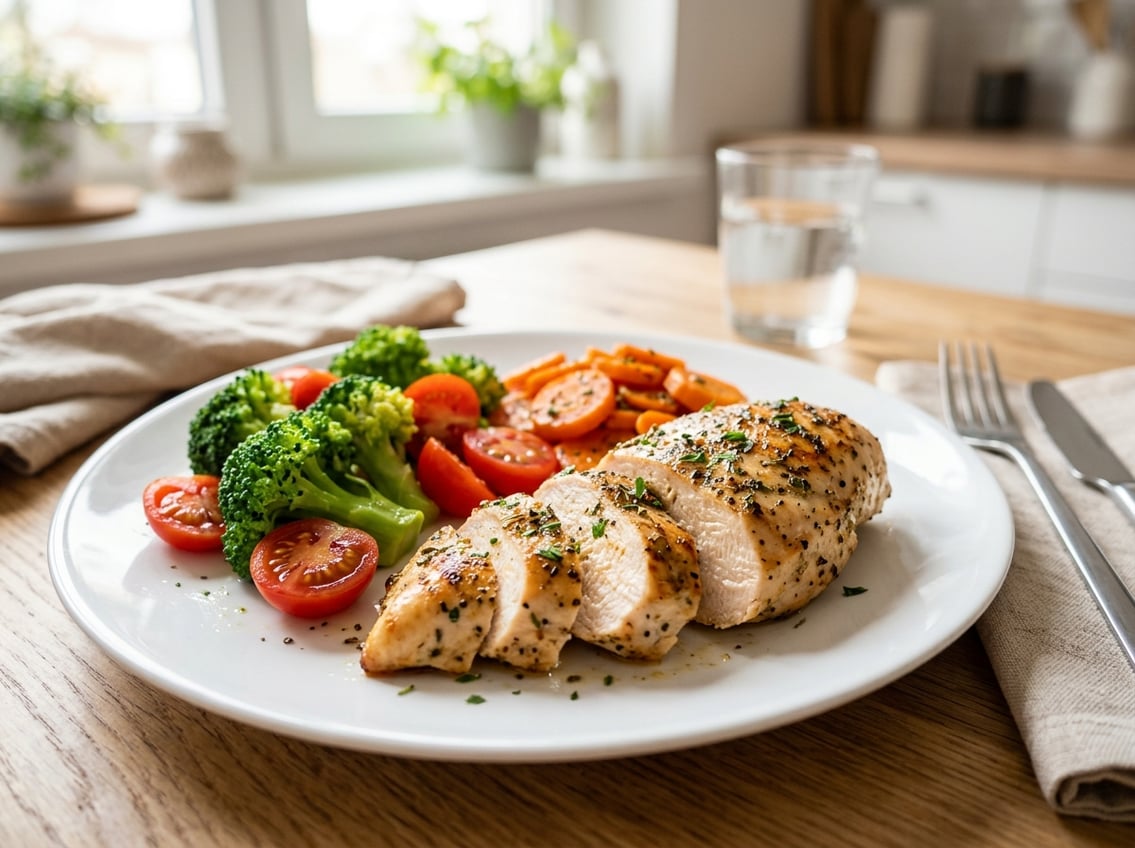
Chicken breast is one of the easiest ways to add lean protein to your meals.
It is a white meat cut that is naturally lower in fat than darker cuts, and skinless chicken breast fits well into many healthy eating plans.
Lean Protein and White Meat Advantages
Chicken breast, especially boneless skinless chicken breast, is a classic lean protein choice.
According to EatingWell’s review of chicken breast, a 3-ounce serving of skinless cooked chicken breast has about 128 calories, 26 grams of protein, and 3 grams of fat.
That makes it a strong high-protein food with a low-fat profile.
As a lean white meat, it gives you a lot of protein without the higher fat levels you often get from fattier meats.
Satiety, Weight Management, and Portion Control
Protein helps you feel full after eating, so chicken breast can support satiety and weight management.
When your meal includes enough protein, you may find it easier to avoid extra snacking later in the day.
Portion control still matters.
A normal serving of chicken breast can give you plenty of protein without crowding out vegetables, whole grains, or beans on your plate.
Heart Health and Lower-Fat Meal Planning
Chicken breast can support heart health when you use it in place of higher-fat red or processed meats.
It is naturally low in saturated fat, especially when you remove the skin.
That makes it useful for lower-fat meal planning.
If you are building a healthy diet, chicken breast gives you a flexible base for meals that stay lighter without feeling plain.
Chicken Breast Nutrition Facts That Matter
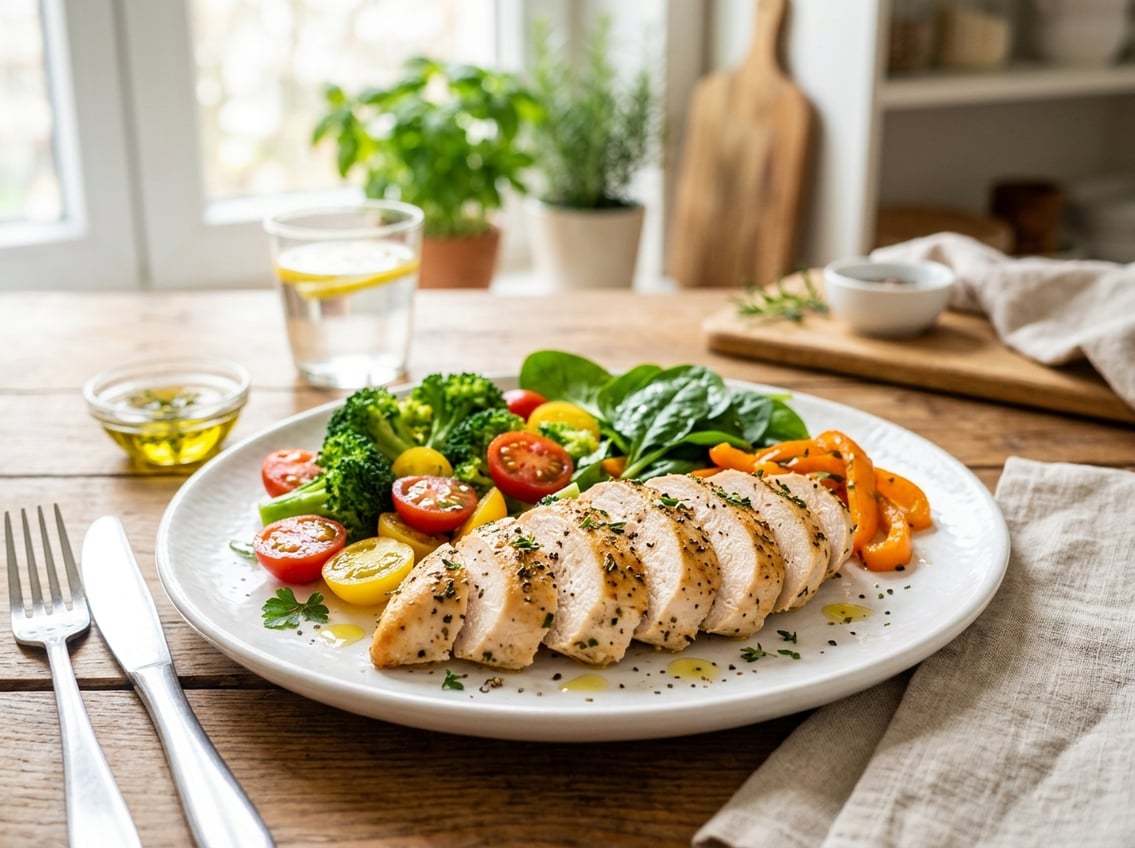
The details in chicken breast nutrition explain why it is so popular.
Its protein content is high, its calorie count is modest, and it provides several nutrients that help your body function well.
Calories in Chicken Breast and Macro Breakdown
The chicken breast nutrition facts are simple and useful.
A 3-ounce serving of skinless cooked chicken breast has about 128 calories, 26 grams of protein, 3 grams of fat, and no carbohydrates, according to EatingWell.
That is a strong set of chicken breast macros if you want a meal that is high in protein and not heavy in fat or carbs.
Cooked portions can look different from raw portions because water loss makes the numbers more concentrated.
Amino Acids, B Vitamins, and Niacin (B3)
Chicken breast gives you all essential amino acids, which your body needs for muscle repair and many other jobs.
That is one reason it is such a useful protein for active people and older adults alike.
It also provides B vitamins, including niacin (B3), plus B6 and B12.
These nutrients help your body turn food into energy and support nerve function.
Zinc, Selenium, Magnesium, and Bone Health
Chicken breast also contains zinc and selenium, two minerals that help with immune function and cell protection.
Some sources also note magnesium, which supports muscle and nerve activity.
Chicken breast is not a top food for bone health on its own, yet it can still fit into a bone-friendly diet because it supplies protein and key minerals while leaving room for calcium-rich foods on the same plate.
How Preparation Changes the Health Benefits
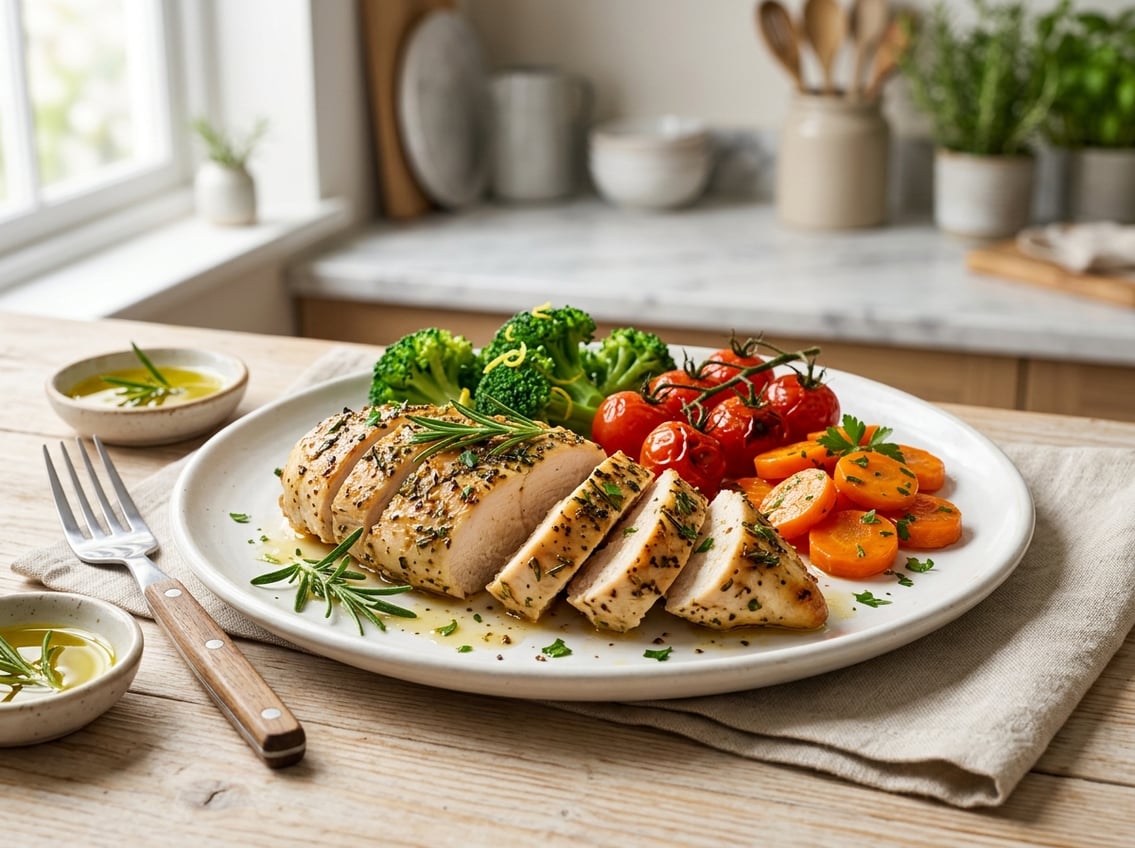
How you cook chicken breast affects its health value.
Simple methods keep it close to a healthy chicken choice, while heavy coatings, sugary sauces, and deep frying can change the picture fast.
Grilled Chicken Breast and Baked Chicken Breast
Grilled chicken and baked chicken breast are two of the best ways to keep the meal light.
These methods add little or no extra fat, and they work well with herbs, citrus, garlic, pepper, and spices.
A grilled chicken breast can be especially useful if you want a fast meal with a good protein payoff.
Baking works well too, since it is easy to prepare several servings at once.
When Sauces, Frying, and AGEs Add Downsides
Frying adds more fat and calories, especially when the chicken is breaded.
Sweet sauces can also raise added sugar, which may make a healthy meal less balanced.
High-heat cooking can increase advanced glycation end products, or AGEs.
These compounds form when food is browned at high temperatures, and limiting them may help you keep meals closer to your health goals.
Food Safety, Storage, and Safe Cooking Temperatures
Good food safety matters as much as cooking style.
Raw chicken should be stored cold, kept separate from other foods, and cooked until the thickest part reaches 165°F.
For storage, refrigerate cooked chicken breast within two hours, and use clean containers.
Safe handling helps you enjoy healthy chicken without foodborne illness risks.
Best Ways to Add It to a Healthy Diet
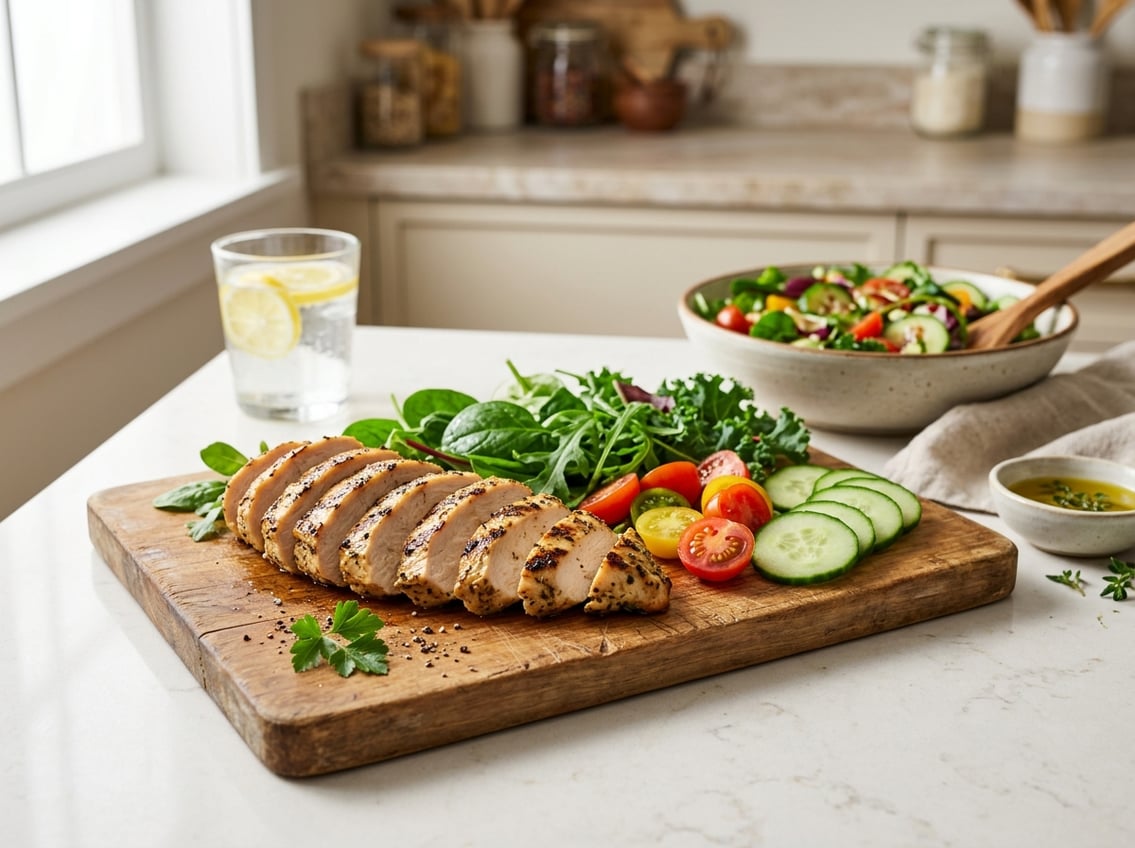
Chicken breast works best when it supports the rest of your meal instead of taking over the plate.
Pair it with vegetables, fiber-rich sides, and healthy fats so your meals stay filling and balanced.
Balanced Meal Ideas for Everyday Eating
A simple plate can include grilled or baked chicken breast, roasted vegetables, and brown rice or quinoa.
You can also add avocado, olive oil, or beans for more staying power.
This kind of meal fits well into a healthy diet because it combines protein, fiber, and micronutrients.
It is filling without relying on large portions or heavy sauces.
Chicken Breast Recipes With Better Nutrition in Mind
When you look for chicken breast recipes, choose ones that keep added fat and sodium in check.
Season with herbs, lemon, paprika, garlic, or black pepper instead of relying on creamy coatings.
A few smart ideas include sheet-pan dinners, chicken salads, grain bowls, and simple soups.
Grilled chicken breast and baked chicken breast are especially easy to use in meal prep.
Popular Dishes Like Chicken Fajitas, Chicken Parmesan, and Maple-Glazed Chicken Breast
Some familiar dishes can still fit a healthy pattern with a few changes.
You can make chicken fajitas healthier by using plenty of peppers and onions and limiting cheese and sour cream.
Baking chicken instead of frying it makes chicken Parmesan better for you. Keep the cheese moderate for a lighter meal.
Maple-glazed chicken breast works in a balanced meal if you use a light glaze. Pair it with vegetables instead of sweet sides.
Chicken breast is high in protein and low in fat. You can prepare it in many ways, making it a practical food that supports muscle, fullness, and simple meal planning.


