
What If I Eat Chicken Breast Everyday? Benefits and Risks
What if I eat chicken breast everyday? Many people find that it can fit into a healthy eating pattern, especially when they choose skinless chicken breast and prepare it simply.
It gives you lean protein, useful B vitamins, and a practical way to reach your daily protein needs.
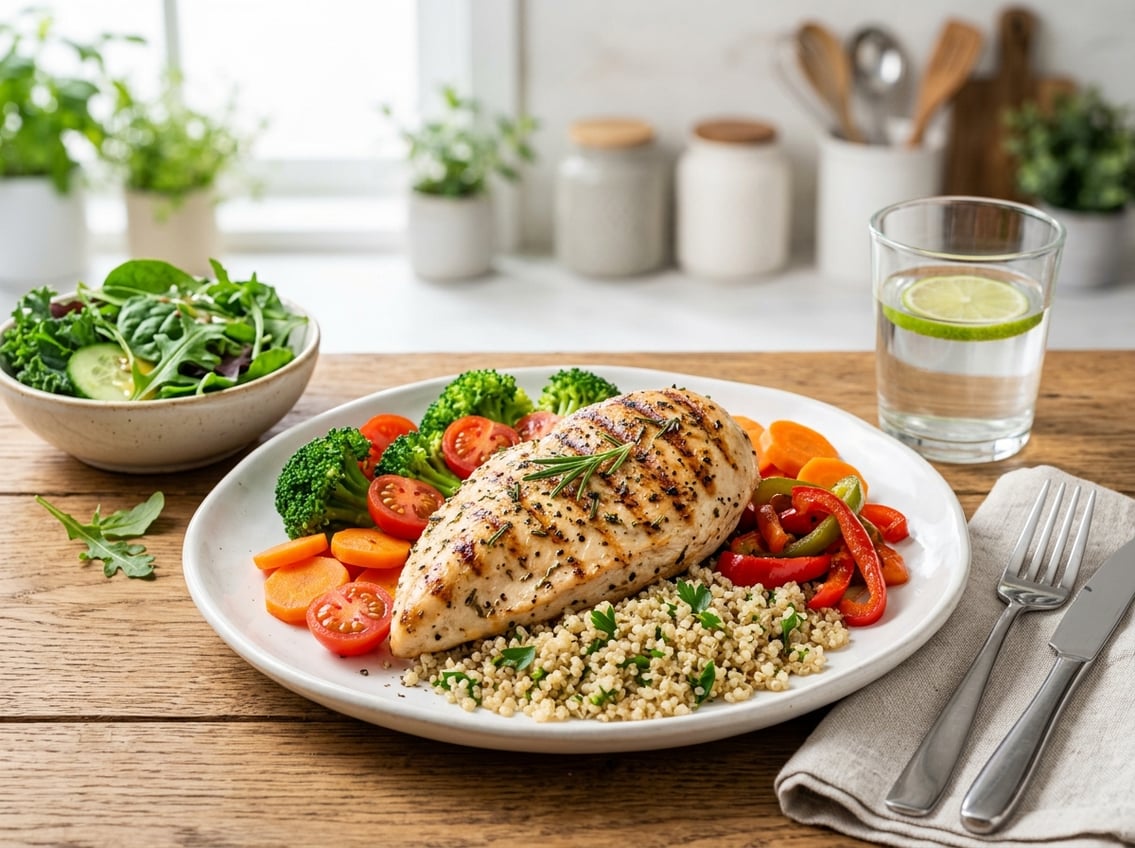
The main issue is not chicken breast itself. The bigger question is whether eating chicken every day leaves enough room in your balanced diet for other protein sources, healthy fats, fiber, and key micronutrients.
If your meals rely too heavily on one food, you might miss out on nutrients that come from fish, beans, nuts, seeds, dairy, and other plant-based proteins.
Daily chicken breast can help with protein goals, weight management, and muscle support. Still, it is not the best single protein for every meal, every day.
What Daily Chicken Breast Does for Your Nutrition
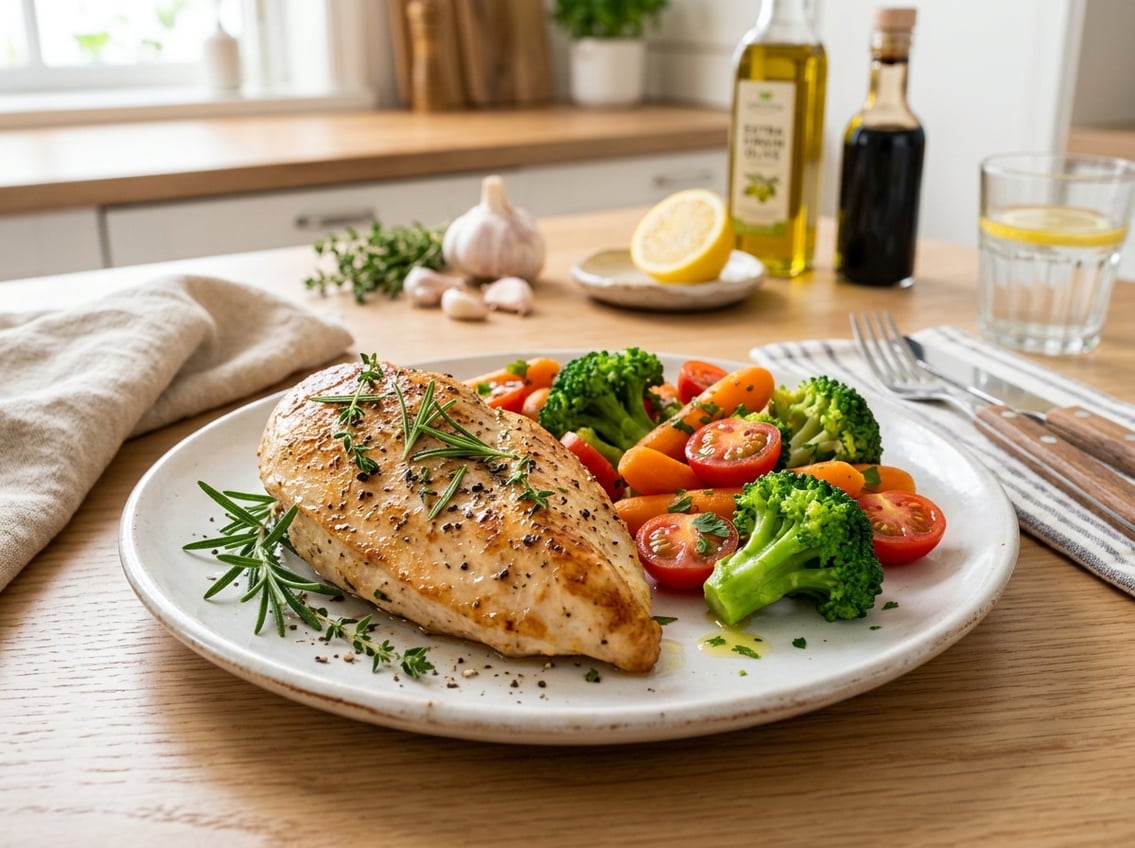
Chicken breast is one of the most efficient protein foods you can eat. A skinless chicken breast gives you a lot of protein for relatively few calories.
It fits easily into a wide range of meals. Its nutritional value is strongest when you think about protein quality, key amino acids, and its low saturated fat compared with many other meats.
Protein, Essential Amino Acids, and Muscle Support
Chicken breast provides high-quality lean protein and contains all nine essential amino acids. A 4-ounce serving can give you about 35 grams of lean protein, making it easy to reach your daily protein target.
That matters if you want to maintain muscle mass, recover from exercise, or stay full between meals.
Protein also supports tissue repair and many other body functions.
Calories, Saturated Fat, and Cholesterol in Common Portions
Skinless chicken breast is a low-fat choice compared with darker cuts. In a 3-ounce cooked serving, chicken breast has about 128 calories, 26 grams of protein, 3 grams of fat, about 1 gram of saturated fat, and 88.4 mg of cholesterol.
Those numbers make chicken breast a strong option for people who want protein without many extra calories.
The cut and the cooking method still matter. Breading, frying, and heavy sauces can raise the calorie and fat count quickly.
Key Micronutrients Like Niacin, Vitamin B6, Selenium, and Phosphorus
Chicken breast is not only about protein. It also provides niacin, vitamin B6, selenium, and phosphorus, which help with energy use, immune function, and cell support.
Chicken is a source of several B vitamins, including niacin and B6, which support a healthy metabolism. Selenium and phosphorus also add to the food’s nutritional value.
If you eat chicken every day, these nutrients can help, but you still need other foods to round out your diet.
When It Can Help and When It Can Backfire

Daily chicken breast can support weight loss, fullness, and simpler meal planning. It can also backfire if it replaces other protein sources or if your preparation style adds too much fat, sodium, or sugar.
The key question is not just whether you eat chicken every day. What else you eat with it and what chicken is replacing in your diet also matters.
Weight Loss, Fullness, and Weight Management
Protein helps you feel full longer than many refined carbs or snack foods. That can support weight loss or weight management by making it easier to control appetite.
Higher protein intake may help with satiety and can give you a small edge during weight loss. If you use chicken breast as a meal base, you may find it easier to stay on track with portions and calories.
Heart Health and the Impact of Cut and Preparation
Chicken breast can fit into a heart-conscious diet because it is lean protein. Skinless cuts are usually better than chicken with the skin on, since the skin raises saturated fat.
Preparation matters as much as the cut. Grilled, baked, or roasted chicken is a better choice than deep-fried chicken, especially if heart health is a goal.
Choosing a variety of proteins, including fish, can help you get more omega-3 fatty acids and other fats that chicken does not provide in large amounts.
Why Eating Chicken Every Day Can Crowd Out Other Nutrients
If you eat chicken every day as your main protein, you may miss nutrients that come from other protein sources. That includes fiber from plant-based proteins, omega-3s from fish, and different minerals and fats from eggs, yogurt, beans, lentils, tofu, nuts, and seeds.
A narrow diet can leave gaps even when protein intake is solid. Variety helps your balanced diet work better and can make meals more satisfying.
Safety, Sourcing, and the Main Risks to Know

The biggest day-to-day risks come from food safety mistakes, not chicken breast itself. Raw poultry can carry germs, so you need to handle it safely if you eat chicken every day.
Buying, storing, cooking, and serving chicken the right way lowers risk and makes daily use much safer.
Foodborne Illness Risks From Salmonella and Campylobacter
Raw and undercooked chicken can carry salmonella and campylobacter, two common causes of foodborne illness. Symptoms can include stomach pain, vomiting, diarrhea, and fever.
These risks are especially important if you handle chicken often. Daily exposure gives you more chances to make a mistake, so food safety habits matter every time.
Internal Temperature, Storage, and Cross-Contamination Basics
You should cook chicken breast to an internal temperature of 165°F to be safe. Use a food thermometer, since color alone is not reliable.
Keep raw chicken separate from other foods. Wash hands and surfaces after contact, and store chicken in the refrigerator or freezer promptly.
Cross-contamination often happens on cutting boards, knives, and kitchen counters.
Antibiotics in Chicken and Smart Buying Choices
Some people worry about antibiotics in chicken. In the U.S., you can buy from trusted brands and look for labels such as organic, antibiotic-free, or no antibiotics ever.
Smart buying does not remove every concern, and it does not replace safe cooking. It can, though, help you feel more confident about the chicken you put on your plate.
How to Make It a Smarter Everyday Habit

If you want to eat chicken breast every day, make it one part of a larger plan. Your best results usually come from matching your protein needs, using simple cooking methods, and building meals with other foods that add fiber, fats, and micronutrients.
How Much Protein You Actually Need Each Day
The standard recommendation is 0.8 grams per kilogram of body weight per day for many adults. Your actual needs can be higher if you are very active, older, pregnant, or trying to build muscle.
A single serving of chicken breast may cover a large part of that target. It helps to know how much protein you get from each meal so you can avoid overdoing it.
Best Cooking Methods: Grilled, Baked, and Poached
Grilled chicken, baked chicken, and poached chicken are all smart choices because they add little extra fat. These methods also keep chicken breast easy to season and use in different meals.
Avoid turning a lean protein into a heavy dish with deep frying or creamy sauces. A simple rub, dry seasoning, or light marinade is often enough.
How to Marinate Chicken and Build a More Balanced Plate
Marinate chicken with olive oil, citrus, herbs, garlic, or yogurt to improve flavor without adding extra calories.
A good marinade keeps chicken interesting.
Build the rest of the plate with vegetables, whole grains, beans, avocado, nuts, or other protein sources.
Including plant-based proteins helps you get better protein content across the week and supports a more balanced diet.


