
Is a Chicken Breast High in Cholesterol? Facts First
You may wonder if chicken breast is high in cholesterol, especially if you are trying to watch your heart health. The short answer is no, not compared with many other animal foods, but it still contains cholesterol and the amount changes with portion size and cooking method.
For most people, skinless chicken breast fits into a heart-smart diet because it is a lean protein with a moderate cholesterol amount, especially when you avoid the skin and heavy frying. Your total intake depends on what else you eat that day.
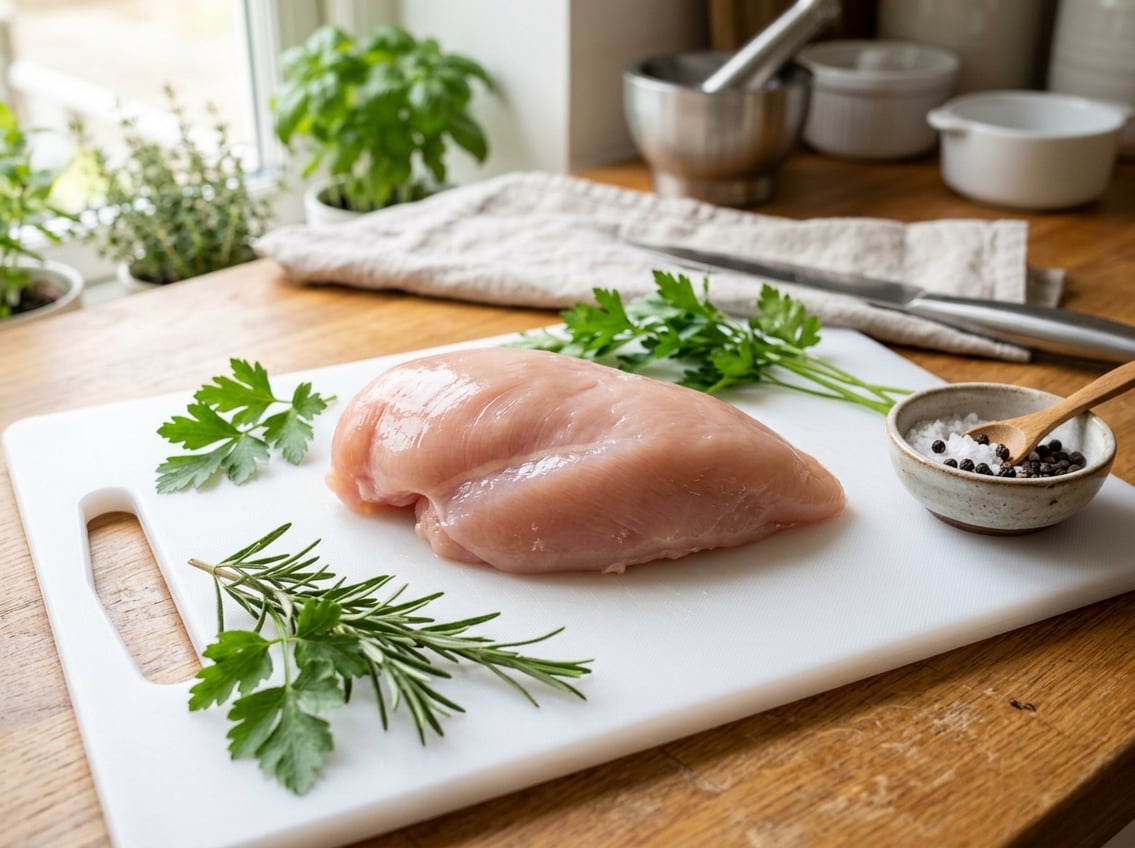
Look at the full picture, not just the cholesterol number in isolation. Saturated fat, fiber intake, body weight, activity, and medical history all matter too.
The Short Answer and What the Numbers Mean
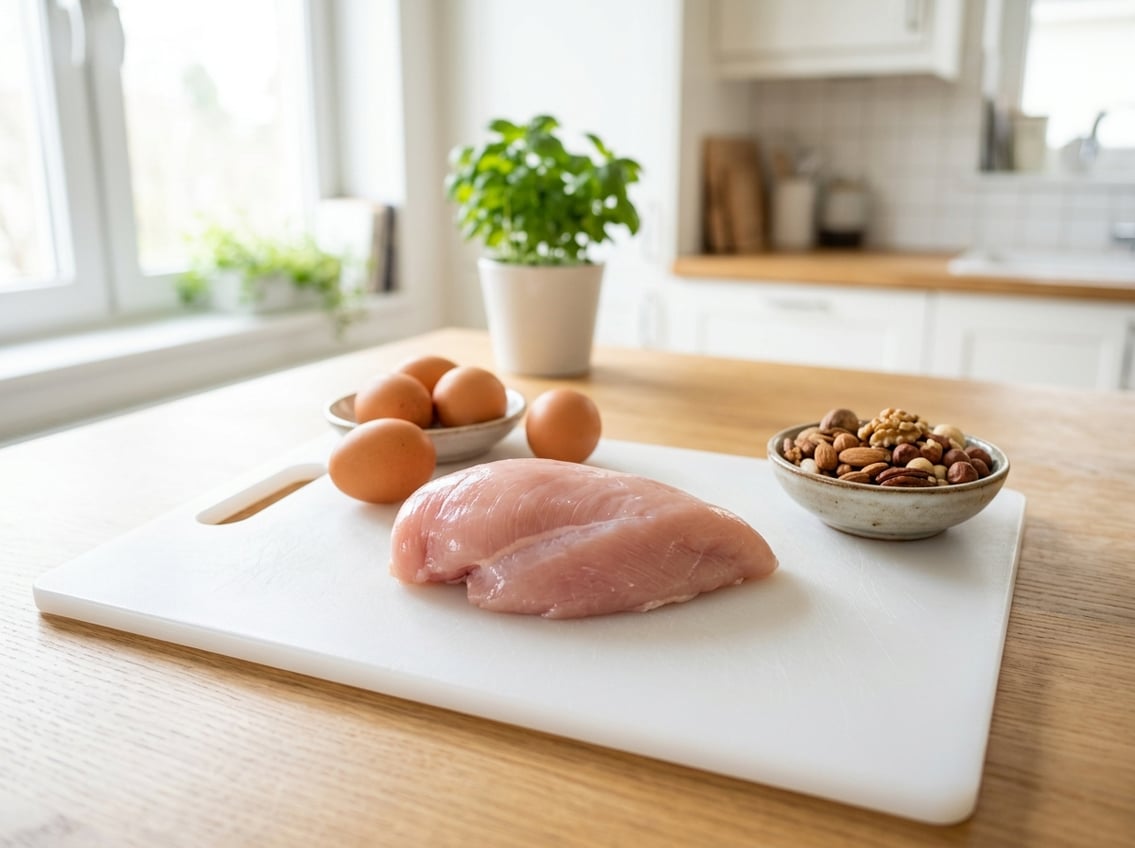
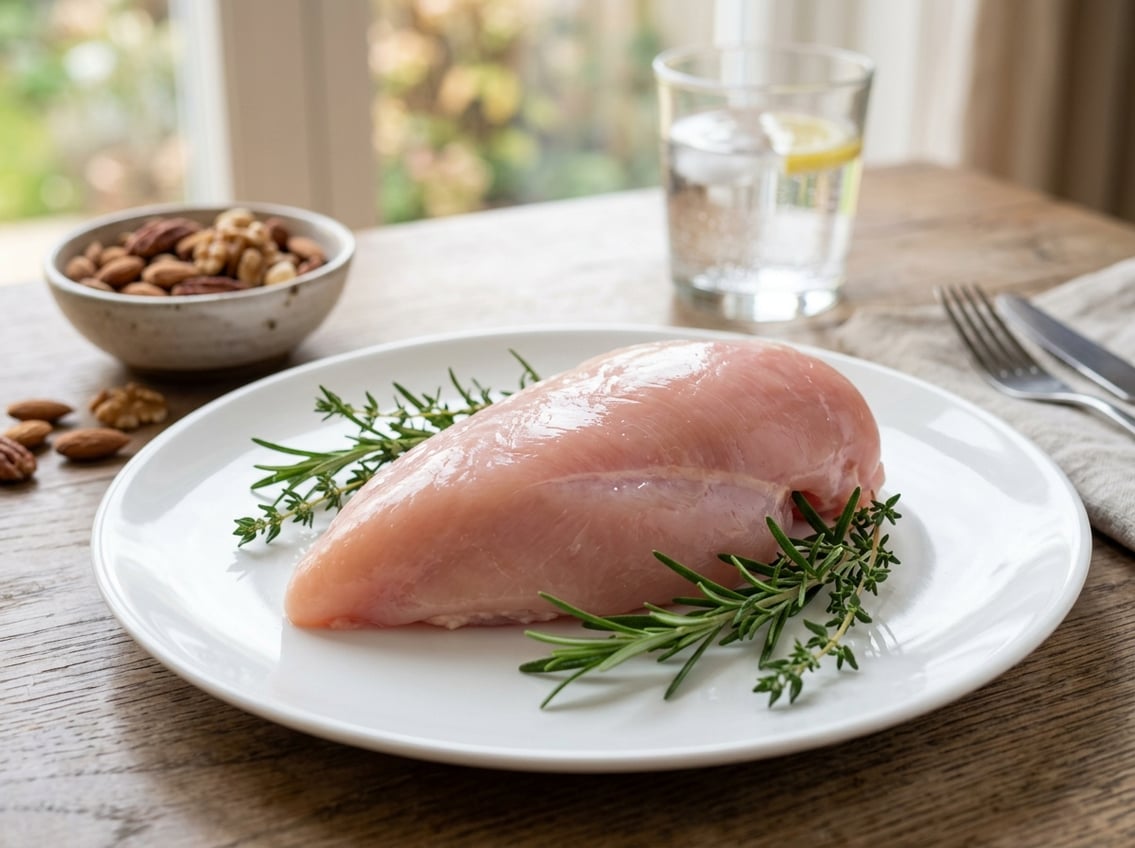
A skinless chicken breast is a lean protein, and its cholesterol content is moderate rather than high. The exact cholesterol amount changes by cut, skin, and cooking method.
Typical Cholesterol in a Skinless Serving
A raw, skinless chicken breast contains about 73 mg of cholesterol per 100 grams, according to a Medical News Today review. This is lower than many fattier cuts of poultry.
A 3-ounce cooked portion of skinless chicken breast is often around 85 to 100 grams, so you are usually looking at a similar range of cholesterol.
How Portion Size Changes the Total
Portion size changes the total quickly. If you eat two servings instead of one, you roughly double the cholesterol you consume.
Your daily intake adds up across meals. Even lean foods can raise your total cholesterol intake for the day if you eat large portions.
How Chicken Breast Compares With Other Cuts
Breast meat is usually leaner than wings, thighs, and legs. Wings contain about 111 mg per 100 grams, while thigh and leg cuts are also higher than breast.
If you want the leanest poultry choice, choose skinless breast. The cholesterol in chicken varies by cut, so the label “chicken” does not tell you enough.
Why Chicken Breast Can Still Fit a Heart-Smart Diet
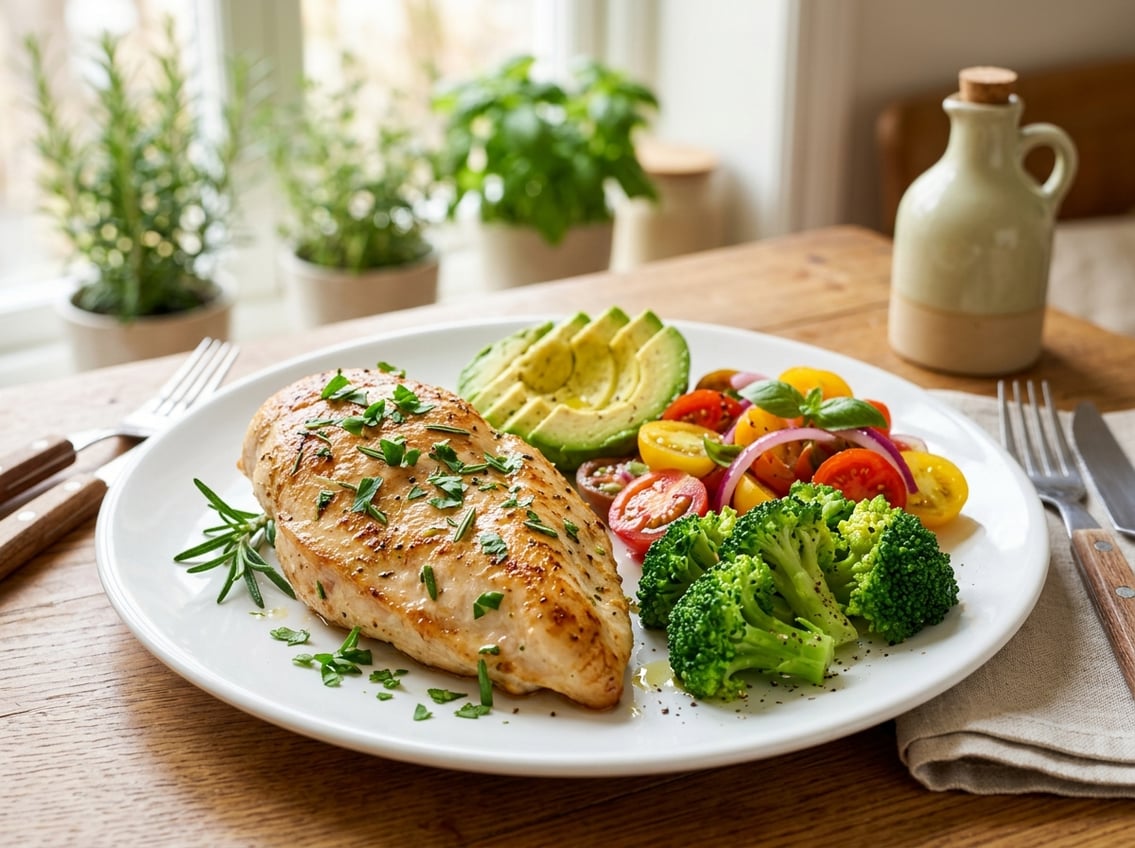
Chicken breast can fit well in a heart-healthy diet when you keep the cut lean and prepare it with care. It gives you protein without a lot of saturated fat.
Dietary Cholesterol Versus Saturated Fat
Dietary cholesterol and saturated fat are not the same. For many people, saturated fat has a stronger effect on blood LDL cholesterol than the cholesterol in food.
If you keep the skin off and use low-fat cooking methods, chicken breast is often a better choice than processed meat or fried fast food.
LDL, HDL, and Overall Cardiovascular Risk
LDL cholesterol is the type most linked with plaque buildup, while HDL helps carry cholesterol away from the bloodstream. Your goal is to manage LDL while keeping HDL in a healthy range.
Chicken breast alone will not determine your risk. Your risk depends on your full eating pattern, activity level, weight, smoking status, age, and family history.
Where It Fits Among Lean Protein Sources
Chicken breast belongs with other lean protein sources such as fish, beans, tofu, and turkey breast. It can be a useful option when you want variety and a familiar taste.
If you are working on cholesterol management, you do not need to avoid chicken breast entirely. You can use it as one part of a balanced heart-healthy diet that also includes fiber-rich plants and unsaturated fats.
What Raises or Lowers the Health Impact
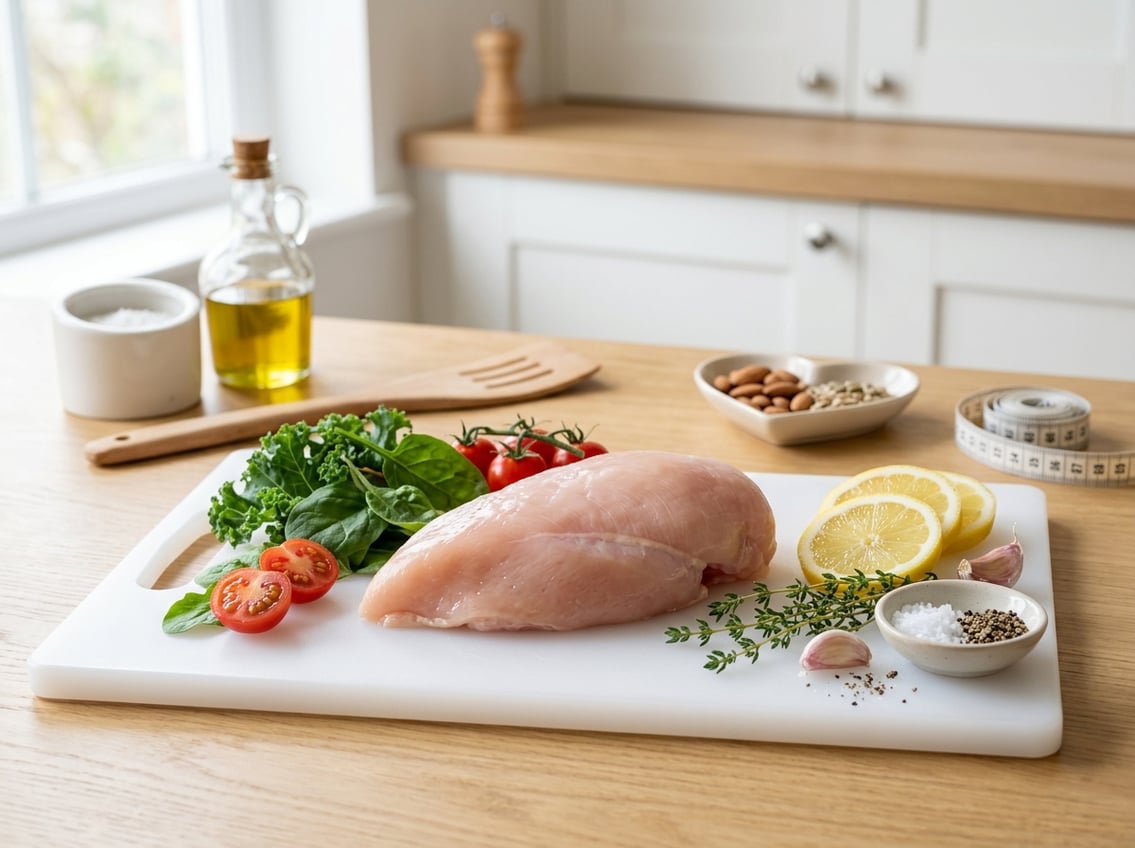
The health impact of chicken breast depends a lot on what you do before and after cooking. Skin, frying, and added fats can shift the meal from lean to much less heart-friendly.
Skin, Frying, and Added Fats
Choose skinless chicken breast for cholesterol goals. Skin adds extra fat, and fried coatings add more calories and less favorable fats.
Grilled, roasted, or baked breast is usually a better fit than breaded chicken cooked in oil. Preparation affects cholesterol content, not just the cut.
Better Cooking Methods for Cholesterol Goals
Roasting, baking, grilling, poaching, and air frying with little added fat are practical choices. These methods help you keep the meal lighter without losing protein.
Season with herbs, garlic, lemon, pepper, or spice blends instead of butter-heavy sauces. This keeps the focus on cholesterol management rather than extra saturated fat.
Meal Pairings That Support Better Lipids
Pair chicken breast with vegetables, beans, whole grains, and healthy fats like olive oil, nuts, or avocado. Fiber-rich foods help support healthier blood lipids and make the meal more filling.
A plate built this way supports better cholesterol levels over time. The chicken becomes one part of the meal, not the center of a high-fat plate.
When to Be More Careful With Intake
You may need a more careful approach if you already have high cholesterol, heart disease risk, or a strong family history. In those cases, even lean meats should fit within a broader plan for cholesterol management.
High Cholesterol and Personal Risk Factors
If you already have high LDL cholesterol, watch portions more closely. Other risk factors, such as excess body weight, smoking, poor diet quality, and low activity, can raise your risk further.
Chicken breast is still one of the better animal protein choices, but it should not crowd out plant proteins and fish. Variety helps you keep dietary fat and cholesterol in a better range.
Familial Hypercholesterolemia and Medical Guidance
If you have familial hypercholesterolemia, your body handles cholesterol differently, and food choices matter more. Medical guidance may include diet changes, medication, or other treatment such as lipoprotein apheresis.
In that case, follow your clinician’s advice closely. Your protein plan may need tighter limits than a general heart-healthy diet.
When to Limit Portions or Choose Alternatives
Choose smaller portions if your LDL stays high after changing your diet.
You can rotate in lean protein sources such as fish, beans, lentils, tofu, or egg whites.
If you include chicken breast in your meals, keep the portion modest.
Use simple preparation methods to help lower cholesterol without cutting out chicken completely.


