
Why Does Chicken Breast Have Cholesterol? Simple Answer
Chicken breast contains cholesterol because it comes from an animal, and animal foods naturally have dietary cholesterol. Your body also makes cholesterol on its own, so the amount you get from food is only one part of the picture.
For most people, chicken breast is a lean, heart-smart protein choice, especially when you remove the skin and cook it with little added fat.
The real issue is usually the full meal, not the chicken breast alone. The answer depends on the cut, the cooking method, and what you serve with it.
What Cholesterol in Chicken Breast Actually Means
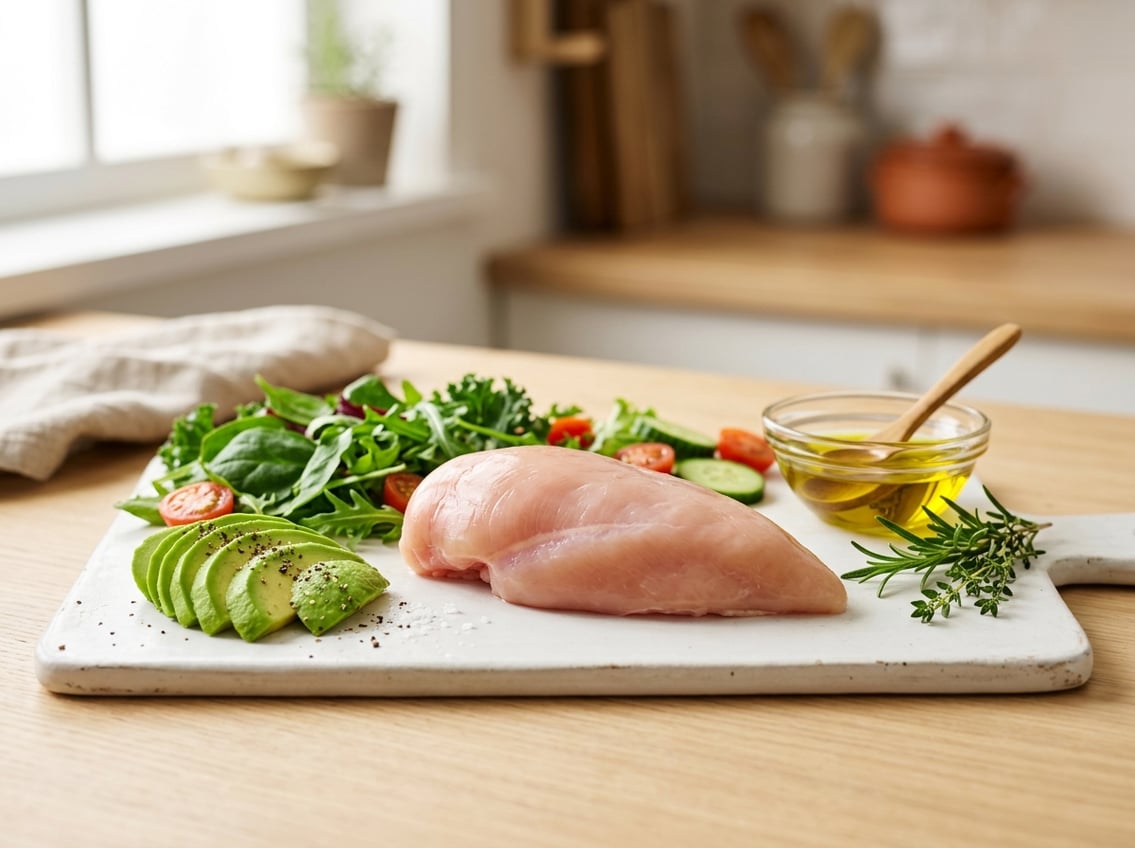
Cholesterol in chicken breast refers to the dietary cholesterol found in the meat itself. It is not the same thing as blood cholesterol, which is measured in your lab results.
Your liver makes all the cholesterol you need for cell structure, hormones, and vitamin D. Food adds extra cholesterol, and the amount in chicken varies by cut and preparation.
As Medical News Today notes, chicken breast is usually the leanest part of the bird.
Why Animal Foods Naturally Contain Dietary Cholesterol
Cholesterol is part of animal cell membranes, so meat, dairy, eggs, and poultry all contain some amount of it. That is why cholesterol in chicken breast is normal, not a sign that the food is damaged or unhealthy on its own.
What matters more is the mix of fats in the meal. Saturated fat and trans fat tend to raise LDL cholesterol more strongly than food cholesterol for many people.
Cholesterol Content of Chicken Breast by Typical Serving
Chicken breast contains a modest amount of cholesterol compared with many other animal foods. According to a review of chicken parts and preparation methods, raw skinless breast has about 73 mg of cholesterol per 100 g.
A typical cooked serving is often around 3 to 4 ounces, or about 85 to 113 g. That means chicken breast usually adds a moderate amount of dietary cholesterol.
LDL and HDL: Why Food Cholesterol Is Not the Whole Story
Your blood test usually looks at LDL and HDL. LDL cholesterol is often called “bad” cholesterol because high levels can raise plaque risk, while HDL cholesterol is called “good” cholesterol because it helps move cholesterol away from your arteries.
Food cholesterol does not affect everyone the same way. Some people are more sensitive, including hyper-responders, whose LDL can rise more after eating cholesterol-rich foods.
Triglycerides, body weight, total diet quality, and genetics all matter too.
What Makes One Chicken Meal Better or Worse for Cholesterol
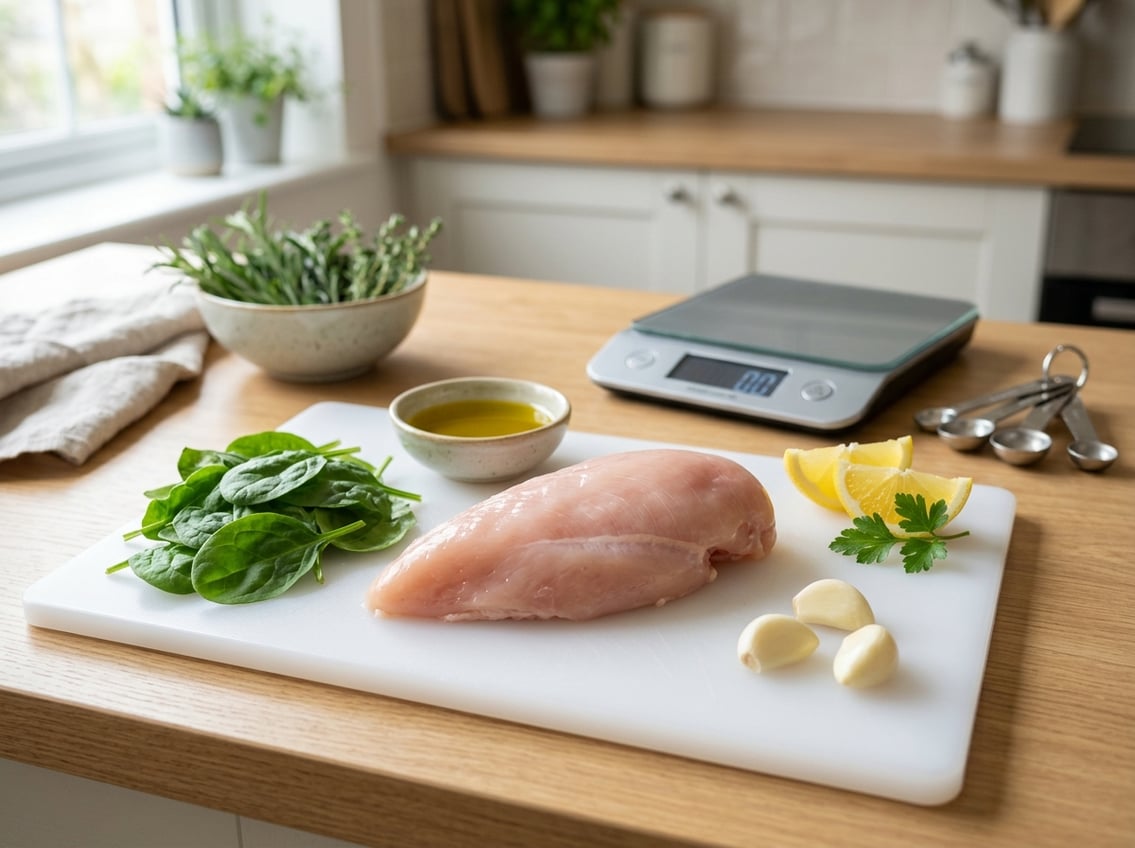
The cut you choose, the fat in the recipe, and the way you cook it make the biggest differences. A skinless breast is usually the leanest choice.
Breading, frying, and skin-on cuts add more saturated fat and calories. Those extras matter more for cholesterol levels than the breast meat itself.
Skinless Chicken Breast vs Dark Meat and Skin-On Cuts
Skinless chicken breast is a solid pick when you want lean protein with less saturated fat. Dark meat, skin-on pieces, and wings usually contain more fat, which can raise the calorie load and make the meal less heart-friendly.
That does not mean you must avoid all other cuts forever. Notice portion size and frequency, especially if you already have high LDL cholesterol.
How Cooking Methods Change the Overall Nutrition Profile
Cooking methods change the fat profile of the meal, not just the flavor. Baking, grilling, and poaching usually keep the nutrition profile simpler because they do not require much added fat.
The same chicken breast can become a very different meal if you cover it in butter, heavy sauces, or creamy coatings. The cholesterol content of chicken itself stays similar, while the added ingredients can raise saturated fat and total calories.
Why Frying Raises More Concerns Than Baking, Grilling, or Poaching
Frying often adds oil and extra breading. That means more saturated fat, more refined carbs, and more calories, depending on the recipe.
Baked or poached chicken breast is easier to fit into a lower-fat eating pattern. Preparation method can change the cholesterol content of the finished dish, even when the cut is the same.
How to Fit Chicken Breast Into a Heart-Smart Eating Pattern
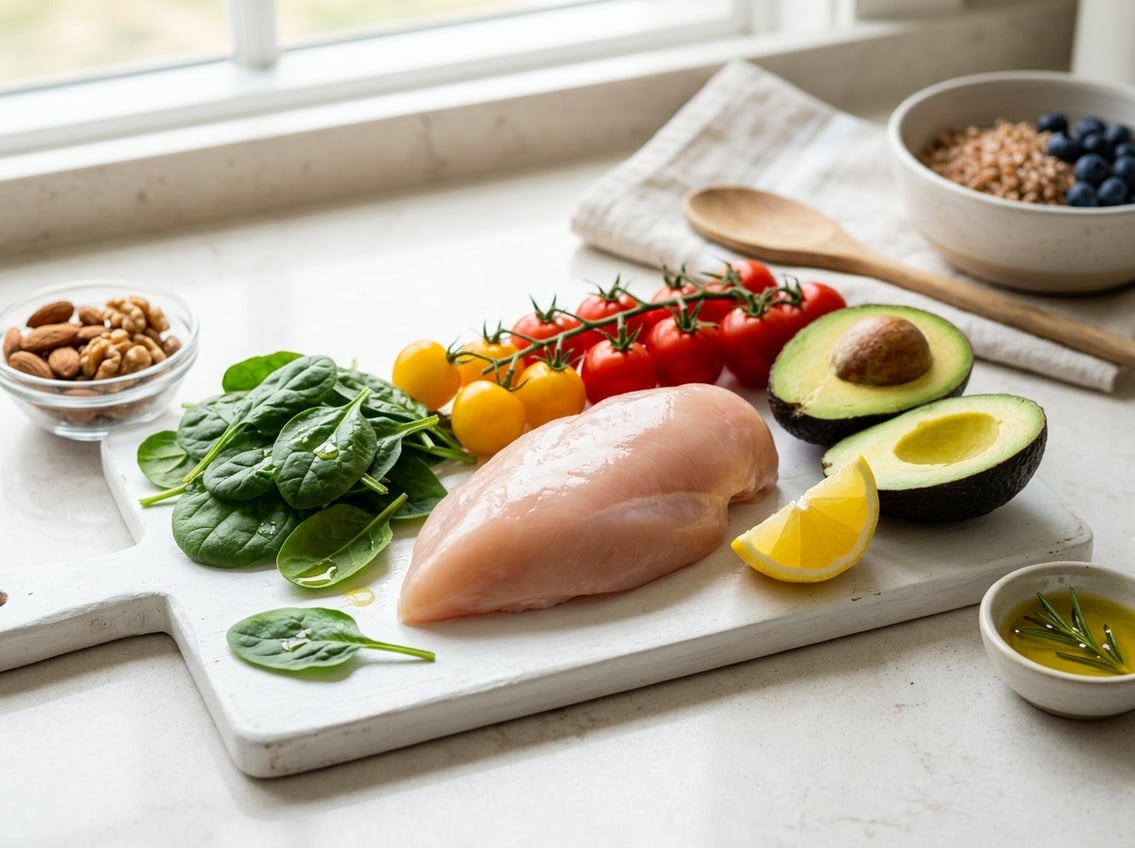
Chicken breast works well as part of a pattern that is rich in fiber, low in saturated fat, and steady in portion size. You get the most benefit when the rest of the plate supports your heart health too.
Think of chicken breast as one part of your meal, not the whole goal. Vegetables, whole grains, and healthy fats help make the plate more balanced.
Best Pairings With Vegetables, Whole Grains, and Olive Oil
A heart-healthy plate often starts with vegetables, then adds a lean protein and a fiber-rich side. Pair chicken breast with vegetables, whole grains, and a small amount of olive oil for a more balanced meal.
Good examples include:
- Chicken breast with roasted broccoli and brown rice
- Grilled chicken over a salad with beans and olive oil dressing
- Baked chicken with quinoa and steamed green beans
Portion Size, Marinades, and Seasoning Choices That Help
Portion size matters. A palm-sized serving is often enough for one meal, especially when you add vegetables and whole grains.
Use marinades made with citrus, vinegar, garlic, or yogurt-style ingredients if they fit your plan. Herbs and spices add flavor without relying on butter, cream, or heavy salty sauces.
When to Be More Careful if You Need to Lower Cholesterol
If you need to lower cholesterol, your overall eating pattern matters more than any single food.
A cholesterol diet usually focuses on limiting saturated fat and avoiding trans fat. Increasing fiber-rich foods also helps.
If you have familial hypercholesterolemia, a genetic condition that can cause very high LDL levels, you should be more careful. Your doctor or dietitian may recommend a more structured plan even for lean foods.
You can include chicken breast in a plan to lower cholesterol. Keep the skin off, use simple cooking methods, and build meals around plants and whole grains.


