
Which Side Is Chicken Breast Up? How to Tell Fast
You can tell which side is chicken breast up by looking for the broadest, smoothest, most fleshy side of the bird or the thicker, smoother top side of a chicken breast.
On a whole chicken, that side is the breast side and it faces up for roasting and serving.
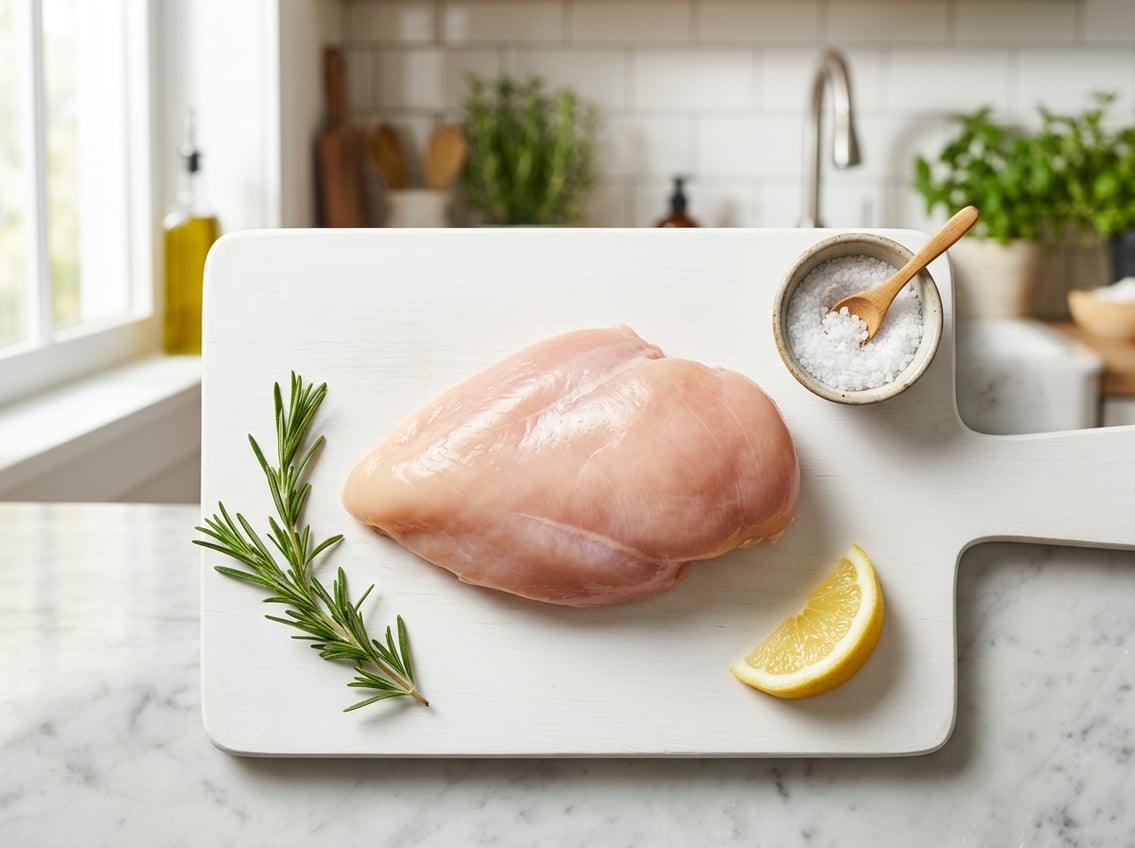
The breast side is usually the side you want facing up because it gives the best look and helps the skin brown well while the meat cooks more evenly.
If you are working with a whole chicken, the breast is the large rounded area between the wings and the legs.
If you are holding a single chicken breast, the smooth, rounded side is the top side in most recipes.
That small detail matters more than it seems.
Placing the bird the right way can affect browning, moisture, and how easy it is to carve after cooking.
The Quick Answer
On a whole chicken, breast side up means the rounded, meaty breast faces the top of the pan or platter.
That is the standard position for roasting and serving a whole bird.
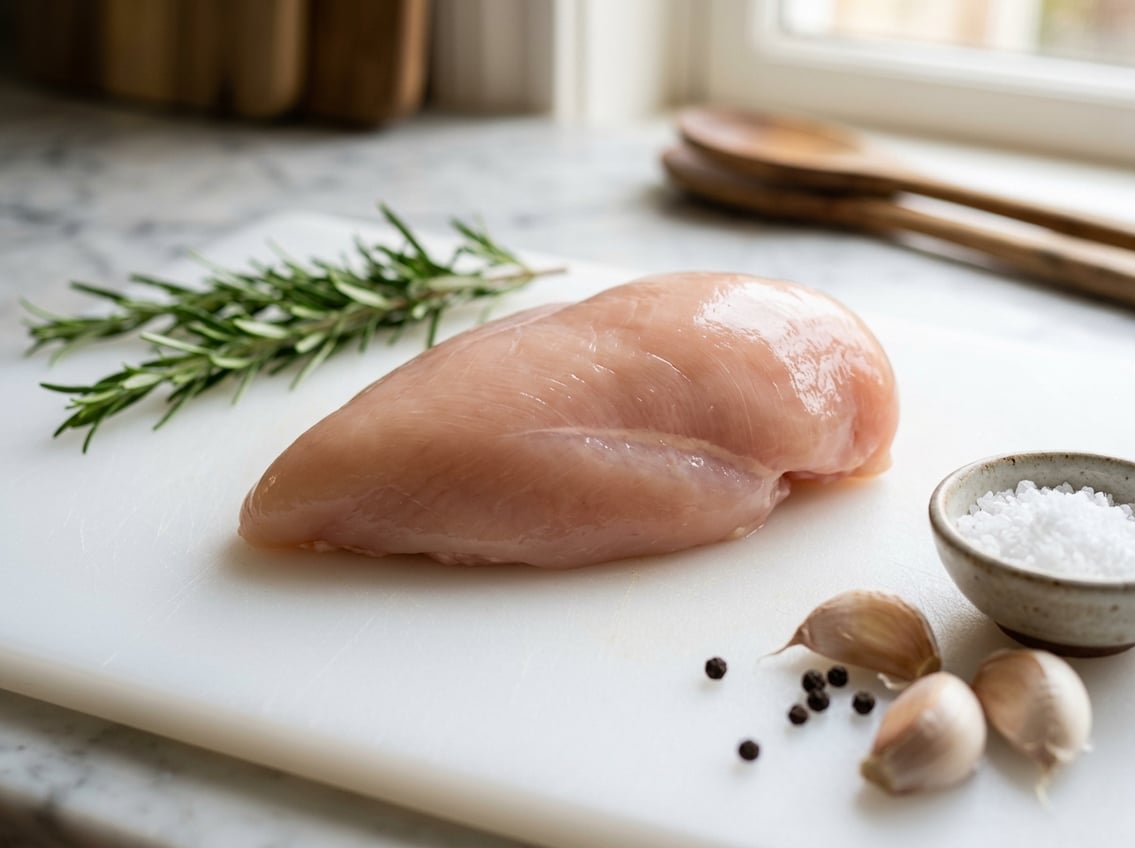
For a chicken breast, the chicken breast side up is usually the smooth side with a more even surface.
The thicker end points toward you, and the flatter, more textured side sits down on the pan or cutting board.
What Breast Side Up Means on a Whole Bird
The breast side is the front of the chicken, where the two breast muscles sit under the skin.
On a whole chicken, it is the side without the backbone showing.
How the Top Side Looks on a Chicken Breast
A single chicken breast usually has one smooth side and one side with more visible texture or fat.
The smooth side is often the top side when you place it in the pan.
If the piece has skin, the skin side is usually the side that faces up during roasting.
The Fastest Visual Checks Before Cooking
Use these quick checks:
- The largest rounded area on a whole chicken is the breast.
- The breast bone runs down the center of the up-facing side.
- The smooth, plump side of a chicken breast is usually the top.
- If you see the backbone, the chicken is not breast side up.
How to Identify the Correct Side
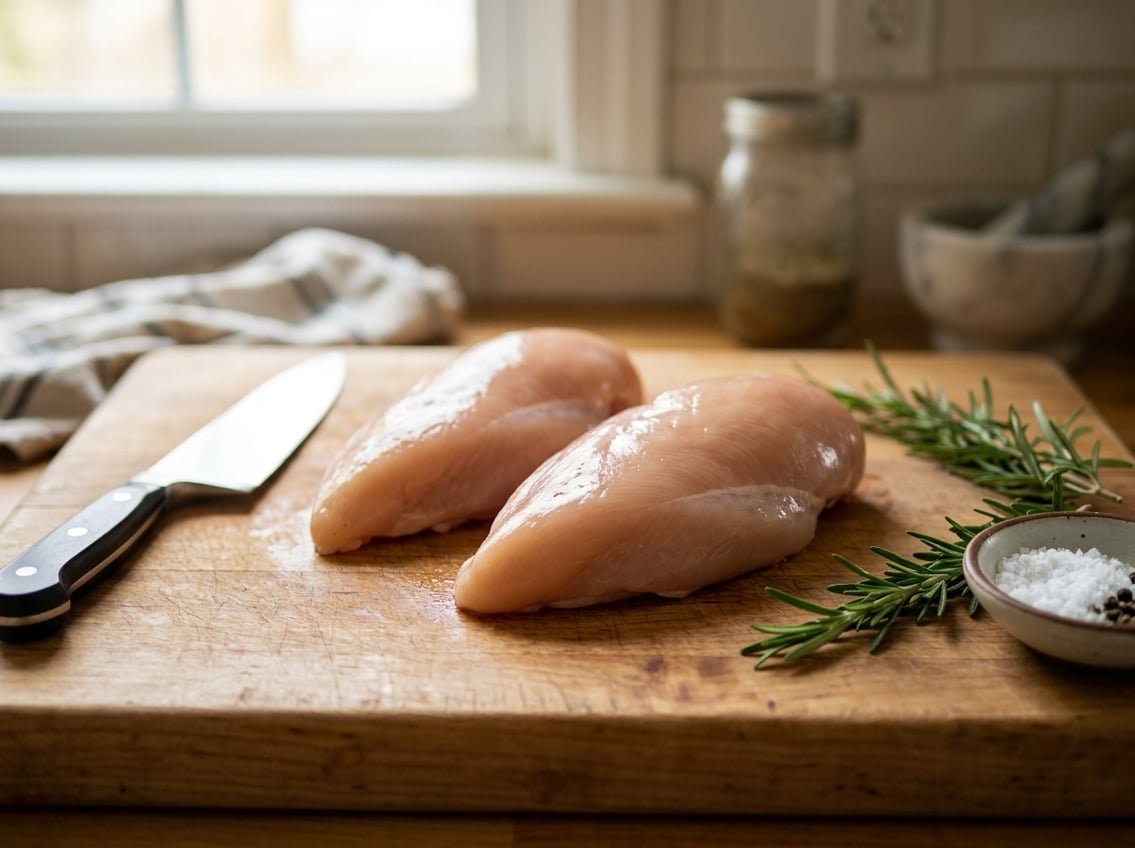
Look at shape, skin, and the way the wings and legs connect to identify the correct side.
On a whole chicken, the breast side is the broader, fuller side.
On a chicken breast, the top side is usually smoother and less flat than the underside.
Shape, Skin, and Fat Clues
The breast side looks full and rounded.
The back side is flatter and often shows more bony structure.
If the chicken has skin, the breast side usually has a cleaner, more even skin stretch across it.
How Wings and Legs Help on a Whole Bird
The wings attach near the upper breast area, and the legs hang below the body.
When the breast faces up, the legs point downward and away from you.
The back side tends to show the backbone and a narrower shape.
How to Avoid Confusing Skin With Membrane
Some raw chicken has a thin, shiny layer that can look like skin or membrane.
True skin usually covers a larger area and feels more flexible and fatty.
Membrane is thinner and more delicate, so do not use it alone to judge which side is up.
Why Positioning Matters in Cooking
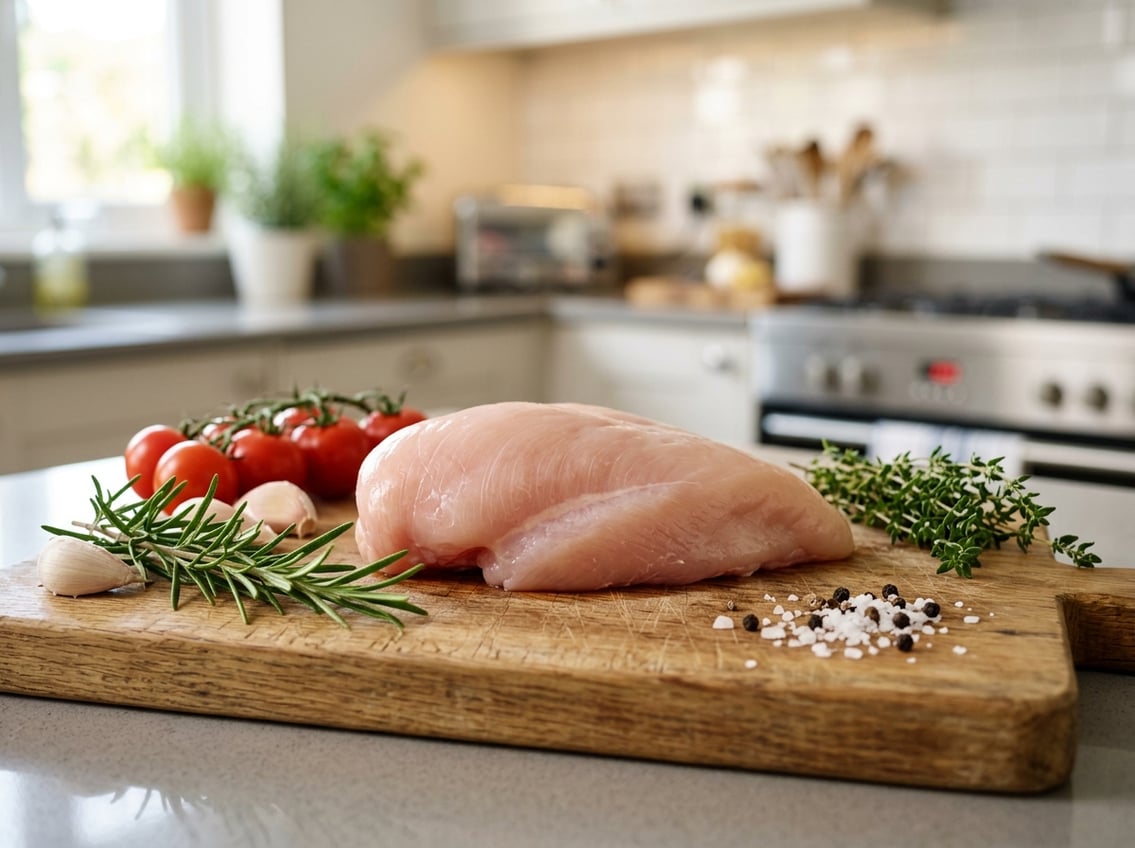
Positioning affects how heat reaches the meat and how the finished chicken looks.
The breast cooks faster than the legs and thighs, so the way you place the bird can help balance timing and reduce dryness.
Breast-side-up roasting also helps the skin get direct heat for better browning.
Moisture and Even Cooking
The breast is lean, so it can dry out if it gets too much direct heat for too long.
Keeping the bird breast side up in the right setup helps the heat move more evenly through the meat.
That gives the legs and thighs time to finish while the breast stays more tender.
Skin Browning and Presentation
Breast side up gives the skin on top the best chance to brown well.
It also makes the chicken look better when you bring it to the table.
A whole bird served breast side up is easier to carve cleanly, since the breast is the most visible and accessible part.
When Pan Cooking Changes the Approach
Pan cooking a chicken breast is different from roasting a whole bird.
In a skillet, you may start skin-side down if you want crisp skin, then flip as needed.
For boneless breasts, the up side matters less for presentation and more for even contact with the pan.
Best Setup for Roasting and Baking
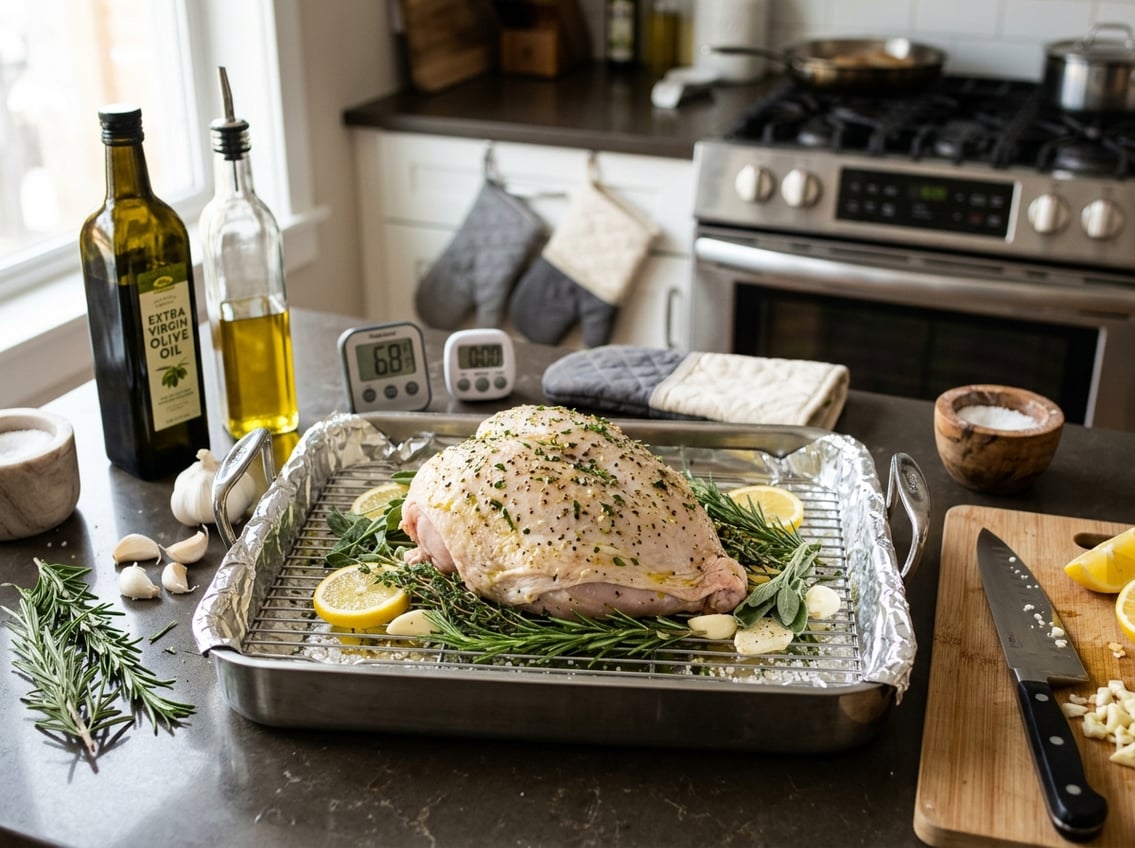
For roasting or baking, place the whole chicken breast side up in the pan so the top skin browns and the meat cooks in a balanced way.
Dry the skin first, then set the bird in a stable position so it does not tip.
If you use a rack, it can help hot air move around the chicken more evenly.
How to Place the Bird in the Pan
Set the chicken with the breast facing up and the legs pointing toward the back of the pan.
If the bird seems unstable, tuck the wing tips under the body.
This helps the chicken keep its shape while it cooks.
When to Use a Rack or Sheet Pan
A roasting rack lifts the chicken above drippings, which can improve airflow and help the skin crisp.
A sheet pan works well for smaller birds or simpler setups.
If you want more browning on all sides, a rack is usually the better choice.
Temperature Checks for Safe Doneness
Use a meat thermometer for accuracy. Check the thickest part of the breast and make sure it reaches 165°F.
Check the thickest part of the thigh as well. Place the thermometer into the thickest meat without touching bone.


