
Should Chicken Breast Rest After Cooking? Timing Guide
If you wonder if chicken breast should rest after cooking, the answer is yes. A short rest lets juices settle back into the meat, keeping your chicken more tender and less likely to dry out when you slice it.
The right resting time depends on the size of the breast and the cooking method. Most chicken breasts need about 5 to 10 minutes.
Thicker pieces and bone-in breasts need a little longer. Thin cutlets may need less.
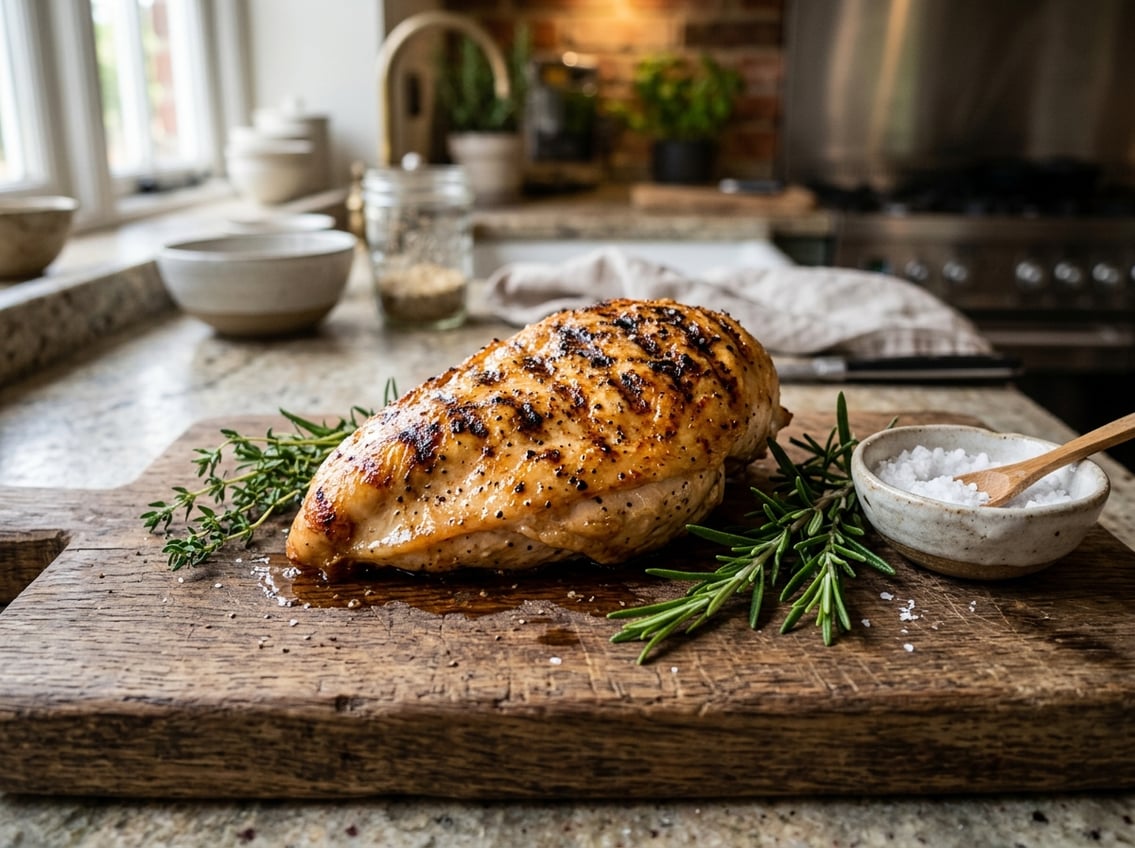
Resting is simple and works for almost any cooking style. Just avoid cutting too early and keep the chicken warm without trapping too much steam.
Short Answer and Recommended Rest Times
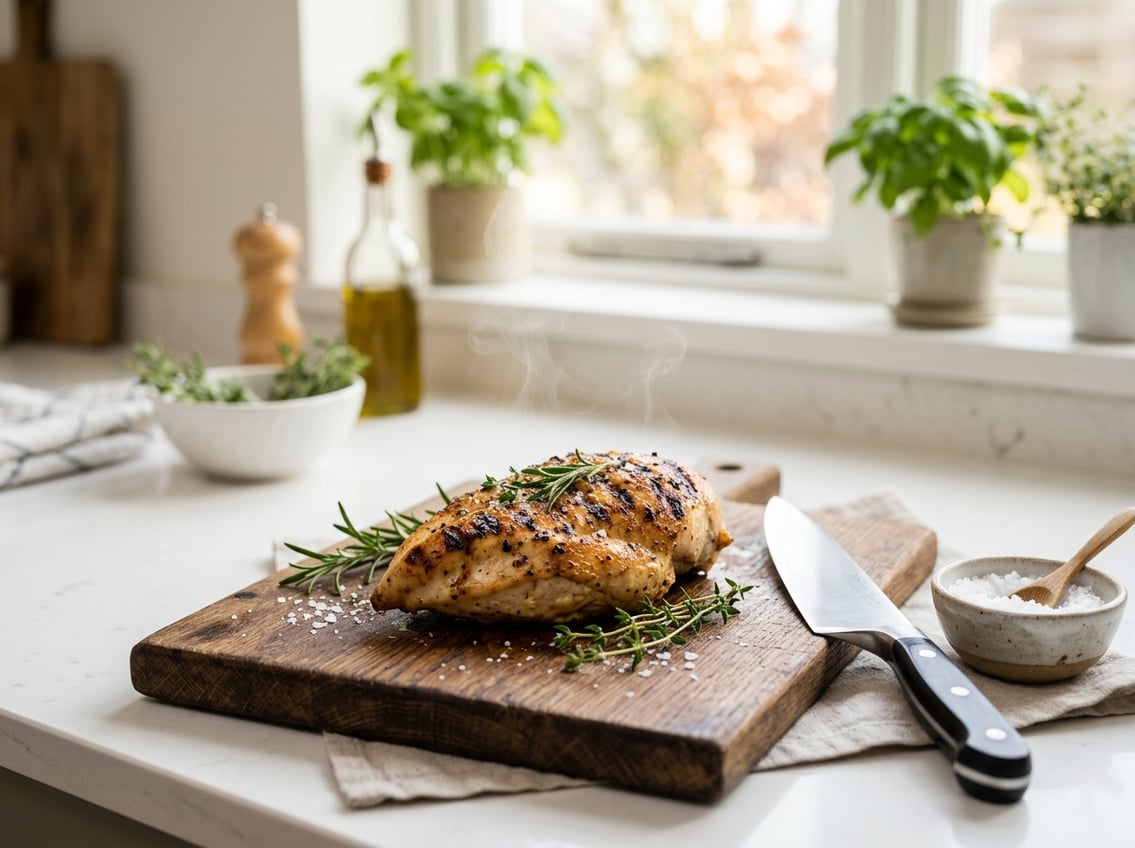
Resting chicken breast improves juiciness and makes slicing cleaner. A brief rest lets the meat relax, so juices stay inside instead of running onto the cutting board.
How Long to Rest Small Boneless Breasts
Small boneless chicken breasts usually need about 5 minutes of rest. If the pieces are thin or weigh around 4 to 6 ounces, you do not need a long wait.
If you are serving them whole, a short rest still helps. If you slice them, let them sit first so the meat does not lose moisture right away.
When Thick or Bone-In Pieces Need More Time
Thicker chicken breasts and bone-in pieces usually need 8 to 15 minutes. Larger pieces hold more heat, so they keep cooking after you remove them from the pan or oven.
That extra time helps the center finish settling without drying the outside. A heavier piece may stay hot enough for serving even after a longer rest.
Rest Times by Cooking Method
Different cooking methods affect how much rest chicken breast needs. Use this quick guide:
- Pan-seared or grilled: 5 to 10 minutes
- Roasted: 10 to 15 minutes
- Poached or boiled: about 5 minutes
According to Cookindocs, the exact timing depends on the size of the breast and the cooking method. Start with these ranges and adjust for thickness.
Why Resting Improves Chicken Breast
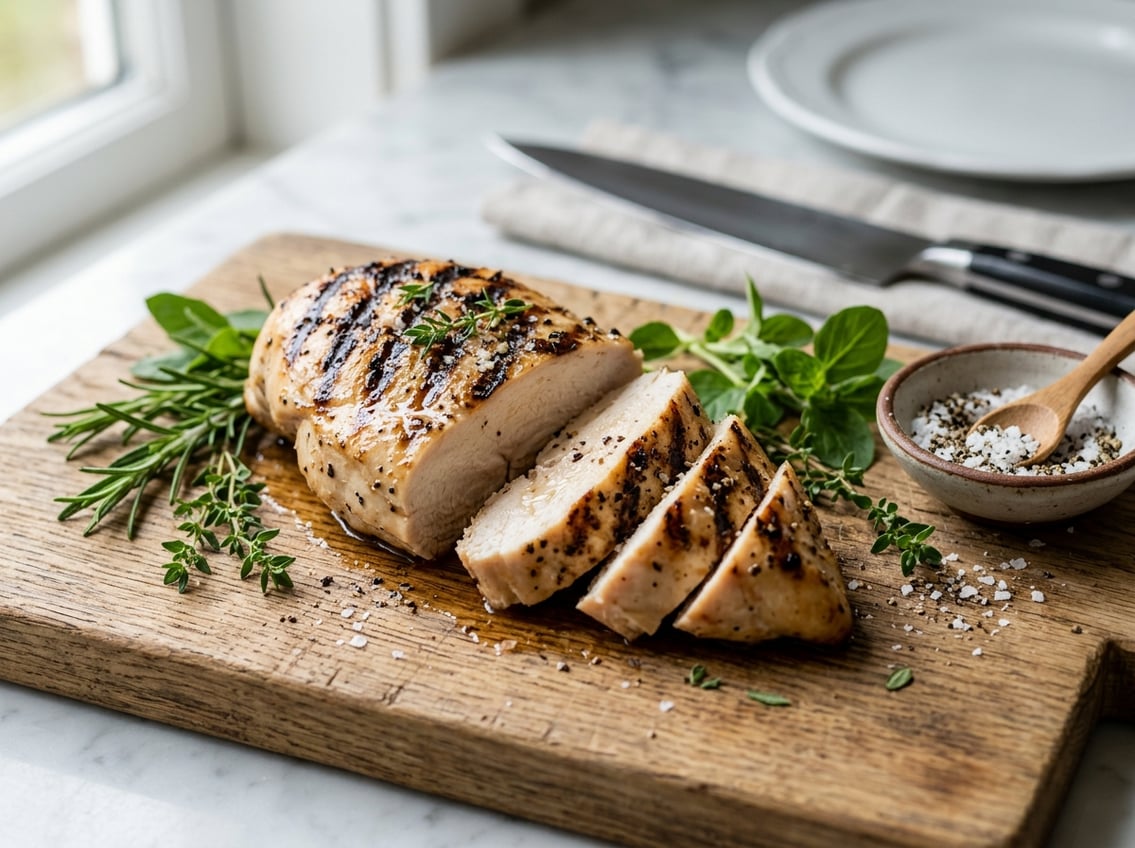
Resting helps chicken stay moist because cooked muscle fibers tighten during heat. When you let the chicken pause, those fibers relax and juices spread back through the meat.
How Juice Redistribution Works
During cooking, heat pushes liquid toward the center and surface of the breast. Resting gives that liquid time to move back into the meat instead of spilling out at the first cut.
A rested breast often slices cleaner and looks more even inside. The meat stays hot, while the surface stays less wet.
What Carryover Cooking Changes
Chicken keeps cooking after you remove it from the heat, which is called carryover cooking. The internal temperature can rise a few degrees during the rest.
That extra heat finishes the cooking process gently. It helps prevent overdone outsides and dry centers.
What Happens if You Slice Too Soon
If you cut chicken breast right away, juices escape fast. That can leave the slices dry and the texture less tender.
The problem is most noticeable with larger breasts and juicy cooking methods. A few minutes of rest can make a clear difference in texture.
How to Rest Chicken the Right Way
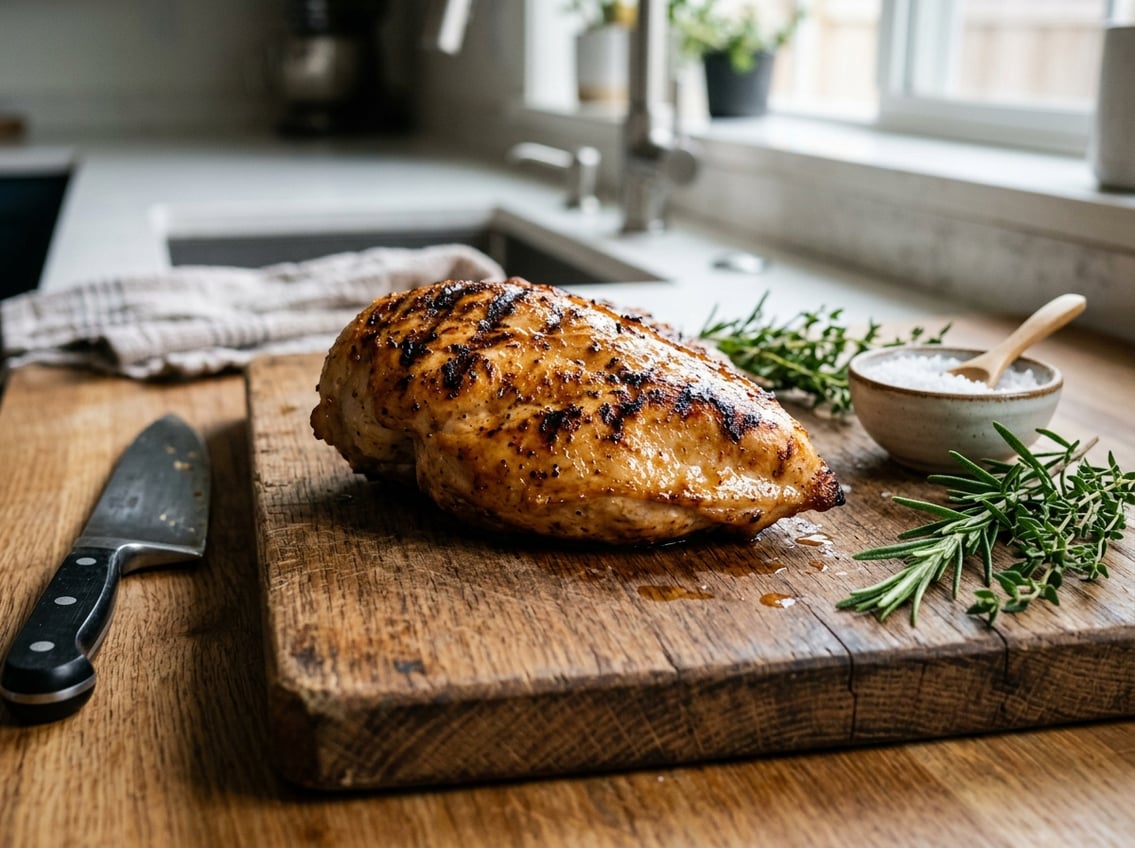
Resting should be simple and short. Keep the chicken warm, let air circulate, and avoid trapping steam on the surface.
When to Pull It Off the Heat
Pull the chicken a little before it reaches its final temperature, since carryover cooking will raise it during the rest. A meat thermometer gives you the best control.
For most chicken breasts, remove them around 160°F and let them finish rising to 165°F. This helps you avoid overcooking while still serving safe chicken.
How to Tent Without Trapping Steam
Set the chicken on a plate or a wire rack over a baking sheet. As noted by Cookindocs, this keeps the meat from sitting in its own juices.
You can tent it loosely with foil to hold in heat. Keep the foil loose so steam can escape, since tight wrapping can soften the outside.
How to Check Doneness With a Meat Thermometer
A meat thermometer is the most reliable way to know when chicken is done. Insert it into the thickest part of the breast, away from bone if there is one.
Chicken is safe at 165°F. If you pull it slightly early for resting, check that the temperature climbs into the safe range during carryover cooking.
When Resting Matters Less or Needs Adjustment
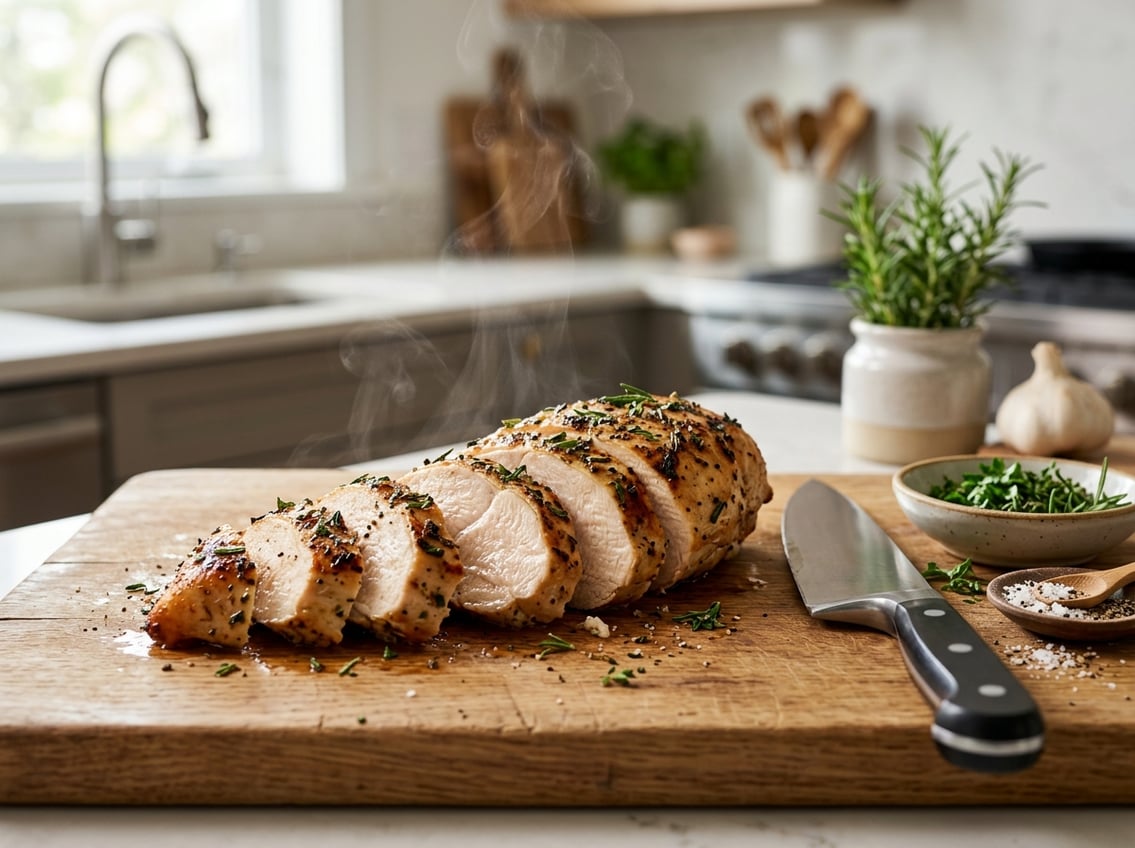
Resting still helps in many cases, but some cuts and dishes need a different approach. Thin pieces cool fast, and shredded chicken changes texture enough that a full rest is less important.
Thin Cutlets and Fast-Cooking Pieces
Very thin cutlets do not need much resting time. Since they cook quickly and are often sliced thin already, the juices do not have much time to rush out.
A brief pause of 1 to 3 minutes is usually enough. If the cutlets are part of a fast dinner, serve them soon after cooking so they do not lose heat.
Shredded Chicken and Other Exceptions
Shredded chicken is different because you will break the meat apart anyway. In that case, a full rest matters less than hitting the right doneness and keeping the meat moist.
Fried chicken is another special case. Long resting can soften the coating, so serve it soon after cooking instead of holding it for long.
How to Avoid Over-Resting and Serving It Cold
Resting helps the chicken, but it should not cool too much.
If you let a breast sit too long, the texture can improve while the serving temperature drops.
Keep rests short for small pieces and use loose foil only when needed.
When you cook several items at once, time the rest so the chicken reaches the table warm and ready to slice.


