
What Are Chicken Breast Halves? Cuts, Uses, and Cooking
What are chicken breast halves? They are one half of the chicken breast, usually sold as a larger, thicker cut than a standard boneless breast.
In U.S. grocery stores, the label often refers to a split or portioned breast piece that may still have the bone and skin attached.
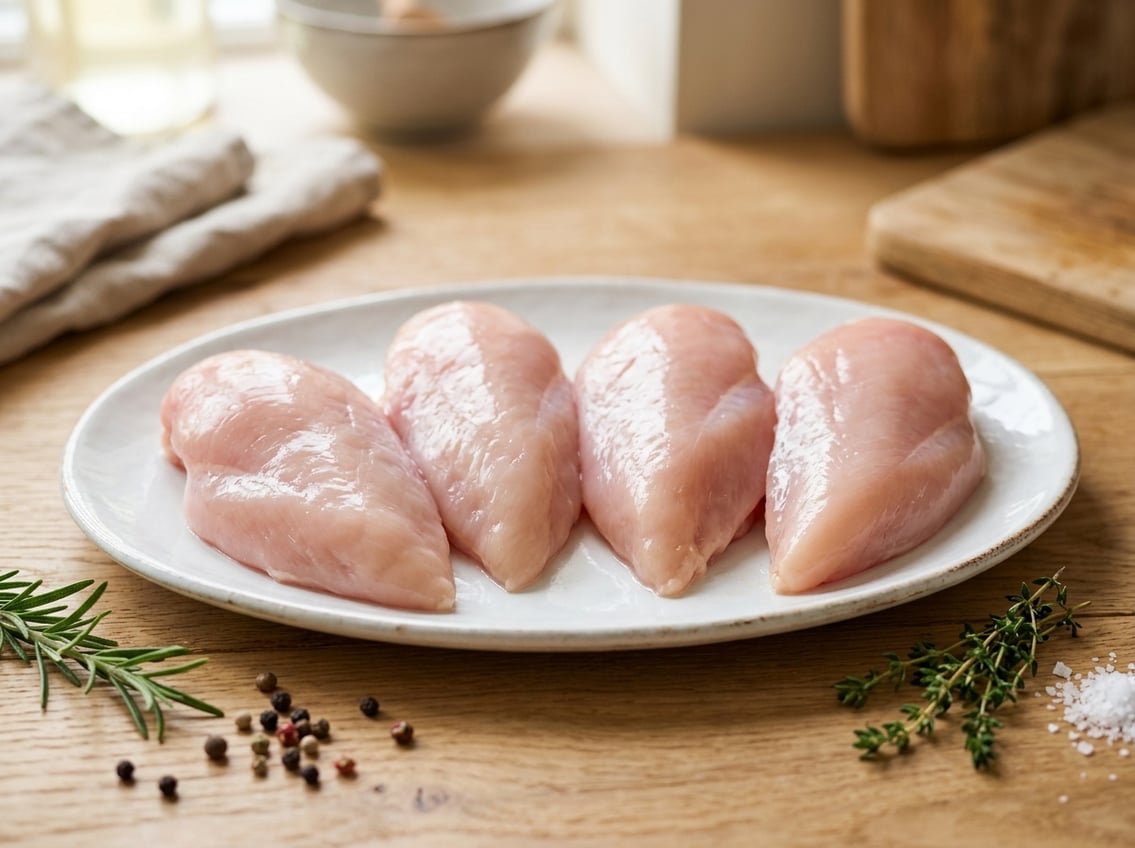
When you understand how chicken breast halves are labeled, trimmed, and cooked, you can choose the right cut for faster, juicier meals and avoid overcooking.
They are useful for roasting, grilling, pan-searing, and recipes that need a larger, more substantial chicken piece.
What This Cut Actually Means
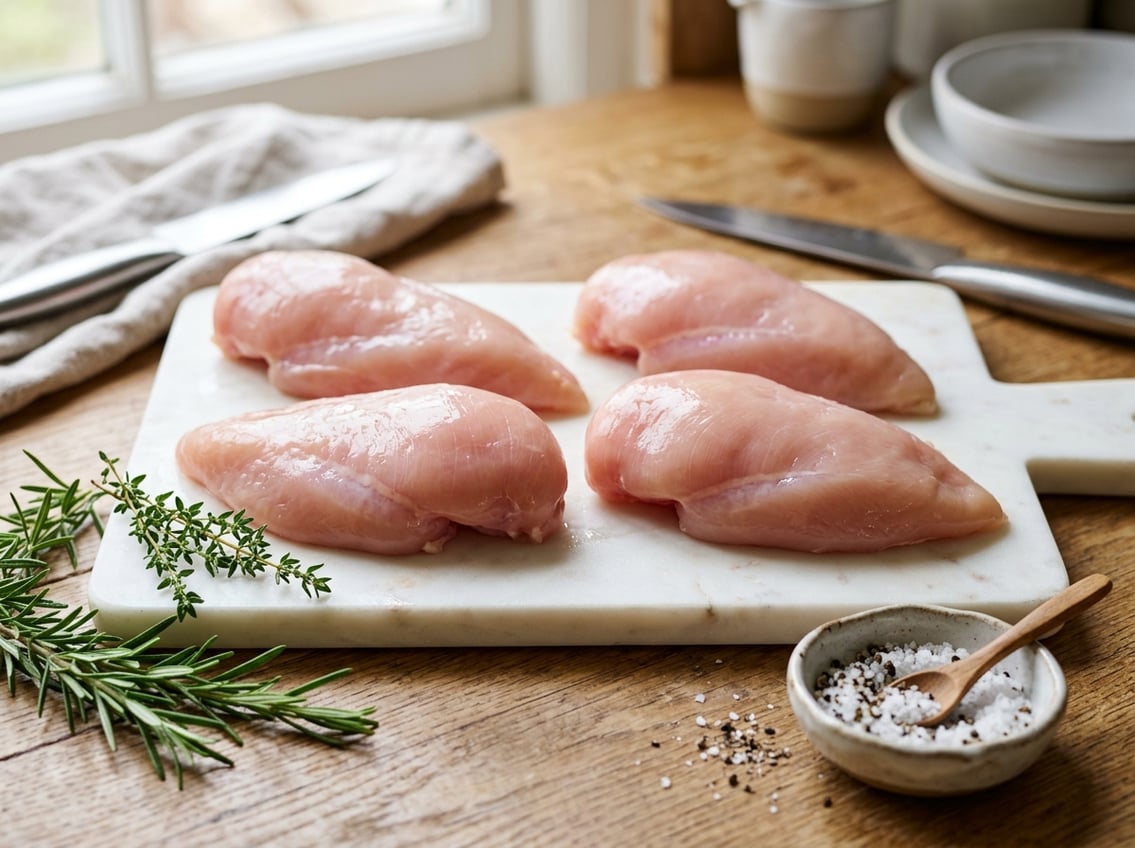
Butchers take chicken breast halves from the breast of the bird, then split them into two portions.
In many cases, this is the same thing as a split chicken breast, especially when someone cuts the breast lengthwise through the bone.
The label can vary by store.
One butcher may use “chicken breast halves” for bone-in pieces, while another may use it for trimmed boneless portions.
That is why package details matter more than the name alone, as explained in this breakdown of chicken breast halves vs. chicken breasts.
Chicken Breast Half vs. Chicken Breast, Whole Breast, Single Lobe, and Double Lobe
A whole chicken breast is the full breast muscle from both sides of the bird.
A chicken breast half is one side, so it is smaller than the whole breast and often easier to portion.
You may also hear “single lobe” and “double lobe.”
A single lobe is one breast side, while a double lobe chicken breast means both sides are still attached, often as one large boneless piece.
In stores, “breast halves,” “chicken breast halves,” and “half chicken breast” can point to similar products.
The exact cut depends on whether the meat is bone-in, skin-on, or fully trimmed.
Split Breast vs. Boneless Portions
A split chicken breast is usually bone-in and may still have the skin attached.
It cooks well when you want more flavor and a less processed cut.
A butcher trims boneless chicken breast halves farther, making them easier to slice into chicken cutlets.
These thinner pieces work well for quick cooking, breading, or sautéing.
If you want a more detailed label guide, this chicken breasts article explains how package names change the cut you buy.
How to Buy and Prep Them
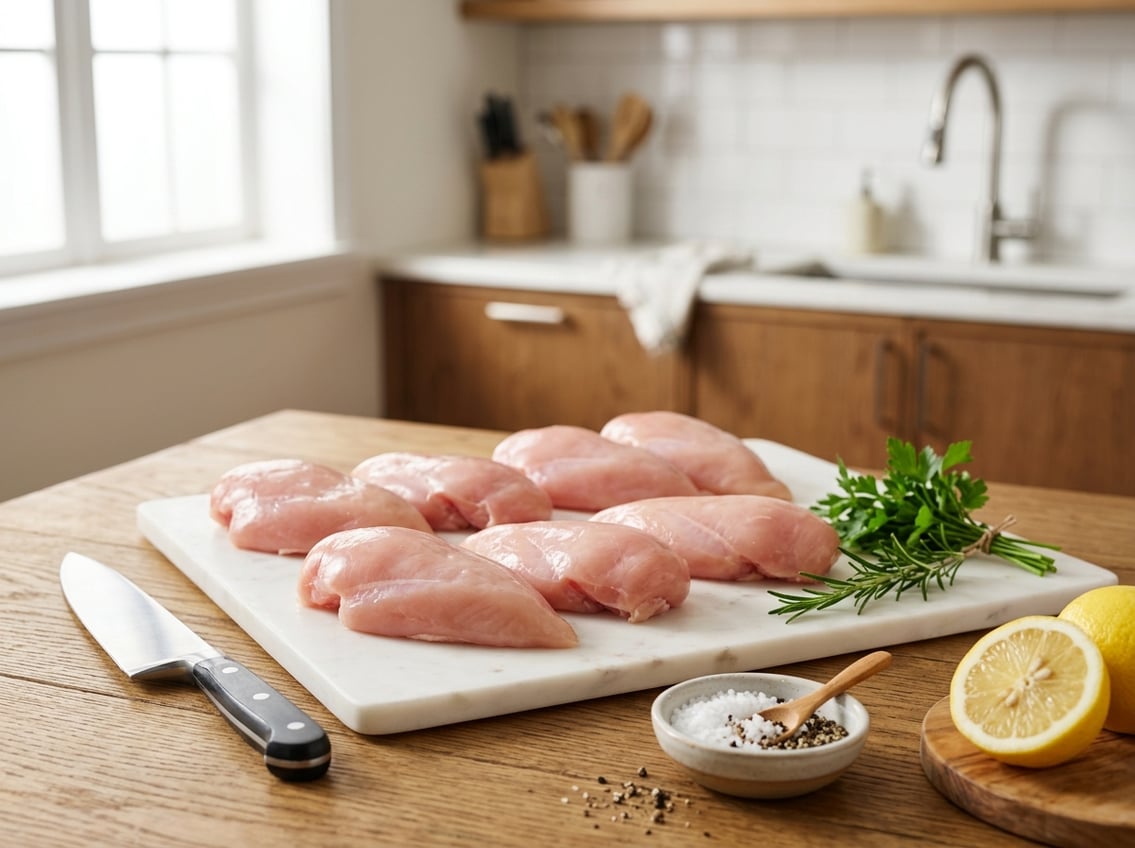
When you buy chicken, look past the label and check the cut, color, and packaging.
Whether you choose standard packages, organic chicken breast halves, or skinless chicken breast, the same freshness rules apply.
Bone-in pieces work well for roasting and grilling.
Trimmed boneless pieces are easier for fast meals.
Match your prep method to how you plan to cook chicken breast halves.
What to Look for at the Store
Choose chicken that looks pink and moist, not gray or dry.
The package should be cold, sealed well, and within the sell-by date.
If you want easier prep, look for skinless chicken breast or pre-trimmed boneless pieces.
Bone-in and skin-on pieces usually hold up better during cooking and provide more flavor.
Bone-In, Skin-On, and Skinless Options
Bone-in, skin-on chicken breast halves usually stay juicier and brown well in the oven or on the grill.
The skin adds protection and helps the meat stay moist.
Skinless chicken breast halves are leaner and faster to season.
They are a good choice when you want simple cooking and less trimming.
How to Butterfly or Split for Even Cooking
If a piece is thick on one side, you can butterfly a chicken breast to help it cook more evenly.
Cut partway through the thick side and open it like a book.
Butterflying a chicken breast is useful when you want a thinner, wider piece for stuffing, breading, or fast pan cooking.
You can also pound a butterflied chicken breast lightly into cutlets for very quick meals.
Safe Storage and Thawing
Store raw chicken in the coldest part of your fridge and use it within a day or two.
For longer storage, freeze it right away in airtight packaging.
To thaw frozen chicken breast halves, move them to the fridge and let them thaw slowly.
If you need a faster method, use cold water and change the water often.
Keep raw chicken away from ready-to-eat foods while you prep and cook it.
Best Ways to Cook Them
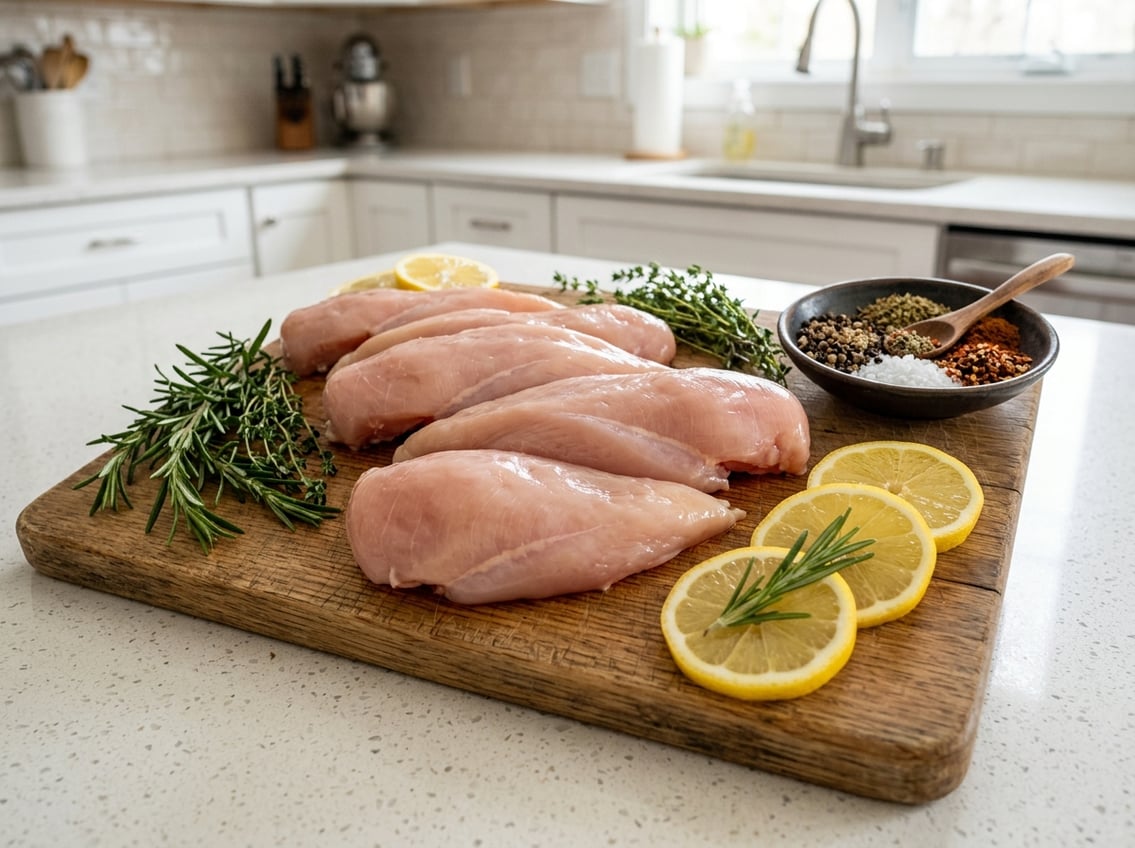
Cooking chicken breast halves works best when you match the method to the thickness of the meat.
Thicker bone-in pieces do well with oven heat, while thinner boneless pieces are better for fast cooking on the stove.
Dry heat methods such as baking, grilling, and pan-searing are the most common choices.
A fried chicken style coating also works well when you flatten or trim the cut thinner.
Bake, Pan-Sear, Grill, or Fry
Bake split chicken breast when you want even cooking and less hands-on time.
Bone-in pieces brown well in the oven and are easier to manage for larger servings.
Pan-sear boneless pieces when you want a quick crust and a fast dinner.
Grill a chicken breast when you want smoky flavor and visible grill marks.
Fry thinner pieces when you want a crisp coating.
A fried chicken method works especially well with chicken cutlets and butterflied chicken breast pieces.
How to Keep the Meat Juicy
Do not overcook the meat, since breast meat dries out fast.
Use a thermometer and pull the chicken when it reaches a safe internal temperature.
Rest the meat for a few minutes before slicing.
That helps the juices stay inside instead of running out on the cutting board.
When Thinner Cuts Work Better
Thinner cuts are better for quick sauces, breaded recipes, and even cooking.
A butterflied chicken breast or chicken cutlet cooks more evenly than a thick whole piece.
These cuts are also useful when you want a fast dinner with a short stovetop or oven time.
They fit well in recipes that need the chicken to cook at the same pace as the sauce or vegetables.
Common Dishes That Use This Cut
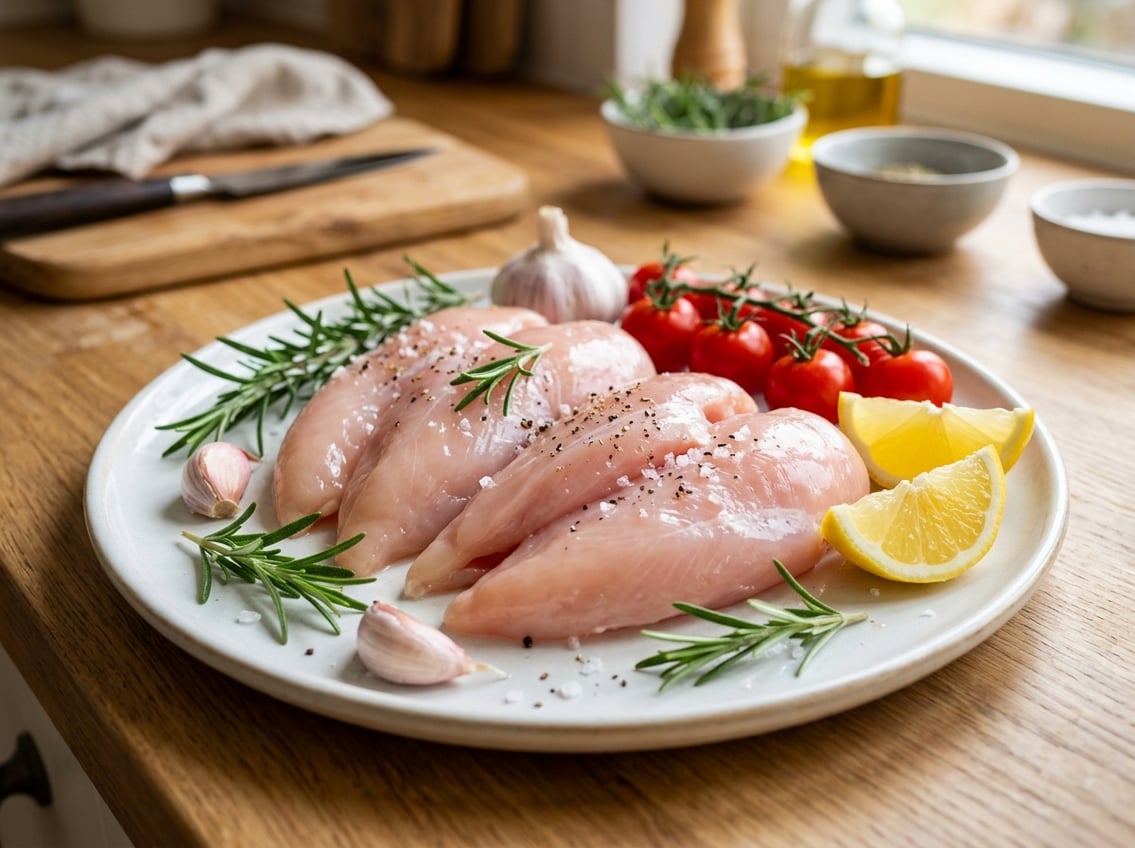
Chicken breast halves fit many familiar recipes because you can slice, flatten, bread, or cook them whole.
The cut works especially well when you want a mild chicken flavor that takes on sauce and seasoning.
Classic Breaded and Sauced Recipes
You can use chicken breast halves for chicken parmesan, chicken piccata, and garlic parmesan chicken.
These recipes often use thin, even pieces so the chicken cooks quickly and stays tender.
Chicken cutlets are a strong choice here, since they bread well and brown fast.
A butterflied chicken breast can also be used when you want a larger piece with even thickness.
Quick Weeknight Meal Ideas
For fast meals, season and pan-sear the chicken, then serve it with rice, pasta, or vegetables.
Lemon herb chicken and chicken stir-fry both work well with boneless pieces that cook in minutes.
A grilled chicken breast is another simple option when you want a clean, straightforward main dish.
It pairs well with salads, grains, and roasted vegetables.
When to Use Stuffed or Flattened Pieces
Use stuffed chicken breast when the piece is thick enough to hold filling without falling apart.
This works best with larger, boneless halves that you can slice open carefully.
Use flattened pieces when you want fast cooking and even browning.
Chicken cutlets and butterflied chicken breast pieces fit that job best.


