
How Does Chicken Breast Take to Boil? Timing Guide
You may wonder how long chicken breast takes to boil because the timing changes based on the cut, thickness, and whether the meat starts fresh or frozen.
Most boneless, skinless chicken breasts take about 12 to 15 minutes to boil. Bone-in breasts usually take about 30 minutes.
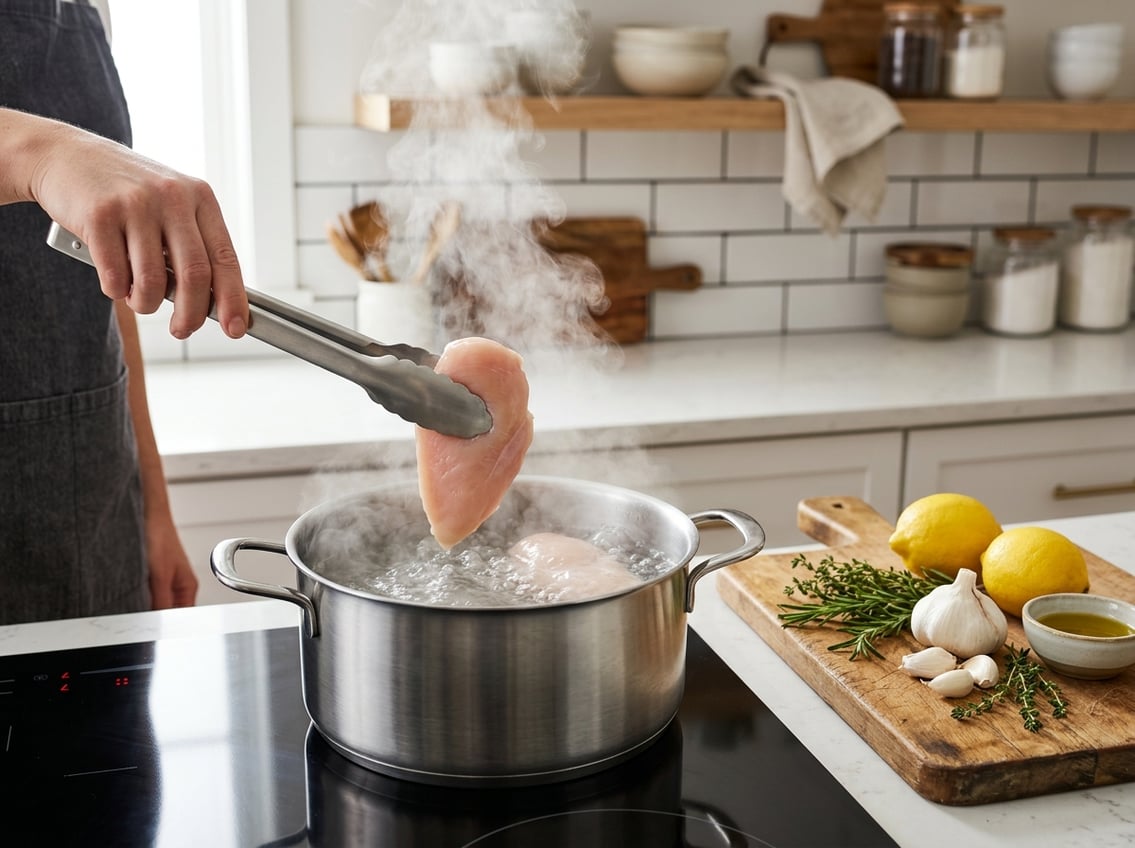
Boiled chicken breast is simple and easy to fit into meal prep. Once you know the timing, you can make chicken breast that is tender enough to shred, slice, or chop for many meals.
The main goal is to cook the chicken fully without drying it out. That starts with the right timing and a gentle cooking method.
Cook Times by Chicken Breast Type
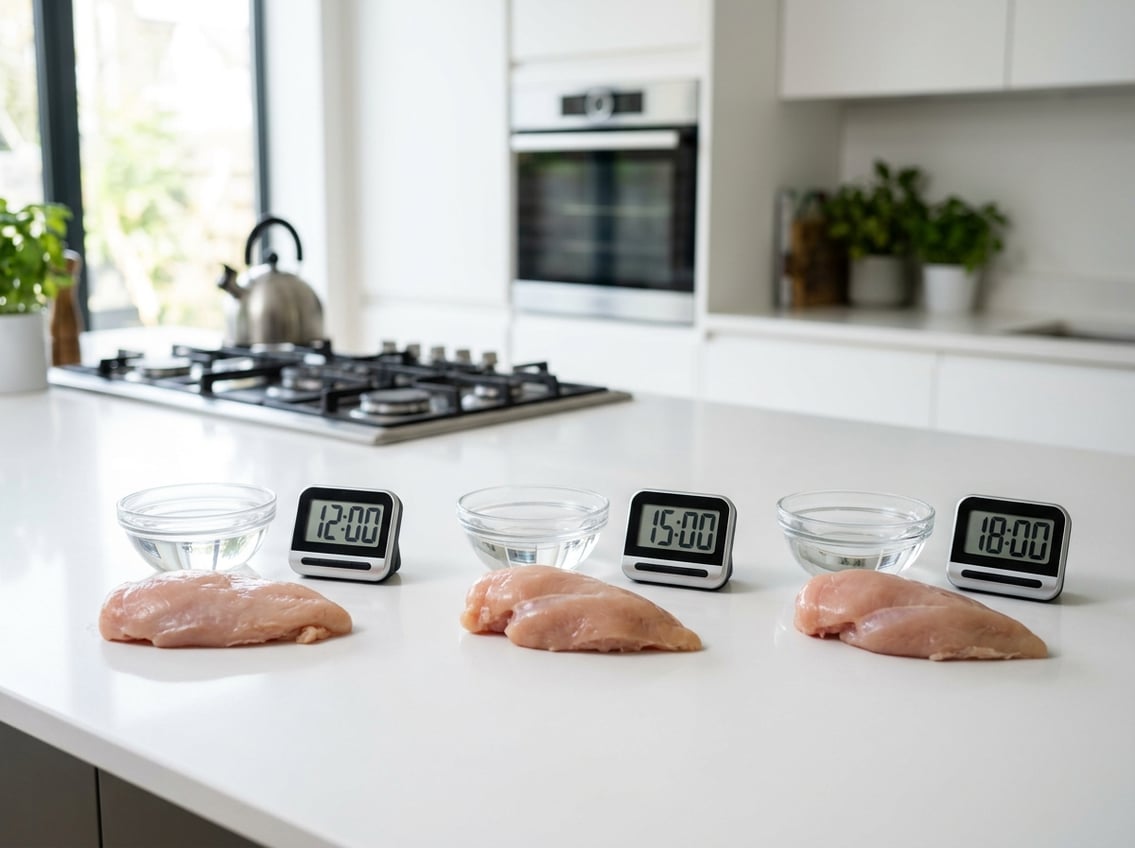
How long to boil chicken depends on size, shape, and whether the chicken is frozen. Use these time ranges as a starting point, then confirm doneness with a thermometer.
Boneless, Skinless Pieces
Boneless, skinless chicken breast halves usually need 12 to 15 minutes in simmering liquid.
If you cut them into 2-inch pieces, they cook in about 8 to 10 minutes.
A Better Homes & Gardens guide also puts boneless, skinless chicken breasts at about 12 to 15 minutes.
Bone-In Breasts
Bone-in, skin-on breasts take about 30 minutes. The bone slows heat transfer, so the inside needs more time to reach a safe temperature.
If the breasts are frozen, the time increases. Frozen bone-in chicken can take about 45 minutes.
Thin Cutlets and Cubed Pieces
Thin cutlets cook fast and can turn dry if left in too long. Small cubed pieces often finish in 8 to 10 minutes.
Keep the liquid at a gentle simmer, not a hard boil. Fast bubbling can make the outside tough before the center is done.
Frozen Chicken Timing Adjustments
You can boil frozen chicken, but it takes longer. Add about 50% more time, which matches food safety guidance.
Thawed chicken gives you better control and more even results. When boiling frozen chicken, use a thermometer to check for doneness.
The Best Method for Tender, Juicy Results
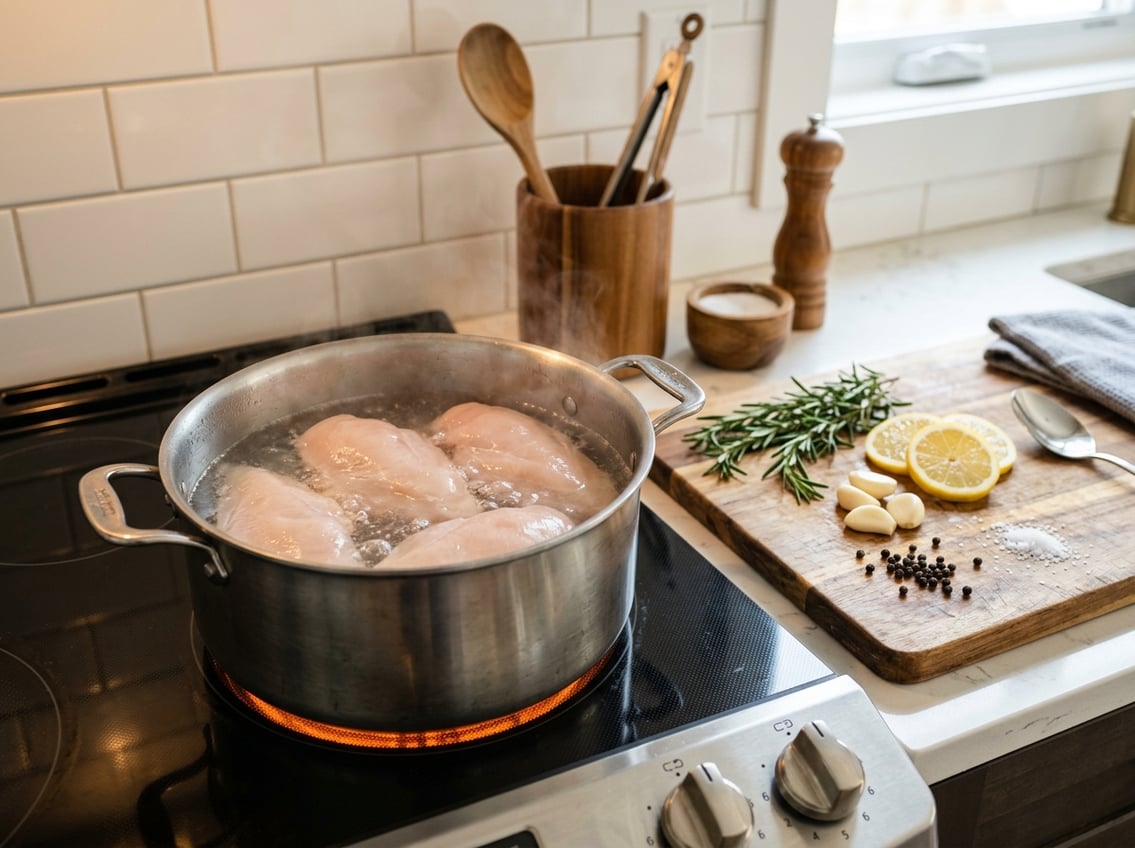
Use gentle heat and careful timing for tender boiled chicken. If you rush, the meat can turn stringy or dry.
Poached chicken and boiled chicken often mean the same thing in home cooking. The best results come from poaching liquid that stays just below a hard boil.
Start in Cold Liquid
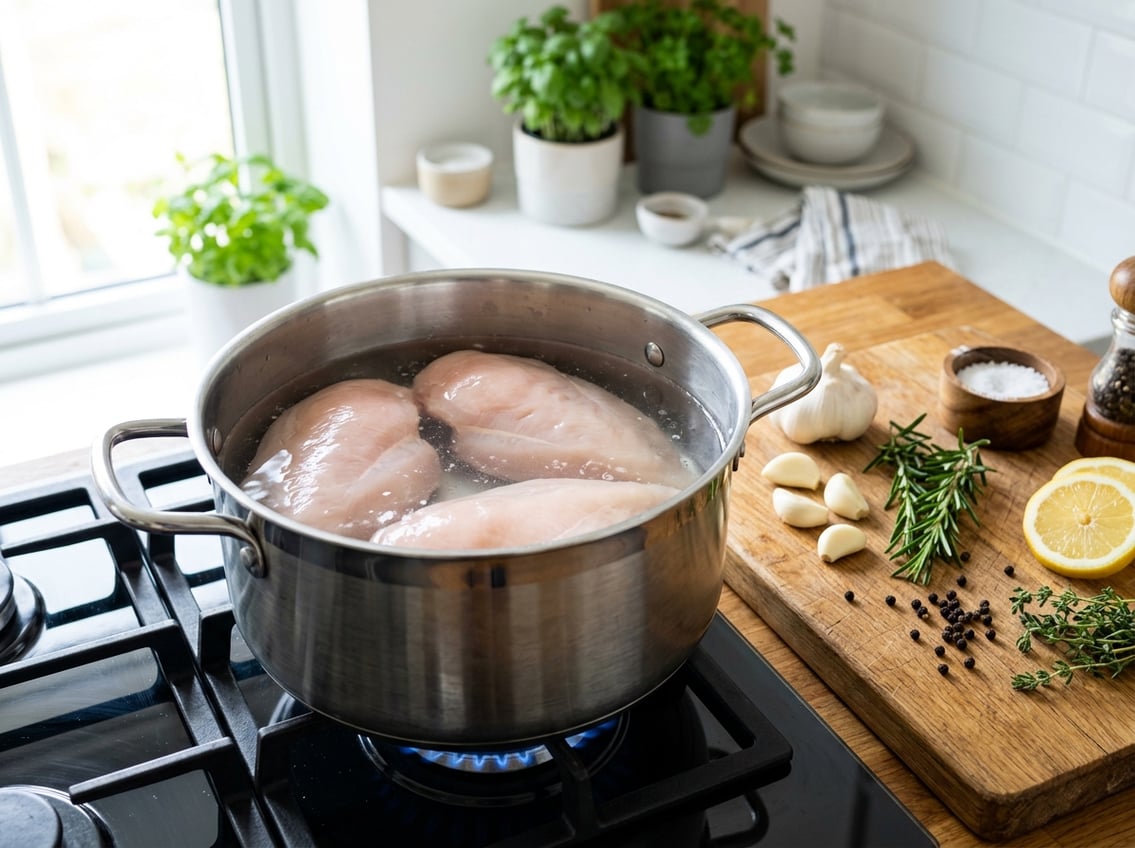
Place the chicken in the pot first, then add water or broth until the meat is covered. Starting in cold liquid helps the chicken cook more evenly from edge to center.
You can use water for a neutral flavor or broth for more taste. Salt, onion, garlic, herbs, celery, lemon, and peppercorns all work well.
Bring to a Boil, Then Simmer Gently
Bring the liquid to a boil, then lower the heat right away. Keep it at a gentle simmer while the chicken cooks.
That method gives you more control than a rolling boil. It also helps you get tender chicken breast instead of tight, dry meat.
Check for Safe Internal Temperature
Check the center with a meat thermometer. Chicken is ready at 165°F.
Time helps, but temperature matters more. A thicker breast may need a little longer.
Rest Before Slicing or Shredding
Let the cooked chicken rest for a few minutes before cutting it. Resting helps the juices stay in the meat instead of running out on the cutting board.
This step makes boiled chicken breast easier to shred and improves the texture.
How to Prep, Shred, and Use Cooked Chicken
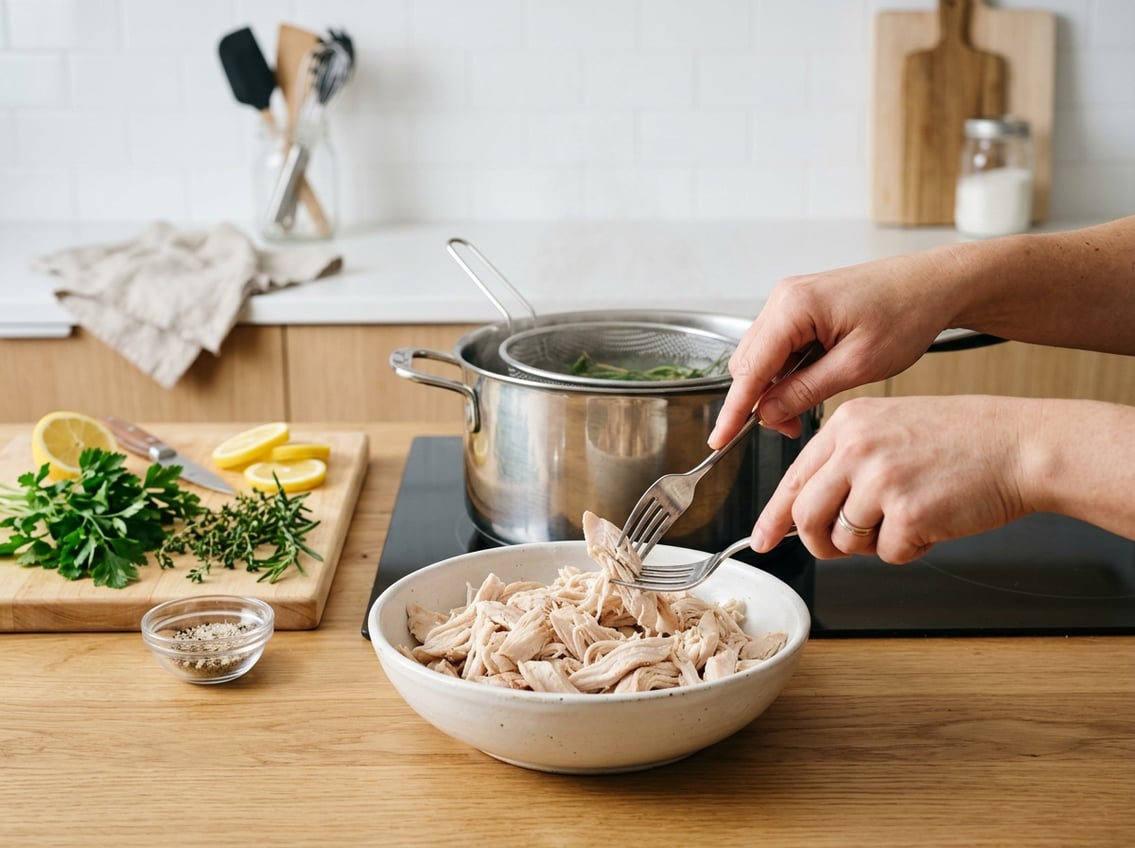
Boiled chicken is a flexible base for many meals. Once it cools a bit, you can turn it into shredded, chopped, or sliced pieces with very little effort.
How you cut it depends on the dish. Shredded chicken works well for soups and casseroles, while chopped chicken is better for cold salads and quick lunches.
How to Make Shredded or Chopped Pieces
Use two forks or pull the meat apart with your hands after it has cooled enough to handle. For faster prep, cut the chicken into chunks before you boil it.
If you want very fine shredded chicken, keep the pieces warm but not hot. That makes the fibers separate more easily.
Best Seasonings and Cooking Liquids
You can keep the poaching liquid plain or add flavor. Water is fine, but broth gives boiled chicken more depth.
Good additions include salt, garlic, onion, celery, bay leaf, parsley, lemon, and black pepper. The cooking liquid can also become a light broth if you strain and save it.
Ways to Use It in Meals
Boiled chicken works in tacos, sandwiches, soups, enchiladas, pasta, and casseroles. It also fits well in a chicken pot pie or any recipe that needs cooked meat.
If you want a mild protein for the week, boiled chicken is easy to season later.
Storage and Meal Prep Tips
Let cooked chicken cool fully before storing it. You can refrigerate it for up to three days or freeze it for up to two months.
Store the poaching liquid in a separate container if you want to use it later for soup or rice. Label the container with the date for easy meal prep.
When to Use Other Cuts Instead
Chicken breast is a good choice when you want lean, mild meat. Other cuts can work better when you want more flavor or a firmer texture.
Chicken Thighs vs. Chicken Breast
If you want richer flavor and more moisture tolerance, try boiling chicken thighs. Thighs usually stay tender even when cooked a bit longer.
Boiled chicken breast is leaner and milder, making it a good fit for soups, salads, or shredded chicken dishes.
Best Uses for Breast Meat in Recipes
Choose tender chicken breast when you need quick, even-cooking meat for a chicken breast recipe.
This cut works well in meals where you season the finished dish another way.
If you want the meat to stand out on its own, choose thighs for a more forgiving result.
For a light protein base for shredded or chopped chicken, boil chicken breast for an easy option.


