
Which Is the Best Chicken Breast for Juicy Results
If you want juicy chicken breast, choose one that matches your cooking method and stays thick enough to avoid drying out.
For most home cooks in the U.S., a plump, fresh, boneless, skinless whole breast works well for roasting, grilling, or pan cooking. Thin-sliced pieces or cutlets are better when you need to cook quickly.
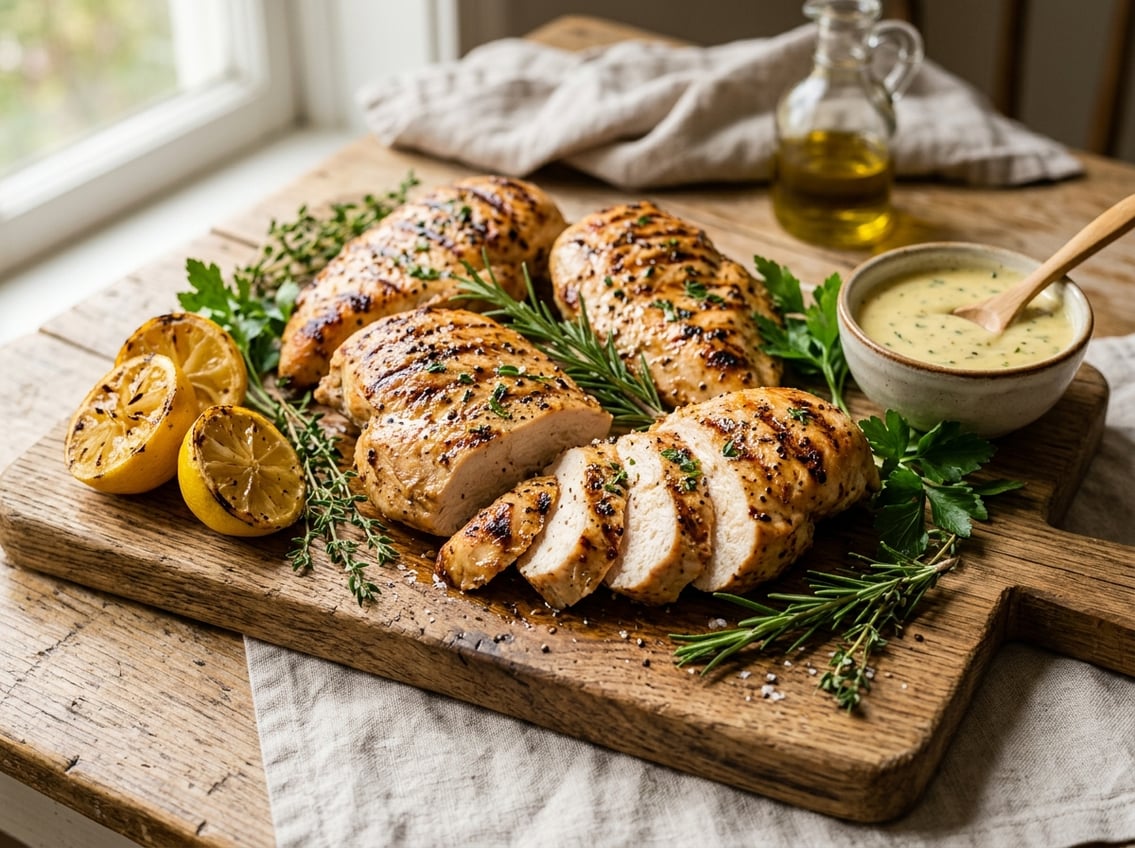
You should not always pick the biggest piece in the package. A good chicken breast looks pink, feels firm, and has an even shape so it cooks evenly from edge to center, as this guide to choosing the best chicken breast explains.
When you choose the right cut, you get better results in all kinds of chicken recipes.
That matters whether you are making baked chicken breast, poached chicken, slow cooker chicken, air fryer chicken, or quick weeknight meals.
How To Choose the Right Cut
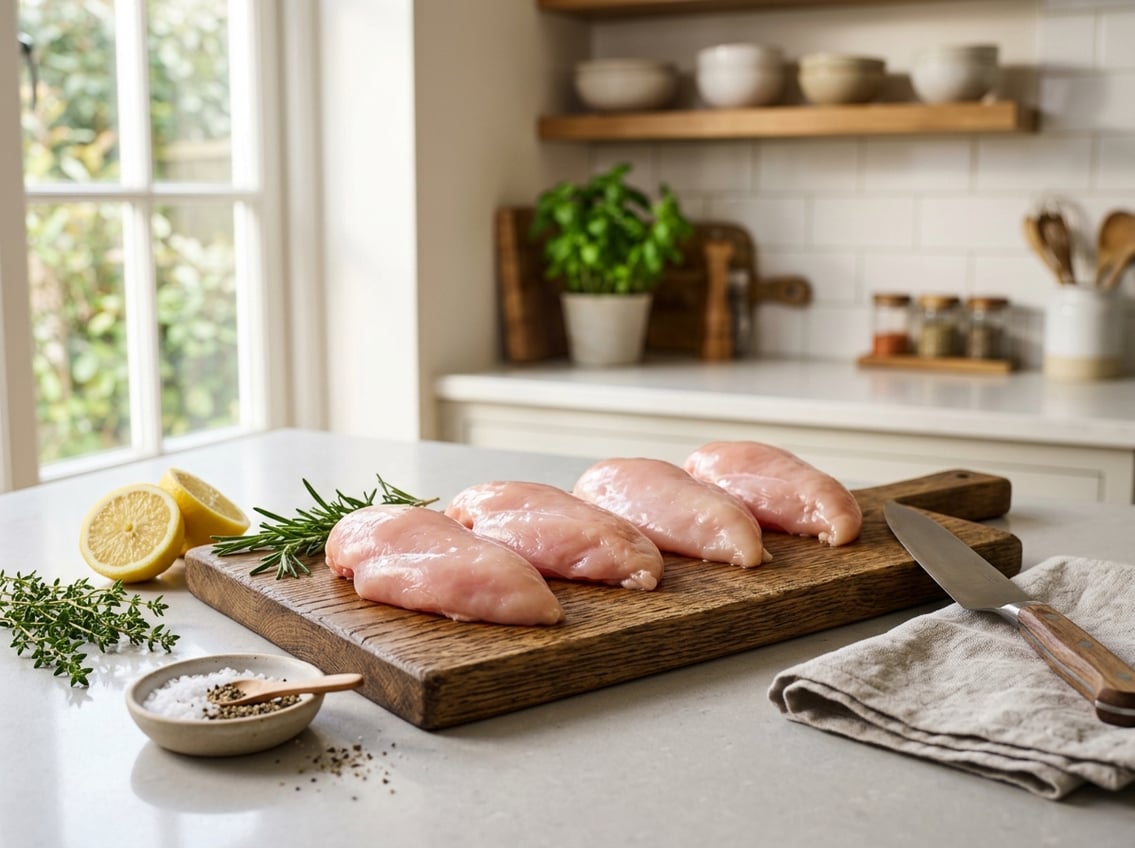
The right cut depends on how fast you want to cook and how much browning you want.
A thick chicken breast holds moisture well. A thinner piece cooks fast and works better for quick, high-heat meals.
Freshness, size, and shape matter more than brand names. For juicy chicken breast, pick meat that looks clean, pink, and firm, not slimy or dull.
Boneless Vs. Bone-In
Boneless chicken breasts are the most flexible choice for weeknight cooking.
They work well for baked chicken breast, chicken cutlets, skillet meals, and air fryer chicken because they cook fast and are easy to portion.
Bone-in breasts can stay juicier during roasting because the bone slows cooking.
They are a good pick when you want more flavor and do not mind extra prep.
Fresh Vs. Frozen
Fresh chicken is convenient when you plan to cook the same day or the next day.
Frozen chicken is practical for planning ahead and can be a better value, especially for meal prep.
Thaw frozen chicken in the refrigerator for best results. This keeps the texture more even and makes cooking safer.
Whole Breasts, Cutlets, and Thin-Sliced Pieces
Whole breasts give you the most control over juiciness and work well for grilling, baking, poaching, and slow cooking.
Chicken cutlets and thin-sliced pieces are better when you need speed. They cook quickly and are easier to keep from drying out if you watch the pan closely.
What to Buy for Juiciness, Value, and Meal Prep
For juiciness, buy breasts that are plump, even, and not too thin at one end.
Air-chilled or free-range labels can be worth considering if flavor and texture matter to you, as suggested in label-reading advice from Taste of Home.
For value and meal prep, buy family packs of boneless breasts and freeze what you will not use soon.
That gives you more control over portions for grilled chicken breasts, salads, wraps, and casseroles.
Best Chicken Breast by Cooking Method
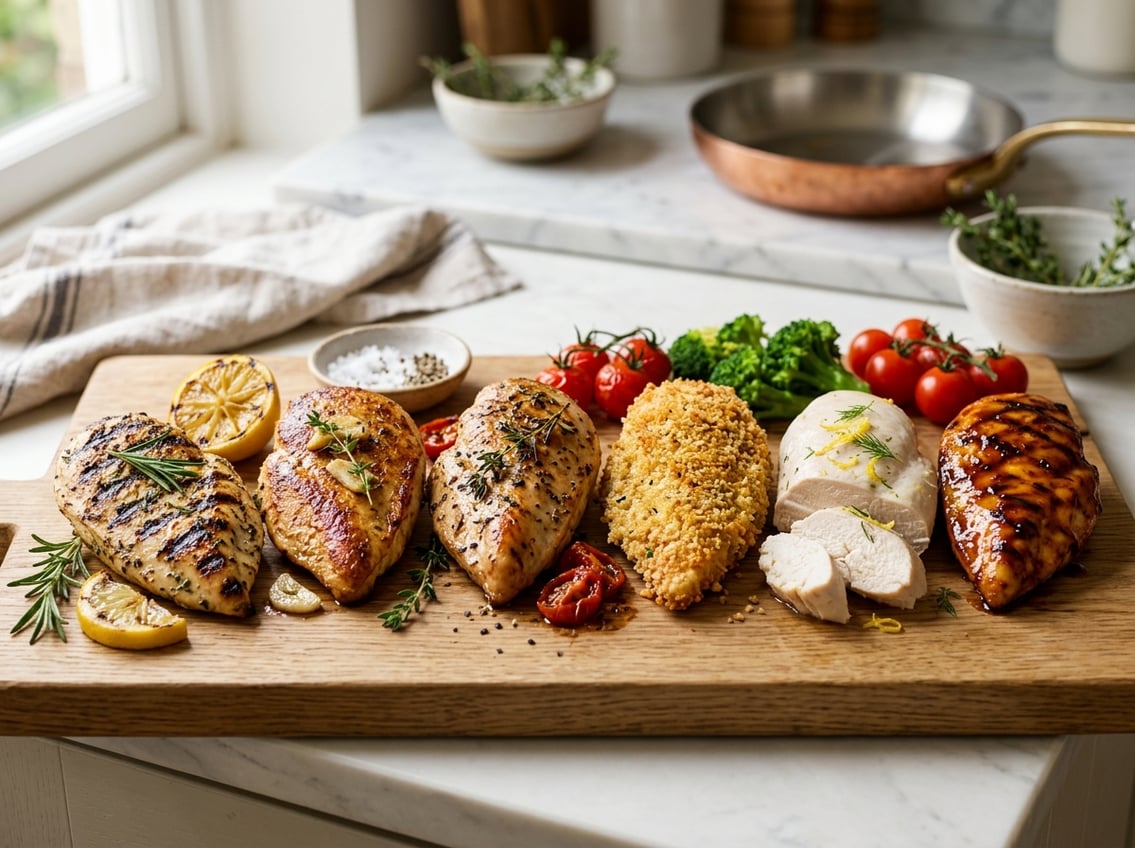
The best chicken breast depends on heat and timing.
High-heat methods work best with thicker, even pieces. Saucy or slow methods give you more room for larger breasts and less expensive cuts.
Think about browning, speed, and moisture retention before you buy.
That makes it easier to match the meat to grilled chicken, baked chicken breast, or a quick comfort meal.
Best Picks for Grilling and High Heat
Pick boneless chicken breasts that are thick and even in shape for grilling.
Larger pieces are easier to manage on the grill, especially for grilled chicken breasts and grilled chicken breast recipes.
If you use chicken marinades, thicker breasts give you more time before the outside overcooks.
This works well for bold flavors like lemon pepper chicken or ranch seasoning.
Best Picks for Baking and Roasting
For baking, whole boneless breasts are the most reliable choice.
They are easy to season, easy to portion, and strong enough for baked chicken breast recipes.
If you want a simple tray meal, buy breasts that are similar in size.
Even pieces cook at the same rate, which helps you avoid dry edges and undercooked centers.
Best Picks for Skillet Sauces and Quick Searing
For skillet meals, use cutlets or thinner boneless breasts.
They sear fast and pair well with white wine pan sauce, chicken and gravy, and quick pan recipes.
This format works well for dishes that need sauce to finish the cooking, such as chicken piccata or chicken marsala.
The thinner cut absorbs flavor without needing a long cook time.
Best Picks for Air Fryers, Slow Cookers, and Instant Pots
For air fryer chicken, use medium-thick breasts or cutlets, depending on how much browning you want.
Thin pieces cook very fast, so watch the time closely.
For slow cooker chicken, use larger boneless breasts. The moist heat helps protect them from drying out.
The same is true for Instant Pot dishes like Instant Pot white chicken chili, white chicken chili, and chicken and wild rice soup.
Best Uses for Different Recipes
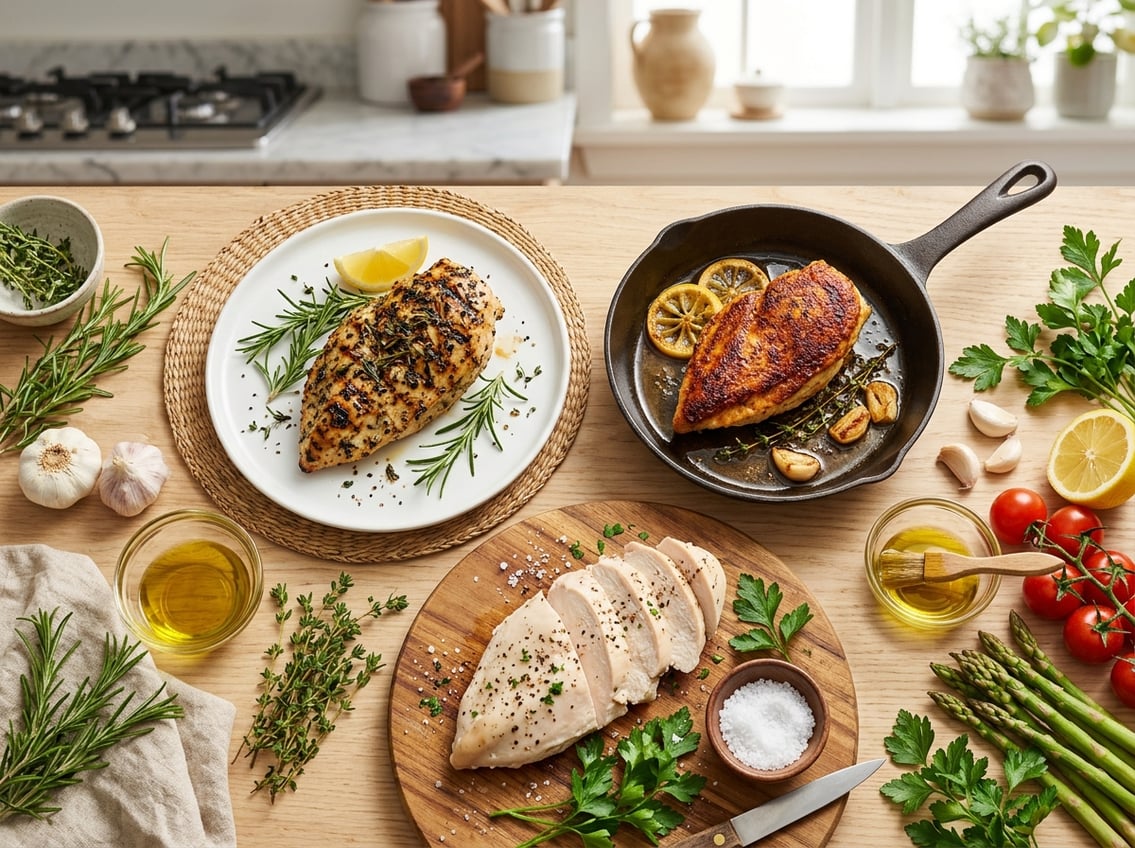
Different recipes need different textures.
A cut that works for crispy breading may not be the best choice for salad or stir-fry, so shape and thickness matter.
The right pick can save time and improve texture in both comfort food and fast meals.
It helps you get better results from chicken breasts across a wide range of recipes.
Best Choices for Breaded and Crispy Dishes
Use chicken cutlets for crispy chicken, breaded chicken, chicken tenders, chicken schnitzel, and chicken katsu.
Thin, even pieces cook faster and brown more evenly, which helps the coating stay crisp.
They are also a good choice for chicken parmesan, chicken cordon bleu, and chicken kiev.
If you want a neat shape and even cooking, cutlets usually work best.
Best Choices for Pasta, Pan Sauces, and Italian Favorites
Use medium-thick breasts or cutlets for chicken piccata, chicken marsala, chicken florentine, chicken saltimbocca, and chicken alfredo.
These dishes benefit from quick browning and a cut that stays tender in sauce.
For richer pasta dishes like cajun chicken pasta, tuscan chicken, feta chicken, or pizza chicken, boneless breasts hold flavor well and slice neatly after cooking.
A well-seared breast also works in a simple cream or butter pan sauce.
Best Choices for Salads, Sandwiches, and Wraps
Use poached or baked chicken breast for grilled chicken salad, chicken caesar salad, cobb salad, and a chicken sandwich.
These methods give you clean slices or shreds without a heavy crust.
Leftover chicken works well in buffalo chicken wraps and sandwiches.
If you want a softer texture, poaching keeps the meat mild and easy to shred.
Best Choices for Tex-Mex, Asian, and Meal Prep Dishes
For chicken fajitas, chicken enchiladas, baked salsa chicken, chicken kabobs, and ranch chicken, use boneless breasts that can take seasoning well.
Marinades help here, especially for cajun chicken and buffalo-style meals.
For kung pao chicken, orange chicken, and chicken stir fry, thin-sliced pieces or tenderloins cook fast and stay tender.
For meal prep, grilled chicken breasts or baked pieces are practical because they store and reheat well with tzatziki sauce, rice, or vegetables.
How To Keep Chicken Breast Tender and Flavorful
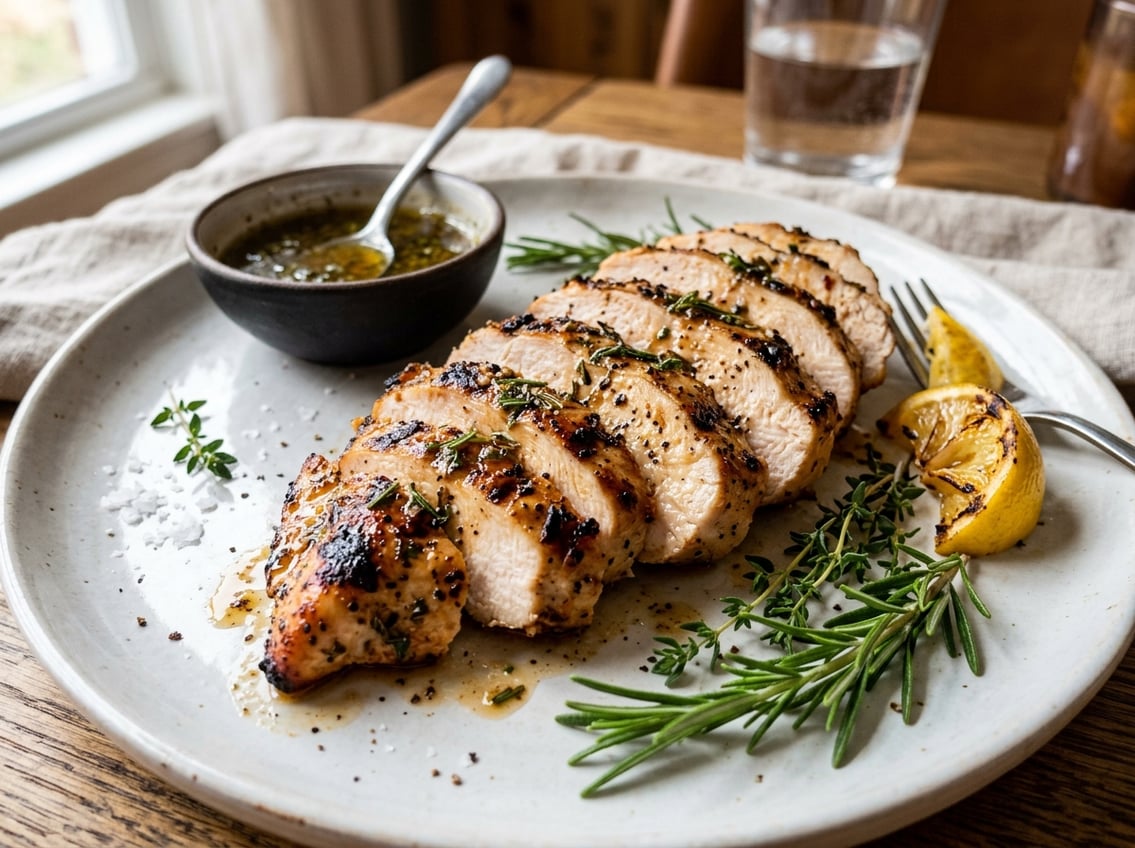
Tender chicken starts before cooking.
Salt, even thickness, proper heat, and resting time all make a difference in how juicy the meat turns out.
Simple methods often work best.
A good brine, a balanced marinade, or careful dry brining can improve both grilled chicken and baked chicken breast.
When To Brine, Marinate, or Dry Brine
Brine chicken breast when you want extra juiciness and a milder seasoning base.
Marinate when you want more flavor on the surface and a softer bite, especially for grilled chicken breasts and lemon pepper chicken.
Dry brining works well when you want better browning without extra liquid.
A simple salt-and-seasoning mix, including ranch seasoning or herbs, can improve flavor before roasting or pan cooking.
Why Pounding Evenly Improves Results
Pound a chicken breast to an even thickness to help it cook at the same rate across the whole piece.
That lowers the chance of dry edges and raw centers.
This step matters most for cutlets, pan-seared recipes, and quick baking.
It also helps when you want neat slices for sandwiches or salads.
Safe Internal Temperature and Resting Time
Cook chicken to 165°F at the thickest part, then let it rest for a few minutes.
That resting time helps the juices settle so they stay in the meat instead of running out when you cut it.
A thermometer removes guesswork and protects texture.
It is especially useful for grilled chicken, air fryer chicken, and lean breasts that can dry out fast.
Common Buying and Cooking Mistakes to Avoid
Do not buy chicken that smells sour, looks slimy, or feels soft in a bad way.
Those are signs you should skip that package.
Do not cook very thin breasts at the same time and temperature as thick ones.
Uneven size creates uneven texture, which quickly causes the chicken to lose juiciness.


