
Where Is the Chicken Breast Tenderloin? Anatomy and Uses
The where is the chicken breast tenderloin question comes up often because the cut is small, easy to miss, and labeled in different ways at the store.
It is the narrow strip of white meat tucked under the breast, and you may also see it sold as chicken tenderloin, chicken tender, or chicken breast tenderloins.
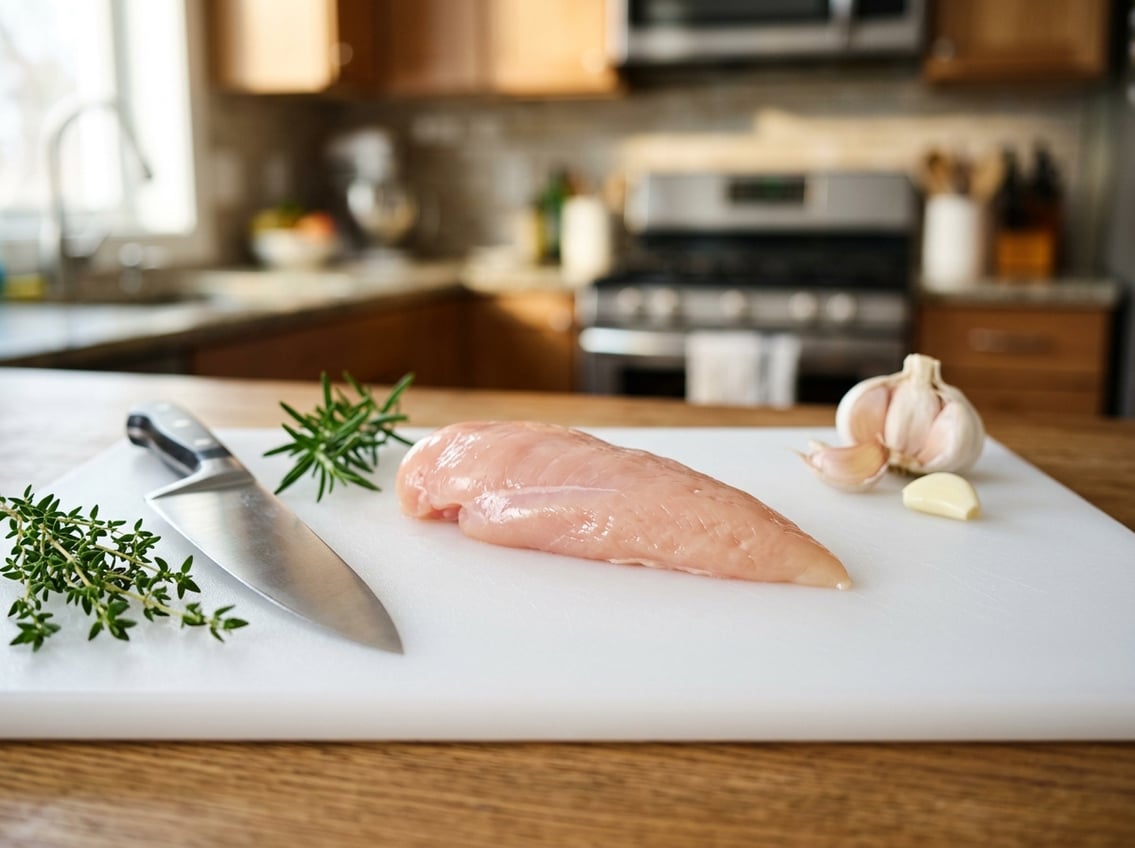
Chicken breast tenderloin comes from the same white-meat area as the breast, so you can use it in many of the same recipes.
It is thinner and more delicate than the main breast, which makes it cook quickly and work well in weeknight meals.
Exact Location on the Chicken
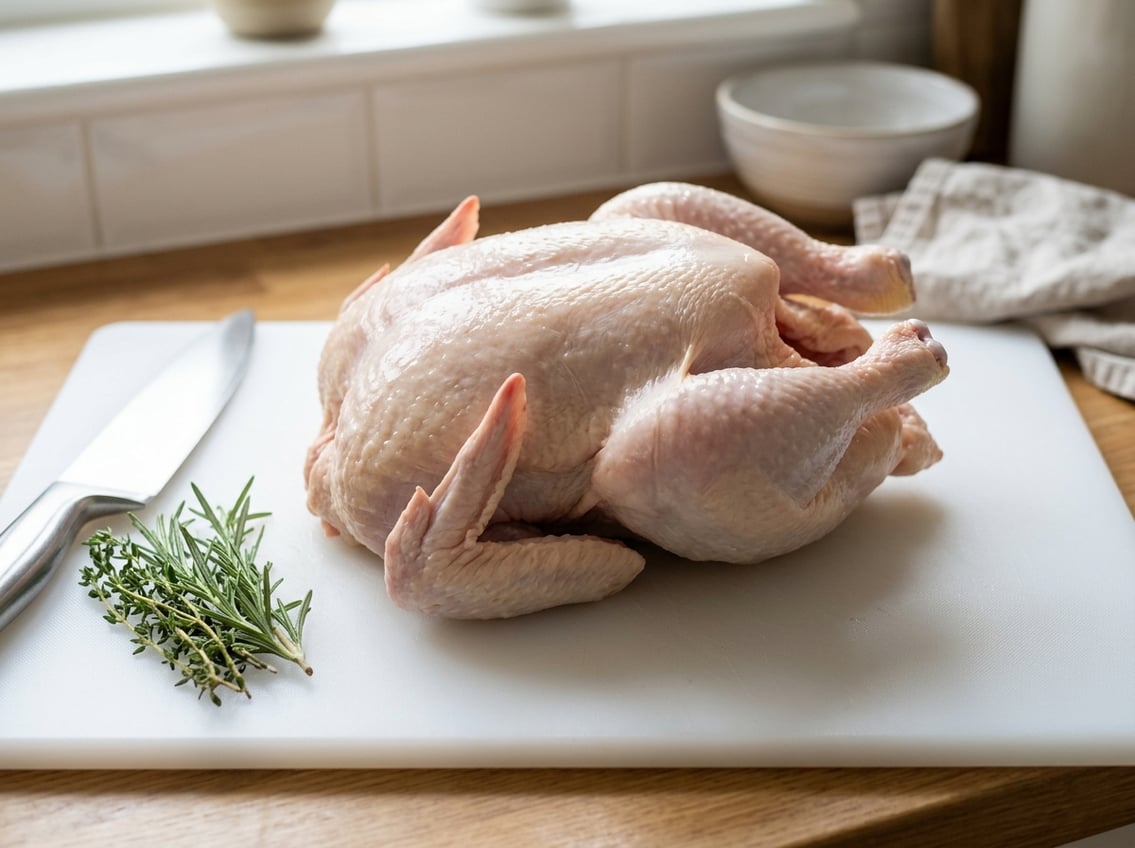
The chicken tenderloin sits directly beneath the chicken breast, attached along the underside of the breast area.
It is the smaller muscle known as the pectoralis minor, while the breast is the larger pectoralis major.
This location makes chicken breast tenderloin and chicken breast look related but behave differently in the pan.
The tenderloin is narrower, softer, and usually sold as chicken tenderloins once you trim it away from the breast.
As noted in a clear anatomy guide, stores may use labels in different ways, so shape matters more than the package name.
How the Tenderloin Sits Beneath the Breast
The tenderloin lies under the thickest part of the breast, almost like a strip hidden underneath a larger fillet.
On a whole breast, you may find it attached to the bottom edge.
When processors break down chicken, they often remove the tenderloin and pack it separately.
That is why you may see chicken tenderloins in a tray even though they were once part of the breast.
Pectoralis Minor vs Breast Muscle
The pectoralis minor is smaller and gets less use than the pectoralis major.
That lower workload keeps the meat more tender.
The breast muscle is the large main portion you use for cutlets, roasting, and slicing.
The tenderloin is the smaller strip that cooks faster and feels softer after cooking.
Why Each Chicken Has Only Two Tenderloins
A chicken has one tenderloin under each breast, so there are only two per bird.
That makes them a limited cut compared with the full breast.
Because each bird has just two, stores often sell chicken breast tenderloins in mixed packs from several birds.
That is useful for batch cooking, but it also means the pieces can vary a little in size.
How to Identify It in the Kitchen and Store
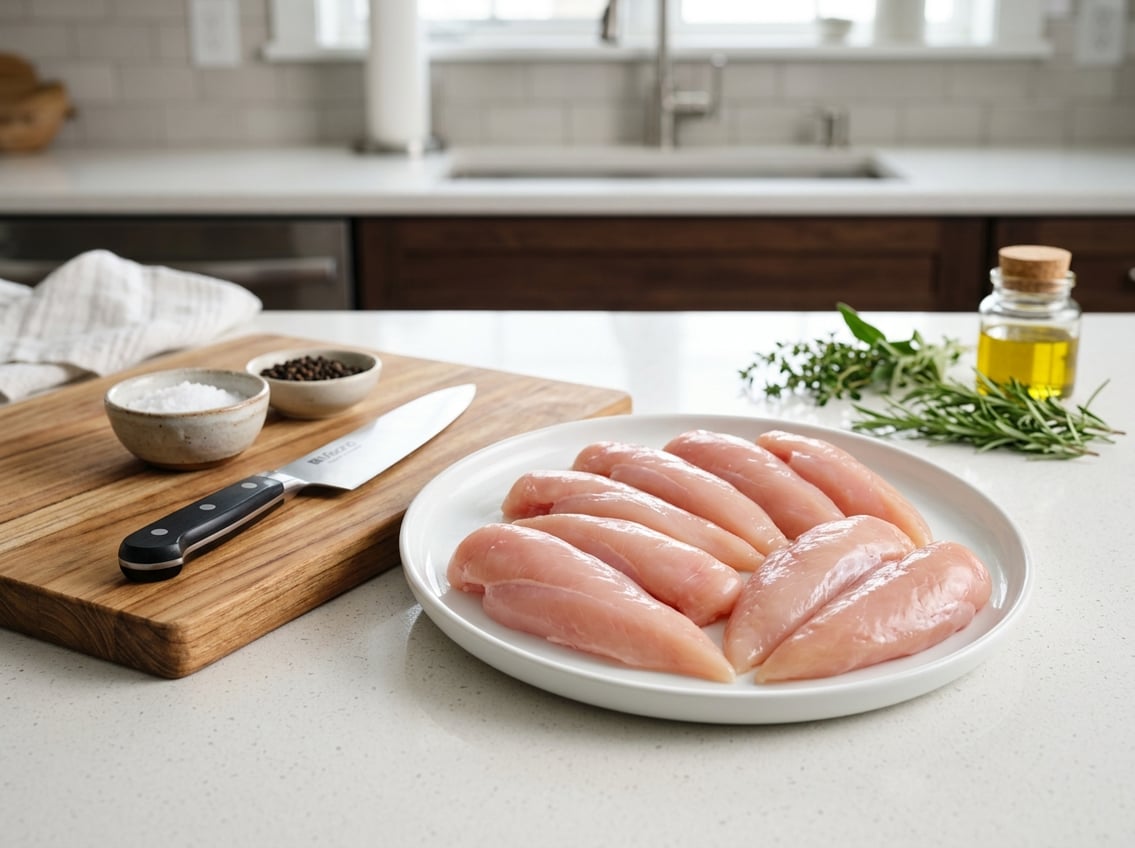
Real tenderloins are long, narrow, and slightly tapered.
They are much smaller than a full breast and usually have a small white tendon running through or along one end.
You will also see terms like chicken tenders, chicken strips, and chicken fingers, but those often refer to prepared or breaded foods, not the raw cut itself.
The shape is the best clue when you are trying to tell what you bought.
What Real Tenderloins Look Like
A true chicken tender is a soft strip of meat that looks slim and uneven in thickness.
It is not wide like a breast fillet.
If you are shopping for chicken breast tenderloin recipes, look for pieces that are already separated from the breast and fairly uniform in size.
That helps them cook at the same rate.
How to Tell Them Apart From Chicken Strips
Chicken strips and chicken fingers usually describe a serving style, not a specific anatomy cut.
Chicken strips may come from breast meat that has been sliced into long pieces.
True chicken tenderloins are the small natural strip under the breast.
If the package shows wide, flat pieces, you are likely looking at cut breast meat rather than the tenderloin itself.
The Tendon and Why It Matters
A white tendon often runs through the tenderloin, and it can turn chewy if left on.
Removing it makes the cut easier to eat and helps with even texture.
Keep raw tenderloins cold in the fridge and use them within the safe time listed on the package.
For longer storage, freeze them in a sealed bag with the air pressed out so they do not dry out.
How It Differs From Chicken Breast in Cooking
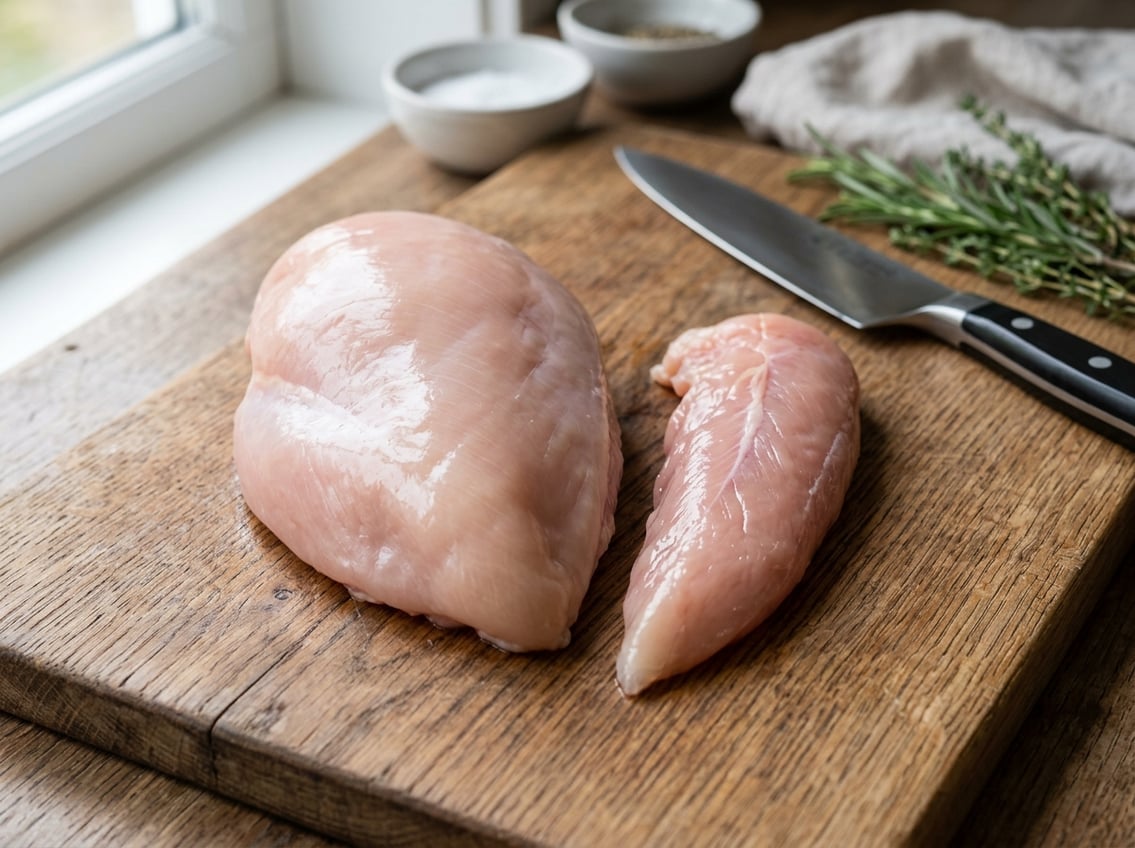
Chicken breast is thicker, denser, and slower to cook than tenderloin.
The tenderloin is smaller and more delicate, so it reaches doneness sooner and can dry out if you treat it like a full breast.
That difference affects texture, timing, and the best cooking method.
A good how to cook chicken tenderloin plan uses quick, even heat and careful timing.
Texture, Size, and Cooking Time
Chicken breast gives you a larger portion and holds together well for slicing, stuffing, or serving whole.
Chicken tenderloins are smaller and naturally softer.
Because of their size, grilled chicken tenderloins, pan-seared chicken tenderloin, and baked chicken tenderloins usually finish faster than breast meat.
If you cook both at the same time, the tenderloins may be done first.
When Marinating Chicken Helps
Marinating chicken helps both cuts, especially when you want more flavor without heavy breading.
Tenderloins absorb seasoning quickly because they are thin.
A short marinade works well for grilled chicken tenderloin or baked chicken tenderloins.
Breast meat also benefits from marinating, especially before grilling, when dryness is more likely.
Best Methods for Juicy Results
For tenderloins, use high heat for a short time, like skillet cooking, grilling, or quick baking.
Keep a close eye on them so they stay juicy.
For breast meat, a slightly gentler approach works better because it is thicker.
If you want to cook how to cook chicken tenderloins successfully, aim for even pieces and avoid overcooking.
A thermometer protects texture in both cuts.
Best Recipe Uses for This Cut
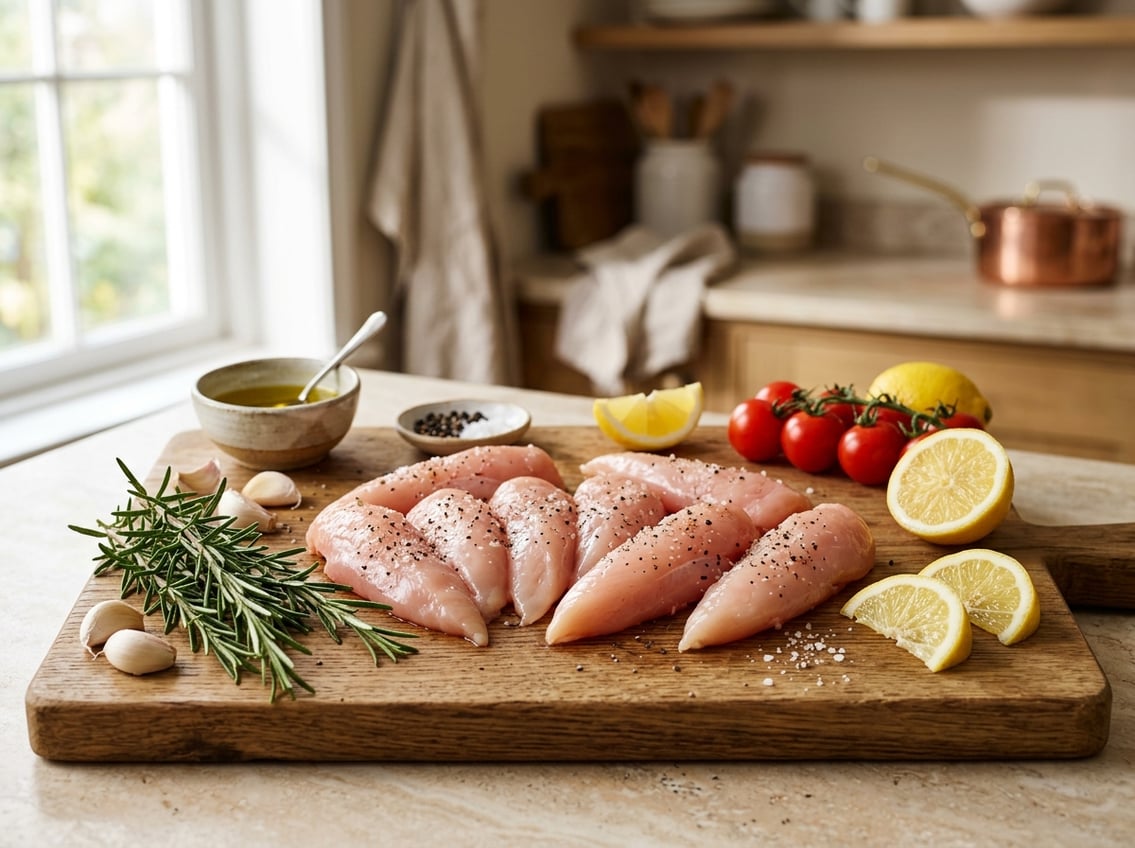
Chicken breast tenderloins fit best in recipes that need fast cooking and a soft bite.
They are also easy to season, so they work in simple meals and bolder sauces.
You can use them in quick skillet dinners, baked meals, and grilled dishes.
Many chicken tenderloin recipes focus on speed because the cut cooks so fast.
Fast Weeknight Skillet and Oven Ideas
A chicken tenderloin recipe works well with garlic butter chicken, quick pan sauces, and oven-baked meals.
These dishes keep prep simple and give you a reliable result.
If you want a fast dinner, try chicken parmesan with tenderloins, or use baked chicken tenderloins for a lighter baked option.
The cut also works well in meal prep because it portions easily.
Grill-Friendly Marinades and Flavor Profiles
For the grill, lemon, garlic, herbs, and mild spice blends suit tenderloins well.
A lemon herb grilled chicken tenderloins style recipe keeps the flavor clean and does not hide the meat’s natural tenderness.
Buffalo chicken tenderloins also work well when you want a stronger sauce.
The smaller size helps the coating or glaze cling to the meat.
When to Use Tenderloins Instead of Breast
Use tenderloins when you want fast cooking, small portions, or easy bite-size pieces.
They work well for salads, wraps, and skillet meals.
Choose breast meat when you want a larger fillet or more slices.
Breast meat also works better for stuffing and longer cooking.


