
Which Chicken Breast Is Healthiest? What to Choose
Skinless, boneless chicken breast is usually the healthiest choice because it gives you the most lean protein with the least fat and calories.
If your goal is a lighter meal with strong nutrition, that cut is the standard choice.
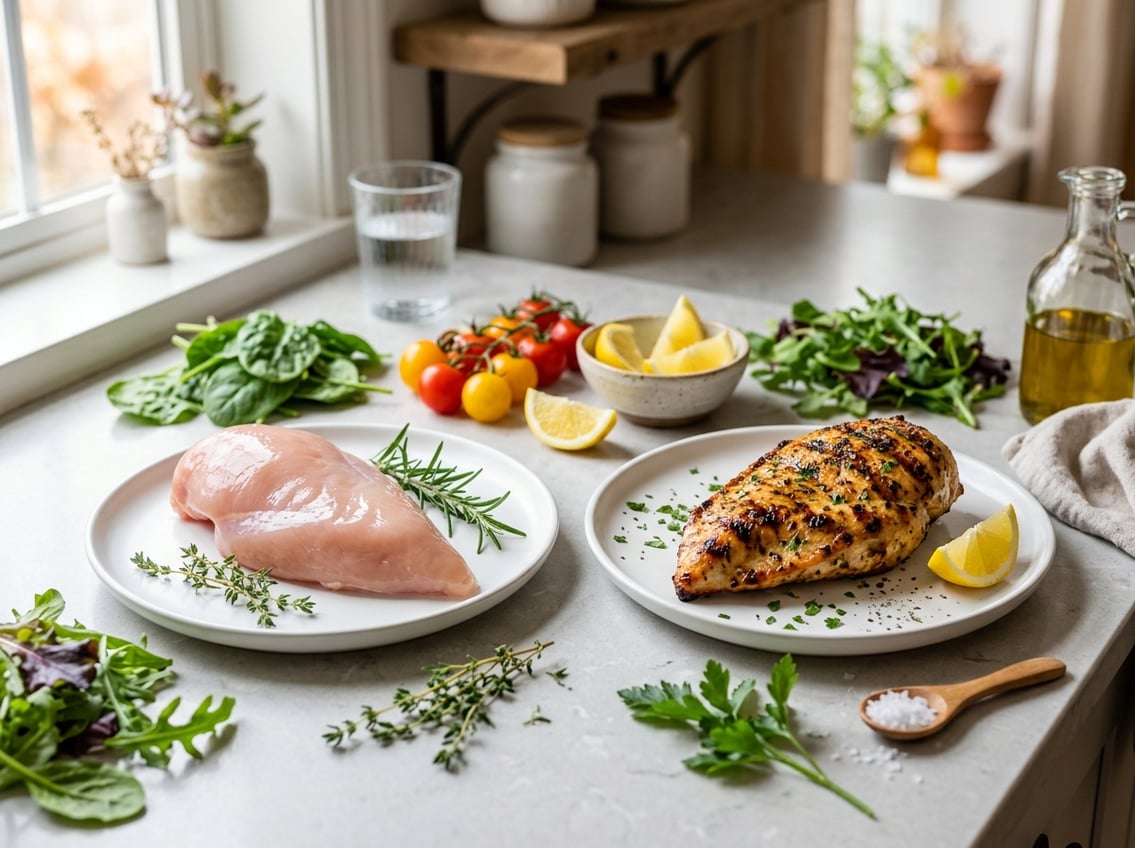
Chicken breast fits well into many diets because it is a lean protein and a versatile white meat.
A plain, unbreaded breast can support high-protein meals without adding much fat.
If you want the healthiest option, choose skinless, boneless chicken breast and cook it with low-fat methods like baking, poaching, steaming, or grilling.
Cut, preparation, and seasoning can still change the nutrition of your meal.
Best Breast Options for a Healthier Plate
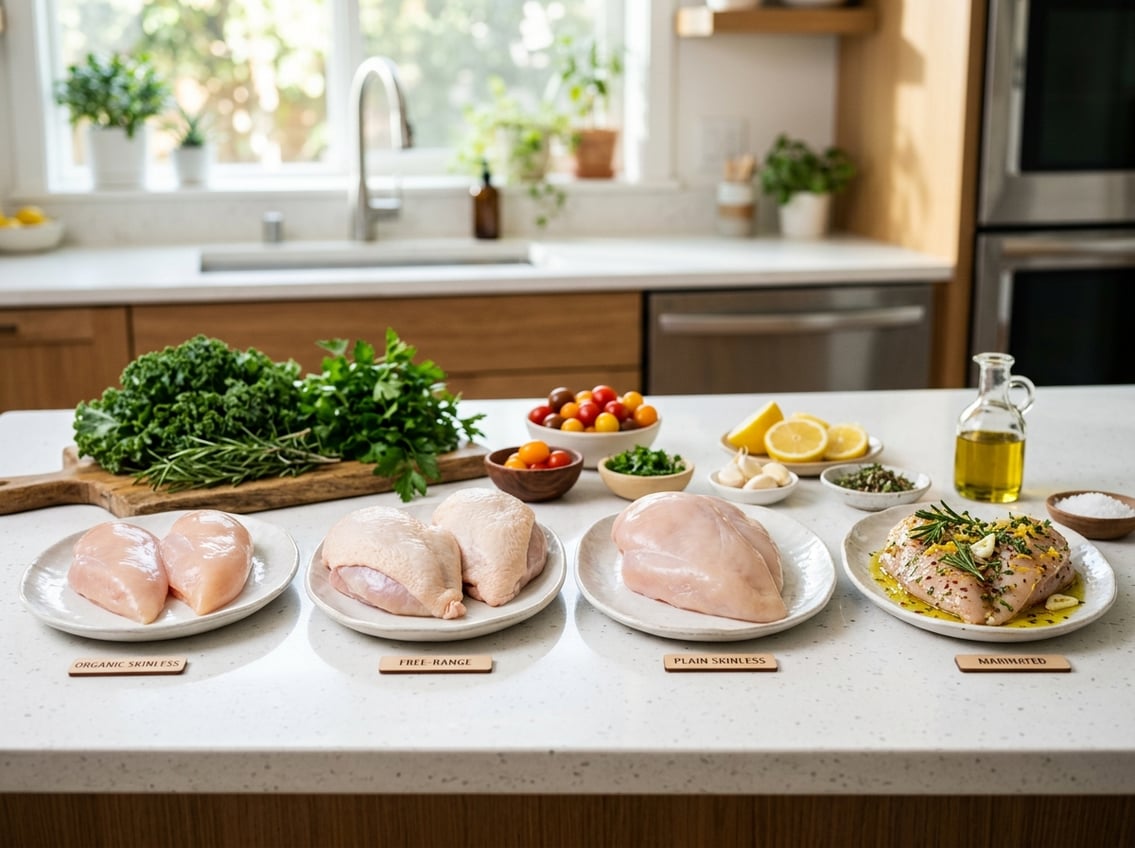
The healthiest chicken breast choice depends on how much fat you want to keep out of the meal and how you plan to cook it.
Skinless, boneless cuts keep it the leanest and easiest to use in everyday chicken breast recipes.
Skinless Boneless Breast as the Leanest Standard Pick
Choose skinless boneless chicken breast for the lowest fat content with high protein.
A cooked, boneless, skinless serving works well for simple meals like salads, grain bowls, and sliced dinner plates.
The skin adds extra fat, so removing it makes the cut lighter.
If you are tracking calories or building meals around white meat with less fat, this is usually the best place to start.
Chicken Tenderloins vs. Full Breast
Chicken tenderloins are also a good lean option.
They come from the underside of the breast and are usually smaller, softer, and quicker to cook than a full chicken breast.
A chicken tenderloin and a full breast are close in nutrition, so your choice often comes down to texture and recipe use.
Tenderloins work well when you want fast cooking and easy portioning, while a full breast gives you larger slices for meal prep and leftovers.
Fresh, Frozen, and Pre-Seasoned Options
Fresh and frozen chicken breast can both be healthy choices if they are plain and minimally processed.
Frozen chicken is often just as nutritious as fresh because freezing preserves it well.
Read labels on pre-seasoned products.
Some add sodium, sugar, or breading, which can change the fat content and make a simple breast less healthy.
For the cleanest option, choose plain chicken and season it yourself.
How Breast Compares With Other Chicken Cuts
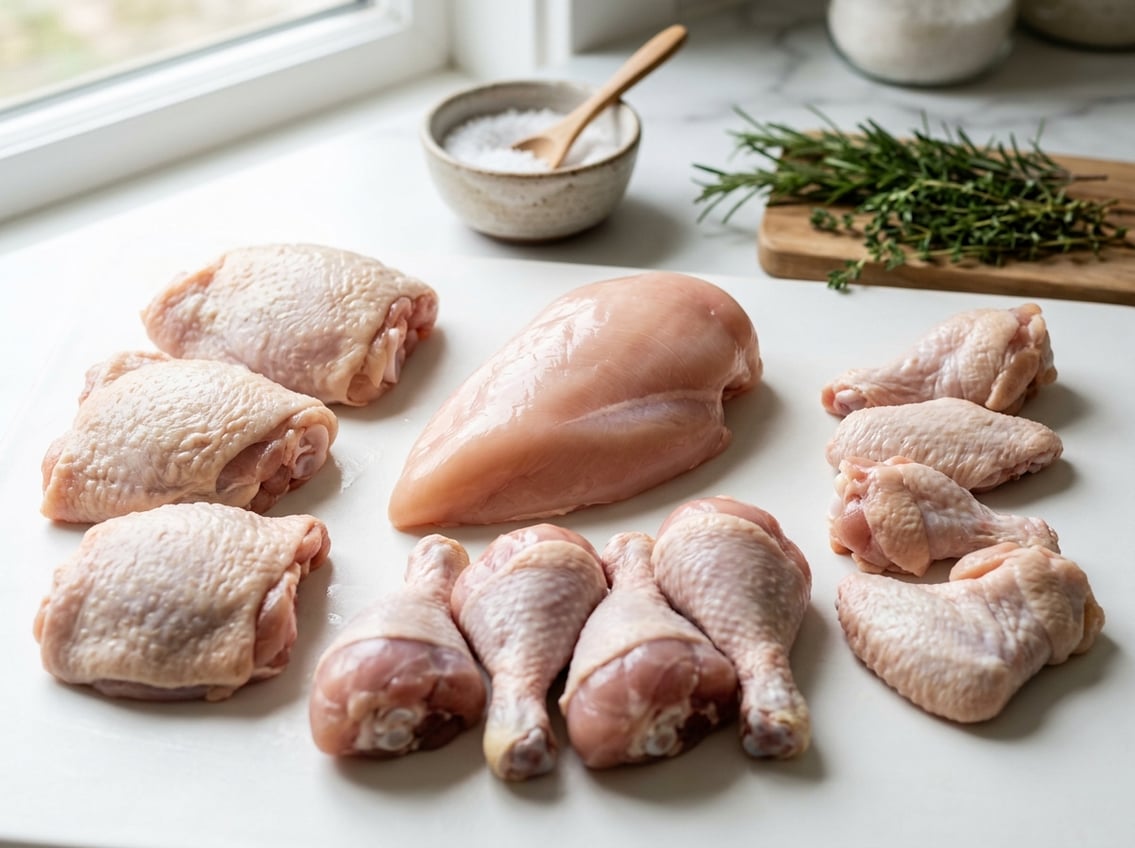
Chicken breast is the leanest common cut.
Other cuts bring more fat, flavor, or minerals.
Your best choice depends on whether you want the lowest calorie option or a richer cut that still fits your goals.
White Meat vs. Dark Meat
White meat, especially chicken breast, usually has less fat than dark meat.
That makes it a strong choice when you want more lean protein with fewer calories.
Dark meat can still fit into a healthy diet, and it often tastes richer and stays more tender.
It also brings slightly different nutrients, including more vitamin A in some cuts, but it usually has more fat content than breast meat.
When Chicken Thighs May Be a Better Fit
Chicken thighs can be a better fit when you want more flavor, more moisture, or a budget-friendly option.
A chicken thigh is usually juicier than breast meat and can hold up well in dishes like chicken curry.
If your meal plan allows more fat, thighs can make eating easier and more satisfying.
They are not the leanest choice, yet they can still be part of a balanced plate.
Where Chicken Wings and Other Cuts Stand
Chicken wings have much higher fat compared with breast meat, especially when fried or coated.
They are less suitable if your main goal is lower calories.
Other cuts can work for taste or variety.
Chicken breast stays the most reliable pick for lean protein.
If you want tender chicken with the lightest profile, breast usually wins.
Cooking Methods That Keep It Nutritious
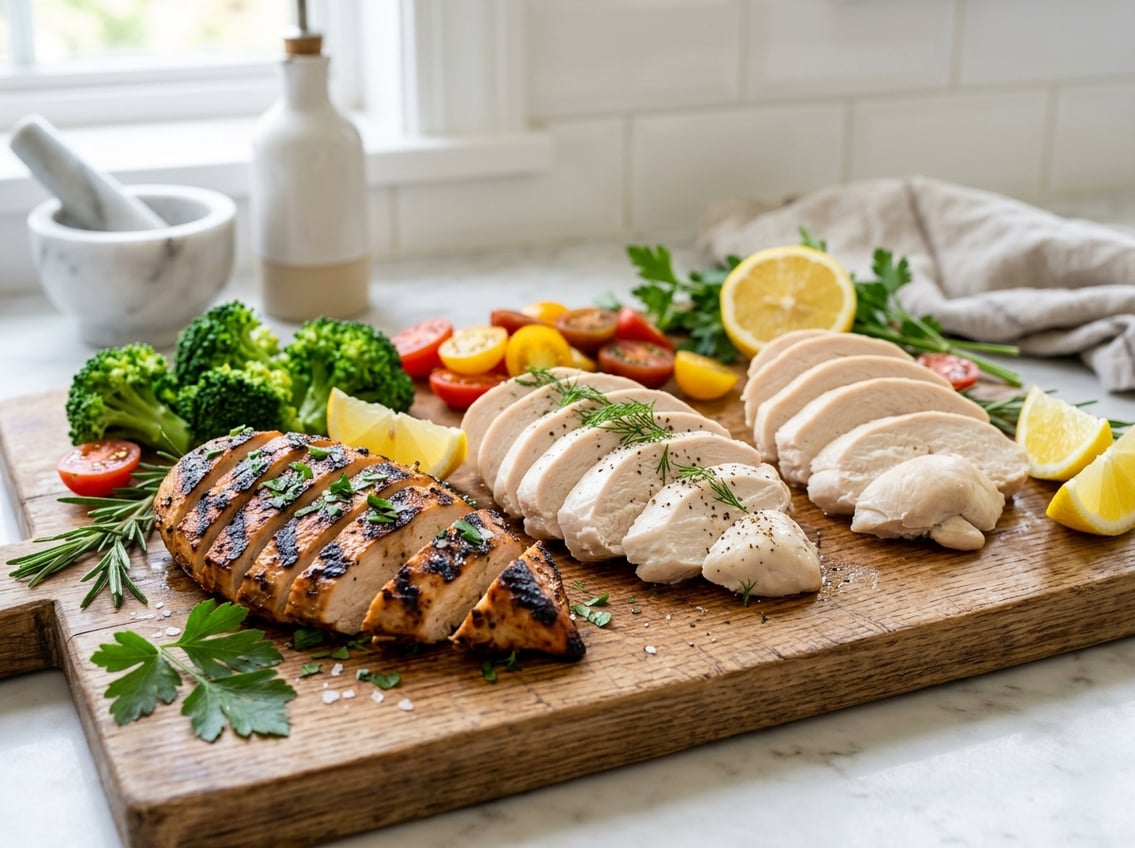
How you cook chicken changes the health value almost as much as the cut you buy.
Gentle methods help keep chicken tender while avoiding extra fat.
High-heat methods can create unwanted compounds if you are not careful.
Poaching and Steaming for Maximum Tenderness
Poaching chicken keeps it light and moist without needing added oil.
Steaming works in a similar way by cooking the meat gently.
These methods are useful when you want tender chicken for meal prep, soups, or shredded fillings.
According to Health’s guide on healthy ways to cook chicken, poaching and steaming can help keep chicken tender while avoiding extra fat.
Baked Chicken, Roasting, and Grilling
Baked chicken and roasted chicken are practical choices for home cooking.
You can use herbs, citrus, garlic, and spices without adding much fat.
Grilling also works well for lean protein meals, especially when you avoid burning the surface.
A recent guide to healthy chicken breast cooking notes that grilling, baking, and poaching are among the best methods for keeping chicken breast nutritious.
Why Deep Frying Changes the Health Profile
Deep frying adds extra oil and can raise the calorie count quickly.
It also changes the texture and can make a lean cut much less lean.
High-heat cooking methods can also create compounds such as HCAs and PAHs when meat is charred or heavily browned.
You do not need to avoid browning completely.
Just keep the heat moderate and avoid burning the outside.
Choosing the Right Cut for Your Goal
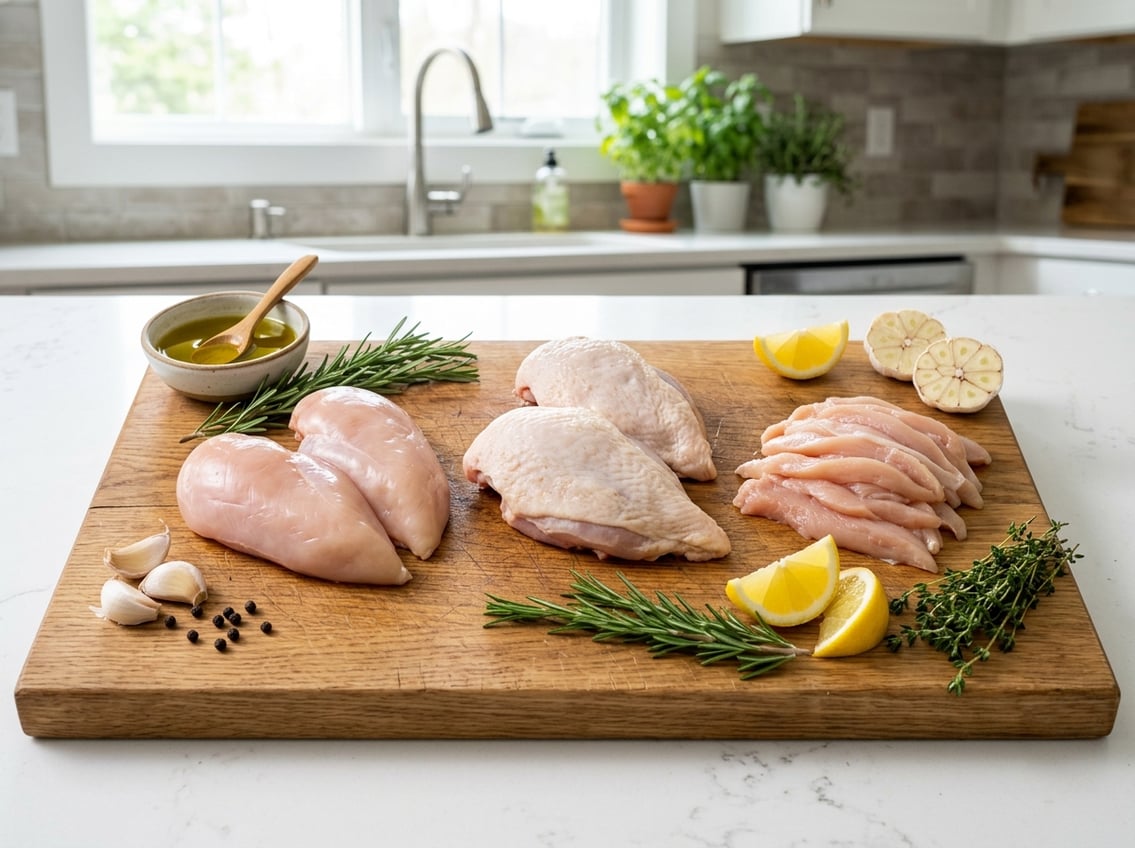
Your best chicken choice depends on what you want from the meal.
For some people, that means the lowest calories.
For others, it means better flavor, easier reheating, or a cut that works well in daily recipes.
Best Choice for High Protein and Lower Calories
If you want the highest protein with fewer calories, choose skinless chicken breast.
It is the most dependable lean protein option for weight-focused meals and simple plates.
This is also the best pick when you want to build meals around vegetables, rice, potatoes, or salads without adding much fat from the meat itself.
Poached chicken or baked chicken breast works especially well here.
Best Choice for Flavor, Budget, and Reheating
If flavor matters more than low fat content, chicken thighs may be the better choice.
They stay moist during reheating and can taste richer in slow-cooked dishes.
Chicken tenderloins are another good option if you want quick cooking and easy leftovers.
They work well in lunch boxes, stir-fries, and simple chicken breast recipes where you want a softer texture.
Best Uses in Everyday Meals
Choose chicken breast for meal prep, high-protein lunches, and light dinners.
It works well in recipes where you want the seasoning or sauce to stand out, such as simple grilled plates or a mild chicken curry.
Pick thighs when you want more moisture and stronger flavor.
Use tenderloins when you need to cook quickly.
If you keep the cut plain and cook simply, you can make chicken a healthy part of your routine with little effort.


