
Which Is Chicken Breast Part? Location and Cuts
The question which is chicken breast part points to the front, meaty chest of the bird. On a whole chicken, the breast is the white-meat section on both sides of the breastbone.
It is one of the easiest parts of a chicken to recognize once you know the landmarks.
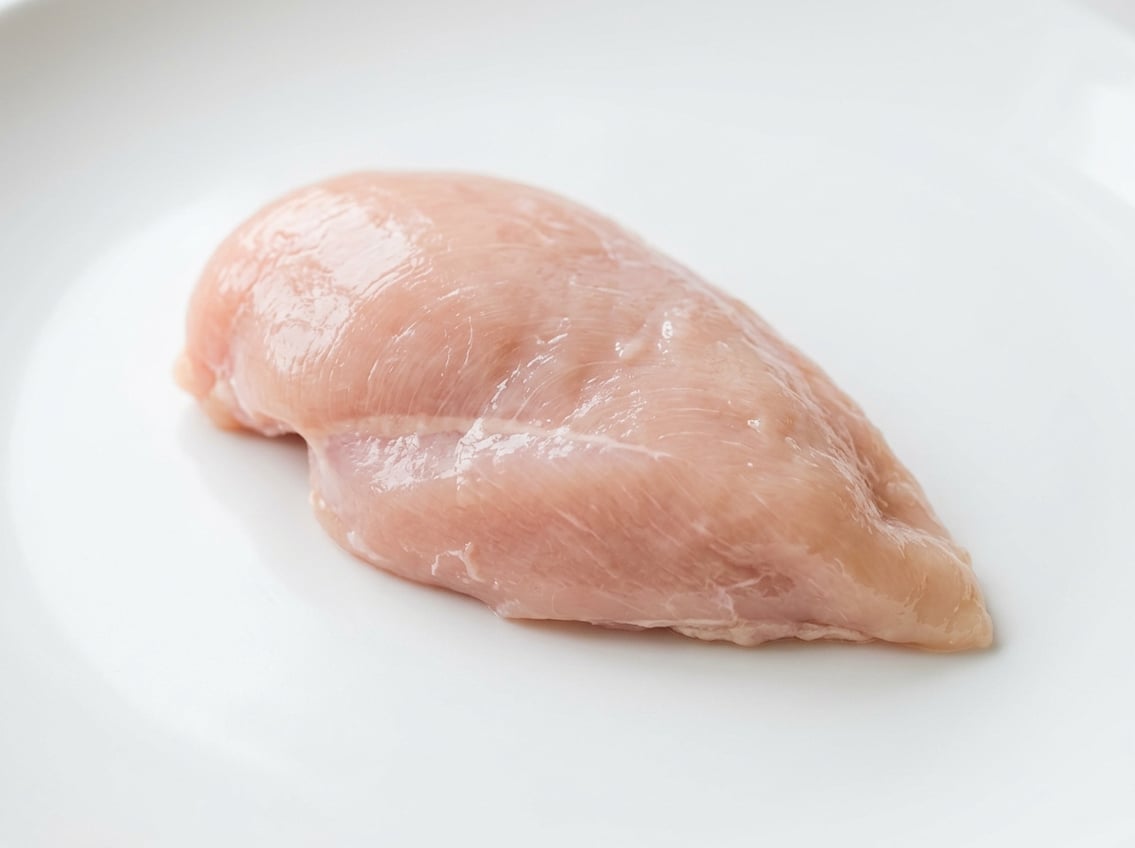
You usually find it centered between the neck and the legs. The thickest meat sits on the front of the bird.
A clear look at chicken anatomy helps you separate breast meat from nearby chicken parts like the tenderloin, wings, and rib-attached cuts.
Where the Breast Sits on the Bird
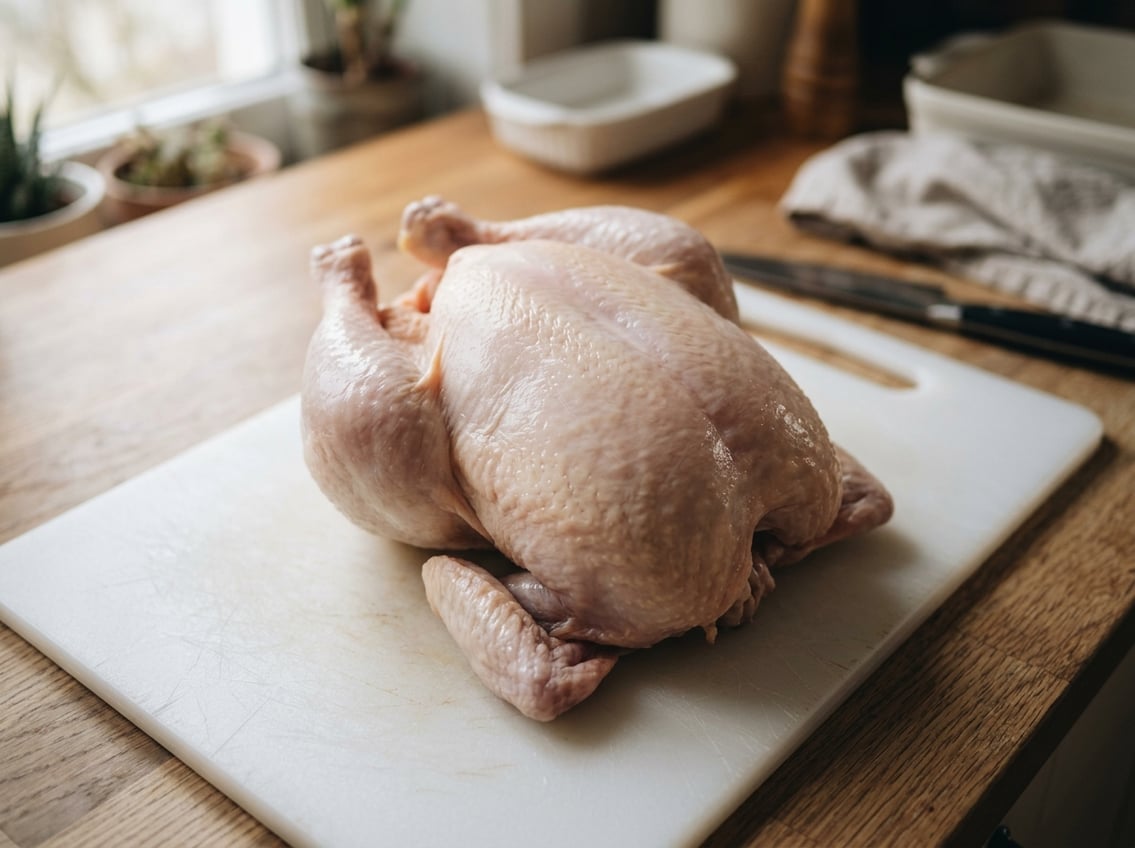
The chicken breast sits on the front of the bird, over the chest. On a whole chicken, it is the broad, rounded meaty area that forms the main white-meat portion.
You can also think of it as the muscle mass that covers the center front of the bird, above the legs and below the neck. The shape and bone landmarks help you tell it apart from the chicken back, tail, cloaca, and vent.
How to Spot It on a Whole Chicken
Look for the widest section of the bird between the neck and the legs. That front section is the breast, and it usually sits under the skin with the keel bone running down the middle.
A whole chicken gives you the easiest view of the breast because the shape is still intact. The National 4-H poultry parts identification guide describes the whole breast as the intact breast separated from the rest of the bird.
Breastbone, Keel Bone, and Rib Landmarks
The breastbone divides the breast into left and right sides. The keel bone, often called the breastbone in cutting guides, sits along the middle of the chest and serves as a major landmark for locating breast meat.
The ribs also help you orient the cut. The breast sits over the sternal ribs, while the vertebral ribs connect farther back along the body.
If the cut includes more of the rib cage, you are looking at a breast with ribs rather than a trimmed breast.
How the Breast Connects to the Wings and Back
The breast runs into the wing joints on each side, so the wing attachment marks where the breast ends. A breast quarter includes part of the breast plus the wing and some back portion, so it carries more bone and skin than a plain breast.
The rear edge of the breast meets the chicken back. Heavily processed cuts can still have back meat or rib structure attached, while a cleaner retail cut may leave only the breast itself.
Breast Cuts You Will See at the Store
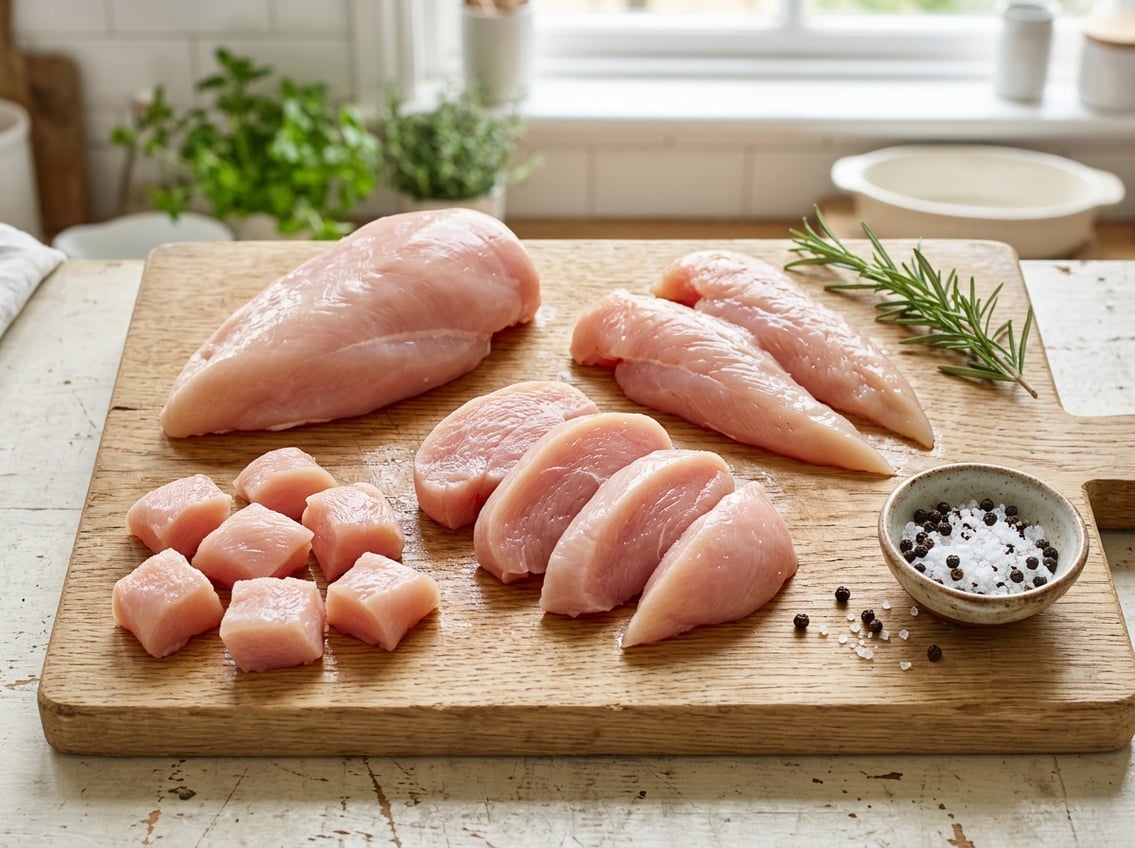
The meat display case shows several chicken breast labels, and each one means something slightly different. Some cuts keep bone and skin attached, while others are trimmed into boneless pieces for faster cooking.
Whole Breast, Split Breast, and Breast With Ribs
A whole breast is the full breast removed as one piece. A split breast is the whole breast cut in half, usually along the breastbone.
A breast with ribs keeps some of the rib cage attached. This cut has more bone and often more flavor during roasting.
These labels are common in the meat display case when stores sell more traditional chicken cuts.
Boneless Breast, Skinless Chicken Breast, and Breast Fillet
A boneless breast has the bones removed, while the skin may still be on. A skinless chicken breast has the skin removed.
A package marked boneless, skinless has both removed. A breast fillet usually means a trimmed boneless breast portion.
In some cases, it is a smaller piece cut from the main breast, so size and shape can vary from package to package.
Tenderloin, Chicken Tender, and Airline Cuts
The tenderloin is the smaller inner pectoral muscle tucked against the breastbone. It is often sold with the breast or separated as its own piece.
It comes from the inner pectoral muscle rather than the larger breast muscle. A chicken tender or chicken tenders often refers to that same tenderloin, although some products are formed or cut differently for retail use.
An airline chicken breast is a breast cut with the wing bone attached. An airline chicken label usually signals a more finished, restaurant-style cut.
How Breast Differs From Other Popular Cuts
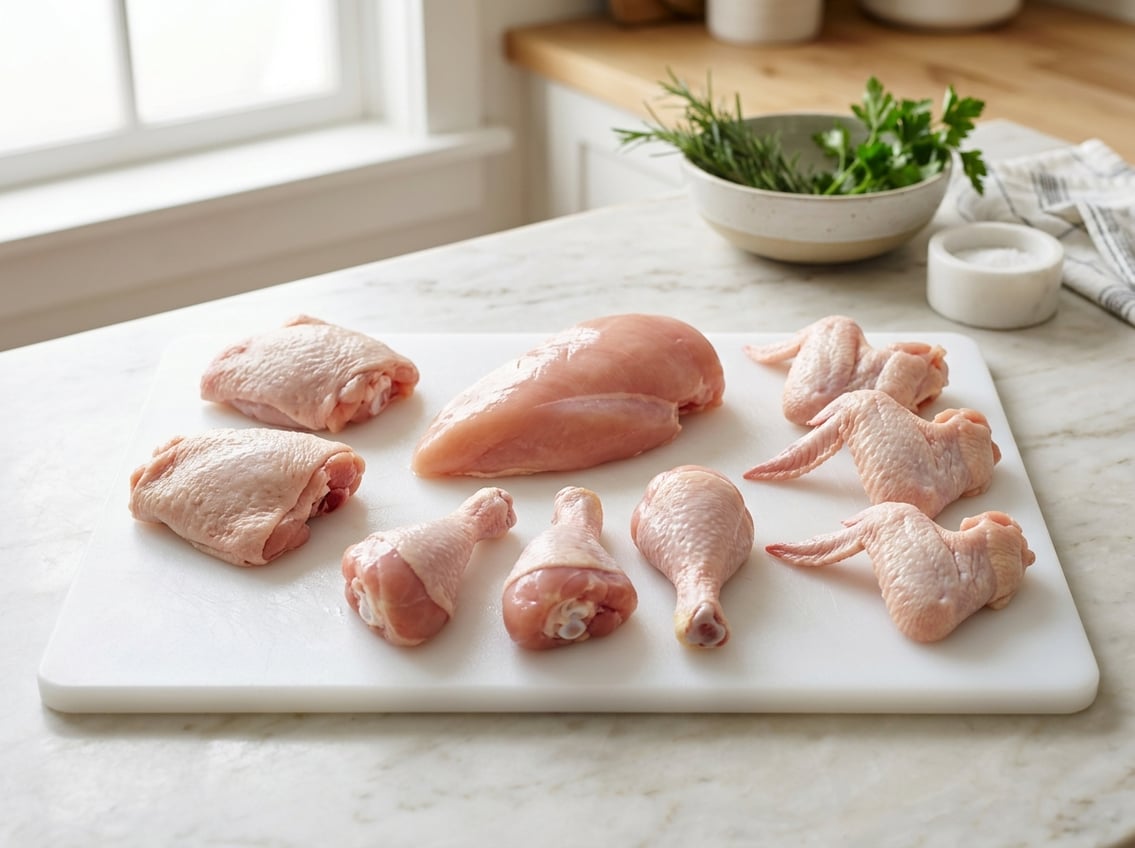
Chicken breast is lean, mild, and fast-cooking. Other cuts bring more fat, more bone, or a stronger taste.
Breast Vs Thigh and Drumstick
Breast meat comes from the front of the bird. The thigh and drumstick come from the leg.
Those leg pieces are part of the whole leg, leg quarter, and leg quarters. Compared with breast, they usually have more fat and a richer flavor, which helps them stay moist in longer cooking.
Breast Vs Wings and Wing Sections
Chicken wings are very different from breast in size and use. A whole wing usually breaks into a drumette, wingette, and wing tip.
Wings are the cut you usually want for buffalo wings and baked chicken wings. They focus on skin, bone, and flavor, while breast gives you more usable meat from each piece.
White Meat, Dark Meat, and Rich Flavor
Breast is white meat and is known as a lean protein. Thighs, drumsticks, and wings are usually grouped as dark meat, which tends to have more fat and a deeper flavor.
That difference matters in cooking. Breast works well when you want a mild base for seasoning, while dark meat is often better when you want rich flavor and a juicier result.
Breaking Down a Chicken and Using the Rest
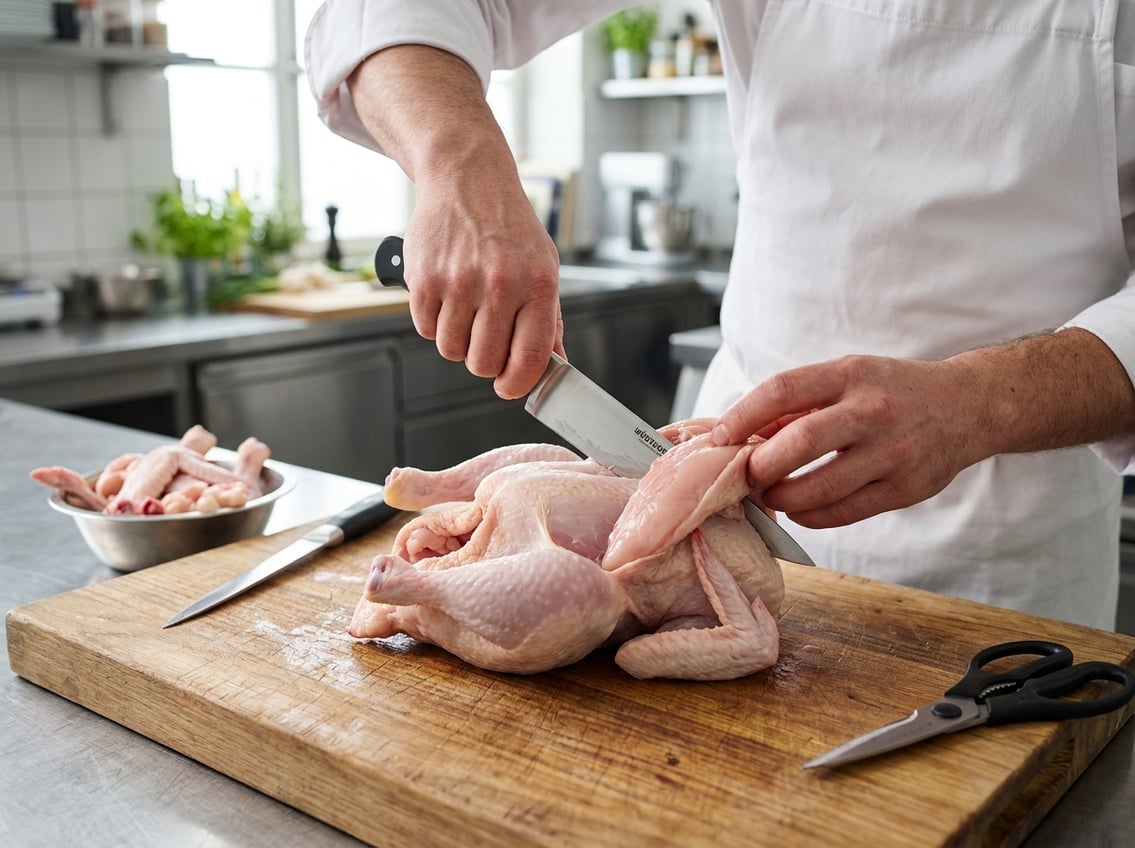
If you buy a whole chicken, you can turn it into breast portions and save the rest for other uses. Safe cutting, clean tools, and a plan for bones and scraps help you get more value from the bird.
How to Butcher a Chicken Safely
When you learn how to butcher a chicken, use a stable cutting board and sharp kitchen shears or a sharp knife. Cut with steady pressure and keep your fingers away from the blade path.
Work slowly around joints instead of forcing through bone. You can also break a whole chicken into a 10-piece or similar retail-style cut, depending on how you want to portion it.
Bones, Cartilage, and Stock-Making Parts
You can use the bones, back, and breast-related scraps for chicken stock. Parts with cartilage and collagen add body and a fuller mouthfeel to broth.
The chicken neck is especially useful, and the same is true for the back and frame left after you remove the breast. Many cooks also save the carcass from a whole chicken for stock, since it still holds flavor after the meat is removed.
Giblets, Neck, Feet, and Other Edible Parts
A whole bird may also include giblets, such as the gizzard and liver.
Some sellers offer chickens with the legs and feet attached or with chicken feet packaged separately.
The hock sits near the lower leg joint and sometimes appears in more complete cuts.
Commercial poultry producers use terms like broilers, heavy broilers, and turkeys to identify birds.
Features like comb and wattles and earlobes also help with identification, while the edible parts offer more options for cooking and stock.


