
Why Is Chicken Breast Good for You? Key Benefits
Chicken breast is a healthy staple for a clear reason. It gives you a lot of high-quality protein with relatively few calories and little saturated fat when you choose skinless cuts and simple cooking methods.
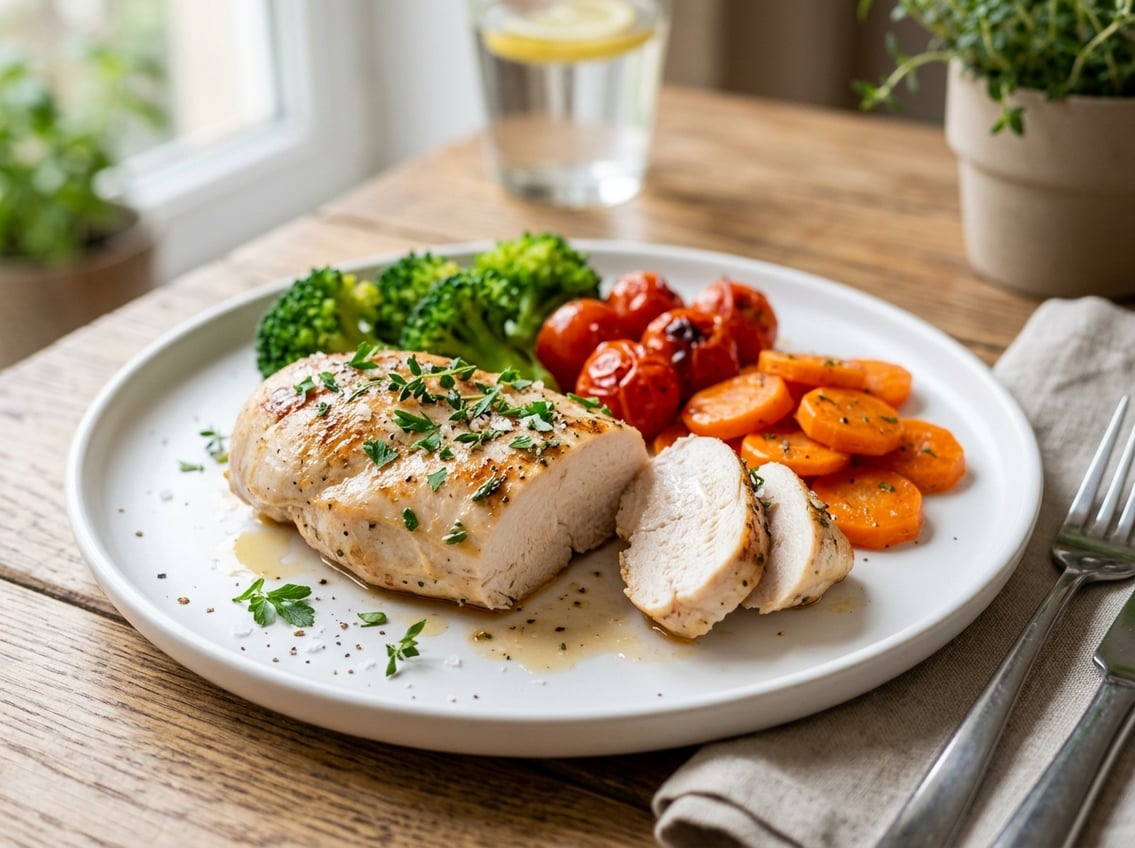
Chicken breast is a practical choice for a healthy diet, especially when you want protein that fits into everyday meals. It supports muscle maintenance, helps you feel full, and provides useful nutrients such as B vitamins, selenium, and phosphorus.
What Makes It a Smart Protein Choice
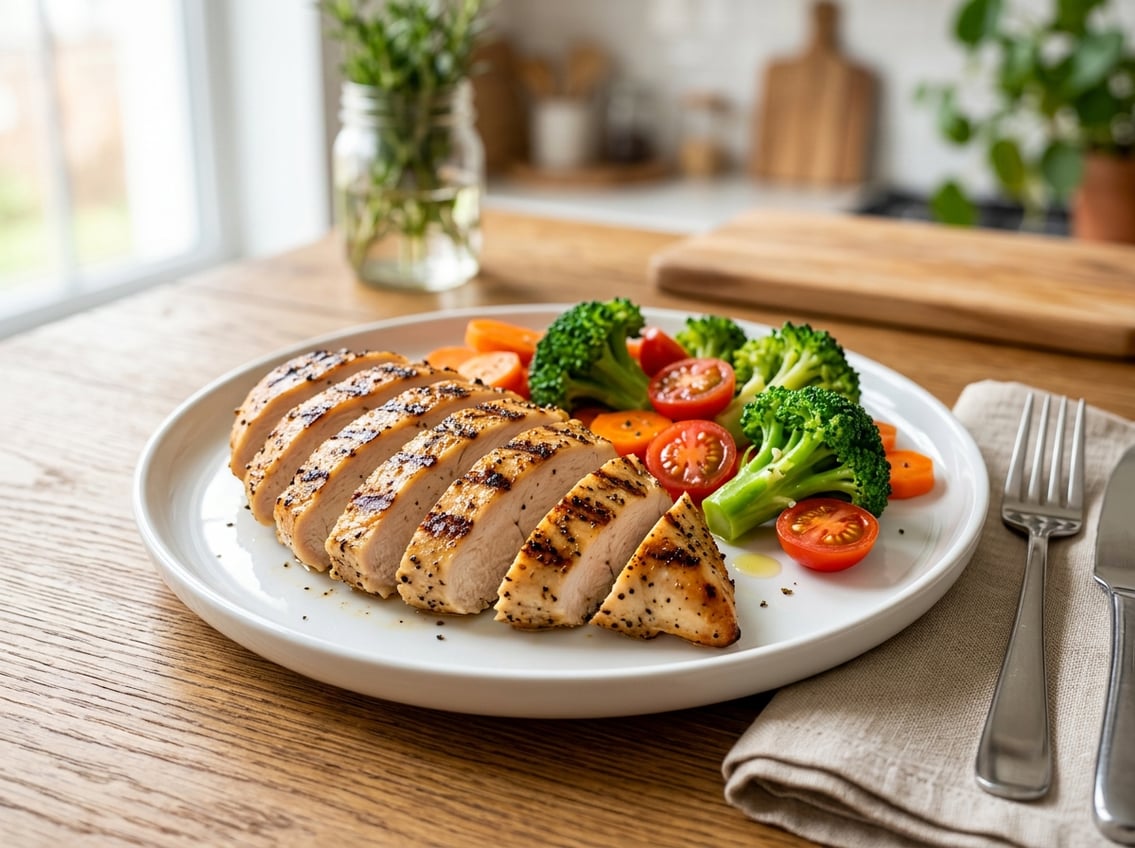
Chicken breast stands out as one of the leanest protein sources you can choose. You get a strong protein dose without much fat, especially when you remove the skin and avoid heavy sauces.
Lean Protein With Low Calories and Low Saturated Fat
Chicken breast is a classic lean protein. A raw, boneless skinless chicken breast contains about 120 calories, 26 grams of protein, and only 2 grams of fat, according to WebMD’s chicken nutrition overview.
This nutrition profile is useful when you want more protein without a lot of extra calories. It fits well in meals that aim for low saturated fat intake.
How White Meat Compares With Other Protein Sources
White meat like chicken breast is generally lighter than darker cuts such as thighs and drumsticks. WebMD notes that darker cuts contain more calories, while breast meat is usually the better choice if you want a leaner meal.
Compared with many other protein sources, chicken breast is flexible and easy to portion. You can replace red meat in many dishes with chicken breast to keep the meal lighter.
Why Skinless Chicken Breast Is Often Recommended
The skin adds extra fat, including saturated fat. That is why many recommend skinless chicken breast when you want a healthier option.
If you are trying to keep your meals aligned with a healthy diet, skinless chicken breast gives you more of the protein you want and less of the fat you may want to limit. It is a simple change that can make a real difference in the nutrition profile.
The Main Health Benefits

Chicken breast’s health benefits come from its protein quality and nutrient content. It helps you stay full, supports your muscles, and supplies nutrients your body uses for daily energy and cell function.
How It Supports Weight Loss, Weight Management, and Satiety
Protein fills you up more than many other foods, so chicken breast can help with satiety. WebMD says protein-rich meals may help you feel fuller even when you eat less, which can support weight management.
Chicken breast is common in weight loss plans. When you build meals around lean protein, you may find it easier to control portions and avoid snack cravings later.
How Protein Helps Muscle Function and Recovery
Your body uses protein to build and repair muscle tissue. This matters for exercise recovery and daily strength.
Chicken breast gives you a large amount of protein in a relatively small serving. A single 3-ounce cooked serving provides about 23.8 grams of protein, according to MSN’s coverage of chicken breast nutrition.
How B Vitamins and Minerals Support Energy Production
Chicken breast provides important nutrients such as B vitamins, niacin, vitamin B6, vitamin B12, selenium, and phosphorus. These nutrients help your body turn food into energy and support normal cell function.
B vitamins play a role in energy production, while selenium and phosphorus support other basic body processes. Chicken breast gives you useful micronutrients along with protein.
How Preparation Changes the Nutrition

How you cook chicken changes how healthy it is. Simple methods keep it closer to a lean, low saturated fat food, while heavy breading, frying, and processed forms add calories, sodium, and less helpful fats.
Why Grilled Chicken Breast and Baked Options Are Better Choices
Grilled chicken breast and baked chicken are usually better choices because they do not require much added fat. They help preserve the lean protein profile that makes chicken breast a smart option in a healthy diet.
Simple cooking methods also make it easier to pair chicken with vegetables, grains, and other nutrient-rich foods. That keeps the whole meal balanced.
When Fried, Breaded, or Processed Chicken Becomes Less Healthy
Frying adds fat, and breading adds extra refined carbs and calories. Keeping the skin on also raises the saturated fat content.
Processed chicken products often contain a lot of sodium. If you want a lean meal, plain chicken breast is a stronger choice than these versions.
Best Ways to Cook Chicken Without Adding Excess Fat or Sodium
Simple methods like grilling, baking, roasting, or poaching work best for cooking chicken.
Use herbs, spices, citrus, garlic, and pepper for flavor instead of heavy sauces.
Cook chicken until it reaches an internal temperature of 165 degrees F to keep food safe.


