
Is There Protein in a Chicken Breast? Nutrition Guide
You may wonder, is there protein in a chicken breast and how much you actually get from a serving on your plate.
Chicken breast is one of the most reliable forms of lean protein you can eat.
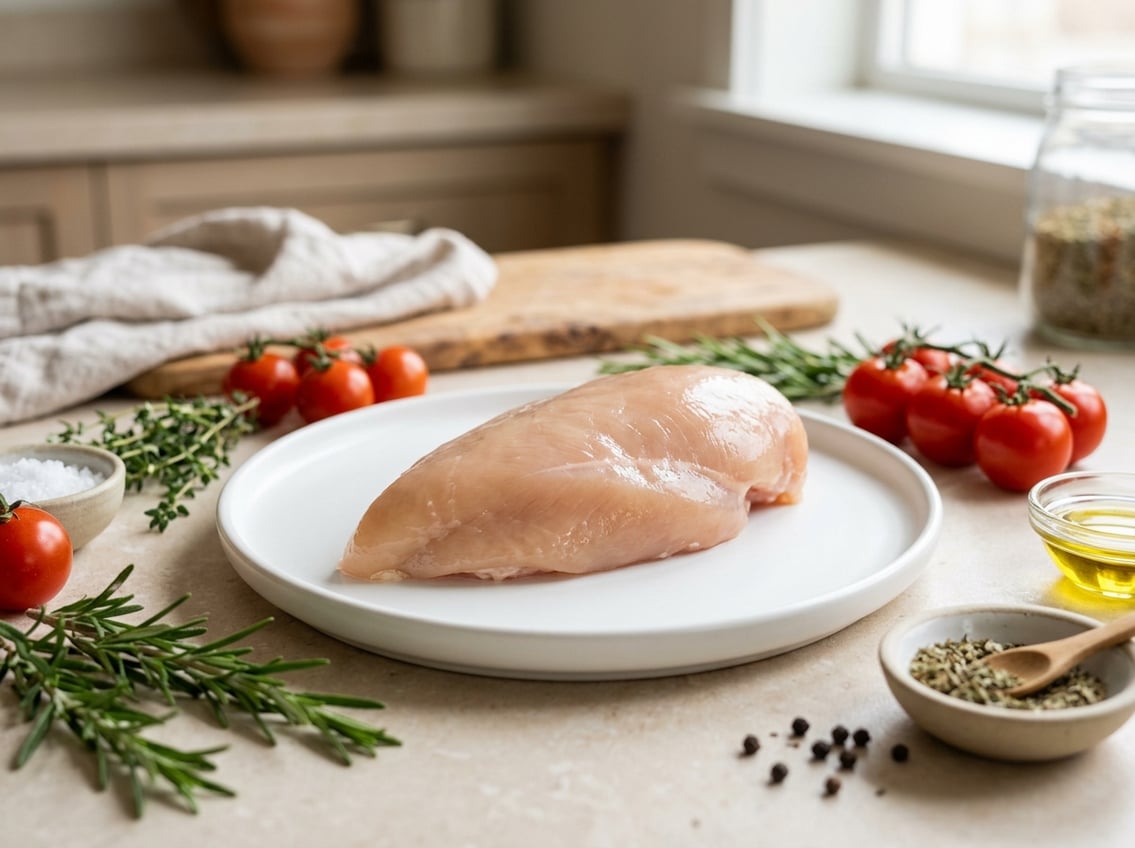
A skinless chicken breast gives you a lot of protein for relatively few calories.
This is why it shows up so often in meal plans and fitness diets.
The exact amount changes with portion size, cooking method, and whether the breast includes skin or bone.
How Much Protein Chicken Breast Provides
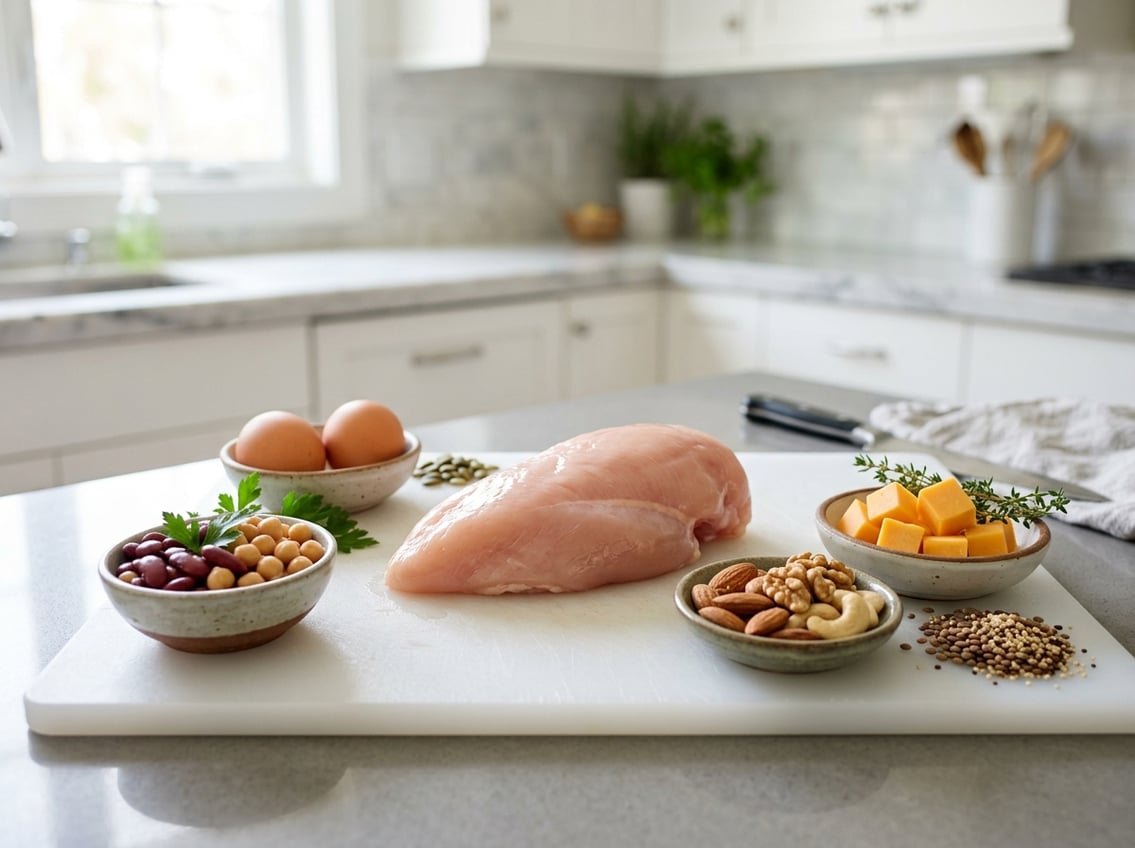
Chicken breast packs a dense amount of protein, and you can estimate the numbers once you know the serving size.
A skinless chicken breast is especially useful when you want more protein without much extra fat or calories.
Protein Per 100 Grams
For cooked chicken breast, you usually get about 31 to 32 grams of protein per 100 grams.
That makes it a strong lean protein choice for lunch, dinner, or meal prep.
A 100-gram cooked portion also lands near 142 calories for a raw, skinless breast fillet in common nutrition databases.
Cooked values can shift as water leaves the meat.
For practical tracking, weight and cooking state matter more than using “one piece” as a guess.
Protein in a 3-Ounce Serving
A 3-ounce cooked serving gives you about 26 to 27 grams of protein.
This is close to the portion size many people picture when they think of a standard chicken meal.
Protein in One Breast Fillet
A single breast fillet can vary a lot in size.
According to Chicken Breast Nutrition Facts, one raw, skinless breast fillet contains 142 calories and is made up mostly of protein.
A medium fillet often gives you around 30 to 40 grams of protein once cooked.
Larger ones can provide much more.
If you want accuracy, weigh it rather than judging by appearance.
Why Protein Numbers Change
Protein counts shift because chicken changes as it cooks and because store packages are not always labeled the same way.
The biggest differences come from raw versus cooked weight, bone-in portions, and whether the skin is left on.
Raw vs. Cooked Weight
Raw chicken weighs more because it still holds water.
When you cook it, moisture leaves the meat, so the same piece weighs less even though the protein stays.
That is why protein per 100 grams is higher for cooked chicken than for raw chicken.
If you log raw weight but eat cooked meat, your numbers can look off.
Bone-In vs. Boneless Portions
A bone-in chicken breast includes weight that is not edible meat.
Bone and cartilage can take up a noticeable part of the total portion, so the protein per pound is lower than with boneless breast.
Boneless pieces are easier to track and usually give you more usable protein per ounce.
If you buy bone-in cuts, you need to account for the edible yield.
Skin-On vs. Skinless Macros
A skinless chicken breast is usually lower in fat, saturated fat, and calories than a skin-on piece.
The skin adds flavor and extra energy, but it also changes the macro balance.
If your goal is higher protein with less added fat, skinless is the cleaner choice.
Skin-on chicken can still fit a balanced diet, especially if you are not counting calories closely.
Nutrition Beyond Protein
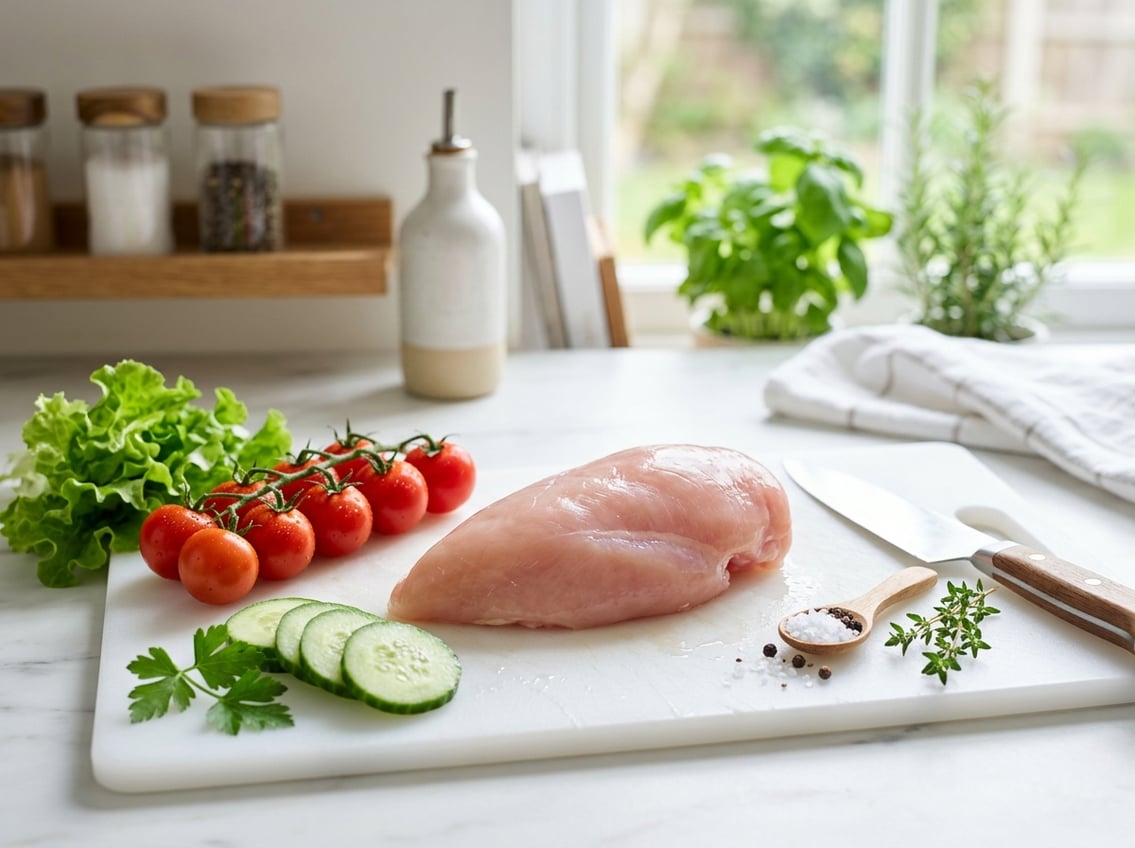
Chicken breast gives you more than just protein.
The full nutrition picture also includes calories, fat, sodium, cholesterol, and the amino acids that make chicken a complete protein food.
Calories, Fat, and Sodium at a Glance
Chicken breast is popular because it delivers a lot of protein for relatively few calories.
A raw, skinless breast fillet is commonly listed at 142 calories, with most of those calories coming from protein rather than fat.
Plain chicken breast is also naturally low in sodium.
Once you add marinades, brines, seasoning blends, or sauces, the sodium can rise quickly.
Cholesterol and Saturated Fat Considerations
Chicken breast has some cholesterol, and the amount becomes more noticeable if you eat larger portions or leave the skin on.
The saturated fat level is still lower than many fattier meats.
If you are watching cholesterol or saturated fat, preparation matters as much as the cut itself.
Baking, grilling, and poaching usually keep the numbers lower than breaded or fried recipes.
Amino Acids and Complete Protein Value
Chicken breast contains all essential amino acids, so it counts as a complete protein.
Your body needs these building blocks for muscle repair, tissue maintenance, and many other functions.
If you want a simple reference for how chicken fits into a protein-focused diet, a guide from Nutri Active notes that chicken breast is a versatile option that is low in fat and rich in essential amino acids.
How Chicken Breast Fits Into Real Meals
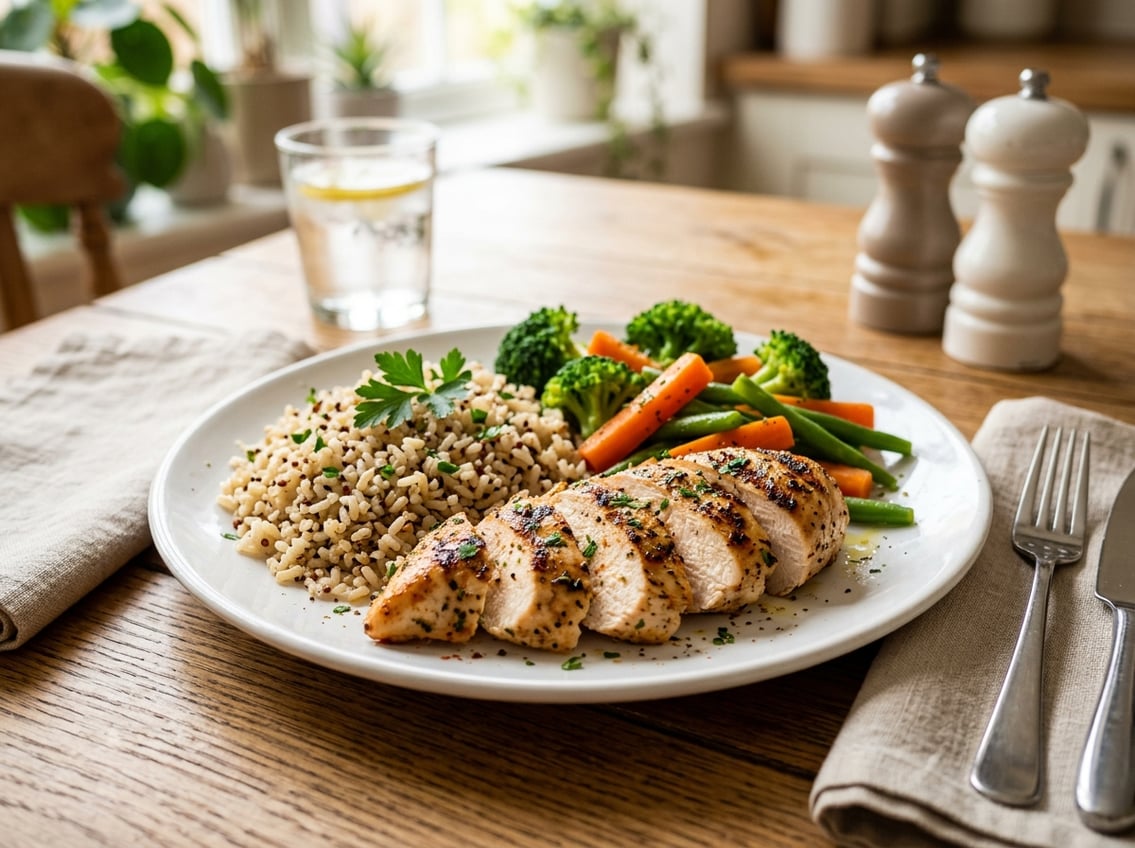
Chicken breast works well because it is easy to portion, easy to cook, and easy to fit into many eating styles.
It can help you hit your daily protein goals without adding many extra calories.
Using It to Reach Daily Protein Goals
If you are trying to build or maintain muscle, chicken breast is a simple way to raise your intake.
A 4-ounce cooked portion often gives you about 35 grams of protein, which is enough to make a strong dent in a meal target.
It is also easy to pair with vegetables, grains, or beans for a more complete plate.
Best Portion Sizes for Different Goals
For general balanced eating, a 3- to 4-ounce serving often works well.
If you are more active or trying to reach a higher protein target, 5 to 8 ounces may fit better.
Your best portion size depends on your calories, body size, and training plan.
A large serving of chicken breast can help you meet protein needs, while smaller portions leave room for other foods.
How Mixed Dishes Like Chicken Caesar Salad Change the Numbers
A plain chicken breast is not the same as a full meal.
In a chicken caesar salad, the chicken adds protein. Dressing, croutons, cheese, and extra toppings can raise calories and fat fast.
If you track macros, look at the whole recipe, not just the meat on top.


