
Why Would Chicken Breast Be Rubbery? Causes and Fixes
In most cases, chicken breast turns rubbery because it was cooked too long, cooked too fast, or the meat itself had quality issues. When chicken turns rubbery, the muscle fibers tighten and lose moisture, leaving you with a chewy, bouncy bite instead of tender chicken.
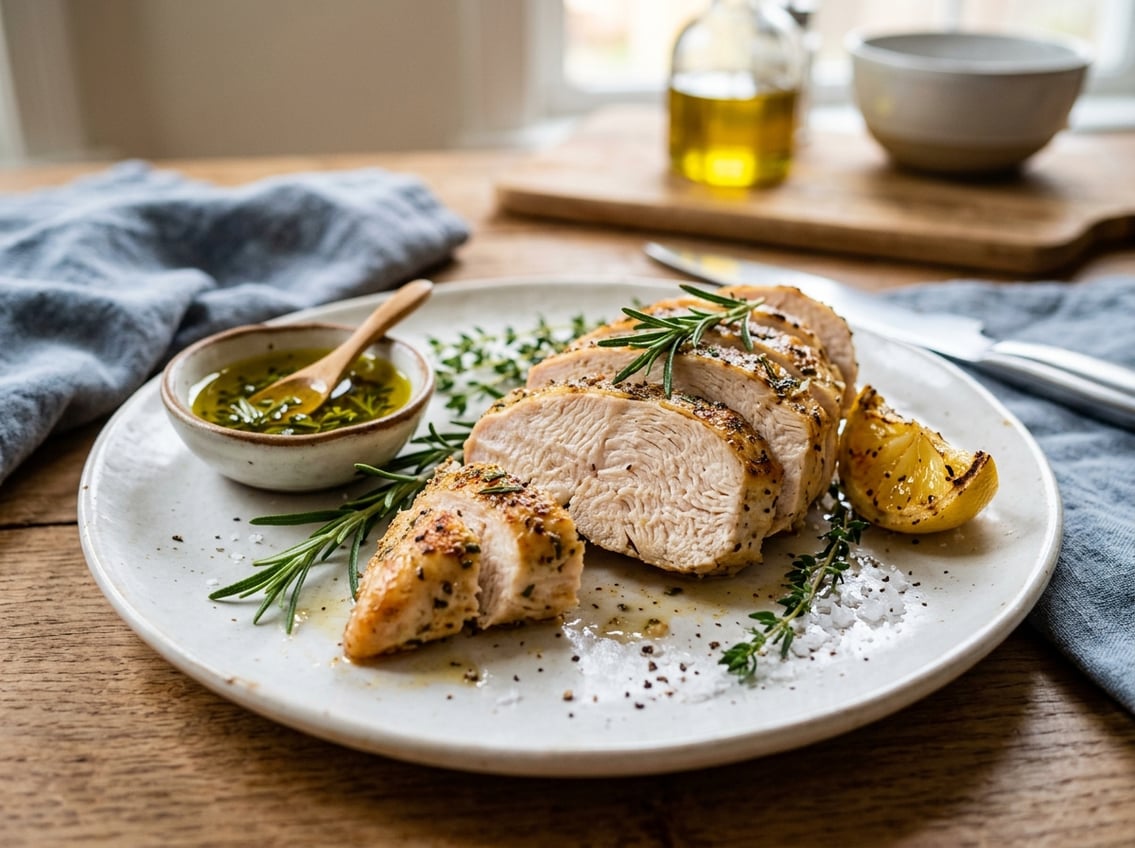
If you want tender chicken, control the heat, check doneness with a meat thermometer, and recognize when the breast itself is the problem.
You can usually avoid rubbery chicken. Once you understand the causes, you can make a few small changes for juicier results at home.
The Main Reasons for Tough Texture
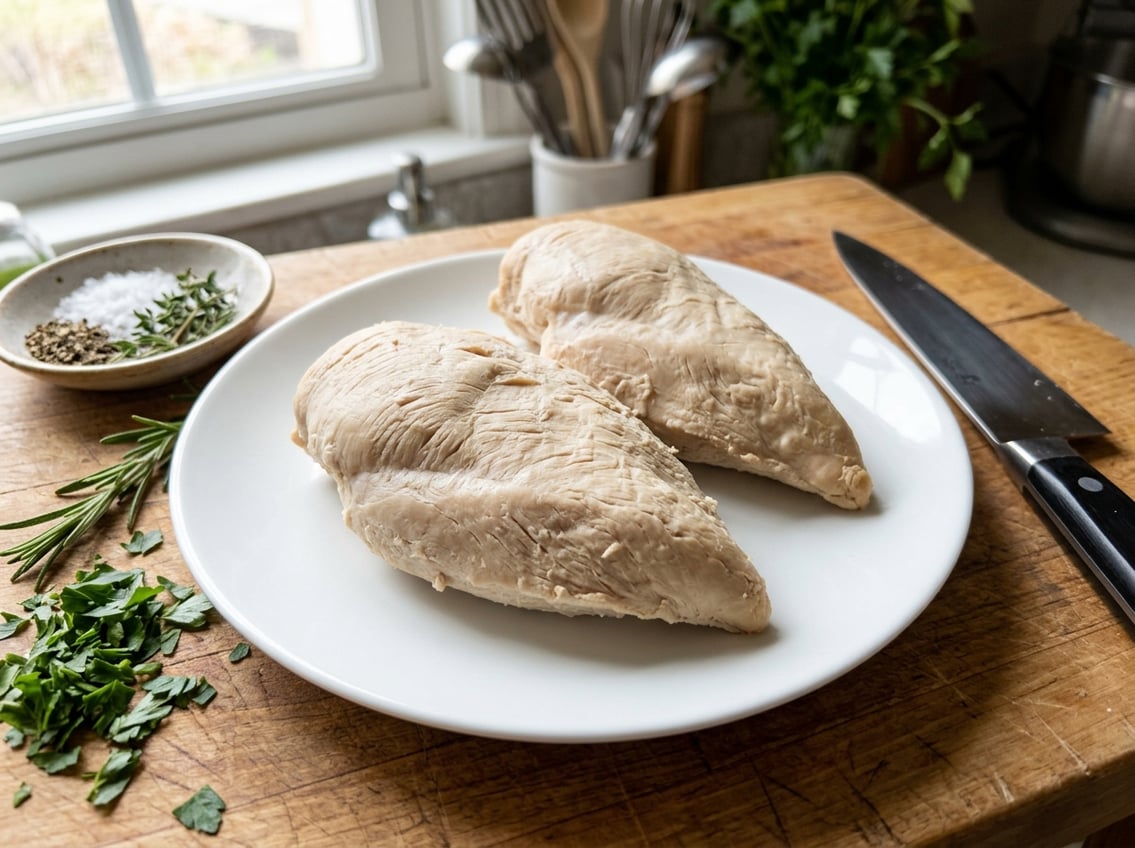
Heat, moisture, or the meat’s natural structure usually cause rubbery chicken breast. Some chicken breasts are more prone to poor texture than others, so a tough bite does not always mean a mistake in cooking.
Overcooking and Moisture Loss
Overcooked chicken is the most common reason for dry and rubbery breast. When you keep the meat on heat, moisture leaves the muscle fibers and the protein tightens.
If you overcook chicken in a pan, oven, or grill, a juicy breast can turn chewy. Just a few extra minutes make a big difference, especially with thin or small breasts.
Undercooked Centers and Gelatinous Texture
Undercooked chicken can also feel rubbery, but the texture is different from overcooked meat. The outside may look done while the center stays shiny, soft, or jiggly.
This is not just about texture. Undercooked chicken can make you sick, so you should never guess based on color alone.
Lean Breast Meat and Uneven Thickness
Chicken breast is naturally lean and has less fat to protect tenderness. It also cooks unevenly when one end is thicker than the other.
That uneven shape can leave one part overcooked while the thicker part is still catching up. You often end up with dry edges and a tough center.
Woody Chicken Breast and White Striping
Sometimes, the problem starts before cooking. Woody chicken breast can have a dense, tough texture because of changes in the muscle tissue, and white striping can also affect the bite.
These issues relate to the quality of the chicken, not just your cooking method. If chicken breasts turn rubbery no matter what you do, the meat may be the main issue.
How to Tell What Went Wrong
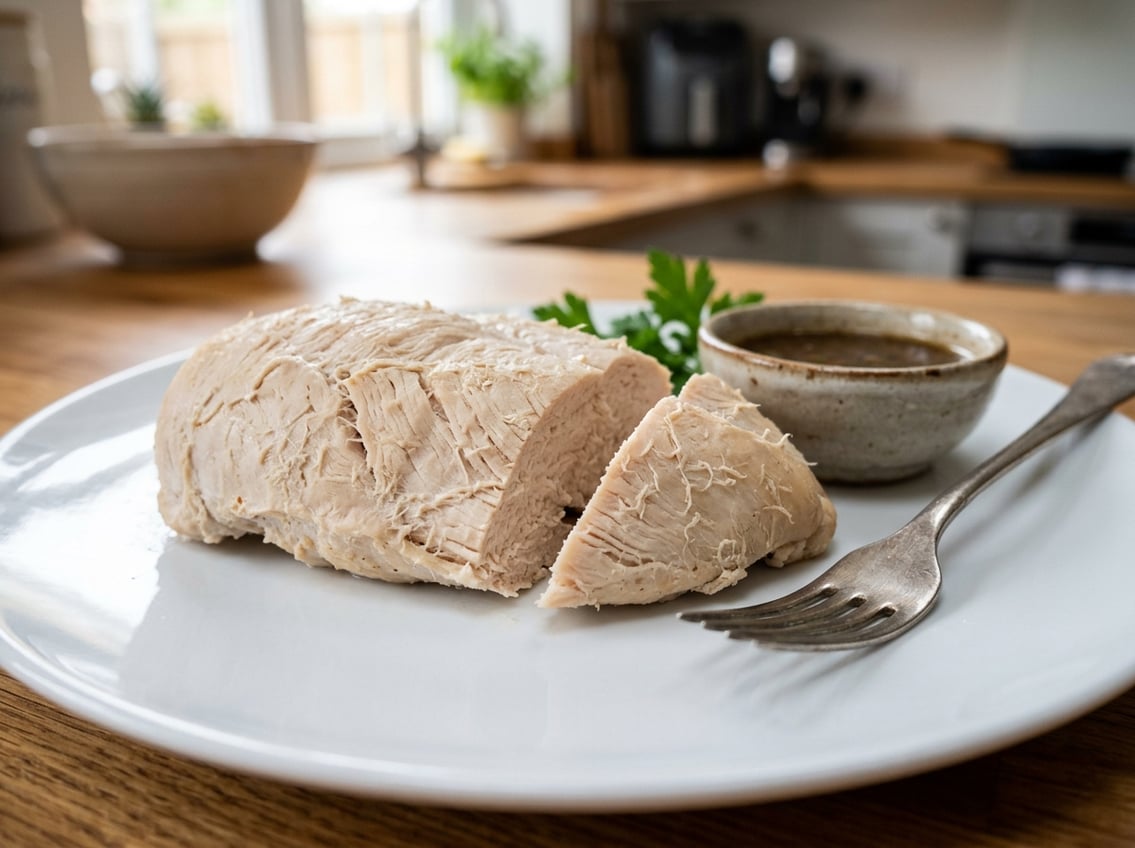
You can learn a lot from the look and feel of the meat. The key signs point to either unsafe chicken, overdone chicken, or lower-quality chicken breast.
Signs It Is Overdone vs Unsafe to Eat
Overcooked chicken feels dry, firm, and stringy. It may still be safe to eat if it reached a safe internal temperature.
Undercooked chicken often looks glossy or raw in the center and feels soft or jelly-like. If you suspect that is the problem, do not eat it.
How to Check Doneness With a Meat Thermometer
Use a meat thermometer to know what happened. Insert it into the thickest part of the breast, away from bone.
Check the internal temperature in more than one spot if the breast is very thick or uneven. This helps you find areas that may still be undercooked.
Why 165 Degrees Fahrenheit Matters
Chicken breast is safe to eat when it reaches 165 degrees Fahrenheit. That temperature kills harmful bacteria and gives you a clear target.
If you cook the chicken much past that point, you raise the risk of overcooked chicken and a rubbery texture. Hitting the mark and stopping there makes a difference.
What Store-Bought Chicken Quality Can Reveal
If the same recipe keeps giving you rubbery chicken, the store-bought meat may be the problem. Buying high-quality chicken helps, and some people prefer organic or slower-grown options for better texture.
Good quality does not guarantee tender results, but it reduces the chance of woody or white striped chicken. If the texture is poor before cooking, your method cannot fully fix it.
How to Prevent Dry, Chewy Results
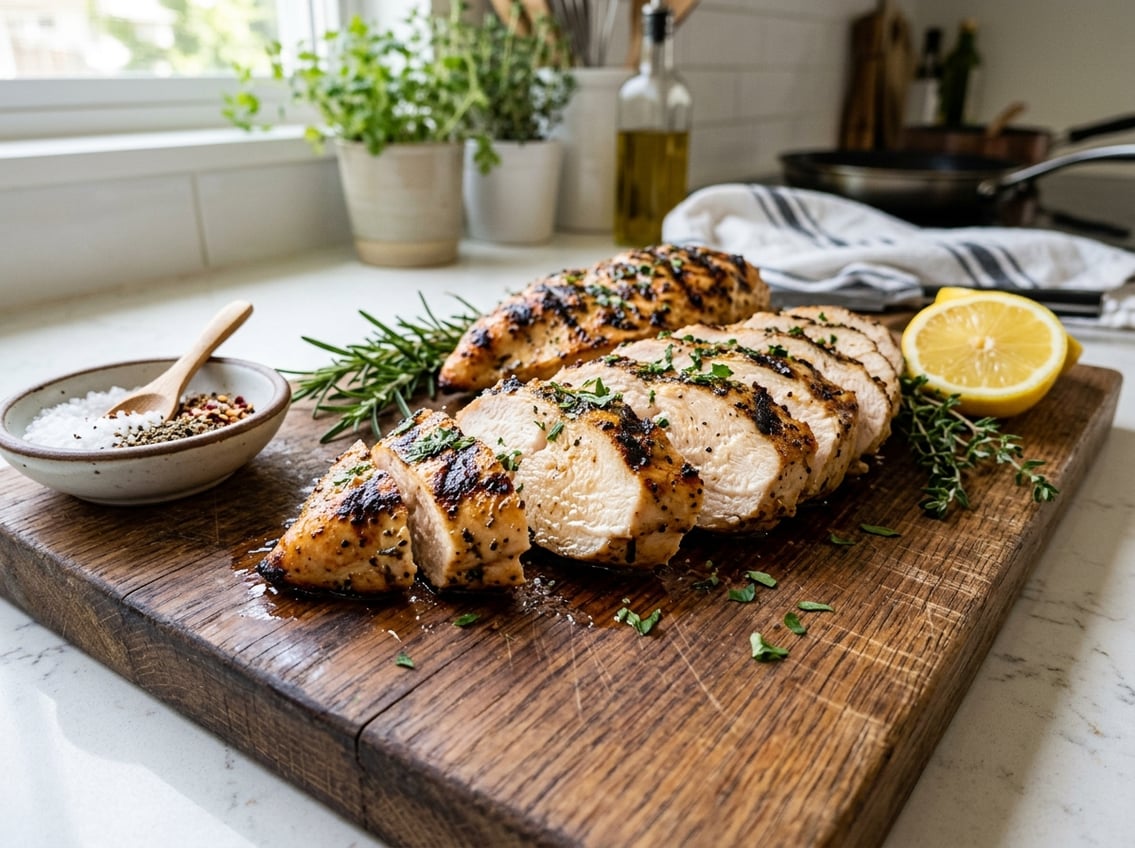
You can prevent rubbery chicken by adding moisture, evening out the shape, and using gentle heat control. Simple habits make a big difference in how the breast cooks and how tender it tastes.
Brine Chicken for Better Moisture Retention
Start with a brine or marinade. Salt and liquid help the meat hold more moisture during cooking.
Even a short soak can improve texture before grilling, roasting, or pan-searing. This is one of the easiest ways to prevent rubbery chicken.
Flatten or Slice Breasts for Even Cooking
Pound thick chicken breasts to an even thickness before cooking. You can also slice large breasts in half if the recipe allows it.
Even thickness helps the meat cook at the same pace, lowering the risk of dry edges and an undercooked center.
Choose Heat Levels That Protect Juiciness
Use steady, controlled heat instead of cooking the chicken too hard for too long. High heat works well for a short sear if you finish cooking carefully.
A meat thermometer helps you stop at the right point. This method avoids drying out the breast.
Rest the Meat Before Cutting
Let the chicken rest after cooking, then slice it. Resting gives the juices time to settle back through the meat.
If you cut too soon, even well-cooked chicken breast can seem drier than it should. A short rest protects tenderness.
Ways to Rescue a Bad Batch

You cannot always make tough chicken breast silky again, but you can improve the eating experience. Sauce, broth, and repurposing can turn a dry or chewy result into something better.
How to Fix Rubbery Chicken With Sauce or Broth
Add moisture right before serving to fix rubbery chicken. Warm broth, gravy, salsa, or a creamy sauce can help the meat taste less dry.
This works best with overcooked chicken, since the meat is still safe and only needs moisture and flavor. It does not truly change the texture, but it improves the bite.
When to Shred and Repurpose the Meat
Shredding works well for taco filling, chicken salad, soups, and casseroles. Once the meat is chopped small, the chewy texture is less noticeable.
You can also use this method with some undercooked chicken after you fully cook it to a safe temperature. A sauce-heavy recipe is often the best use for less-than-perfect breast meat.
When Texture Problems Cannot Really Be Fixed
If the chicken breast is woody, very dense, or clearly shows a woody chicken breast issue, cooking can only do so much.
The texture may stay firm no matter how carefully you season or sauce it.
In those cases, prevention matters more than rescue.
Choose better chicken and cook it to 165 degrees Fahrenheit with care to give yourself the best chance at tender chicken.


