
Chicken Breast vs Chicken Breast Half: Key Differences
Chicken breast vs chicken breast half usually comes down to size, bone, skin, and your cooking plans. A whole chicken breast gives you both lobes from the bird’s chest.
A chicken breast half is one side of that breast, often sold as a split piece.
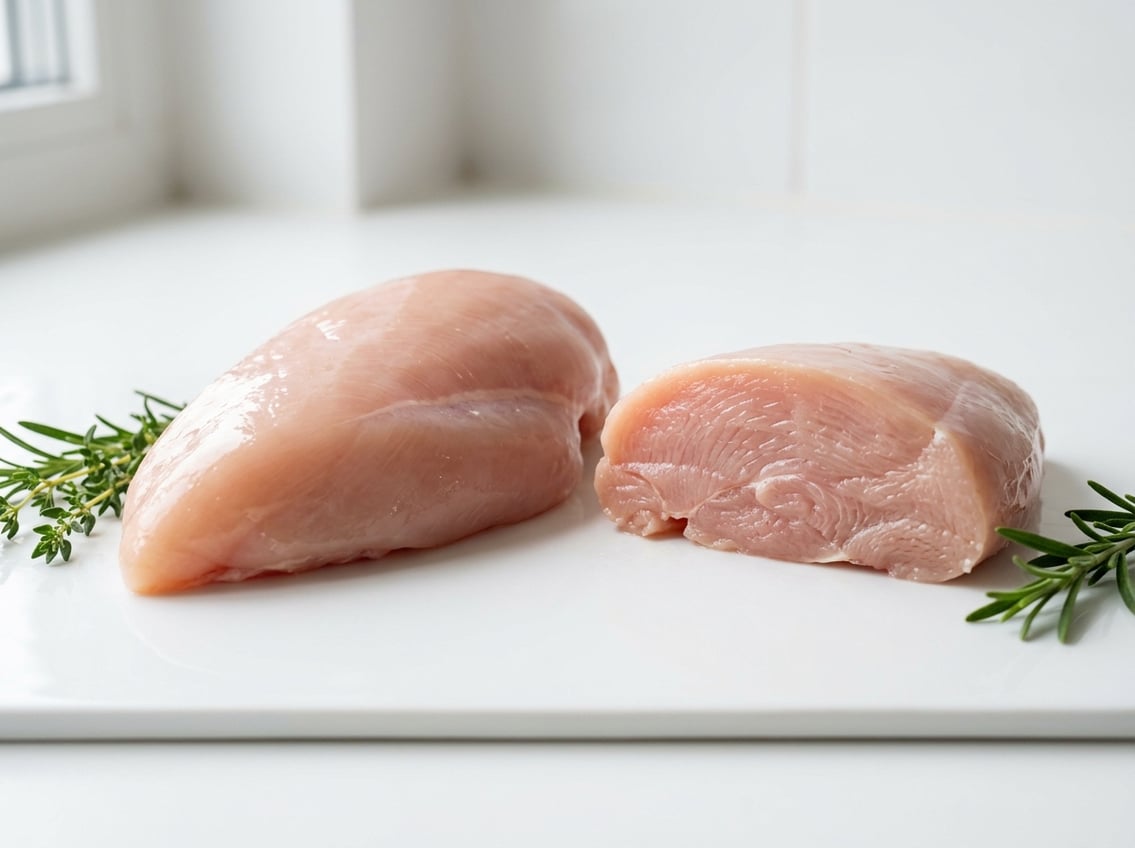
You usually choose a chicken breast half for faster cooking and easier portion control. A whole chicken breast gives you a larger piece that works well for stuffing, slicing, or splitting yourself.
In U.S. grocery stores, labels can blur the line between these cuts. Some packages say chicken breasts when they mean boneless, skinless whole breasts.
Others sell chicken breast halves as split, bone-in pieces. The exact cut matters when you shop and cook.
What Each Cut Means
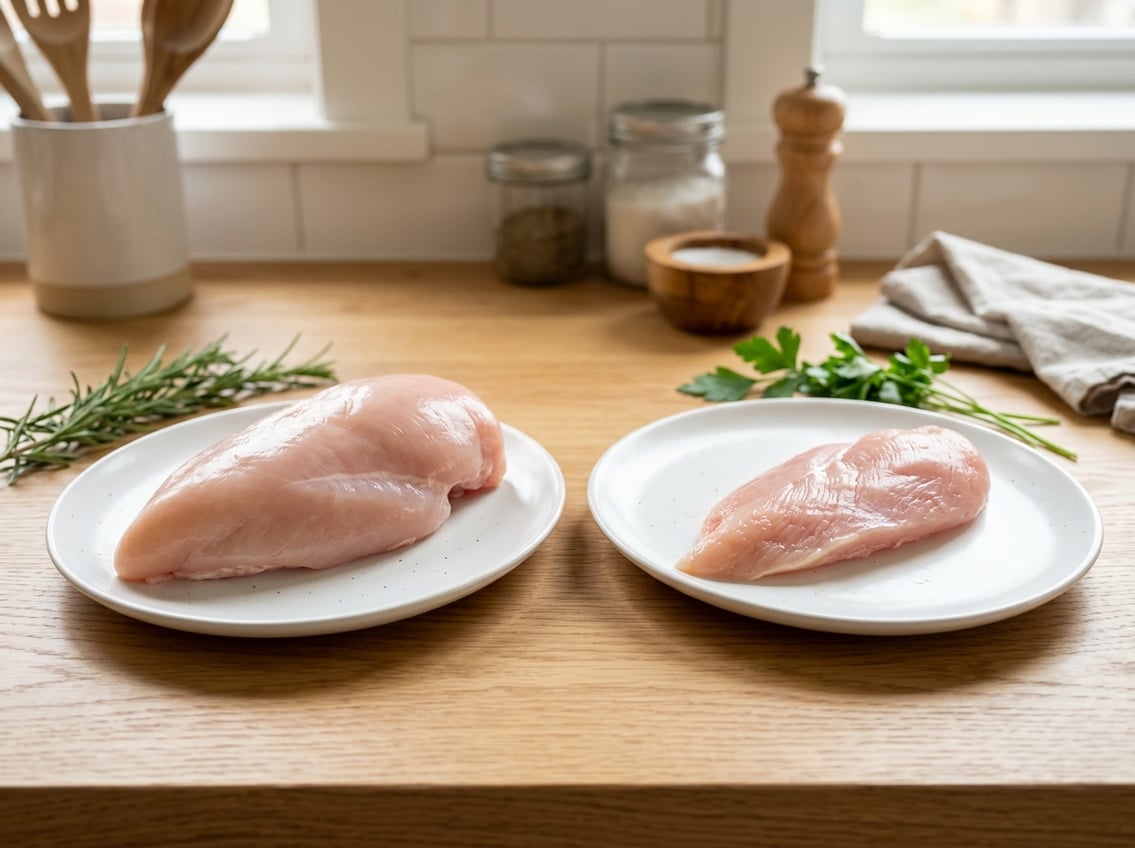
A whole chicken breast is the full breast from both sides of the bird. A chicken breast half is one side of that breast after splitting.
In many stores, the label depends on whether the cut still has the bone and skin. This changes both the look and the cooking time.
Chicken Breast Half vs Whole Breast
A whole chicken breast usually means both lobes together as one larger piece. A chicken breast half is one lobe, also called a half chicken breast or breast half.
A split chicken breast is the same basic idea as a chicken breast half, since the breast is cut along the breastbone. In the U.S., this is often a bone-in, skin-on piece.
If you see boneless chicken breast or skinless chicken breast, that usually means the breast has been trimmed into a more convenient form.
How Split Cuts and Boneless Cuts Differ
A double lobe chicken breast is the full breast with both sides attached. A split piece is one side of that breast, while boneless cuts are trimmed away from the bone.
Bone-in pieces cook more slowly and hold their shape better. Boneless pieces are easier to slice, pound, or turn into cutlets.
Why Grocery Labels Cause Confusion
Grocery labels are not always consistent. One store may use chicken breasts for boneless, skinless pieces.
Another may use chicken breast halves for bone-in split breasts. Reading the package helps you know what you are getting.
The size, presence of bone, and skin tell you more than the label alone. For a clear breakdown, this chicken breast halves vs chicken breasts guide explains common store differences.
How Size, Bone, and Shape Affect Cooking
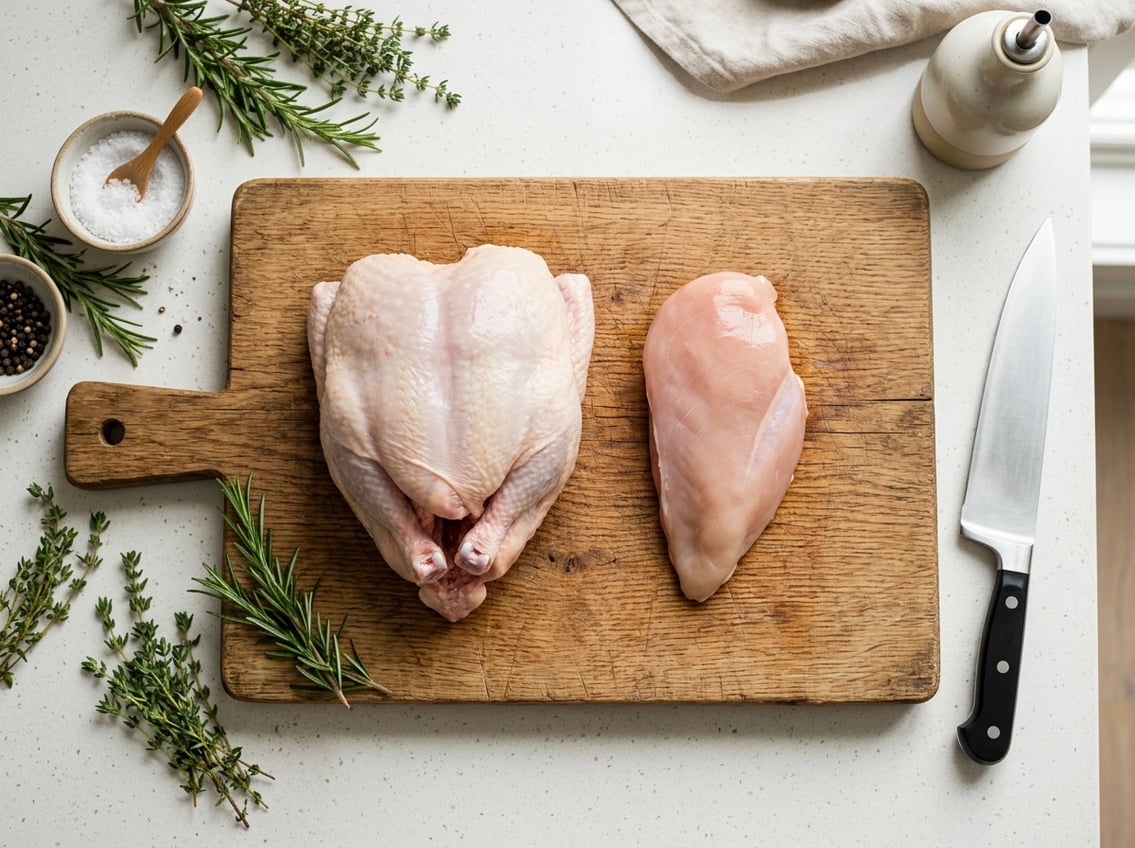
Thickness and bone content create the biggest cooking differences. A whole piece takes more time to heat through.
A split piece or boneless piece cooks faster and can dry out sooner if you overcook it.
Portion Size and Thickness
A whole chicken breast is usually larger and thicker than chicken breast halves. That gives you more meat per piece, which works well for a full serving.
A thinner split piece can be easier to cook evenly. If you need fast, even heat, boneless chicken breast or trimmed breast halves are often the simpler choice.
Moisture, Texture, and Lean Protein Value
Chicken breast is a classic lean protein, offering a lot of protein with less fat than darker cuts. Bone-in, skin-on pieces can stay a little juicier during roasting or grilling because the bone slows heat transfer.
Boneless, skinless pieces cook faster and are easier to season, slice, and add to salads or pasta. Boneless chicken breasts are a common household staple because they are fast to cook and easy to use in many recipes.
Best Uses for Bone-In and Boneless Options
Use split chicken breast or chicken breast halves when you want a roasted or grilled piece that stays neat on the plate. Use skinless chicken breast or boneless pieces when speed matters.
Boneless cuts are easier to finish quickly. Bone-in pieces often give you more protection against drying out.
Buying and Prepping the Right Piece
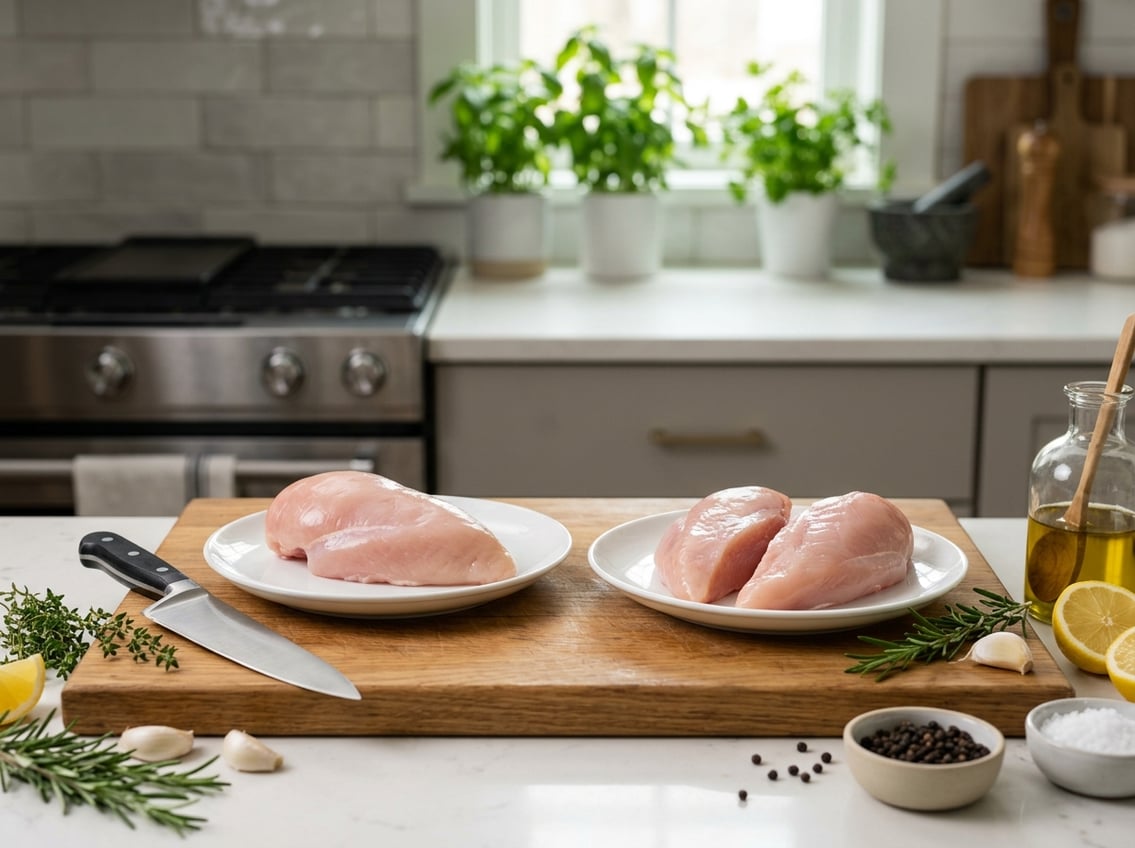
When you buy chicken, your best choice depends on your recipe and how much prep you want to do. Look at the package shape, the amount of trimming needed, and whether you want a ready-to-cook piece or a cut you can shape yourself.
What to Look for When Buying Chicken
Choose chicken that looks fresh, with a clean smell and a firm texture. When comparing a chicken breast half with a boneless chicken breast, check if the package includes skin or bone, since that changes cooking time.
A larger, intact piece gives you more flexibility. A trimmed boneless piece saves prep time.
Buy pieces that are similar in size so they finish cooking at the same time.
When to Use Cutlets Instead of Full Pieces
Chicken cutlets are thin pieces of chicken, usually made by slicing or pounding a breast. They work well when you need quick, even cooking.
Use cutlets for fast pan cooking, breaded dishes, or meals where a thinner shape matters. You can also slice a larger boneless chicken breast in half horizontally to get more even thickness.
How to Butterfly a Chicken Breast
A butterflied chicken breast is split partway through and opened like a book. This makes it thinner and more even, which helps it cook faster.
To butterfly a chicken breast, place it flat on a board, hold it steady, and slice horizontally through the thickest side without cutting all the way through. For a visual step-by-step method, how to butterfly a chicken breast shows the basic technique for faster cooking and better shape.
Best Recipe Matches for Each Option
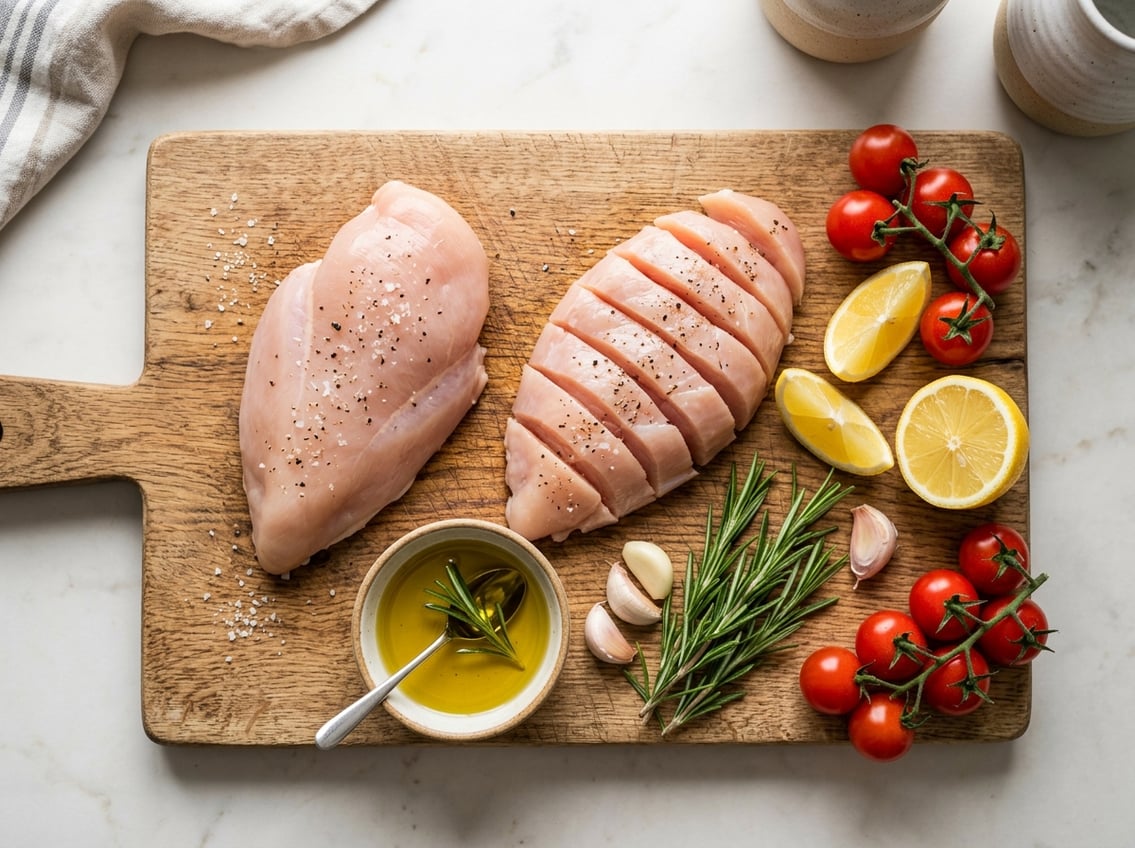
Let your recipe guide the cut you buy. Thin or even pieces are best for speed.
Larger pieces work better when you want to stuff, roast, or slice the chicken after cooking.
Quick-Cooking Meals and Weeknight Dishes
For fast cooking chicken breast, boneless pieces and chicken cutlets are the easiest choice. They cook quickly in a skillet, on a grill, or in the oven.
Use them for chicken stir-fry, simple pan-seared meals, or sliced chicken for salads and wraps. A quick-cooking shape helps you avoid dry meat.
Recipes That Benefit From Thin or Butterflied Pieces
Thin pieces are a strong match for chicken piccata, chicken parmesan, and other breaded or sauced dishes. Butterflied chicken breast and cutlets stay more even, so the coating cooks at the same pace as the meat.
If your recipe calls for fast browning and a short cook time, thinner pieces are easier to manage. They also soak up sauce well and give you a neat slice on the plate.
When Larger Pieces Work Better
Use a larger whole chicken breast for stuffed chicken breast or roasting. Meals that need a thicker center benefit from a bigger piece.
The extra size gives you room to add filling without the meat falling apart. A larger piece also works well for grilling when you want visible grill marks.
Start with a whole piece and trim it to fit your dish if you want a more polished result.


