
How Long Can Chicken Breast Stay in the Fridge Uncooked?
You may wonder how long can chicken breast stay in the fridge uncooked before it becomes unsafe. In the U.S., raw chicken breast usually stays good in the refrigerator for 1 to 2 days if your fridge is at the right temperature.
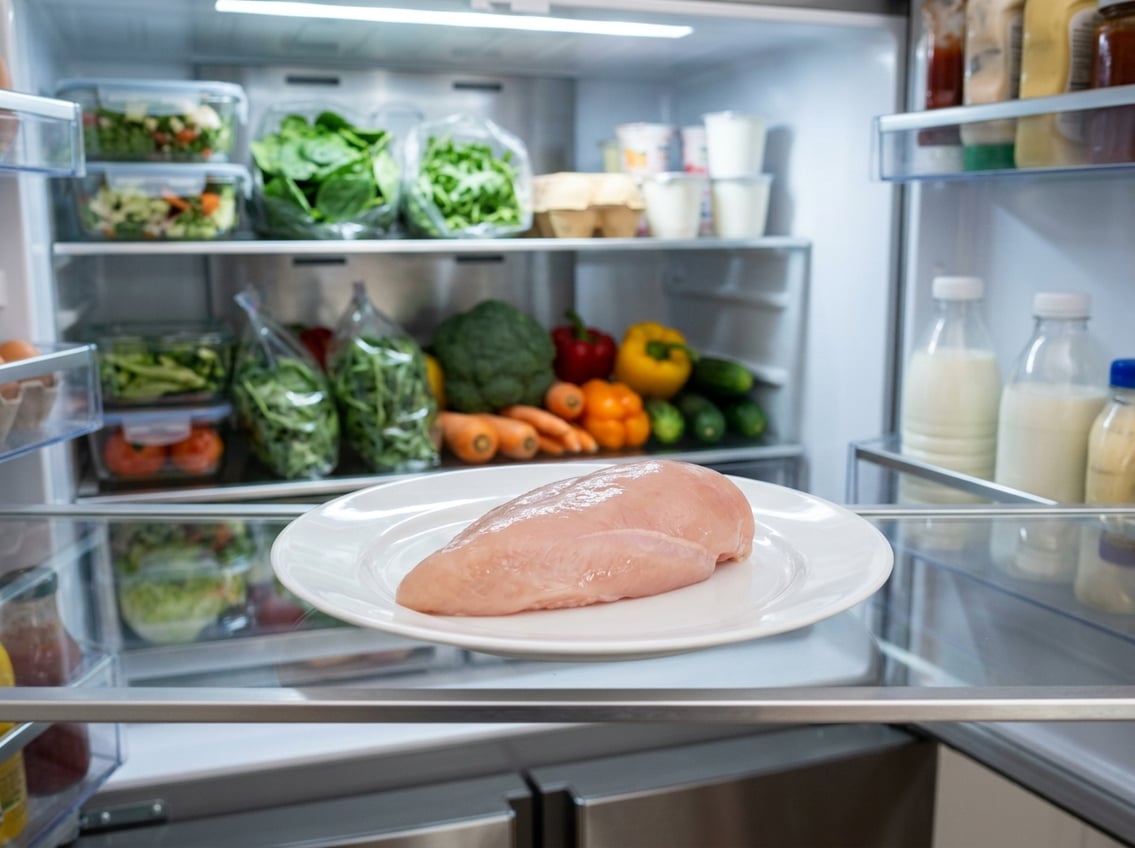
If you want to store uncooked chicken safely, you need to keep it cold, sealed, and separate from ready-to-eat foods from the moment you bring it home.
That timing matters because raw chicken can carry bacteria that grow fast when food sits too long or warms up.
A clear storage plan helps you avoid waste and lowers the risk of foodborne illness.
Safe Fridge Window for Raw Chicken Breast
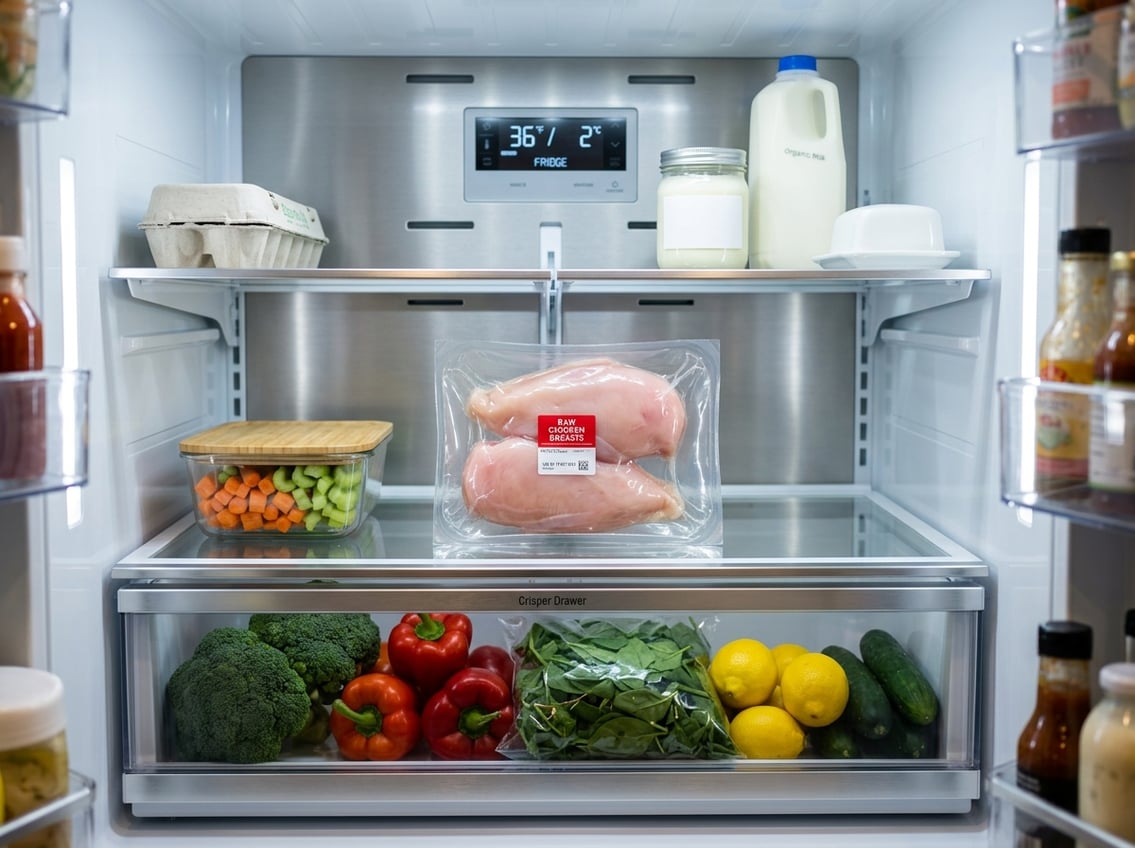
When you store uncooked chicken, the refrigerator acts as a short-term stop.
The common food safety rule is simple: raw chicken breast belongs in the fridge for no more than 1 to 2 days.
The 1- to 2-Day Rule for Chicken Breast
The USDA guidance says you should cook or freeze raw chicken parts, including breasts, within 1 to 2 days.
That time limit applies whether you keep chicken in its store packaging or repackage it at home, as long as it stays at 40°F or below.
If you are not cooking it soon, freezing is the safer choice.
Waiting past two days raises the chance that bacteria multiply enough to make the chicken unsafe, even if it still looks normal.
How Chicken Breast Compares With Whole and Ground Chicken
Chicken breast, whole chicken, and other chicken parts follow the same basic fridge rule, 1 to 2 days.
A USDA-style storage guide notes that whole birds and cut pieces both belong in that same short window.
Ground chicken does not get extra fridge time either.
It can spoil just as quickly, since grinding spreads surface bacteria through the meat.
Why Sell-By Dates Do Not Override Food Safety Timing
A sell-by date helps the store track inventory, not your home fridge timeline.
If you buy chicken on the sell-by date, the 1 to 2 day rule still applies once it is in your kitchen.
You should use the purchase date and your storage plan, not the label alone.
If you open the package, mishandle it, or let it warm above safe fridge temperature, the safe window can shrink even more.
How to Store It Correctly From Day One
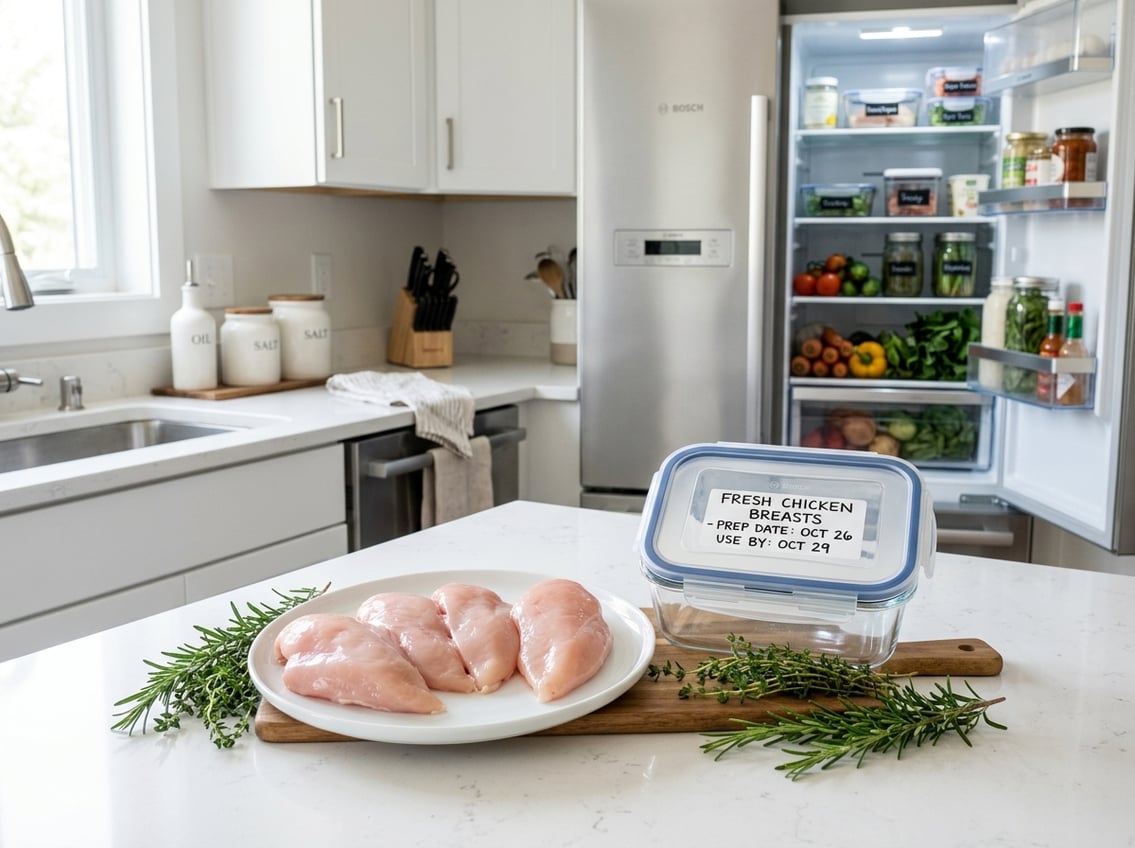
Good storage starts the second you unpack groceries.
The main goals are simple: keep raw chicken cold, keep it contained, and keep it away from ready-to-eat food.
Best Shelf Placement to Prevent Leaks and Cross-Contamination
Place raw chicken on the bottom shelf of your refrigerator.
This helps stop drips from landing on produce, leftovers, or drinks below it.
Use a tray, plate, or sealed container under the package if leaks are possible.
That small step reduces cross-contamination and makes your fridge easier to clean.
Original Packaging vs. Airtight Containers
You can keep chicken in its original store packaging for a short time if the wrap is intact.
For better protection, move it to an airtight container or a sealed freezer-style bag.
That extra layer helps control leaks and limit odor transfer.
It also helps when you store raw chicken in busy kitchens where packages get jostled often.
Fridge Temperature Targets and How to Check Them
Your refrigerator should stay at 40°F or below, and colder is better as long as food does not freeze accidentally.
A simple appliance thermometer is the easiest way to check.
Many modern energy efficient refrigerators and ENERGY STAR refrigerators hold temperature more steadily than older models, which helps protect raw meat.
If you are shopping for a new unit, tools like a refrigerator size calculator and reviews for the best refrigerators 2026 can help you pick one that fits your kitchen and storage needs.
When to Toss It and When to Freeze It
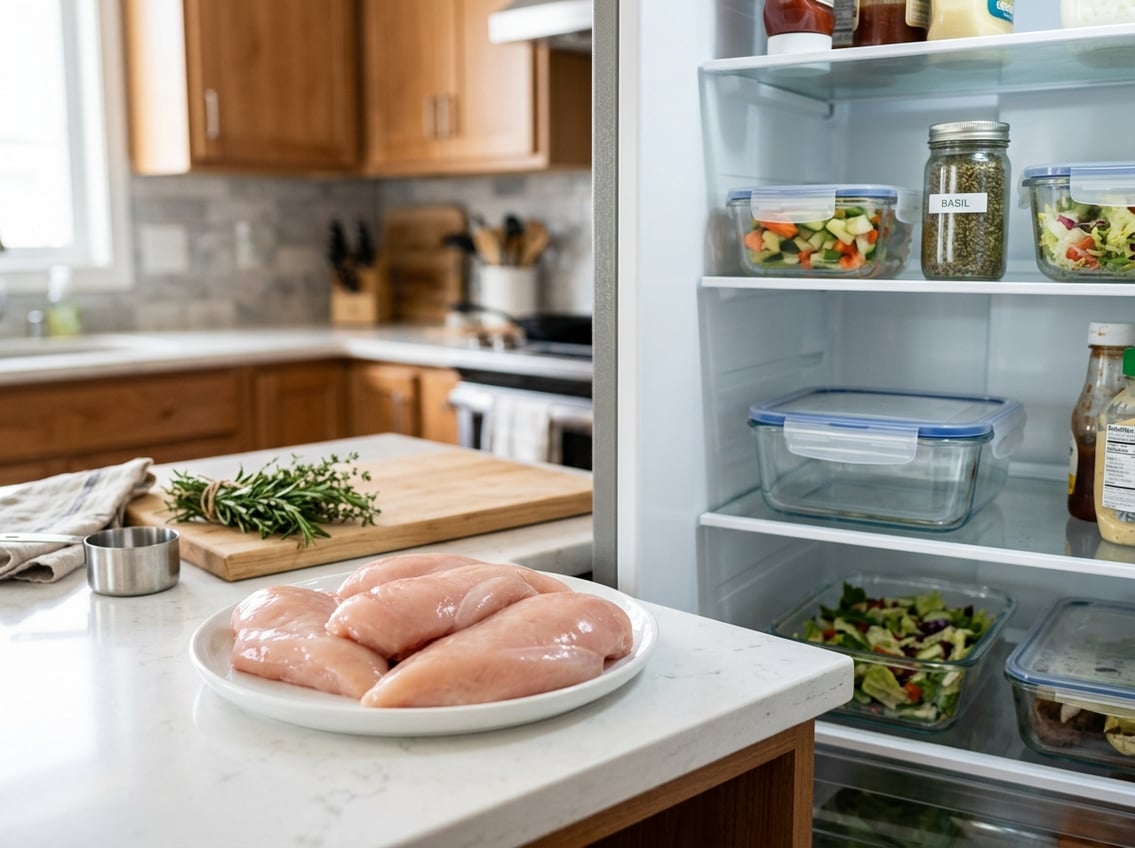
If raw chicken breast has sat in the fridge too long, do not try to rescue it with smell tests alone.
Use the time limit first, then look for clear spoilage signs and decide whether freezing was the better move.
Warning Signs Like Smell, Color, and Texture Changes
Spoiled chicken may smell sour, sharp, or unpleasant.
It can also turn gray, dull, or greenish, and the surface may feel sticky or slimy.
A lack of strong odor does not guarantee safety.
If the chicken has been in the fridge longer than 2 days, the safest choice is to toss it.
When It Makes Sense to Freeze Instead of Refrigerate
If you know you will not cook the chicken within 1 to 2 days, freeze it right away.
That is the best move after a bulk grocery trip, a sale, or a meal plan change.
You can freeze uncooked chicken while it is still fresh, which preserves both safety and quality.
You can also freeze raw chicken in meal-size portions so you only thaw what you need.
How to Freeze and Thaw Chicken Breast Safely
Wrap the chicken tightly, remove extra air, and label the package with the date.
A freezer bag or airtight wrap helps prevent freezer burn.
The safest thawing method is in the refrigerator.
You can also use cold water in a leak-proof bag or the microwave if you cook it right away.
Good best freezers 2026 options can help if you want more long-term storage space at home.
Cooked vs. Uncooked Storage Rules
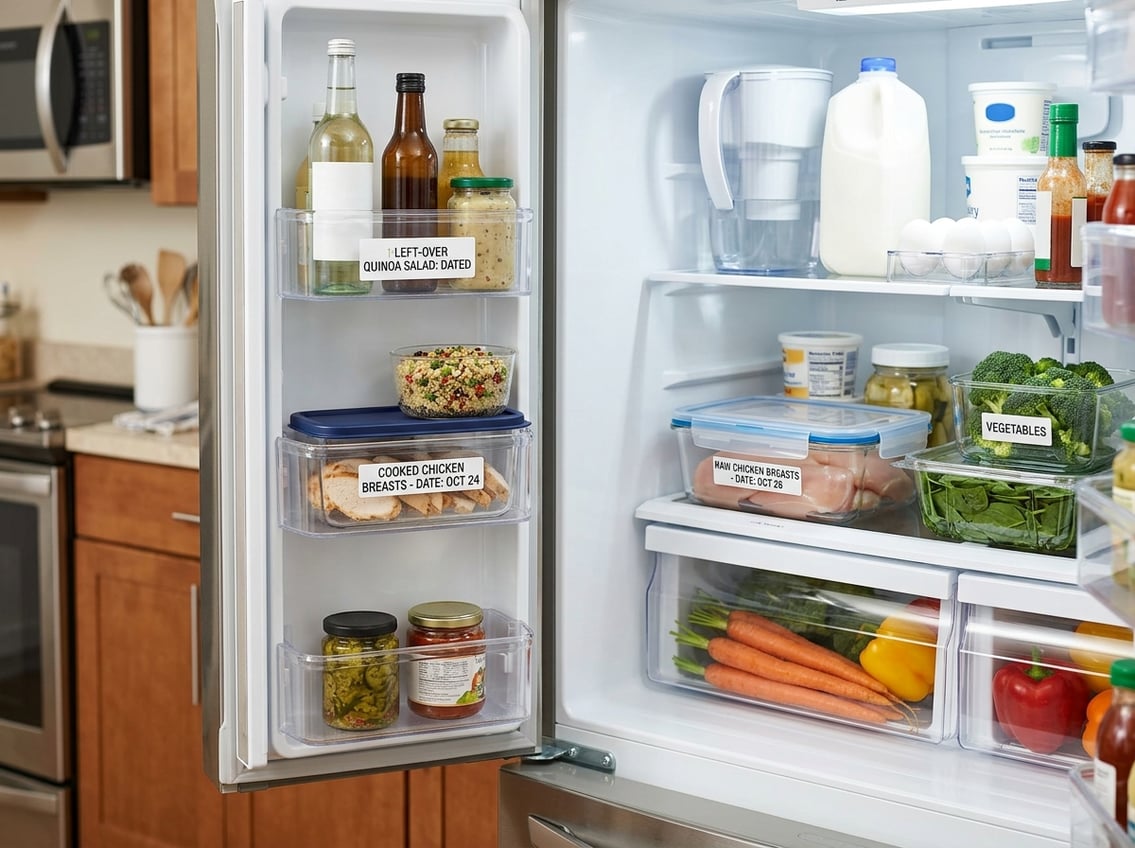
Cooked chicken follows a different timeline from raw chicken.
Once you cook it, the fridge window becomes longer, and your storage habits should change with it.
How Long Cooked Chicken Lasts in the Fridge
Cooked chicken usually lasts 3 to 4 days in the fridge when stored properly.
That gives you a little more room for leftovers, meal prep, and next-day lunches.
Why Leftovers Follow Different Safety Timelines
Cooking kills many harmful bacteria, which is why cooked food has a longer safe fridge life.
Even so, leftovers can still spoil if they sit too long or if the fridge runs too warm.
That is why storing cooked chicken still requires a date label and a sealed container.
Raw food is riskier, so storing raw chicken always needs stricter timing.
Simple Meal-Prep Habits That Reduce Waste
Portion chicken into meal-size packs before you refrigerate or freeze it. This helps you cook the right amount and avoid forgotten leftovers.
Label each container with the purchase or prep date. Place the oldest chicken where you can see it first.
These small habits keep your fridge safer and make your weekly cooking more predictable.


