
Asian Ingredient Essentials: Building Your 2026 Pantry with Yuzu, Black Garlic, Miso, and Fish Sauce
Last updated: May 7, 2026
Quick Answer
Building your 2026 pantry with yuzu, black garlic, miso, and fish sauce means stocking four versatile ingredients that deliver complex umami, citrus brightness, and fermented depth across multiple Asian cuisines. These ingredients—ranging from traditional staples like miso and fish sauce to trending additions like yuzu and black garlic—transform everyday cooking with minimal effort and long shelf lives. Start with light miso and fish sauce as your foundation, then add yuzu juice and black garlic to elevate marinades, dressings, and glazes.
Key Takeaways
- Fish sauce and miso form your umami foundation: Fish sauce ranks as a top-5 essential for Southeast Asian cooking, while miso (light, medium, or red) works across 15+ recipes from soups to glazes [1]
- Yuzu adds citrus complexity: This Japanese citrus brings tart, floral notes that work in ponzu, marinades, and dressings—industry analysts predict 25% pantry adoption growth by late 2026
- Black garlic delivers sweet umami: Fermented black garlic offers molasses-like sweetness and depth without raw garlic’s bite, with 15% market growth forecast in Asian fusion cooking
- Storage matters: Miso and fish sauce last 12+ months refrigerated; yuzu juice keeps 6 months frozen; black garlic stays fresh 3 months in a cool, dark place
- Start with versatile varieties: Choose light miso for soups, Thai or Vietnamese fish sauce for everyday use, bottled yuzu juice for convenience, and pre-peeled black garlic cloves
- Substitutions work in a pinch: Swap yuzu with lemon-lime mix (2:1 ratio), black garlic with roasted garlic plus honey, light miso with white miso, and fish sauce with soy sauce plus anchovy paste
- These ingredients cross cuisines: Use them beyond Asian dishes—miso in salad dressings, black garlic in pasta, yuzu in cocktails, fish sauce in stews
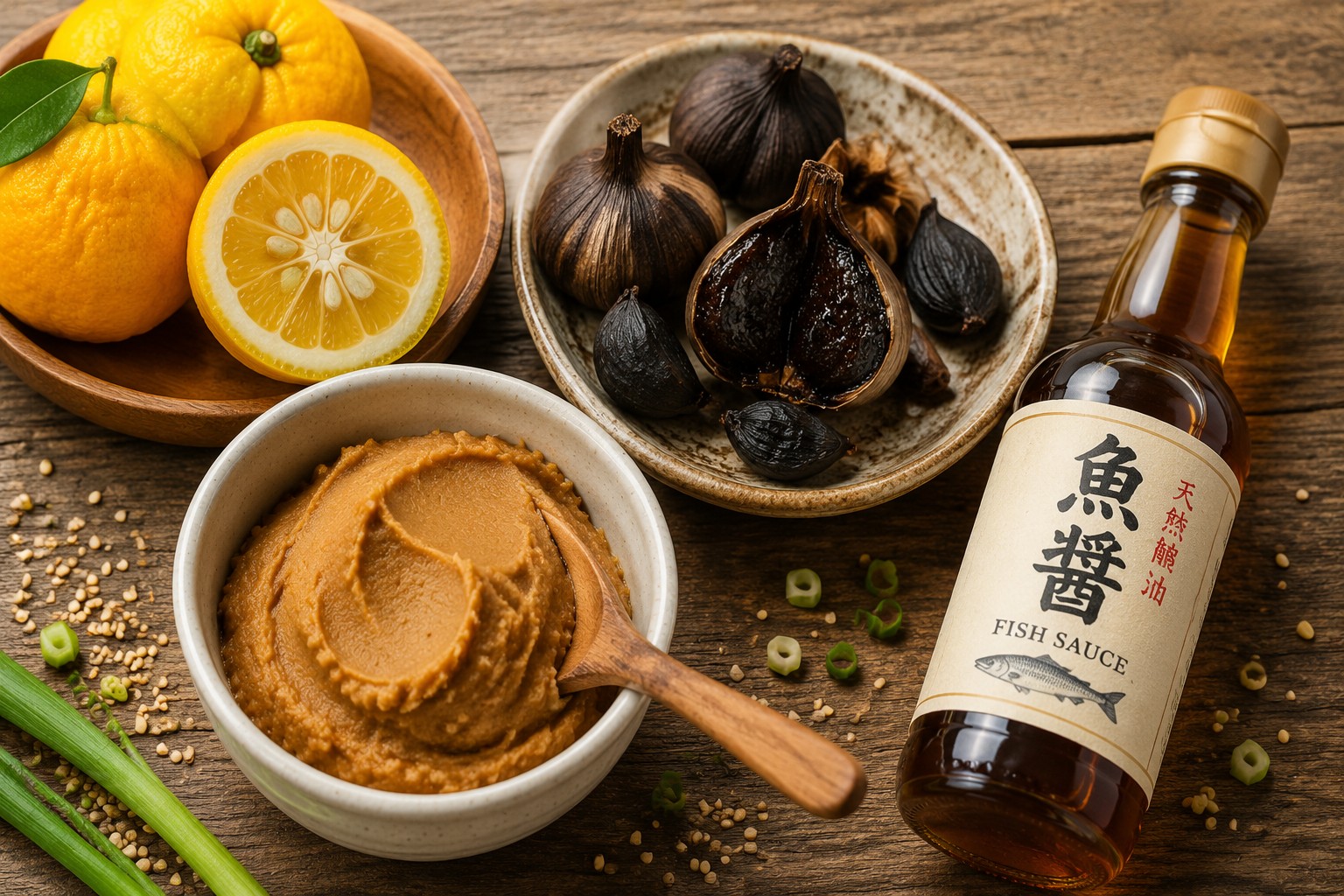
What Makes These Asian Ingredient Essentials Worth Stocking in 2026?
These four ingredients deliver maximum flavor impact with minimal pantry space and exceptional shelf stability. Fish sauce and miso have anchored Asian pantries for decades as non-negotiable umami sources, while yuzu and black garlic represent the modern evolution of home cooking—bringing restaurant-quality complexity without specialized techniques [1].
Why they matter now:
- Flavor efficiency: One tablespoon of fish sauce or miso paste adds the depth that would otherwise require hours of simmering stocks
- Cross-cuisine versatility: These ingredients work in Japanese, Korean, Chinese, Thai, and Vietnamese dishes, plus Western fusion applications
- Long shelf life: Properly stored, all four last months to years, making them practical investments
- Growing accessibility: Major grocery chains now stock these items, with online specialty retailers offering premium varieties
Choose these ingredients if you cook Asian-inspired meals weekly, want to reduce reliance on pre-made sauces, or seek umami depth in vegetarian cooking. Skip them if you rarely venture beyond basic seasonings or have severe seafood allergies (fish sauce).
Common mistake: Buying all varieties at once. Start with one type of each (light miso, standard fish sauce, yuzu juice, black garlic cloves) before expanding to specialty versions.
How Do You Choose Quality Yuzu, Black Garlic, Miso, and Fish Sauce?
Select ingredients based on intended use, checking labels for minimal additives and appropriate fermentation indicators. Quality matters because these are flavor concentrates—a subpar fish sauce or oxidized yuzu juice will negatively impact every dish.
Yuzu selection criteria:
- Fresh yuzu: Rare outside Japan; look for firm, fragrant fruit with bright yellow skin (available November-January)
- Yuzu juice: Choose 100% juice without added citric acid; brands like Yakami Orchard or Maruyama offer authentic options
- Yuzu kosho: Fermented yuzu paste with chili—select for spicy applications
- Ponzu sauce: Pre-mixed yuzu with soy sauce and dashi; convenient but less versatile than pure juice
Black garlic quality markers:
- Color: Deep black throughout (not brown), indicating complete fermentation
- Texture: Soft, sticky, and slightly chewy—dry or hard cloves are over-aged
- Aroma: Sweet and balsamic, not sharp or sulfurous
- Packaging: Vacuum-sealed or airtight containers preserve moisture and prevent oxidation
Miso paste varieties:
- White (shiro) miso: Mild, slightly sweet; best for soups, dressings, and delicate fish
- Yellow (shinshu) miso: Balanced flavor; all-purpose for marinades and glazes
- Red (aka) miso: Bold, salty, intense; ideal for hearty stews and robust marinades
- Mixed (awase) miso: Combination of white and red; versatile middle ground [2]
Fish sauce standards:
- First-press fish sauce: Premium grade with higher protein content and clearer color
- Ingredient list: Should list anchovies (or other fish), salt, and water—avoid added sugar or MSG
- Origin: Thai (nam pla) for balanced flavor, Vietnamese (nuoc mam) for stronger funk, Japanese (shottsuru) for delicate applications
- Color: Amber to reddish-brown; very dark sauce may be oxidized [1]
Decision rule: Choose white miso and Thai fish sauce for beginners, then add red miso and Vietnamese fish sauce as you develop preferences. For yuzu, start with bottled juice before investing in fresh fruit. Black garlic works best as pre-peeled cloves for convenience.
Where Should You Store Asian Ingredient Essentials for Maximum Freshness?
Store miso and fish sauce refrigerated after opening, keep black garlic in a cool dark place, and freeze yuzu juice in ice cube trays for portion control. Proper storage extends shelf life from months to years while preserving flavor integrity.
Storage guidelines by ingredient:
| Ingredient | Unopened Storage | After Opening | Shelf Life | Signs of Spoilage |
|---|---|---|---|---|
| Miso paste | Cool pantry or fridge | Refrigerate in airtight container | 12-18 months | Darkening (normal), mold (discard) |
| Fish sauce | Room temperature | Refrigerate (optional) | 2-3 years | Crystallization (normal), off smell |
| Yuzu juice | Refrigerate | Freeze in portions | 6-12 months frozen | Loss of bright color, flat aroma |
| Black garlic | Cool, dark place | Airtight container | 3-6 months | Dried out texture, loss of stickiness |
Pro storage tips:
- Miso: Press plastic wrap directly onto surface before sealing to prevent oxidation and color change
- Fish sauce: Crystals at bottom are normal salt precipitation—shake before use or strain
- Yuzu juice: Freeze in 1-tablespoon portions using ice cube trays, then transfer to freezer bags
- Black garlic: Vacuum-seal or use glass jars with tight lids; avoid refrigeration (causes hardening)
Common mistake: Storing miso at room temperature after opening. While traditional Japanese households may do this, refrigeration significantly slows fermentation and preserves lighter miso varieties’ delicate flavors.
Edge case: If you use fish sauce infrequently (less than monthly), refrigeration prevents the gradual darkening that occurs at room temperature, though this doesn’t affect safety.
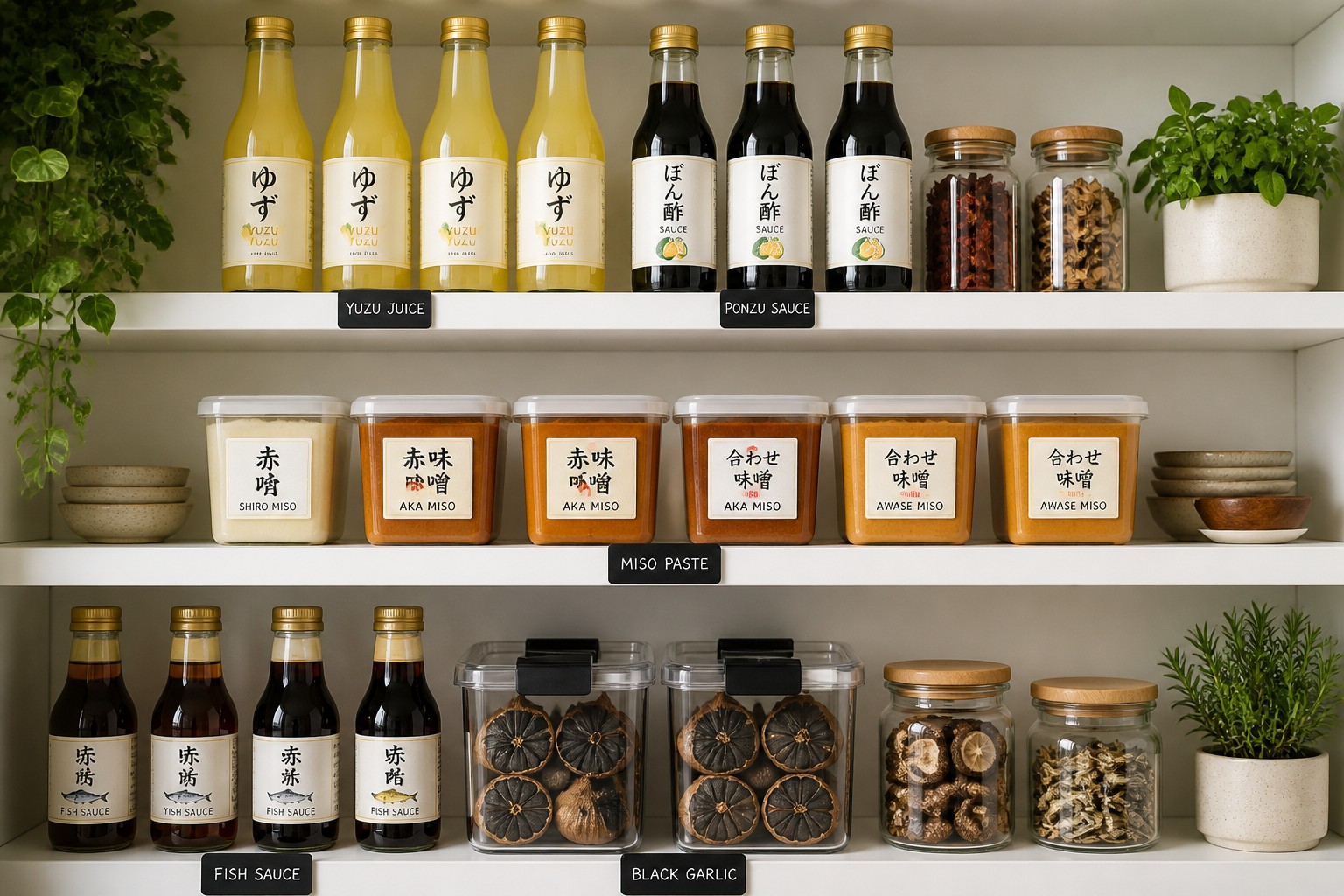
What Are the Best Ways to Use Yuzu in Your 2026 Cooking?
Use yuzu juice as a finishing acid in dressings, marinades, and sauces where you want floral citrus notes that are more complex than lemon but less bitter than grapefruit. Yuzu works best when added at the end of cooking or in no-cook applications to preserve its delicate aromatic compounds.
Top yuzu applications:
- Ponzu sauce: Mix 1 part yuzu juice, 1 part soy sauce, 1 part mirin, and ½ part dashi for a versatile dipping sauce
- Salad dressings: Replace half the lemon juice in vinaigrettes with yuzu for depth
- Marinades: Combine yuzu juice with miso, ginger, and sesame oil for fish or chicken
- Cocktails: Add 1 tablespoon yuzu juice to gin or vodka drinks for citrus complexity
- Desserts: Fold yuzu juice into whipped cream, custards, or fruit compotes
Flavor pairing guide:
- Proteins: Fatty fish (salmon, mackerel), chicken thighs, pork belly
- Vegetables: Avocado, cucumber, daikon, leafy greens
- Other ingredients: Soy sauce, miso, honey, ginger, sesame, chili
Substitution ratio: Replace yuzu with 2 parts lemon juice + 1 part lime juice for similar acidity, though you’ll lose the floral notes. For a closer match, add a drop of orange blossom water.
Choose yuzu if you want to elevate simple grilled fish or create restaurant-quality dressings. Skip it if you’re making heavily spiced dishes where its subtle notes will be lost.
How Does Black Garlic Transform Your Pantry Staples?
Black garlic adds sweet, umami-rich depth without raw garlic’s pungency, working as both a cooking ingredient and a finishing element. The fermentation process converts harsh allicin into complex sugars and amino acids, creating molasses-like sweetness with balsamic notes that enhance rather than dominate dishes.
Best black garlic uses:
- Compound butter: Mash black garlic into softened butter with herbs for steak or bread
- Pasta sauces: Blend black garlic into cream sauces or tomato-based preparations
- Glazes: Puree black garlic with honey, soy sauce, and rice vinegar for meat or vegetables
- Aioli: Mix minced black garlic into mayonnaise for sandwiches and dipping
- Rubs: Combine black garlic paste with brown sugar and spices for barbecue
Cooking techniques:
- Raw application: Slice thinly and add to finished dishes for maximum flavor impact
- Pureed: Blend into smooth paste for even distribution in sauces and dressings
- Whole cloves: Roast alongside vegetables or meat for caramelized sweetness
- Infused oils: Steep black garlic in neutral oil for drizzling
Flavor profile: Sweet (like aged balsamic), umami (similar to soy sauce), slightly tangy, with no raw garlic bite. Works well in both Asian and Western preparations.
Substitution: Mix roasted garlic with 1 teaspoon molasses or honey per clove to approximate black garlic’s sweetness, though you’ll miss the fermented complexity.
Common mistake: Using too much initially. Start with 1-2 cloves per recipe—black garlic is potent and can overwhelm delicate dishes.
What Makes Miso Paste Essential for Your 2026 Pantry?
Miso paste delivers instant umami and fermented complexity to soups, marinades, dressings, and glazes, with different varieties offering flavor profiles from delicate to robust. This fermented soybean paste works as both a primary seasoning and a background flavor enhancer, making it one of the most versatile Asian ingredients for home cooks [1][2].
Miso variety uses:
- White miso: Miso soup, delicate fish marinades, creamy dressings, sweet glazes
- Yellow miso: All-purpose marinades, ramen broth, stir-fry sauces, vegetable glazes
- Red miso: Hearty stews, beef marinades, robust dipping sauces, braised dishes
- Mixed miso: Balanced applications when you want moderate depth [2]
Essential miso recipes:
- Classic miso soup: Dissolve 2 tablespoons miso per 2 cups dashi, add tofu and wakame
- Miso-glazed salmon: Mix 2 tablespoons miso, 1 tablespoon mirin, 1 teaspoon sugar; marinate 30 minutes
- Miso salad dressing: Whisk 1 tablespoon miso, 2 tablespoons rice vinegar, 3 tablespoons oil, 1 teaspoon honey
- Miso butter: Blend equal parts softened butter and white miso for corn or bread
- Miso caramel: Cook white miso with sugar and cream for dessert sauce
Cooking tips:
- Never boil: Add miso after removing soup from heat to preserve beneficial probiotics and prevent bitterness
- Dilute first: Mix miso with small amount of warm liquid before adding to dishes for smooth incorporation
- Balance sweetness: Miso’s saltiness pairs well with mirin, honey, or brown sugar in glazes
- Start light: Begin with white miso and progress to red as you develop taste preferences [2]
Choose white miso if you’re new to the ingredient or cooking delicate proteins. Choose red miso if you want bold flavor in hearty dishes or robust marinades.
Edge case: Miso darkens over time in the refrigerator—this is normal oxidation and doesn’t indicate spoilage unless mold appears.
Why Is Fish Sauce a Non-Negotiable Asian Pantry Essential?
Fish sauce provides the foundational umami that defines Southeast Asian cooking, working as both a primary seasoning and a background flavor enhancer in soups, stir-fries, marinades, and dipping sauces. This fermented anchovy liquid delivers glutamate-rich savoriness that’s impossible to replicate with other ingredients, making it a top-5 pantry essential [1].
Core fish sauce applications:
- Vietnamese pho: 2-3 tablespoons per pot for authentic depth
- Thai pad thai: 2 tablespoons combined with tamarind and palm sugar
- Dipping sauces (nuoc cham): Mix with lime juice, sugar, garlic, and chili
- Marinades: Combine with garlic, sugar, and black pepper for grilled meats
- Stir-fries: Add 1-2 teaspoons for umami boost without soy sauce’s color
Fish sauce flavor principles:
- Umami amplifier: Enhances existing flavors rather than tasting “fishy” when used correctly
- Salt replacement: Use fish sauce instead of salt in Asian dishes for layered seasoning
- Balancing act: Pairs with sugar, acid (lime/vinegar), and heat (chili) in traditional sauces
- Background player: In proper amounts (1-2 teaspoons per serving), it’s undetectable but essential
Quality indicators:
- First-press sauce: Higher protein content (30-40g per 100ml) indicates quality
- Clear color: Amber to reddish-brown; avoid very dark or cloudy bottles
- Simple ingredients: Fish, salt, water—premium brands use 2:1 fish-to-salt ratio
- Origin matters: Thai fish sauce (milder), Vietnamese (funkier), Japanese (delicate) [1]
Substitution: Mix 1 tablespoon soy sauce + ½ teaspoon anchovy paste + pinch sugar per tablespoon fish sauce. This approximates the flavor but lacks fermented complexity.
Common mistake: Adding too much initially. Start with half the recommended amount and adjust—fish sauce’s intensity varies by brand.
For vegetarians: Look for vegan fish sauce made from fermented mushrooms or seaweed, though flavor profiles differ significantly from traditional versions.
How Do These Four Ingredients Work Together in Recipes?
Combine yuzu, black garlic, miso, and fish sauce to create layered flavor profiles that balance umami, sweetness, acidity, and aromatic complexity. These ingredients complement rather than compete, with each contributing distinct elements that build restaurant-quality depth in home cooking.
Flavor synergy examples:
1. Master marinade formula:
- 2 tablespoons miso (white or yellow)
- 1 tablespoon fish sauce
- 1 tablespoon yuzu juice
- 2 cloves black garlic, minced
- 1 tablespoon mirin
- 1 teaspoon sesame oil
Use for: Salmon, chicken thighs, pork chops, or firm tofu. Marinate 30 minutes to 2 hours.
2. Umami salad dressing:
- 1 tablespoon white miso
- 1 teaspoon fish sauce
- 2 tablespoons yuzu juice
- 1 clove black garlic, pureed
- 3 tablespoons neutral oil
- 1 teaspoon honey
Use for: Mixed greens, soba noodle salads, or grain bowls.
3. Glaze for roasted vegetables:
- 2 tablespoons red miso
- 1 tablespoon black garlic paste
- 1 tablespoon yuzu juice
- 2 tablespoons honey
- 1 teaspoon fish sauce
Use for: Brussels sprouts, carrots, eggplant, or mushrooms.
Balancing principles:
- Miso + fish sauce: Double umami requires acid (yuzu) and sweetness (black garlic) to balance
- Yuzu + black garlic: Bright citrus cuts through black garlic’s sweetness
- Fish sauce + yuzu: Classic Southeast Asian pairing that needs sugar or miso for roundness
- Black garlic + miso: Both fermented ingredients create depth; add yuzu for brightness
Recipe building strategy:
- Start with umami base (miso or fish sauce)
- Add acid (yuzu) for brightness
- Include sweetness (black garlic or honey)
- Balance with fat (oil or butter)
- Adjust with aromatics (ginger, scallions)
Common mistake: Using all four ingredients at maximum intensity. Choose 2-3 as primary flavors and use the fourth as a subtle background note.
What Are the Best Substitutions When You’re Missing an Ingredient?
Substitute based on the ingredient’s primary function—umami, acidity, sweetness, or aromatic complexity—using combinations that approximate the original flavor profile. While substitutions won’t perfectly replicate these unique ingredients, they’ll maintain dish balance when you’re missing a component.
Substitution guide:
| Missing Ingredient | Best Substitute | Ratio | Notes |
|---|---|---|---|
| Yuzu juice | Lemon + lime juice | 2:1 lemon to lime | Add orange zest for floral notes |
| Black garlic | Roasted garlic + molasses | 1 clove + ½ tsp per clove | Mix thoroughly for sweetness |
| White miso | Tahini + soy sauce | 1 tbsp tahini + 1 tsp soy | Adds nuttiness, similar texture |
| Red miso | White miso + soy sauce | 1 tbsp white + 1 tsp soy | Increases saltiness and depth |
| Fish sauce | Soy sauce + anchovy paste | 1 tbsp soy + ½ tsp paste | Add pinch sugar for balance |
Detailed substitution strategies:
For yuzu:
- Meyer lemon: Sweeter than regular lemon, closer to yuzu’s profile
- Bergamot: If available, offers similar floral notes
- Calamansi: Filipino citrus with comparable tartness
- Commercial ponzu: Contains yuzu but includes soy sauce and dashi
For black garlic:
- Caramelized onions + garlic: Provides sweetness and depth
- Balsamic reduction + roasted garlic: Mimics sweet-tangy profile
- Date paste + raw garlic: Sweetness with garlic punch (use sparingly)
For miso:
- Soy bean paste (doenjang): Korean equivalent, slightly funkier
- Tahini + soy sauce + mirin: Approximates texture and umami
- Nutritional yeast + tahini: Vegan option with nutty umami
For fish sauce:
- Worcestershire sauce: Contains anchovies, similar umami (use 1:1)
- Soy sauce + seaweed: Adds oceanic notes to soy’s umami
- Mushroom seasoning: Vegan alternative with glutamate content
When substituting, adjust these factors:
- Salt levels: Substitutes may be more or less salty than originals
- Liquid content: Some swaps add more moisture (adjust other liquids)
- Cooking time: Substitutes may not have same heat stability
- Flavor intensity: Start with less and add gradually
Choose substitutions if you’re testing a recipe before investing in specialty ingredients or cooking for someone with specific dietary restrictions.
How Much Should You Invest in Building Your Asian Ingredient Pantry?
Budget $40-60 for a complete starter set of quality yuzu juice, black garlic, miso paste, and fish sauce that will last 6-12 months with regular use. This investment delivers better value than pre-made Asian sauces because these ingredients work across dozens of recipes and maintain quality longer.
Price breakdown (2026 estimates):
- Yuzu juice (8 oz bottle): $12-18
- Black garlic (2-3 bulbs/6 oz): $10-15
- Miso paste (1 lb container): $8-12
- Fish sauce (24 oz bottle): $6-10
- Total initial investment: $36-55
Cost per use analysis:
- Yuzu juice: ~$0.50 per tablespoon (24 servings per bottle)
- Black garlic: ~$0.75 per clove (20-24 cloves per package)
- Miso paste: ~$0.15 per tablespoon (32 servings per pound)
- Fish sauce: ~$0.08 per tablespoon (48 servings per bottle)
Budget optimization strategies:
- Start with essentials: Buy fish sauce and miso first (under $20), add yuzu and black garlic later
- Choose versatile varieties: White miso and Thai fish sauce work across most recipes
- Buy online: Asian specialty retailers often offer better prices than grocery stores
- Watch for sales: Stock up when ingredients are 20-30% off (they keep well)
- Make your own: Black garlic can be made at home using a rice cooker over 3-4 weeks
Premium vs. budget options:
Worth the upgrade:
- First-press fish sauce (better flavor, less sodium)
- Organic miso (cleaner taste, no additives)
- Fresh yuzu (when in season for special occasions)
Budget-friendly works fine:
- Standard fish sauce for everyday cooking
- Commercial black garlic (homemade is time-intensive)
- Bottled yuzu juice (fresh is expensive and seasonal)
Long-term value: These four ingredients replace multiple pre-made sauces (teriyaki, ponzu, salad dressings) that cost $4-8 each and contain preservatives and excess sugar.
Decision rule: Invest in quality fish sauce and miso (you’ll use them most), then add yuzu and black garlic as your cooking expands. If budget is tight, start with just fish sauce and white miso for under $15.
What Common Mistakes Should You Avoid with Asian Ingredient Essentials?
Avoid adding miso to boiling liquids, using fish sauce as a 1:1 salt replacement, storing black garlic in the refrigerator, and treating yuzu like regular lemon juice. These mistakes compromise flavor, texture, and ingredient longevity, preventing you from getting full value from your pantry investment.
Critical mistakes and fixes:
1. Boiling miso paste
- Why it’s wrong: Destroys beneficial probiotics and creates bitter flavor
- Fix: Remove soup from heat, dissolve miso in small amount of warm broth, then stir into pot
- Exception: Red miso in long-cooked stews can handle heat better than white miso
2. Over-using fish sauce
- Why it’s wrong: Creates overwhelming funk instead of subtle umami
- Fix: Start with half the recommended amount; add gradually while tasting
- Rule: If you can identify fish sauce as distinct flavor, you’ve used too much
3. Refrigerating black garlic
- Why it’s wrong: Cold temperatures dry out cloves and harden texture
- Fix: Store in airtight container in cool, dark pantry (60-70°F)
- Exception: If your kitchen exceeds 75°F regularly, refrigerate but bring to room temp before using
4. Using yuzu juice like lemon
- Why it’s wrong: Yuzu’s delicate aromatics dissipate with heat
- Fix: Add yuzu at end of cooking or in no-cook applications
- Exception: Yuzu kosho (fermented paste) handles heat better than juice
5. Buying wrong miso variety
- Why it’s wrong: Red miso in delicate soup or white miso in hearty stew creates imbalance
- Fix: Match miso intensity to dish—light for subtle, dark for bold
- Starter rule: When in doubt, choose yellow (medium) miso
6. Ignoring ingredient quality
- Why it’s wrong: Low-quality fish sauce or oxidized yuzu ruins dishes
- Fix: Check ingredient lists (minimal additives), smell before using (should be pleasant)
- Red flag: Fish sauce with added MSG or caramel color, miso with alcohol listed first
7. Not tasting as you go
- Why it’s wrong: These ingredients vary in intensity by brand
- Fix: Add incrementally, taste between additions, adjust other seasonings accordingly
- Pro tip: Keep notes on preferred brands and amounts for your recipes
8. Mixing incompatible storage
- Why it’s wrong: Cross-contamination affects flavors and shelf life
- Fix: Use clean, dry utensils for each ingredient; never double-dip
- Miso-specific: Press plastic wrap directly on surface to prevent oxidation
Edge cases to watch:
- Miso darkening: Normal oxidation, not spoilage (unless mold appears)
- Fish sauce crystals: Salt precipitation is normal; shake or strain
- Black garlic drying: Indicates improper storage; still usable but less flavorful
- Yuzu separation: Natural for juice; shake well before using
FAQ
How long does miso paste last after opening? Miso paste lasts 12-18 months refrigerated after opening when stored in an airtight container with plastic wrap pressed directly on the surface. Darkening is normal oxidation, but discard if you see mold or detect off odors.
Can I substitute regular garlic for black garlic? Regular garlic cannot directly replace black garlic because it lacks the sweet, umami-rich profile from fermentation. Mix roasted garlic with molasses (1 clove + ½ teaspoon) to approximate black garlic’s sweetness, though you’ll miss the complex fermented notes.
Is fish sauce gluten-free? Most traditional fish sauce is naturally gluten-free, containing only anchovies, salt, and water. Always check labels, as some brands add wheat-based additives or soy sauce; look for certified gluten-free options like Red Boat or Fish Boat brands [1].
What’s the difference between white and red miso? White miso ferments for weeks to months, creating mild, slightly sweet flavor ideal for soups and delicate dishes. Red miso ferments for 1-3 years, developing bold, salty, intense flavor best for hearty stews and robust marinades [2].
Can I freeze miso paste? Yes, miso paste freezes well for up to 2 years without significant flavor loss. Freeze in small portions (ice cube trays work well) or keep in original container—miso remains scoopable even when frozen due to high salt content.
Where can I buy fresh yuzu? Fresh yuzu is rarely available outside Japan except November-January at specialty Asian markets or high-end grocers. For consistent access, buy bottled yuzu juice from online retailers like Amazon, Weee!, or Japanese grocery stores.
Does fish sauce need refrigeration? Fish sauce doesn’t require refrigeration due to high salt content but refrigeration slows gradual darkening and preserves flavor intensity. Store unopened bottles at room temperature; refrigerate after opening if you use it infrequently (less than monthly).
How do I know if black garlic has gone bad? Bad black garlic becomes dry, hard, and loses its sticky texture, or develops visible mold. Fresh black garlic should be soft, slightly tacky, and smell sweet with balsamic notes—discard if it smells sulfurous or shows white/green growth.
Can I make black garlic at home? Yes, make black garlic by placing whole garlic bulbs in a rice cooker on “warm” setting for 3-4 weeks, checking weekly for desired color and texture. This method requires dedicated equipment due to strong smell during fermentation.
What’s the best miso for beginners? White (shiro) or yellow (shinshu) miso works best for beginners because of mild, versatile flavor that’s forgiving in recipes. Start with white miso for soups and dressings, then experiment with darker varieties as you develop preferences [2].
Is yuzu juice the same as yuzu kosho? No, yuzu juice is pure citrus juice used for acidity and aroma, while yuzu kosho is a fermented paste combining yuzu zest, chili peppers, and salt. Yuzu kosho adds heat and fermented complexity; they’re not interchangeable in recipes.
Can I use fish sauce in non-Asian cooking? Yes, fish sauce works as umami booster in Western dishes like stews, pasta sauces, salad dressings, and roasted vegetables. Use 1-2 teaspoons per recipe where you’d normally add salt—it enhances without creating “Asian” flavor when used sparingly.
Conclusion
Building your 2026 pantry with yuzu, black garlic, miso, and fish sauce transforms everyday cooking by providing the umami depth, fermented complexity, and bright acidity that define modern Asian-inspired cuisine. These four ingredients work individually and in combination to create restaurant-quality flavors at home, with exceptional shelf stability and cross-cuisine versatility that justifies the initial investment.
Your action plan:
- Start with the foundation: Buy fish sauce and white miso this week (under $15 total) and use them in simple applications like stir-fries and soup
- Add complexity next month: Purchase yuzu juice and black garlic when you’re comfortable with the basics
- Experiment with combinations: Try the master marinade formula in this guide on chicken thighs or salmon
- Track your favorites: Note which brands and varieties work best for your taste preferences
- Expand gradually: Once you’ve mastered one miso variety, try red or mixed for different applications
These Asian ingredient essentials deliver maximum flavor impact with minimal effort, making them worthy additions to any 2026 pantry. Whether you’re cooking traditional Asian dishes or adding depth to Western preparations, yuzu, black garlic, miso, and fish sauce provide the building blocks for memorable meals that go beyond basic seasonings.
References
[1] Essential Asian Pantry Staples – https://www.hwcmagazine.com/recipe/essential-asian-pantry-staples/
[2] Delicious Miso Recipes – https://www.justonecookbook.com/delicious-miso-recipes/
SEO Meta Title: Asian Ingredient Essentials: 2026 Pantry Guide


