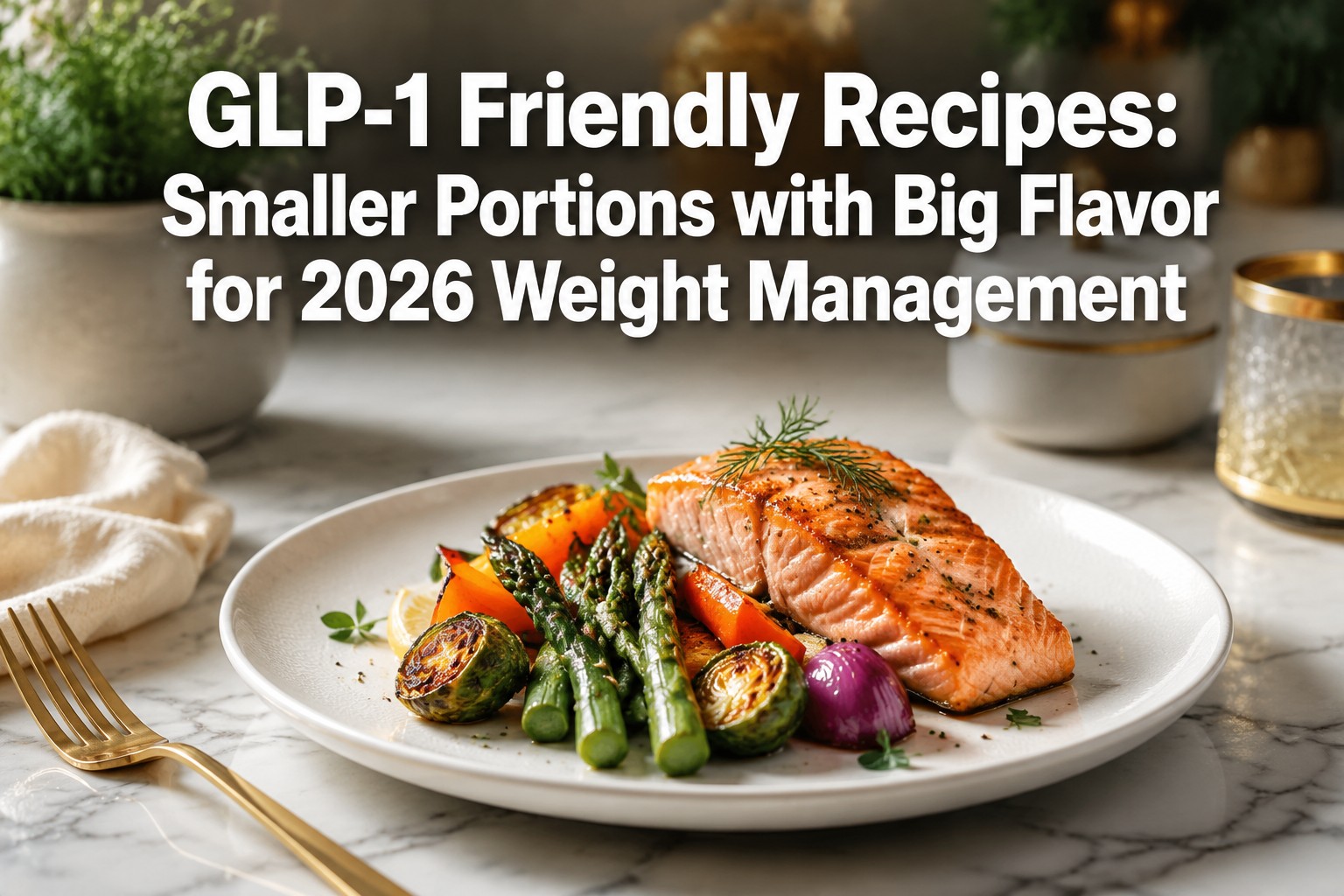
GLP-1 Friendly Recipes: Smaller Portions with Big Flavor for 2026 Weight Management
Last updated: May 10, 2026
Quick Answer
GLP-1 friendly recipes for 2026 weight management focus on smaller portions (typically 4-6 ounces per serving) that deliver concentrated flavor through high-protein ingredients, bold seasonings, and fiber-rich vegetables. These recipes work with GLP-1 medications like Ozempic and Wegovy by creating satisfying meals that match reduced appetite while preventing nutritional deficiencies. The key is maximizing taste and nutrition in every bite, since people on GLP-1s typically eat 30-50% less than before.
Key Takeaways
- Smaller portions require bigger flavors: GLP-1 medications reduce appetite significantly, so recipes must pack maximum taste and nutrition into 4-6 ounce servings
- Protein is essential: Aim for 20-30g protein per meal to preserve muscle mass during weight loss, using lean sources like chicken breast, fish, Greek yogurt, and legumes
- Fiber prevents side effects: High-fiber ingredients (vegetables, whole grains, legumes) help manage common GLP-1 digestive issues like nausea and constipation
- Low-carb options work well: Many successful GLP-1 recipes keep net carbs under 10g per serving while maintaining satisfying flavors through herbs, spices, and healthy fats
- Meal prep is crucial: Preparing small-portion meals in advance helps maintain consistent nutrition when appetite is unpredictable
- Texture matters: Combining soft and crunchy elements in small portions increases satisfaction and prevents food fatigue
- Hydration through food: Soups, smoothies, and water-rich vegetables help meet fluid needs when drinking feels difficult
What Makes a Recipe GLP-1 Friendly in 2026?
A GLP-1 friendly recipe prioritizes high protein (20-30g per serving), moderate fiber (5-10g), and controlled portions (4-6 ounces) that align with the reduced appetite caused by medications like semaglutide and tirzepatide. These recipes must deliver concentrated nutrition and bold flavors because people on GLP-1s typically consume significantly fewer calories while needing to maintain muscle mass and energy levels.
The best GLP-1 recipes share several characteristics:
- Protein-forward composition: Each meal centers on lean protein sources like chicken breast, fish, eggs, or Greek yogurt to prevent muscle loss during rapid weight reduction
- Flavor concentration: Bold seasonings, fresh herbs, citrus, and umami-rich ingredients create satisfaction in smaller bites
- Digestive gentleness: Avoiding excessive fats, fried foods, and heavy sauces that can worsen nausea or discomfort
- Nutrient density: Every ingredient serves a purpose, providing vitamins, minerals, or macronutrients essential for health
Common mistake: Many people reduce portion sizes without increasing flavor intensity, leading to bland meals that don’t satisfy. On GLP-1 medications, taste becomes even more important because you’re eating less overall.
Choose recipes with visible vegetables and herbs if you’re new to GLP-1 cooking—they signal both nutrition and flavor complexity at a glance.
What Are the Best GLP-1 Friendly Breakfast Recipes for Smaller Portions?
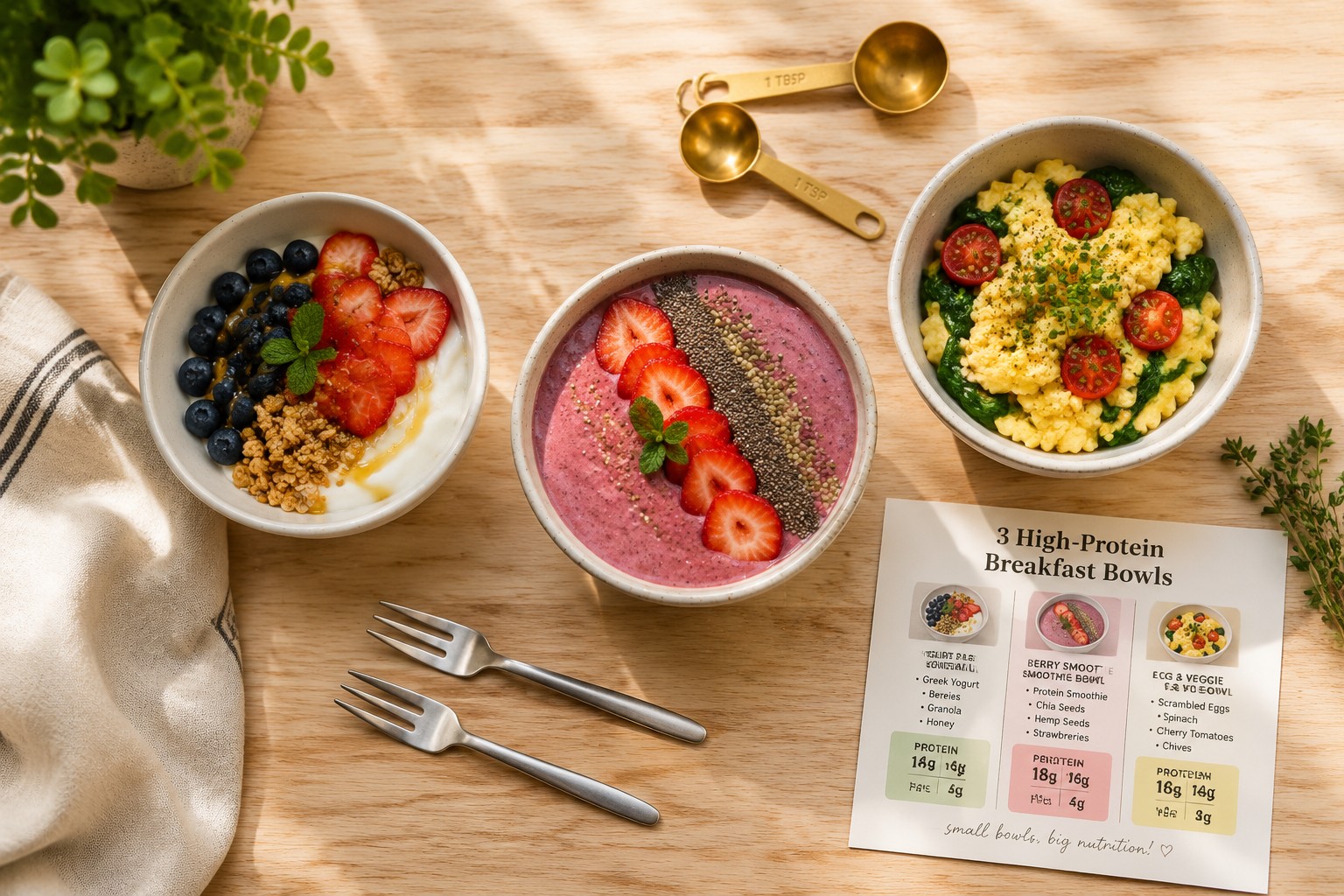
The best GLP-1 friendly breakfasts combine 15-25g protein with fiber-rich ingredients in portions under 300 calories, such as Greek yogurt parfaits, protein smoothies, and egg-based dishes that provide sustained energy without triggering nausea. [1]
Top breakfast options include:
Greek Yogurt Parfait (from TryShed’s menu plan) [4]
- 3/4 cup plain Greek yogurt (18g protein, 90 calories)
- 1/2 sliced apple
- 2 tablespoons chopped walnuts
- Cinnamon to taste
- Total: ~250 calories, 20g protein, 4g fiber
Strawberry Basil Smoothie (Atkins recipe) [1]
- 6.5g net carbs per serving
- Blends fresh strawberries with basil for bright flavor
- Protein powder base for satiety
- Serves as complete meal in 8-10 oz portion
Pumpkin Seed Granola Bowl (Forks Over Knives) [3]
- High-fiber base with oats, millet, and dates
- Topped with plain yogurt or plant-based alternative
- Crunchy texture increases satisfaction
- Portion: 1/2 cup granola with 1/2 cup yogurt
Protein-Packed Egg Scramble
- 2 eggs scrambled with spinach and cherry tomatoes
- 1 oz reduced-fat cheese
- Fresh herbs (cilantro, chives, or parsley)
- Serves on small plate (4-5 oz total)
Decision rule: Choose cold breakfasts (yogurt, smoothies) if morning nausea is common; opt for warm eggs if you tolerate cooked foods better in the morning.
How Do You Create High-Protein, Low-Carb GLP-1 Lunch Ideas?
High-protein, low-carb GLP-1 lunches focus on lean proteins paired with non-starchy vegetables and healthy fats, keeping portions to 5-6 ounces total while delivering 25-30g protein and under 15g net carbs. [5]
Effective lunch combinations:
Tuna Chickpea Salad (TryShed 3-day plan) [4]
- Canned tuna (3 oz) mixed with chickpeas (1/4 cup)
- Diced avocado, cherry tomatoes, cucumber
- Lemon juice and olive oil dressing
- Served over mixed greens
- Provides protein, fiber, and healthy fats in compact portion
Protein Power Bowl (Daily Harvest concept) [5]
- Quinoa base (1/4 cup cooked)
- Roasted chickpeas for crunch
- Steamed broccoli and bell peppers
- Tahini drizzle for creaminess
- Total portion: 1.5 cups, highly filling
Lentil Vegetable Soup (Daily Harvest) [5]
- Lentils provide plant-based protein and fiber
- Carrots, celery, spinach for nutrients
- Hydrating format helps with fluid intake
- Portion: 1-1.5 cups (easier to consume than solid foods)
Keto Caprese Hasselback Chicken (Atkins) [1]
- Only 1.5g net carbs per serving
- Chicken breast sliced and stuffed with mozzarella, tomatoes, and basil
- Baked until golden and melty
- Portion: 4 oz chicken with toppings
For meal prep: Prepare chicken breast portions in advance and pair with different vegetable combinations throughout the week to prevent flavor fatigue.
Edge case: If solid proteins feel too heavy, blend cooked chicken or fish into creamy soups with vegetables for easier digestion while maintaining protein intake.
What Are the Most Satisfying GLP-1 Dinner Recipes with Big Flavor?
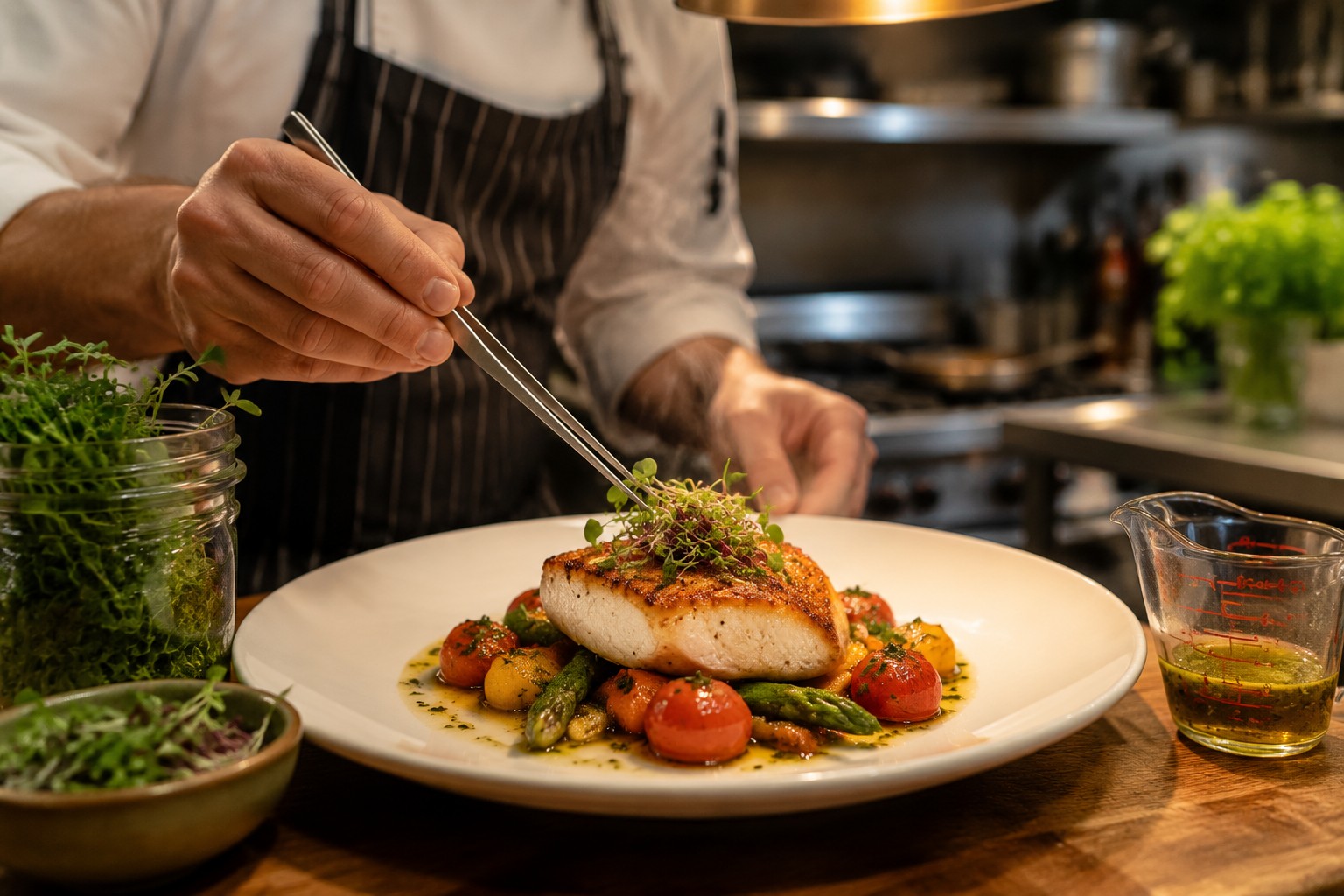
The most satisfying GLP-1 dinners use bold marinades, fresh herbs, and layered seasonings to create restaurant-quality flavor in 4-5 ounce portions, with recipes like stuffed salmon, rotisserie chicken bowls, and vegetable-forward entrees that feel complete despite smaller size. [1][4]
Standout dinner recipes:
Keto Marry Me Stuffed Salmon (Atkins) [1]
- 2.6g net carbs per serving
- Salmon fillet stuffed with sun-dried tomatoes, spinach, and cream cheese
- Rich, creamy filling makes small portion feel indulgent
- Baked until flaky and golden
Rotisserie Chicken Bowl (TryShed menu) [4]
- Pre-cooked rotisserie chicken (3-4 oz, shredded)
- Roasted sweet potato cubes (1/4 cup)
- Steamed green beans
- Light vinaigrette or tahini drizzle
- Assembled in small bowl for visual appeal
No-Cook Mango Avocado Tacos (Forks Over Knives) [3]
- Fresh mango and avocado chunks
- Black beans for protein
- Lime juice and cilantro for brightness
- Served in 2 small corn tortillas
- Quick assembly when cooking feels overwhelming
Mediterranean Stuffed Bell Peppers
- Small bell pepper halves filled with ground turkey or lentils
- Quinoa, feta, olives, and oregano
- Baked until peppers are tender
- Portion: 1-2 pepper halves (4-5 oz total)
Chef tip: Use compound butters (herb-infused butter) or flavored oils to add concentrated taste without volume. A small pat of garlic-herb butter on properly cooked chicken breast transforms the dish.
Common mistake: Overcooking proteins in an attempt to reduce portion size. Smaller portions actually require more careful cooking to maintain moisture and tenderness.
How Can You Maximize Flavor in Smaller GLP-1 Portions?
Maximizing flavor in smaller GLP-1 portions requires layering techniques: using fresh herbs, citrus zest, toasted spices, umami-rich ingredients (miso, Parmesan, mushrooms), and finishing salts that create complexity without adding volume or calories.
Professional flavor-boosting strategies:
Acid brightens everything
- Lemon or lime juice squeezed just before serving
- Rice vinegar or apple cider vinegar in dressings
- Pickled vegetables as garnish
- Adds brightness that makes small portions feel complete
Fresh herbs multiply impact
- Cilantro, basil, parsley, or mint added at the end
- Use 2-3 times more herbs than traditional recipes
- Chop finely and distribute throughout dish
- Provides aroma and visual appeal
Toasted spices deepen taste
- Toast cumin, coriander, or fennel seeds before grinding
- Blooming spices in oil releases essential oils
- Creates restaurant-quality depth in home cooking
- Works especially well with chicken thigh preparations
Umami amplification
- Miso paste stirred into dressings or marinades
- Nutritional yeast on vegetables
- Mushroom powder as seasoning
- Aged Parmesan grated over dishes
- Tomato paste concentrated in sauces
Texture contrast
- Toasted nuts or seeds for crunch
- Crispy vegetables alongside soft proteins
- Creamy elements (Greek yogurt, avocado) with firm ingredients
- Increases satisfaction per bite
Decision rule: If a dish tastes flat, add acid first (lemon juice), then salt, then fresh herbs—in that order. This sequence fixes 90% of bland small-portion meals.
What Are Simple GLP-1 Supportive Snacks and Small Plates?
Simple GLP-1 supportive snacks provide 10-15g protein in portions under 150 calories, using combinations like Greek yogurt with fruit, hard-boiled eggs with vegetables, or nut butter with apple slices that satisfy between meals without overwhelming reduced appetite. [4]
Practical snack options:
Protein-focused choices
- 1/2 cup Greek yogurt with berries
- 2 hard-boiled eggs with cherry tomatoes
- 2 oz turkey roll-ups with cucumber
- 1/4 cup cottage cheese with everything bagel seasoning
- String cheese with bell pepper strips
Plant-based alternatives
- Hummus (2 tablespoons) with carrot and celery sticks
- Roasted chickpeas (1/4 cup) seasoned with spices
- Edamame (1/2 cup) with sea salt
- Almond butter (1 tablespoon) with apple slices
Hydrating snacks (helpful when drinking water feels difficult)
- Watermelon cubes with mint
- Cucumber slices with lime and chili powder
- Frozen grapes
- Celery with cream cheese
Stuffed Toast Variation (from YouTube tutorial) [6]
- Use 3/4 cup Greek yogurt as sour cream substitute
- Provides 18g protein in 90 calories
- Spread on small piece of toasted whole grain bread
- Top with tomatoes, herbs, or smoked salmon
Edge case: If solid snacks feel too heavy, blend fruits with Greek yogurt into smoothies or freeze into small popsicles for easier consumption.
Choose snacks you can eat slowly—taking 10-15 minutes to finish a small snack helps with satiety signals on GLP-1 medications.
How Do You Meal Prep GLP-1 Friendly Recipes for the Week?
Meal prepping GLP-1 friendly recipes involves cooking proteins in bulk, portioning into 4-5 ounce servings, and pairing with mix-and-match vegetables and grains to create variety while maintaining consistent nutrition throughout the week when appetite is unpredictable. [2][7]
Effective meal prep strategy:
Sunday protein batch cooking
- Bake or grill 2-3 lbs chicken breast (slice or cube after cooking)
- Prepare hard-boiled eggs (1 dozen)
- Cook salmon fillets or white fish
- Brown ground turkey with seasonings
- Store in separate containers, 4 oz portions
Vegetable preparation
- Wash and chop raw vegetables (bell peppers, cucumbers, carrots)
- Roast sheet pans of broccoli, cauliflower, Brussels sprouts
- Steam green beans or asparagus
- Store in glass containers for 4-5 days
Grain and legume base
- Cook quinoa, brown rice, or lentils in batches
- Portion into 1/4-1/2 cup servings
- Freeze half for later in the week
- Provides quick meal assembly base
Assembly approach (mix and match daily)
- Container 1: Protein choice (4 oz)
- Container 2: Vegetable mix (1 cup)
- Container 3: Grain or legume (1/4 cup)
- Container 4: Sauce or dressing (2 tablespoons)
3-Day Sample Menu (adapted from TryShed) [4]
| Day | Breakfast | Lunch | Dinner |
|---|---|---|---|
| 1 | Greek yogurt parfait with apple and walnuts | Tuna chickpea salad over greens | Rotisserie chicken bowl with sweet potato |
| 2 | Strawberry protein smoothie | Leftover chicken with new vegetables | Keto stuffed salmon with asparagus |
| 3 | Scrambled eggs with spinach | Lentil vegetable soup | Turkey-stuffed bell peppers |
Common mistake: Preparing too much food at once, leading to waste when appetite remains low. Start with 3-4 days of meals rather than a full week.
Pro tip: Freeze individual portions of complete meals in single-serving containers for weeks when cooking feels impossible.
What Should You Avoid in GLP-1 Friendly Recipes?
Avoid high-fat, fried, overly sweet, or very spicy foods in GLP-1 recipes, as these can worsen common side effects like nausea, reflux, and digestive discomfort while providing less nutritional value in the smaller portions you’ll consume. [7]
Foods to minimize or avoid:
High-fat preparations
- Deep-fried foods (fried chicken, french fries, donuts)
- Heavy cream-based sauces
- Excessive cheese or butter
- Fatty cuts of meat
- Can slow digestion and increase nausea
Simple sugars and refined carbs
- Candy, cookies, pastries
- White bread and pasta
- Sugary beverages
- Provide empty calories without satiety
- May cause blood sugar spikes
Very spicy or acidic foods (if experiencing reflux)
- Hot peppers and spicy sauces
- Tomato-heavy dishes
- Citrus in large amounts
- Can irritate sensitive digestive system
Carbonated and alcoholic beverages
- Soda and sparkling water (for some people)
- Beer, wine, cocktails
- Take up stomach space without nutrition
- Alcohol may hit harder with reduced food intake
Tough, dry proteins
- Overcooked chicken breast that’s stringy
- Very lean beef without moisture
- Dry pork chops
- Difficult to eat when appetite is low
Decision rule: If a food makes you feel worse (nauseous, bloated, uncomfortable) within 30 minutes of eating, remove it from your rotation regardless of its nutritional profile. Individual tolerance varies significantly on GLP-1 medications.
Edge case: Some people tolerate foods better at certain times of day. If eggs cause morning nausea but work fine at dinner, adjust timing rather than eliminating completely.
How Do Portion Sizes Change on GLP-1 Medications?
Portion sizes on GLP-1 medications typically decrease to 30-50% of pre-medication amounts, with most people comfortably eating 4-6 ounces total per meal (about the size of a smartphone or deck of cards) compared to 12-16 ounces previously.
Practical portion guidelines:
Protein portions
- 3-4 oz cooked meat, fish, or poultry (palm-sized)
- 3/4-1 cup Greek yogurt or cottage cheese
- 2-3 eggs
- 1/2 cup legumes (beans, lentils)
Vegetable portions
- 1-2 cups raw or cooked vegetables
- Can be larger than other components
- Provides volume and fiber without excessive calories
Grain/starch portions
- 1/4-1/2 cup cooked grains
- 1 small sweet potato (3-4 oz)
- 1 slice whole grain bread
- Often reduced or eliminated in low-carb approaches
Visual cues for plating
- Use salad plates (7-8 inches) instead of dinner plates
- Fill half the plate with vegetables
- Quarter with protein
- Quarter with grain or additional vegetables
- Prevents overwhelming portions
Eating pace changes
- Meals take 20-30 minutes instead of 10-15
- Chewing thoroughly becomes essential
- Stopping at first sign of fullness prevents discomfort
- “Satisfied” feels different than “full”
Common mistake: Trying to finish “normal” portions out of habit, leading to uncomfortable fullness or nausea. Trust the medication’s appetite signals.
For families: Prepare regular portions for others, plate your smaller portion first, then store leftovers immediately to avoid pressure to eat more.
What Are the Nutritional Priorities for GLP-1 Weight Management in 2026?
The top nutritional priorities for GLP-1 weight management in 2026 are adequate protein intake (0.8-1g per pound of goal body weight), sufficient fiber (25-30g daily), proper hydration (64+ oz water), and strategic supplementation to prevent deficiencies during rapid weight loss. [2][7]
Priority hierarchy:
1. Protein preservation (most critical)
- Prevents muscle loss during weight reduction
- Aim for 80-120g daily depending on body size
- Distribute across all meals (20-30g each)
- Choose lean sources to maximize protein without excess fat
2. Fiber for digestive health
- Manages constipation (common GLP-1 side effect)
- Provides satiety and blood sugar stability
- Include vegetables, legumes, whole grains, seeds
- Increase gradually to avoid gas and bloating
3. Hydration maintenance
- Reduced food intake means less water from food
- Aim for 8-10 cups daily minimum
- Sip throughout day rather than large amounts at once
- Include hydrating foods (soups, smoothies, water-rich vegetables)
4. Micronutrient coverage
- Multivitamin recommended due to reduced food volume
- Vitamin B12, iron, calcium, vitamin D often need attention
- Consider working with dietitian for personalized assessment
- Blood work every 3-6 months to monitor levels
5. Healthy fats (moderate amounts)
- Essential for hormone production and nutrient absorption
- Focus on omega-3s (fatty fish, walnuts, flax)
- Use olive oil, avocado, nuts in small amounts
- Avoid excessive fat that worsens nausea
Nutrient-dense food priorities:
| Food Category | Best Choices | Serving Size |
|---|---|---|
| Proteins | Chicken breast, fish, Greek yogurt, eggs, legumes | 3-4 oz |
| Vegetables | Leafy greens, broccoli, bell peppers, tomatoes | 1-2 cups |
| Fruits | Berries, apples, citrus | 1/2-1 cup |
| Grains | Quinoa, oats, brown rice | 1/4-1/2 cup |
| Healthy Fats | Avocado, nuts, olive oil | 1-2 tbsp |
Decision rule: If you can only eat a small amount, prioritize protein first, then vegetables, then other components. This ensures muscle preservation even on very low-calorie days.
FAQ
How much protein do I need on GLP-1 medications? Aim for 80-120g protein daily (or 0.8-1g per pound of goal body weight) distributed across meals to preserve muscle mass during weight loss. Most people need 20-30g per meal, which can come from 4 oz chicken, 1 cup Greek yogurt, or 3 eggs.
Can I meal prep GLP-1 recipes for the whole week? Yes, but start with 3-4 days rather than 7 days since appetite can be unpredictable. Cook proteins and vegetables separately, then mix and match daily. Freeze extra portions for later weeks when cooking feels difficult.
What if I can’t finish a small portion? Stop eating when satisfied, even if food remains. Save leftovers for 2-3 hours later when appetite may return. Never force yourself to finish a portion—this can cause nausea and discomfort on GLP-1 medications.
Are low-carb recipes better for GLP-1 weight loss? Low-carb recipes (under 10g net carbs per serving) work well for many people on GLP-1s because they emphasize protein and reduce blood sugar fluctuations. However, some people tolerate and prefer moderate carbs from whole grains and legumes. Test both approaches to find what works for your body.
How do I prevent muscle loss while eating less? Prioritize protein at every meal (20-30g), include resistance training 2-3 times weekly, and eat slowly to maximize absorption. Consider protein supplements if you struggle to meet targets through food alone.
What’s the best way to add flavor without calories? Use fresh herbs generously, squeeze citrus juice before serving, toast spices before adding to dishes, and incorporate umami-rich ingredients like miso, mushrooms, or Parmesan in small amounts. These techniques multiply flavor without adding significant volume or calories.
Can I eat out on GLP-1 medications? Yes, but order appetizer portions or split entrees, ask for sauces on the side, choose grilled proteins with vegetables, and take leftovers home immediately. Many restaurants now offer small plates or lunch portions at dinner that work perfectly for GLP-1 portions.
How long does it take to adjust to smaller portions? Most people adjust within 2-4 weeks of starting GLP-1 medications. The reduced appetite feels natural rather than restrictive. Focus on nutrient-dense foods during this transition to maintain energy and prevent deficiencies.
Should I take vitamins while on GLP-1 medications? Most healthcare providers recommend a daily multivitamin due to reduced food volume. Consider additional B12, vitamin D, calcium, and iron based on blood work. Consult your doctor for personalized recommendations.
What if I experience nausea with GLP-1 recipes? Choose cold or room-temperature foods over hot meals, avoid high-fat preparations, eat smaller amounts more frequently, and try ginger tea or peppermint. Bland, protein-rich foods like Greek yogurt or scrambled eggs often work better than complex dishes during nausea episodes.
Can I use these recipes if I’m not on GLP-1 medications? Absolutely. These recipes work for anyone seeking portion-controlled, high-protein, nutrient-dense meals for weight management. The emphasis on flavor and satisfaction makes them appealing regardless of medication use.
How do I handle social eating situations? Eat a small protein-rich snack before events so you’re not overly hungry, focus on conversation rather than food, choose one or two items you really want rather than sampling everything, and don’t feel obligated to explain your smaller portions unless you choose to.
Conclusion
GLP-1 friendly recipes for 2026 weight management represent a fundamental shift in how we approach cooking and eating—prioritizing quality over quantity, flavor intensity over volume, and nutritional density over empty calories. The smaller portions required by medications like Ozempic and Wegovy aren’t about deprivation; they’re about creating perfectly sized meals that deliver maximum satisfaction and nutrition in every bite.
The recipes and strategies outlined here—from protein-packed Greek yogurt parfaits to flavor-forward stuffed salmon, from meal prep systems to portion control techniques—provide a practical framework for thriving on GLP-1 medications. By focusing on lean proteins like chicken breast, fiber-rich vegetables, bold seasonings, and smart cooking methods, you can create restaurant-quality meals at home that support your weight management goals without sacrificing enjoyment.
Your next steps:
- Start with one meal: Choose breakfast or lunch to experiment with smaller, protein-focused portions this week
- Batch cook proteins: Prepare 2-3 pounds of chicken breast or thighs this weekend for easy meal assembly
- Stock flavor boosters: Buy fresh herbs, citrus, quality spices, and umami ingredients (miso, Parmesan) to maximize taste
- Invest in small plates: Use 7-8 inch plates to make appropriate portions look satisfying
- Track your protein: Aim for 20-30g per meal and adjust recipes as needed to hit targets
- Listen to your body: Stop eating when satisfied, not when the plate is empty
Remember that adjusting to GLP-1 medications and smaller portions takes time. Be patient with yourself, focus on nutrient-dense foods, and celebrate the fact that you’re nourishing your body effectively even while eating less. The goal isn’t perfection—it’s finding a sustainable approach to eating that supports your health, satisfies your taste buds, and aligns with your body’s new signals.
For more guidance on preparing lean proteins perfectly, explore our complete guide to chicken breast cooking temperatures and chicken breast nutrition information.
References
[1] Glp 1 Friendly Recipes – https://www.atkins.com/recipes-collections/glp-1-friendly-recipes
[2] 30 Easy Glp 1 Recipes For Weight Loss – https://healthecooks.com/blog/30-easy-glp-1-recipes-for-weight-loss
[3] Gut Friendly Recipes To Ease Glp 1 Side Effects – https://www.forksoverknives.com/recipes/gut-friendly-recipes-to-ease-glp-1-side-effects/
[4] 10 Simple Glp 1 Supportive Recipes 3 Day Menu Plan – https://www.tryshed.com/blog/post/10-simple-glp-1-supportive-recipes-3-day-menu-plan
[5] Glp 1 Lunch Ideas – https://daily-harvest.com/blogs/nutrition/glp-1-lunch-ideas
[6] Watch – https://www.youtube.com/watch?v=7qv2CB239wU
[7] Food As Medicine While On Glp1 – https://www.healthyforlifemeals.com/blog/food-as-medicine-while-on-glp1