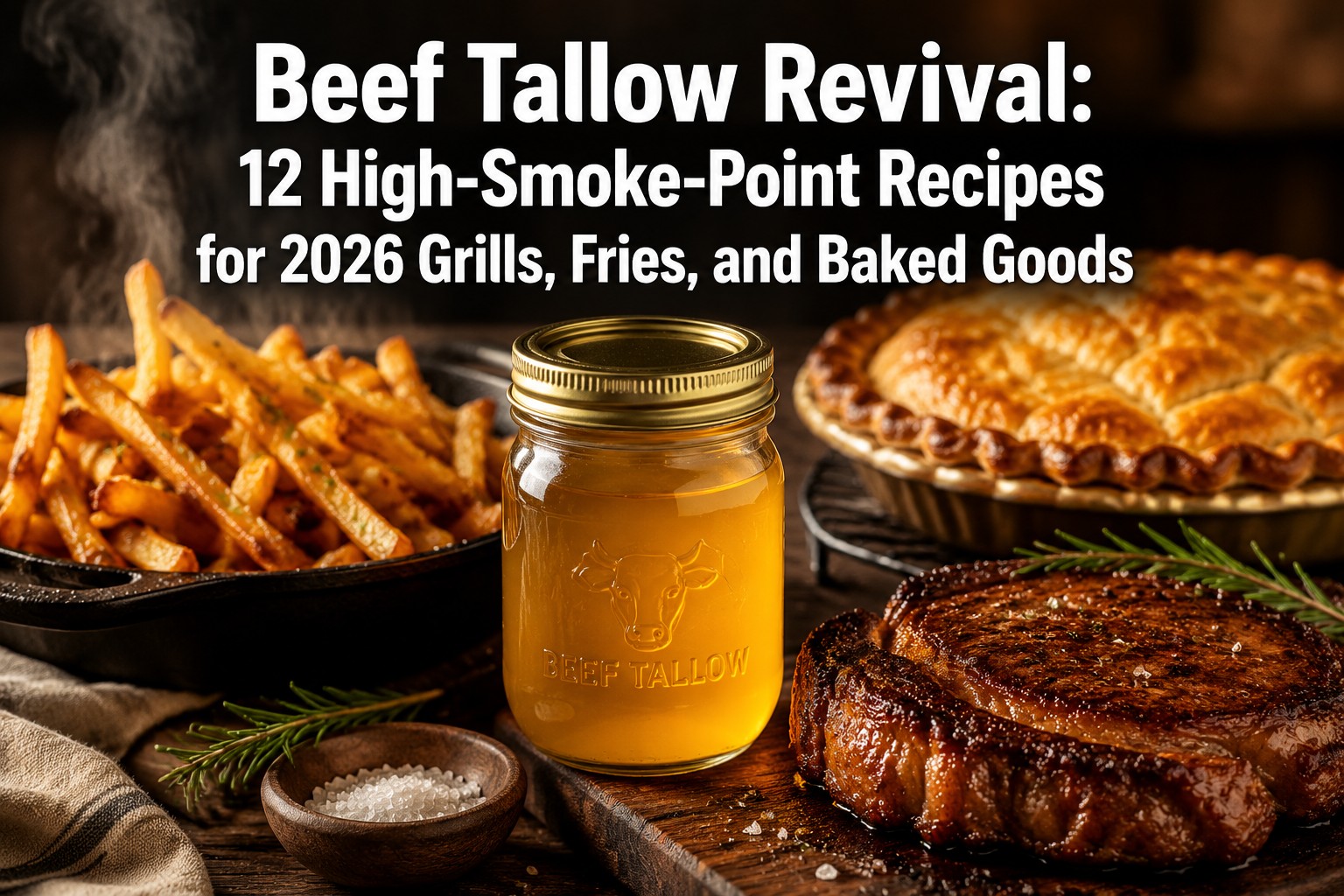
Beef Tallow Revival: 12 High-Smoke-Point Recipes for 2026 Grills, Fries, and Baked Goods
Last updated: May 11, 2026
Quick Answer
Beef tallow is making a major comeback in 2026 as a nutrient-dense cooking fat with a smoke point around 420°F, perfect for high-heat grilling, frying restaurant-quality french fries, and creating flaky pastries. Named a top food trend by Whole Foods Market’s Trends Council, tallow offers superior heat stability, rich flavor, and nose-to-tail sustainability that home cooks and chefs are rediscovering for everything from seared steaks to crispy roasted vegetables.
Key Takeaways
- Beef tallow has a smoke point of approximately 420°F, making it ideal for high-heat cooking methods like grilling, frying, and roasting without breaking down
- Whole Foods Market named beef tallow a top food trend for 2026, highlighting its resurgence in home kitchens and restaurants
- Tallow creates crispier fries and better crusts than most vegetable oils due to its heat stability and saturated fat content
- You can render tallow at home from grass-fed beef suet using a slow cooker for cost-effective, high-quality cooking fat
- Tallow works in both savory and sweet recipes, from seared meats and fried chicken to flaky pie crusts and pastries
- Brands like Epic Provisions and FOND are making grass-fed tallow widely available in stores for the 2026 revival
- Tallow adds moisture to ground meat dishes when mixed into hamburgers, meatballs, or shepherd’s pie
- The fat supports nose-to-tail cooking philosophy, reducing waste by using parts of the animal traditionally discarded
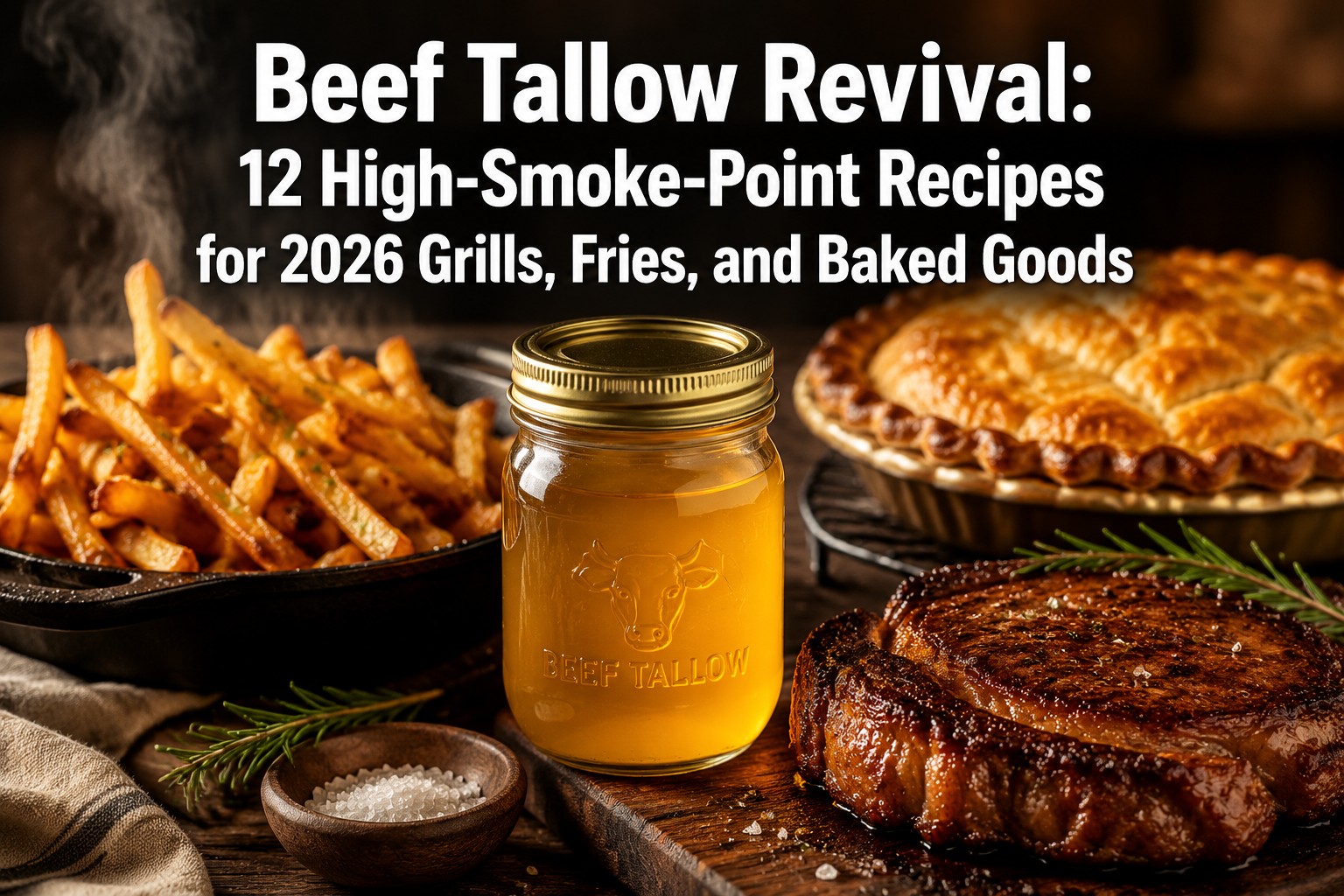
What Makes Beef Tallow Perfect for High-Heat Cooking in 2026?
Beef tallow excels at high-heat cooking because of its smoke point around 420°F, which means it remains stable when exposed to intense heat without breaking down into harmful compounds or producing excessive smoke [2][4]. This makes it superior to many vegetable oils for grilling, searing, and frying.
The high smoke point comes from tallow’s saturated fat composition, which resists oxidation better than polyunsaturated fats found in seed oils. When you’re searing a steak on a hot grill or frying chicken wings, tallow maintains its structure and doesn’t degrade, resulting in cleaner flavors and better texture.
Key benefits for high-heat cooking:
- Temperature stability: Withstands grill temperatures up to 420°F without smoking
- Flavor enhancement: Adds subtle, savory richness without overpowering other ingredients
- Crispy textures: Creates superior crusts on meats and vegetables
- Clean cooking: Produces less smoke and fewer off-flavors than unstable oils
Choose grass-fed tallow when possible, as it contains higher levels of omega-3 fatty acids and conjugate linoleic acid (CLA) compared to grain-fed versions. For grilling steaks or pork chops, preheat your grill and brush meat with melted tallow before placing it on the grates—this creates an immediate sear that locks in moisture.
Why Is Beef Tallow Trending Again in 2026?
Beef tallow is experiencing a major revival in 2026 because Whole Foods Market’s Trends Council named it a top food trend, spotlighting its high smoke point, rich flavor, and alignment with nose-to-tail sustainability practices [1]. Home cooks and restaurants are rediscovering what previous generations knew: tallow makes exceptional fries and enriches pastries better than modern alternatives.
The trend reflects broader consumer interest in traditional cooking fats and skepticism about highly processed seed oils. Tallow represents a return to ancestral cooking methods while supporting regenerative agriculture practices when sourced from grass-fed cattle.
Factors driving the 2026 revival:
- Nostalgia factor: Reminds people of McDonald’s original fries (cooked in tallow until 1990)
- Health consciousness: Perceived as more natural than industrial seed oils
- Sustainability: Uses the whole animal, reducing waste in beef production
- Restaurant adoption: High-end chefs showcasing tallow in French techniques and modern fusion dishes
- Brand availability: Companies like Epic Provisions, FOND, and Jesse & Ben’s making it accessible [1]
The revival isn’t just about cooking—tallow is appearing in non-food products too, with brands like Maggie Ann Soap Co. featuring tallow-based soaps in mainstream stores [1]. This signals a broader cultural shift toward traditional animal fats across multiple industries.
What Are the Best Grilling Recipes Using Beef Tallow?
The best grilling recipes with beef tallow include seared ribeye steaks, grilled pork chops, lamb chops, and brisket, all of which benefit from tallow’s ability to create a perfect crust while locking in moisture [3]. Brush melted tallow directly onto meat before grilling or use it to baste during cooking for enhanced flavor and browning.
Top grilling recipes for 2026:
1. Tallow-Seared Ribeye Steak
Brush room-temperature ribeye with melted grass-fed tallow, season with coarse salt and pepper, then grill over high heat (450-500°F) for 4-5 minutes per side for medium-rare. The tallow creates an exceptional crust while the high smoke point prevents burning.
2. Grilled Pork Chops with Tallow Baste
Coat thick-cut pork chops with tallow before grilling, then baste every 3-4 minutes with additional melted tallow mixed with fresh herbs. The fat keeps the lean meat moist and adds richness.
3. Lamb Chops with Rosemary Tallow
Melt tallow with fresh rosemary sprigs, then brush onto lamb chops before grilling. The combination enhances the natural gaminess of lamb without overwhelming it.
4. Tallow-Rubbed Brisket
For low-and-slow grilling, rub brisket with softened tallow mixed with spices before placing on indirect heat. The tallow helps form a flavorful bark while keeping the meat tender during long cooking times.
Common mistake: Don’t apply cold tallow directly from the refrigerator—it won’t coat evenly. Melt it first or bring to room temperature for proper application. For more grilling tips, check out our guide on how long to grill chicken thighs.
How Do You Make Restaurant-Quality Fries with Beef Tallow?
To make restaurant-quality fries with beef tallow, cut russet potatoes into uniform strips, soak them in cold water for 30 minutes to remove excess starch, pat completely dry, then fry twice in tallow heated to 325°F for the first fry and 375°F for the second fry [3][5]. This double-frying method creates crispy exteriors with fluffy interiors that rival the best restaurant fries.
Step-by-step tallow fries recipe:
- Prep potatoes: Cut 4 large russet potatoes into ¼-inch strips, keeping sizes uniform for even cooking
- Soak and dry: Soak strips in cold water for 30 minutes, drain, then pat completely dry with paper towels (moisture causes dangerous splattering)
- First fry (blanching): Heat 2-3 pounds of beef tallow in a heavy pot or deep fryer to 325°F, fry potatoes in batches for 5-6 minutes until tender but not browned, remove and drain
- Rest period: Let blanched fries rest at room temperature for at least 15 minutes (or refrigerate up to 2 hours)
- Second fry (crisping): Increase tallow temperature to 375°F, fry blanched potatoes again for 2-3 minutes until deep golden brown and crispy
- Season immediately: Remove fries, drain briefly, then season with coarse salt while still hot
Why tallow makes better fries: The high smoke point allows for proper frying temperatures without burning, while the saturated fat content creates superior crispiness compared to vegetable oils. Tallow also adds a subtle savory flavor that enhances the potato taste rather than masking it [5].
Choose tallow over vegetable oil if you want fries that stay crispy longer—the saturated fats solidify slightly as they cool, maintaining structure better than liquid oils.
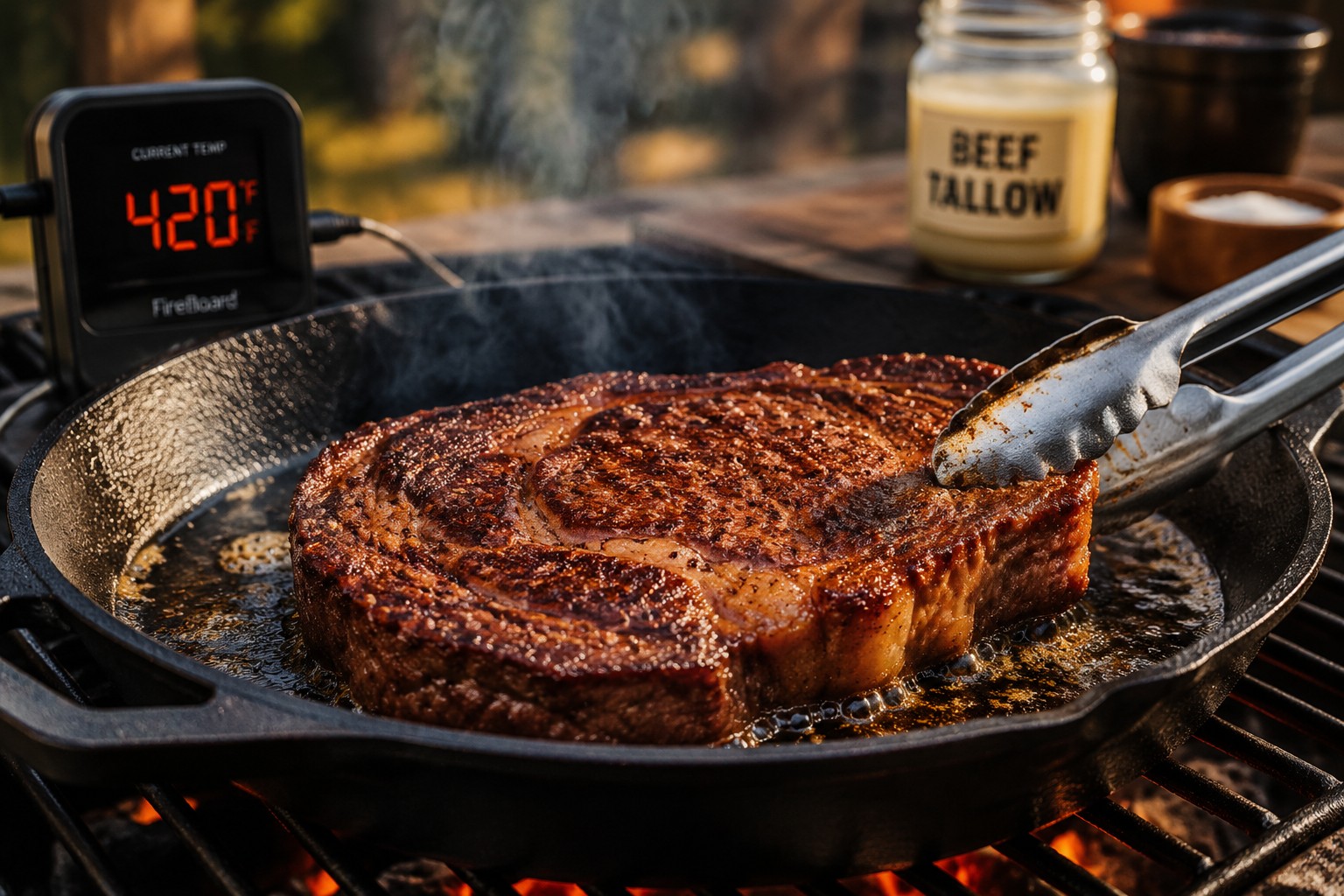
What Baked Goods Benefit Most from Beef Tallow?
Baked goods that benefit most from beef tallow include pie crusts, savory tarts, biscuits, and pastries where flakiness and rich flavor are desired [2][4]. Substitute tallow for half the butter in traditional recipes to achieve exceptional flakiness with a subtle richness that works in both sweet and savory applications.
Best baking recipes with tallow:
5. Flaky Pie Crust
Replace half the butter in your standard pie dough recipe with cold, grated beef tallow. The combination creates layers that separate beautifully during baking, producing a crust that’s both tender and crispy. Works for apple pies, chicken pot pies, and quiches.
6. Savory Tallow Biscuits
Cut cold tallow into flour, baking powder, and salt until the mixture resembles coarse crumbs, then add buttermilk to form dough. The tallow creates biscuits with crispy exteriors and tender, flaky layers inside—perfect for breakfast sandwiches or dinner sides.
7. Pâté en Croûte (French Meat Pie)
Traditional French recipes use tallow in the pastry crust surrounding seasoned ground meat. The tallow’s high smoke point allows the crust to bake at high temperatures without burning, while adding complementary savory notes [4].
8. Tallow Pastry for Empanadas
Mix tallow into empanada dough for a sturdier crust that holds fillings without becoming soggy. The fat’s stability during baking creates a golden, crispy exterior that stays intact.
Baking tip: Keep tallow cold when making pastry—freeze it for 15 minutes before grating or cutting into flour. Cold fat creates steam pockets during baking, which produce flaky layers. For more baking guidance, see our article on baking chicken covered or uncovered.
Which Vegetables Roast Best in Beef Tallow?
Root vegetables and cruciferous vegetables roast best in beef tallow, particularly potatoes, carrots, parsnips, turnips, and Brussels sprouts, because the high smoke point allows for proper caramelization while the fat adds depth of flavor [2][3]. Toss vegetables with melted tallow before roasting at 400-425°F for crispy exteriors and tender interiors.
Top vegetable roasting recipes:
9. Crispy Roasted Potatoes
Cube Yukon Gold or russet potatoes, toss with melted grass-fed beef tallow, fresh rosemary, and coarse salt, then roast at 425°F for 35-40 minutes, turning halfway through. The tallow creates golden, crispy edges while keeping interiors fluffy [2].
10. Pan-Seared Root Vegetables
Heat 1 tablespoon tallow in a cast-iron skillet until shimmering, then add thick slices of carrots, parsnips, and turnips. Sear over medium-high heat for 3-4 minutes per side until caramelized. The tallow’s stability prevents burning even during extended searing [2].
11. Tallow-Roasted Brussels Sprouts
Halve Brussels sprouts, toss with melted tallow, salt, and pepper, then roast at 400°F for 25-30 minutes until crispy and charred. The tallow enhances the natural nuttiness while creating crispy outer leaves [3].
Roasting technique: Don’t overcrowd the pan—vegetables need space for air circulation to crisp properly. Use about 1-2 tablespoons of tallow per pound of vegetables, and make sure the oven is fully preheated before roasting.
How Can You Use Beef Tallow in Fried Chicken and Wings?
Use beef tallow for fried chicken and wings by heating it to 350-375°F in a deep pot or fryer, then frying seasoned, breaded chicken pieces until golden brown and cooked through (internal temperature 165°F) [3]. The tallow’s high smoke point prevents burning during the extended frying time needed for chicken, while creating exceptionally crispy skin.
Tallow fried chicken method:
- Season chicken: Pat chicken pieces dry, season with salt, pepper, and spices (paprika, garlic powder, cayenne)
- Dredge or batter: Coat in seasoned flour, buttermilk, then flour again for classic Southern-style, or use your preferred batter
- Heat tallow: Melt 3-4 pounds of beef tallow in a heavy pot to 350°F (use a thermometer for accuracy)
- Fry in batches: Add chicken pieces without crowding, fry for 12-15 minutes for bone-in pieces, turning occasionally, until golden brown and internal temperature reaches 165°F
- Drain and rest: Remove to a wire rack over paper towels, let rest 5 minutes before serving
Why tallow works for chicken: The stable fat maintains consistent temperature even when cold chicken is added, ensuring even cooking. Unlike some oils that can impart off-flavors during long frying, tallow adds a clean, savory note that complements the chicken’s natural taste [3].
For chicken thigh recipes, check out our guide on the best way to fry chicken thighs.
What Global Fusion Recipes Work with Beef Tallow?
Global fusion recipes that work exceptionally well with beef tallow include tostones (fried plantains), duck confit, Korean-style fried chicken, and Indian-spiced roasted vegetables, where tallow’s neutral-savory profile complements bold international flavors [5]. The fat’s versatility allows it to enhance dishes from multiple culinary traditions without clashing with spices or seasonings.
Fusion recipes for 2026:
12. Tallow-Fried Tostones (Latin American)
Replace vegetable oil with beef tallow when making twice-fried plantains. Heat tallow to 350°F, fry green plantain slices for 2-3 minutes, flatten, then fry again until crispy. The tallow provides cleaner frying and enhanced flavor [5].
Additional fusion applications:
- French Confit: Use tallow instead of duck fat for slow-cooking duck legs or pork at low temperatures (200-250°F) for tender, flavorful meat [4]
- Korean Fried Chicken: Fry chicken in tallow, then toss with gochujang-based sauce—the crispy coating holds up better than with vegetable oil
- Indian Roasted Cauliflower: Toss cauliflower florets with melted tallow, turmeric, cumin, and garam masala before roasting at 425°F
- Japanese-Style Fried Fish: Use tallow for tempura-style fish frying, creating lighter, crispier coatings
Fusion tip: Tallow’s subtle beef flavor works best with robust spices and seasonings. Avoid pairing it with delicate fish or mild vegetables where the flavor might overpower. Choose it for dishes that can stand up to its richness.
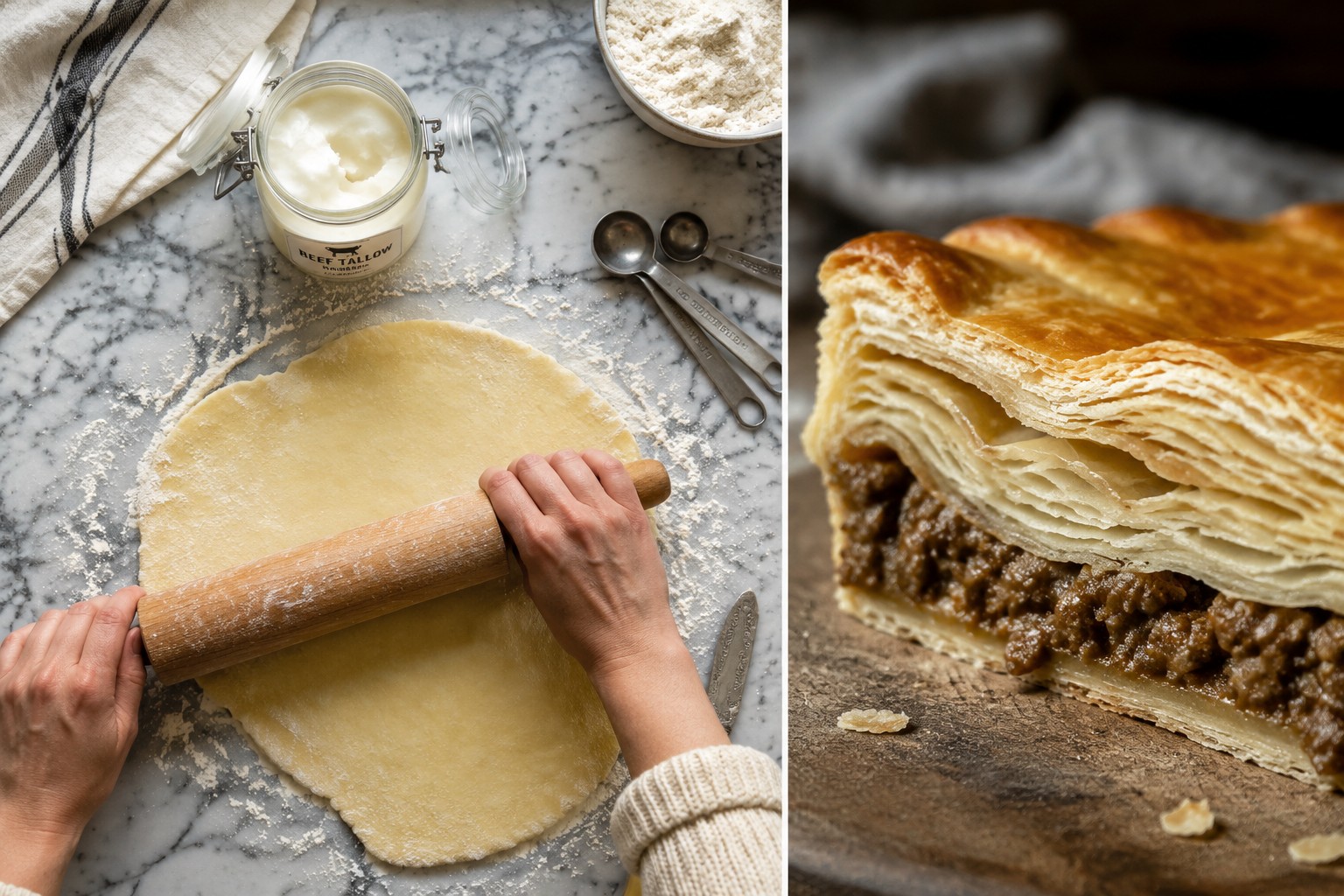
How Do You Render and Store Beef Tallow at Home?
To render beef tallow at home, cut grass-fed beef suet (kidney fat) into 1-inch cubes, place in a slow cooker on low heat for 6-8 hours until fat melts and solids turn golden, then strain through cheesecloth into glass jars and store in the refrigerator for up to 6 months or freezer for up to a year [4]. This method produces high-quality tallow at a fraction of store-bought prices.
Step-by-step rendering process:
- Source quality suet: Ask your butcher for grass-fed beef suet or kidney fat (often free or very cheap)
- Prep the fat: Remove any meat or membrane, cut into uniform 1-inch cubes for even rendering
- Slow cook: Place cubes in slow cooker on low heat, no water needed—the fat will melt on its own
- Monitor progress: After 4-5 hours, fat will be mostly liquid with golden solids (cracklings) floating
- Strain carefully: Pour through fine-mesh strainer lined with cheesecloth into clean, dry glass jars
- Cool and store: Let cool to room temperature, then cover and refrigerate (tallow will solidify and turn white)
Storage guidelines:
- Refrigerator: Lasts 6 months in airtight glass jars
- Freezer: Lasts up to 1 year in freezer-safe containers
- Pantry: Rendered tallow can stay at room temperature for several weeks if kept in a cool, dark place, but refrigeration is safer
Quality indicators: Properly rendered tallow should be creamy white when solid, clear golden when melted, and have a clean, mild beefy aroma. If it smells rancid or has dark specks, discard it.
Where Can You Buy Quality Beef Tallow in 2026?
You can buy quality beef tallow in 2026 from specialty brands like Epic Provisions, FOND Grass-Fed and Regenerative, and Jesse & Ben’s Tallow & Sea Salt, which are increasingly available in mainstream grocery stores, natural food markets, and online retailers [1]. Whole Foods Market and other health-focused stores are expanding their tallow selections due to the 2026 trend.
Where to find tallow:
- Whole Foods Market: Carries multiple grass-fed tallow brands in the cooking oils section
- Natural Grocers: Stocks Epic Provisions and other regenerative brands
- Online retailers: Amazon, Thrive Market, and brand websites offer direct shipping
- Local butchers: Often sell rendered tallow or raw suet for home rendering at lower prices
- Farmers markets: Grass-fed beef vendors frequently offer tallow from their own cattle
What to look for when buying:
- Grass-fed certification: Ensures higher omega-3 content and better flavor
- Regenerative practices: Brands like FOND support sustainable farming methods
- Minimal processing: Look for tallow with no additives or preservatives
- Packaging: Glass jars are preferable to plastic for long-term storage
Price expectations: Store-bought grass-fed tallow typically costs $8-15 per pound, while rendering your own from butcher suet costs $1-3 per pound. Choose store-bought for convenience, home rendering for economy and quality control.
Can You Mix Beef Tallow with Other Cooking Fats?
Yes, you can mix beef tallow with other cooking fats like butter, olive oil, or duck fat to balance flavor profiles, adjust smoke points, or create custom blends for specific recipes [2]. Combining tallow with butter in baking creates exceptional flakiness while maintaining butter’s flavor, and mixing it with olive oil for roasting adds complexity.
Effective fat combinations:
- Tallow + Butter (50/50): Best for pie crusts and pastries—combines tallow’s flakiness with butter’s flavor
- Tallow + Olive Oil (75/25): Good for roasting vegetables—tallow provides high-heat stability while olive oil adds fruity notes
- Tallow + Duck Fat (50/50): Excellent for confit or frying—creates rich, complex flavor for special occasions
- Tallow + Coconut Oil (60/40): Works for high-heat frying—both have high smoke points and complementary flavors
When to blend fats: Mix fats when you want tallow’s cooking properties but need to moderate its beef flavor, or when you want to extend expensive fats like duck fat with more economical tallow. For everyday cooking, pure tallow works fine, but blends offer creative flexibility.
Blending tip: Melt both fats together before using to ensure even distribution. Store blended fats in the refrigerator and use within the shelf life of the shortest-lasting component.
What Are Common Mistakes When Cooking with Beef Tallow?
Common mistakes when cooking with beef tallow include using it cold instead of melted for coating foods, overheating it beyond its smoke point (420°F), not accounting for its beef flavor in delicate dishes, and storing it improperly, which leads to rancidity. Understanding tallow’s properties prevents these errors and ensures better cooking results.
Mistakes to avoid:
Using cold tallow on meat: Cold tallow doesn’t coat evenly—always melt it first or bring to room temperature before brushing on steaks or vegetables
Exceeding smoke point: While tallow’s smoke point is high (420°F), going significantly above this creates smoke and off-flavors—monitor grill and fryer temperatures carefully
Wrong recipe applications: Don’t use tallow for delicate fish or mild vegetables where its beef flavor will overpower—save it for robust ingredients that can stand up to its richness
Improper storage: Leaving tallow at room temperature in warm kitchens or storing in plastic containers can lead to rancidity—always refrigerate in glass jars
Not drying food before frying: Adding wet food to hot tallow causes dangerous splattering—pat everything completely dry first
Overcrowding the pan: Too much food lowers tallow temperature, resulting in greasy, soggy results instead of crispy textures—fry in batches
Success tip: Start with small amounts of tallow in familiar recipes before fully substituting it for other fats. This helps you understand how it affects flavor and texture in your specific cooking style.
FAQ
Is beef tallow healthier than vegetable oil? Beef tallow contains more saturated fat than most vegetable oils but is more stable at high temperatures, producing fewer oxidation byproducts when heated. Grass-fed tallow also provides omega-3 fatty acids and CLA. Choose tallow for high-heat cooking where oil stability matters most.
Can I use beef tallow for everyday cooking? Yes, beef tallow works for everyday cooking including frying eggs, sautéing vegetables, and cooking ground meat. Its subtle beef flavor complements most savory dishes, though you may prefer butter or olive oil for foods where you want neutral or specific flavors.
Does beef tallow need to be refrigerated? Rendered beef tallow should be refrigerated for long-term storage (up to 6 months) or frozen (up to 1 year), though it can stay at room temperature for several weeks in cool, dark conditions. Refrigeration prevents rancidity and extends shelf life significantly.
What’s the difference between tallow and lard? Tallow comes from beef or lamb fat and has a smoke point around 420°F with a subtle beef flavor, while lard comes from pork fat with a smoke point around 370°F and milder taste. Both work for frying and baking, but tallow handles higher heat better.
Can vegetarians or vegans use beef tallow? No, beef tallow is an animal product and not suitable for vegetarian or vegan diets. Plant-based alternatives with high smoke points include refined coconut oil (450°F) or avocado oil (520°F), though they won’t replicate tallow’s exact flavor.
How much beef tallow should I use for frying? Use enough tallow to submerge food by at least 2 inches—typically 2-4 pounds for a standard pot or deep fryer. The large volume helps maintain consistent temperature when cold food is added, ensuring even cooking and crispy results.
Will beef tallow make my food taste like beef? Beef tallow adds a subtle, savory richness rather than strong beef flavor. In fried foods and baked goods, most people notice improved texture and mild enhancement rather than obvious beef taste. Grass-fed tallow has a cleaner, less pronounced flavor than grain-fed.
Can I reuse beef tallow after frying? Yes, strain cooled tallow through cheesecloth to remove food particles, then store in a clean jar in the refrigerator. Reuse tallow 3-4 times for similar foods (don’t mix fish and chicken frying), discarding it when it darkens significantly or develops off-odors.
Is beef tallow good for weight loss? Beef tallow is calorie-dense (about 115 calories per tablespoon) like all fats, so portion control matters for weight management. However, its satiating properties may help reduce overall food intake, and it doesn’t spike blood sugar like carbohydrates do.
Where do I find grass-fed beef suet for rendering? Ask local butchers, especially those who process whole animals—many give away or sell suet cheaply since few customers request it. Farmers market beef vendors and ranchers who sell directly to consumers are also good sources for grass-fed suet.
Can I use beef tallow in an air fryer? Yes, brush melted tallow on foods before air frying to improve browning and flavor. Don’t pour liquid tallow into the air fryer basket, as it may smoke or drip onto heating elements. A light coating on food surfaces works best.
Does beef tallow go bad? Yes, beef tallow can become rancid if stored improperly or kept too long. Signs of spoilage include sour or off-putting smell, discoloration, or mold growth. Properly stored refrigerated tallow lasts 6 months, frozen tallow lasts up to a year.
Conclusion
The beef tallow revival in 2026 represents more than just a cooking trend—it’s a return to time-tested methods that produce superior results in grilling, frying, and baking. With its impressive 420°F smoke point, tallow delivers crispy fries, perfectly seared steaks, and flaky pastries that rival restaurant quality, all while supporting nose-to-tail sustainability practices.
Take action now:
- Start simple: Try tallow for your next batch of french fries or roasted potatoes to experience the difference in texture and flavor
- Source quality fat: Look for grass-fed tallow from brands like Epic Provisions or FOND at Whole Foods and natural grocers, or ask your local butcher for suet to render at home
- Experiment with recipes: Begin with the 12 recipes covered here, from grilled ribeye and fried chicken to flaky pie crusts and fusion dishes like tostones
- Render your own: Save money and control quality by rendering tallow from grass-fed suet using the slow cooker method—it’s easier than you think
- Store properly: Keep rendered tallow in glass jars in the refrigerator for up to 6 months to maintain freshness
Whether you’re grilling steaks, frying chicken wings, or baking savory tarts, beef tallow’s versatility and performance make it an essential addition to your 2026 kitchen. The combination of high-heat stability, rich flavor, and traditional appeal explains why this ancestral fat is reclaiming its place in modern cooking.
For more cooking techniques and recipe ideas, explore our guides on the best way to marinate chicken thighs and how to get crispy chicken in the oven.
References
[1] Beef Tallow Food Trend 2026 – https://parade.com/food/beef-tallow-food-trend-2026
[2] Creative Family Projects Using Grass Fed Beef Tallow – https://momeefriendsli.com/2026/02/25/creative-family-projects-using-grass-fed-beef-tallow/
[3] Beef Tallow Back To Basics With Beef Fat – https://plumcreekwagyubeef.com/blogs/news/beef-tallow-back-to-basics-with-beef-fat
[4] The Revival Of Grass Fed Beef Tallow In French Cooking – https://healthstartsinthekitchen.com/the-revival-of-grass-fed-beef-tallow-in-french-cooking/
[5] Beef Tallow Cooking Fat – https://kelvinskitchen.com/recipe/beef-tallow-cooking-fat/


