
Why Is Chicken Breast Tough and Chewy? Causes and Fixes
Why is chicken breast tough and chewy? In most cases, you cooked it too long, too hot, or not evenly enough.
Sometimes the meat itself starts out with a poor texture, so even careful cooking cannot fully fix it.
If your chicken breast turns chewy or rubbery, moisture loss, uneven cooking, or the meat quality usually cause the problem. You can avoid most cases with the right temperature control.
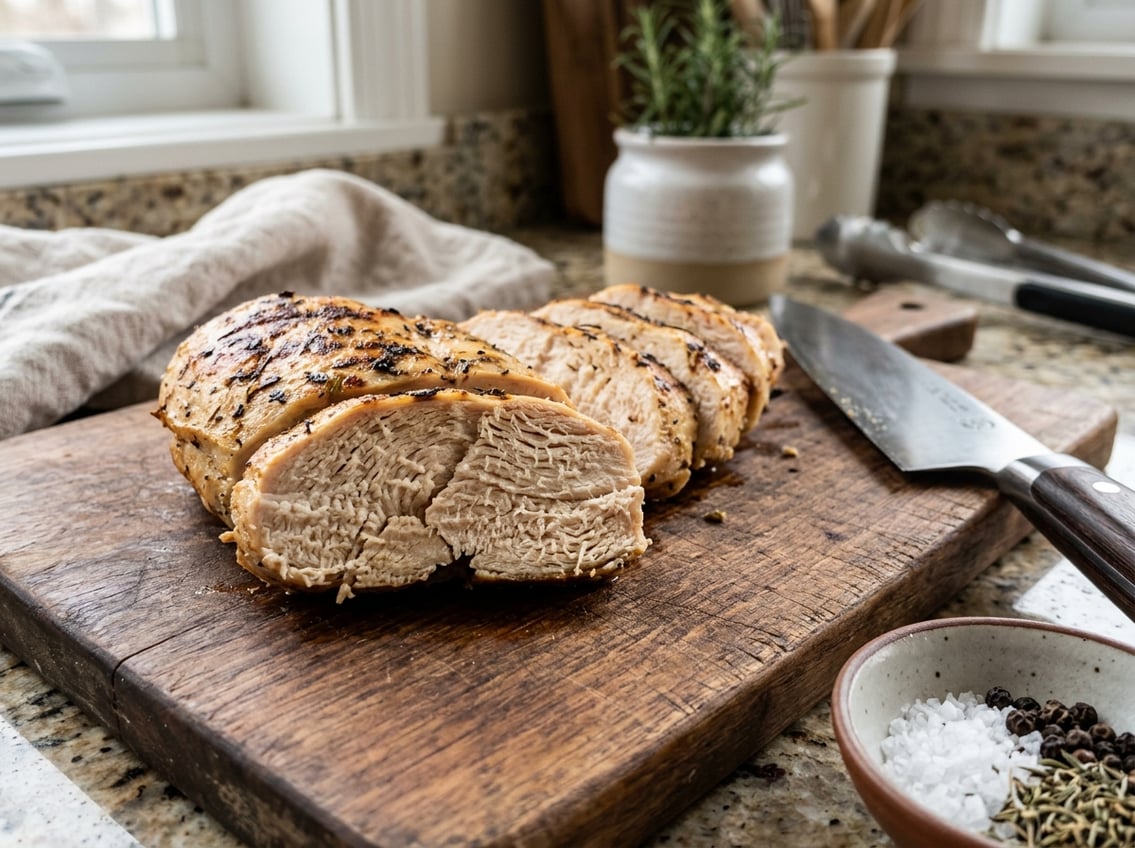
A good chicken breast should be firm, moist, and easy to bite through. When it becomes tough or rubbery, the muscle fibers have usually tightened too much and pushed out juice.
You can often tell what went wrong by how the meat looks, feels, and tastes. Once you know the cause, it becomes easier to fix chewy chicken and prevent it next time.
How to Tell What Went Wrong
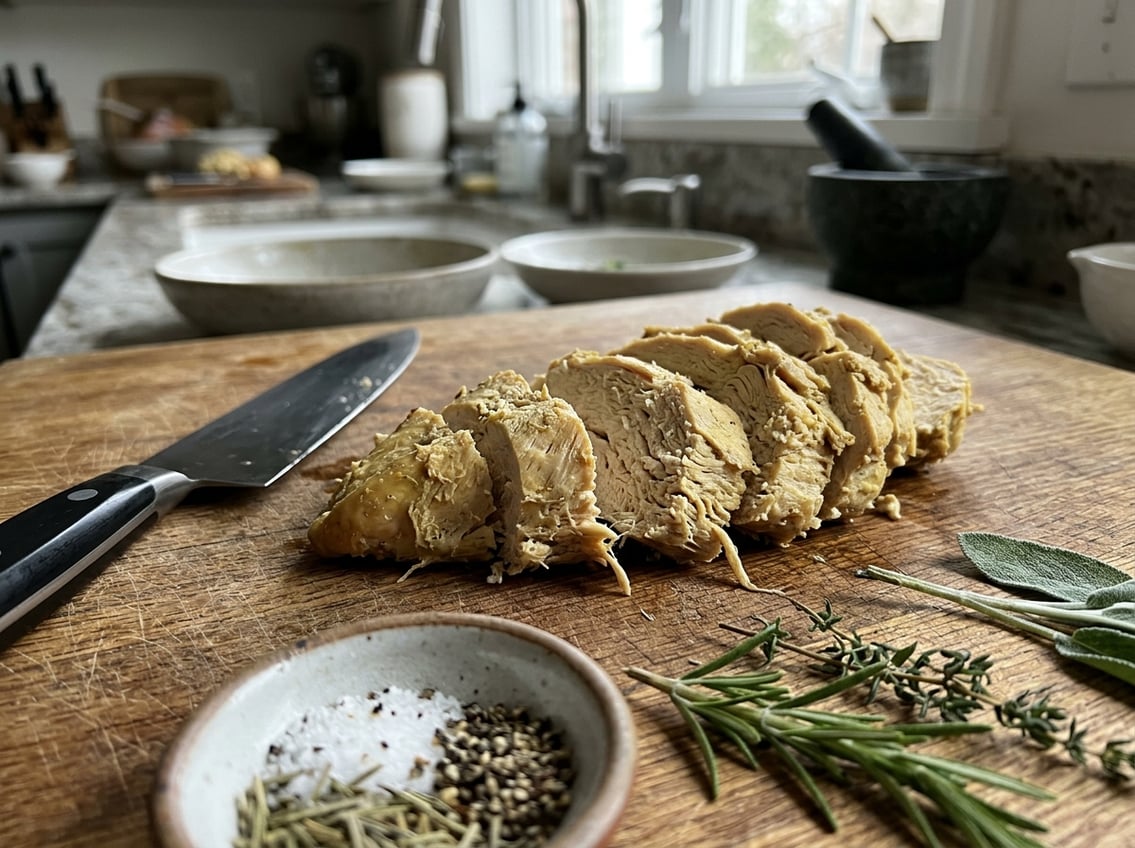
The texture gives you the first clues. Overcooked chicken, undercooked chicken, and meat-quality issues each leave different signs.
A meat thermometer quickly confirms what happened.
Signs of Overcooked Chicken
Overcooked chicken breast usually looks dry, shriveled, or stringy. The slices may seem smaller than expected, and the bite can feel chalky or fibrous.
The surface may also look pale and dry instead of moist and juicy. If the meat crumbles or resists when you chew, heat likely went too far.
Signs of Undercooked Chicken
Undercooked chicken can feel slippery, soft, or rubbery in the middle. The outside may look done while the center stays pale or slightly translucent.
Use a meat thermometer and measure the thickest part to check safely. Chicken should reach a safe internal temperature of 165°F, as noted in Cook Answers.
When the Problem Is the Meat Itself
Sometimes the issue is not your method. Conditions such as woody breast and white striping can create a dense, firm, or stringy bite even when you cook the chicken correctly, as described in Tatnuck Meat and Sea’s guide to tough chicken breast.
If every batch turns chewy despite careful cooking, the cut may be the cause. Try a different brand or source for better results.
The Most Common Causes of a Bad Texture
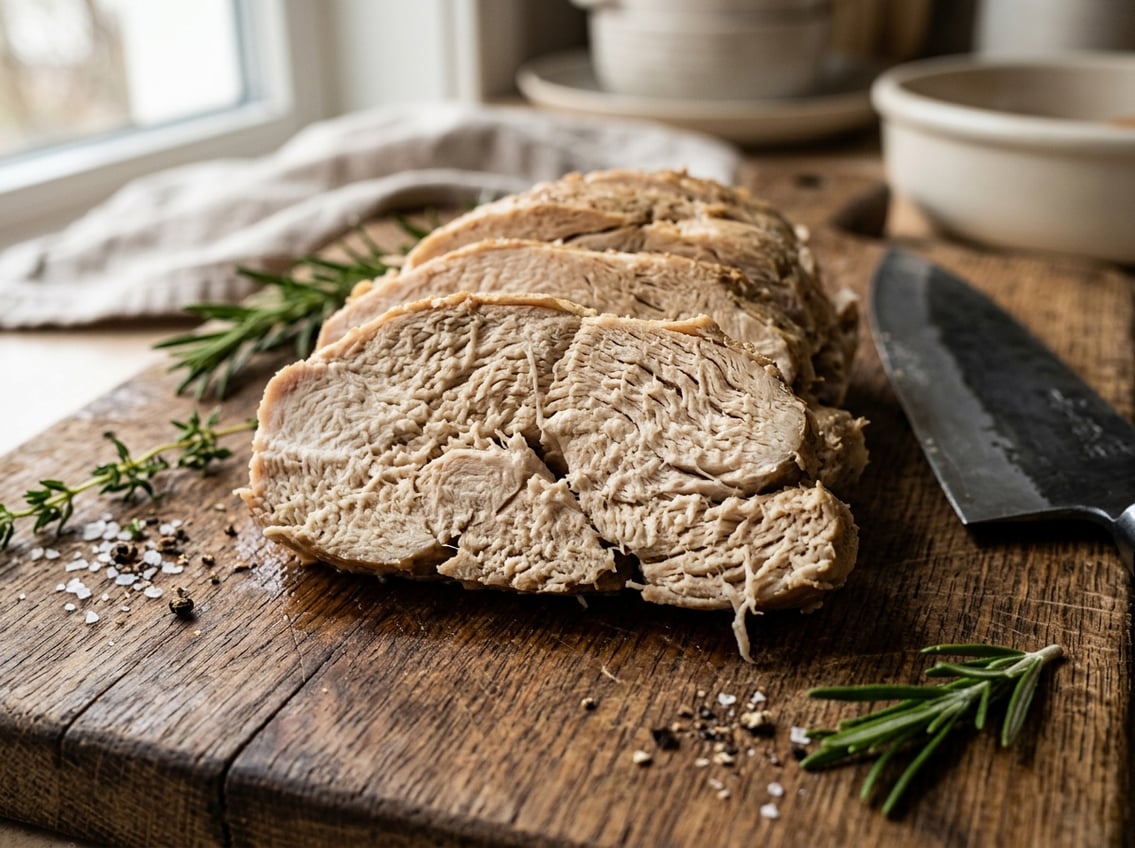
Most texture problems come from how you cook chicken breast, not from bad luck. Heat, thickness, storage, and resting all affect whether you get juicy or dry, chewy chicken breast.
Moisture Loss From Overcooking
Overcooking chicken pulls moisture out of the meat. As the proteins tighten, they squeeze out juices, which leaves the breast dry and firm.
Even a small extra stretch of time can change the result a lot.
High Heat and Uneven Thickness
High heat can brown the outside before the center cooks through. That often leads to dry edges and a rubbery middle.
To cook chicken breast more evenly, pound it to a more even thickness before cooking. You can also slice thicker pieces into cutlets so they finish at the same rate.
Storage, Handling, and Resting Mistakes
Poor storage can affect texture before cooking starts. Chicken that sits too long, dries out, or gets handled roughly may not cook as well.
Resting matters too. If you cut into the meat right away, juices run out before they settle back into the fibers.
A short rest helps keep the chicken moist and easier to chew.
How to Fix It After Cooking
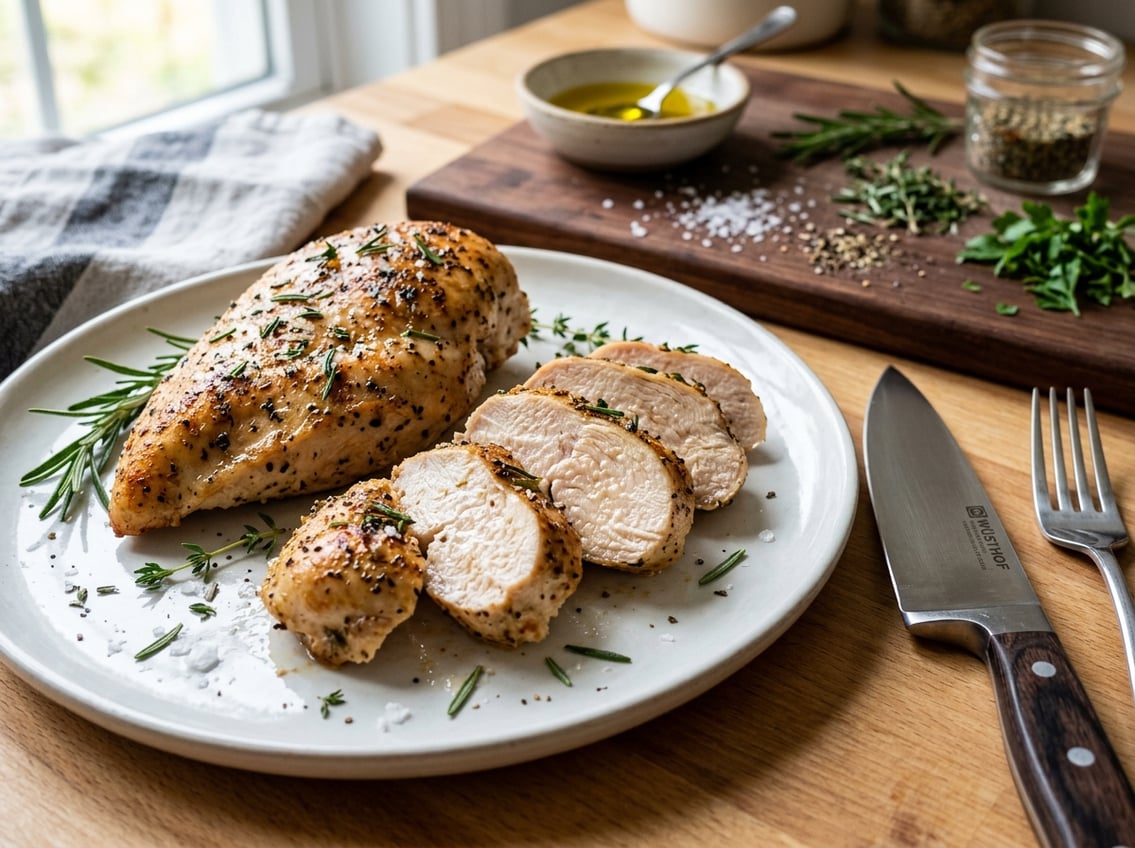
You may not be able to make chewy chicken perfect after the fact, but you can often improve it enough to serve. The best fix depends on whether the chicken is slightly undercooked, dry, or simply too tough to eat plain.
What to Do if It Is Slightly Undercooked
If the center is still undercooked, return the chicken to low or medium heat and finish it gently. Check often with a meat thermometer so you do not overshoot the safe internal temperature.
Keep the heat moderate. Fast, high heat can turn a small mistake into rubbery or dry chicken.
How to Make Dry Meat Easier to Eat
Slice the meat thinly across the grain. That shortens the muscle fibers and makes each bite easier to chew.
You can also add sauce, broth, or pan juices. A little moisture makes a big difference when you need to fix chewy or tough chicken.
Best Ways to Repurpose Tough Pieces
If the texture is still not pleasant as a plain breast, repurpose it. Chicken salad works well because dressing adds moisture and softens the bite.
You can also shred the meat for tacos, soup, casseroles, sandwiches, or wraps. These dishes hide small texture flaws better than serving the chicken whole.
How to Keep It Tender Next Time
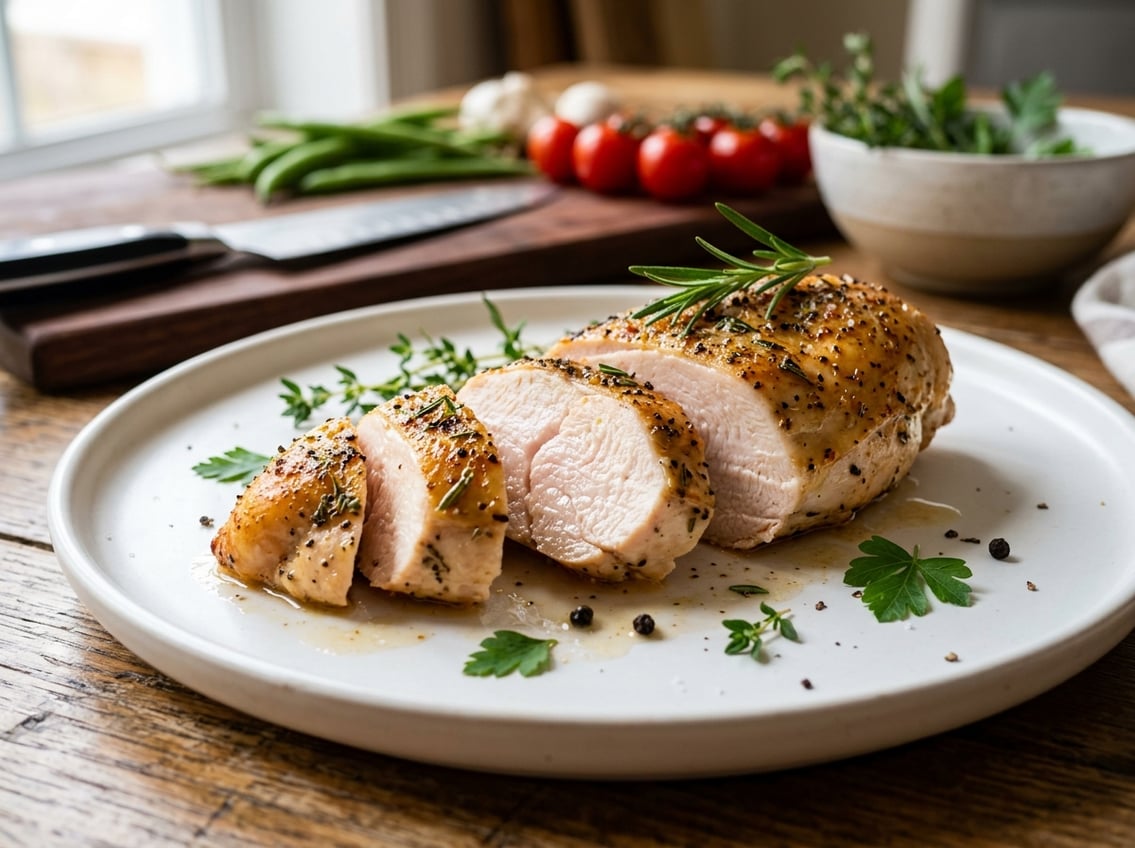
The best way to prevent chewy chicken is to control temperature and shape before cooking. You can get much better results with a thermometer, even thickness, and gentle cooking methods.
Cook to Temperature, Not Time
Use a meat thermometer every time you cook chicken breast. Time alone is not reliable because thickness, starting temperature, and heat level all change the cook time.
Pull the chicken when the thickest part reaches 165°F. That gives you the best chance at juicy chicken instead of dry, tough breast.
Prep Methods That Improve Tenderness
Pound chicken breast to even out the thickness. You can do this between sheets of plastic or parchment so it cooks at the same pace.
A short brine or marinade can help too. Salt helps the meat hold moisture, which can improve the final bite.
Better Cooking Methods for Lean Cuts
Use gentle heat for lean cuts. Baking, poaching, simmering, sous vide, and careful pan cooking help keep chicken breast tender.
A meat thermometer, even thickness, and controlled heat reduce chewiness. Cooking chicken breast with less heat stress improves texture and prevents dry spots.


