
What to Do When Chicken Breast Is Dry: Quick Fixes
If your chicken breast is dry, stop the heat, add a little moisture, and change how you serve it. You can often rescue dry chicken breast quickly if you act while it is still warm and use broth, sauce, or a different texture.
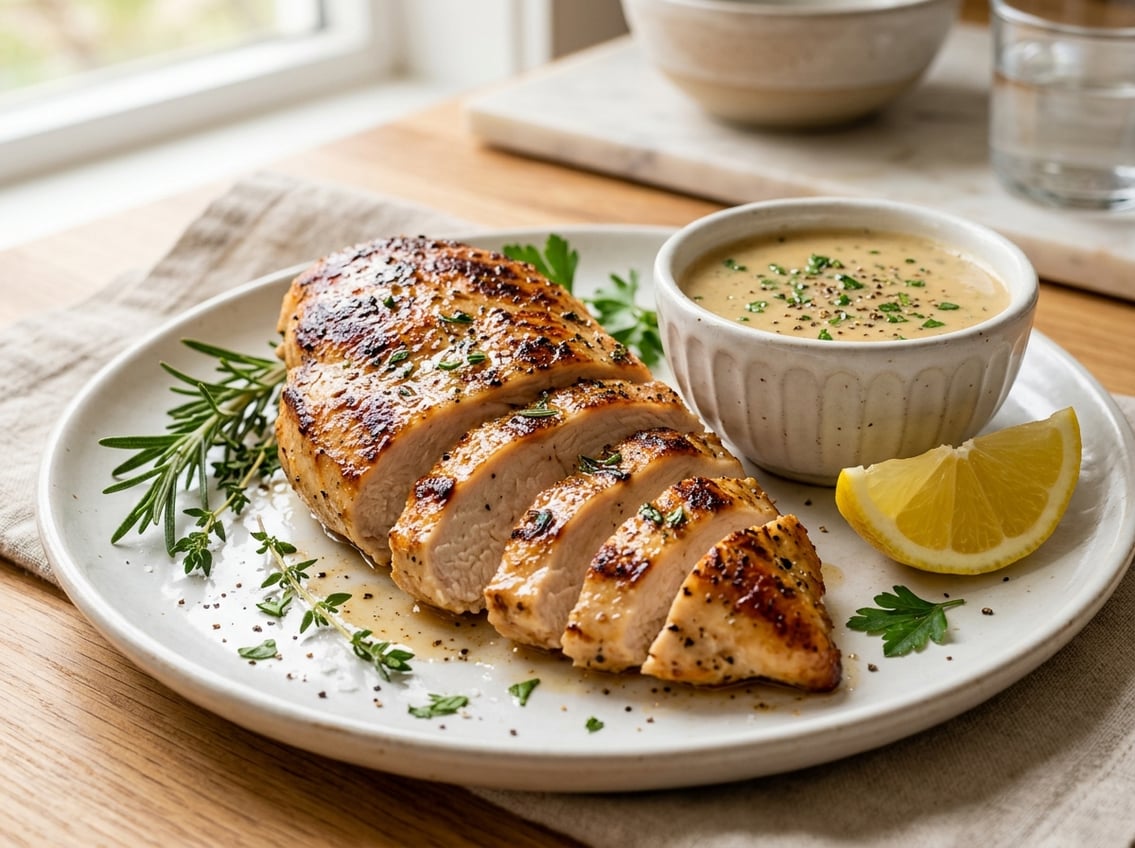
Chicken breasts dry out fast because they have little fat and can overcook easily. You can still make the meal work if you use residual heat and add moisture in a smart way.
If you need to revive dry chicken breast, you have two main options. You can soften the meat right away, or you can turn it into a dish where the texture matters less.
Fix It Right Away
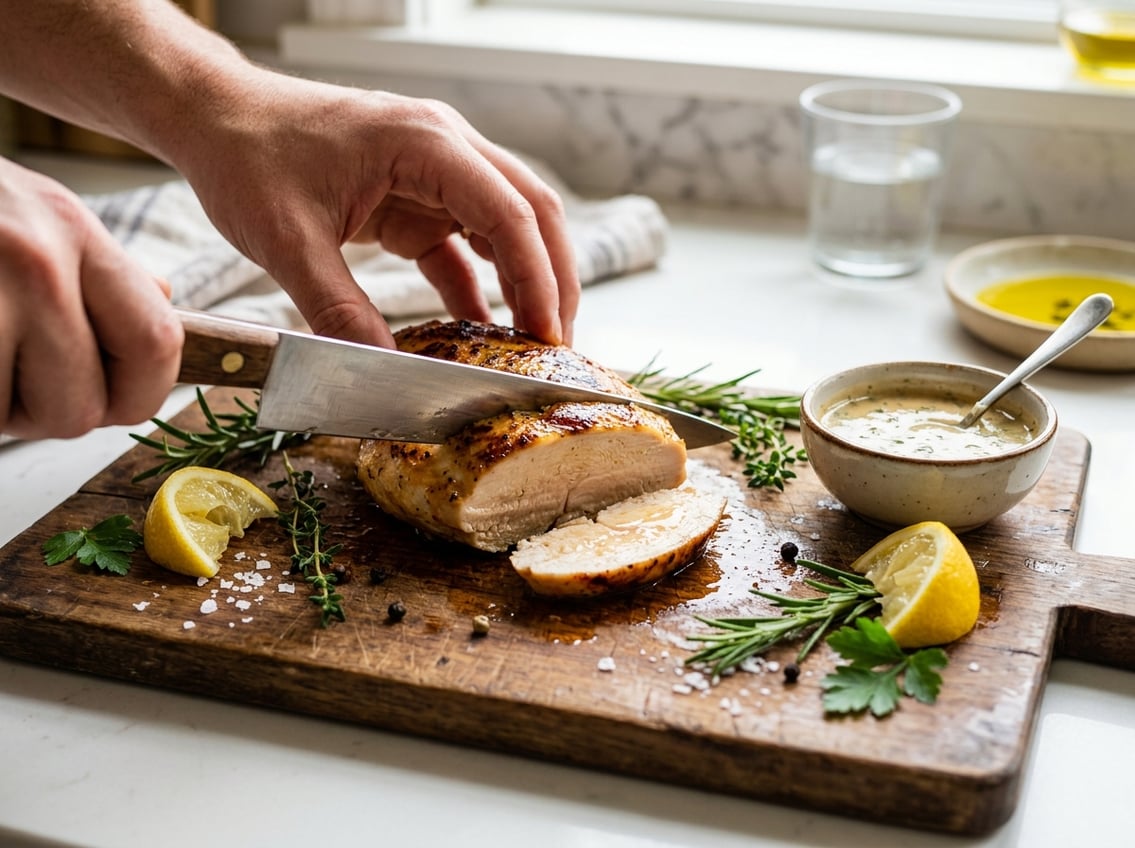
When chicken is still warm, you have the best chance to rescue it without making it worse. Try to keep the meat from losing more moisture while you add a little back in.
Let It Rest Before Cutting
Let the chicken rest for a few minutes so the residual heat can move through the meat and the juices can settle. If you cut immediately, more moisture escapes onto the board.
Add Moisture While It Is Still Warm
Warm chicken absorbs added moisture better than cold chicken. Brush it with broth, pan juices, or a little melted butter, then cover it loosely so the steam stays near the meat.
A light spoonful of sauce can help too. This works best when the chicken is still hot enough to release a little steam.
Slice or Shred to Improve Texture
Thin slices often feel less tough than a whole piece. Cutting across the grain shortens the muscle fibers and makes each bite easier to chew.
Shredding breaks the chicken into smaller pieces that mix better with sauce and are easier to use in salads, sandwiches, and bowls.
Best Ways to Add Moisture Back In
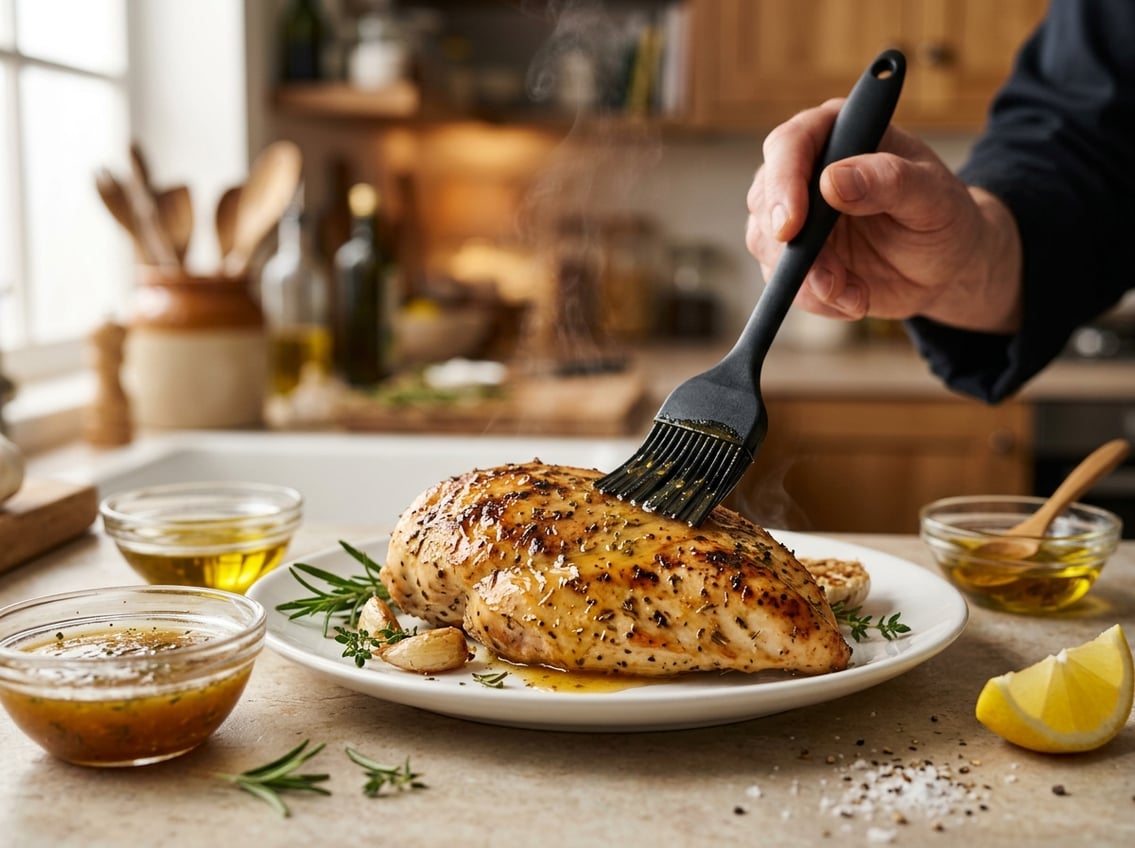
Use gentle heat and enough liquid to soften the surface without cooking the chicken again. Strong heat will make dry chicken breasts even tougher, so keep the method mild.
Broth, sauce, and steam work best. Gentle reheating and moist heat can help bring back a more tender texture.
Gently Reheat With Broth or Stock
Place the chicken in a pan with a few spoonfuls of broth or stock. Cover it and warm it over low heat just until it is heated through.
Do not boil it. You want enough liquid to coat the meat and keep it from drying out further.
Simmer in Sauce, Gravy, or Creamy Mixtures
A creamy sauce, gravy, or tomato-based sauce can coat the meat and add moisture fast. If the chicken is already sliced or shredded, it will absorb flavor even better.
Let it sit in the warm sauce for a few minutes before serving so the texture softens a bit.
Use Steam or Low Oven Heat
Steam works well for gentle reheating. Put the chicken in a covered pan or steamer setup for a short time, just until it feels warmer and more flexible.
A low oven can work too if you keep the chicken covered. Add a small amount of broth to the pan so the meat stays moist while it warms.
Turn It Into a Dish That Works Better
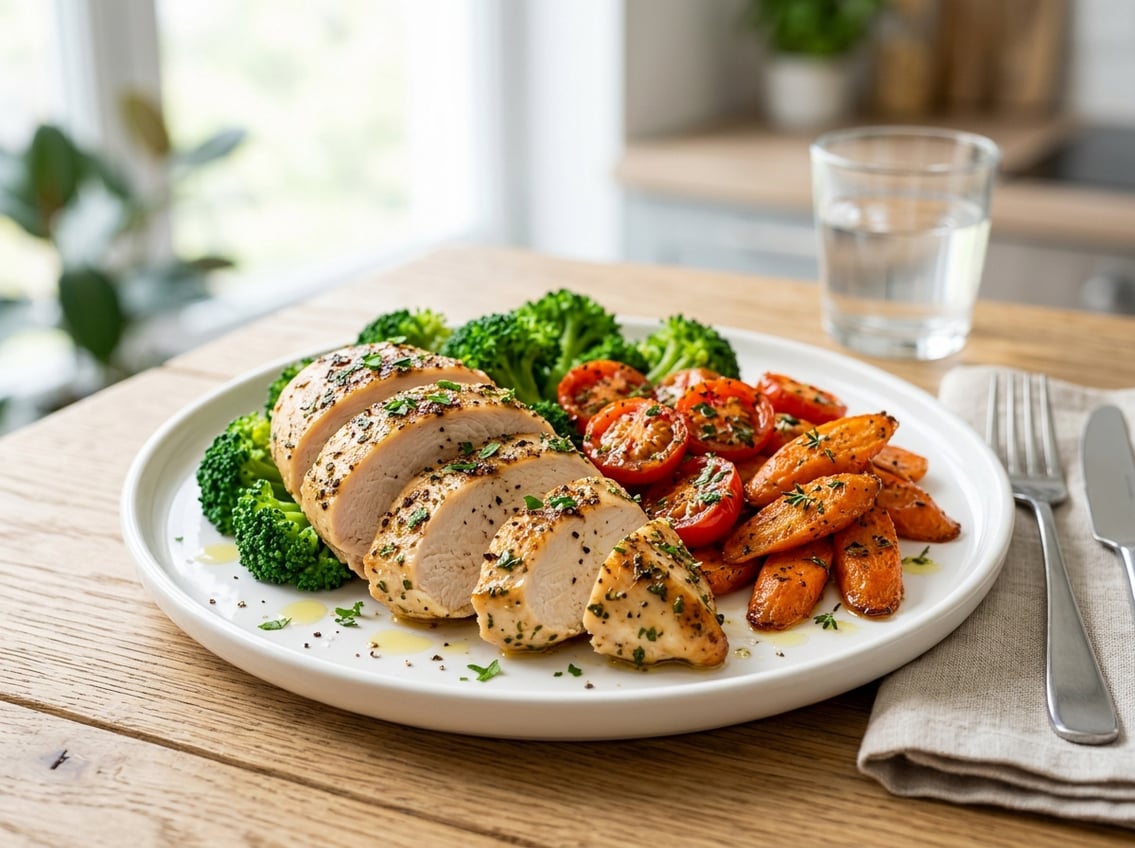
Sometimes it is best to stop trying to serve dry chicken breast as a plain main dish. Once you mix it into something with dressing, sauce, or broth, the dryness matters much less.
These options work well when you want a fast meal and do not want to throw the chicken away.
Mix Into Chicken Salad or Sandwich Fillings
Shredded chicken makes a good base for chicken salad. Mayo, yogurt, celery, pickles, or herbs can add moisture and flavor right away.
You can also use it for sandwiches or wraps. Add enough spread or dressing so each bite stays soft.
Add to Soups, Stews, and Rice Bowls
Soup and stew help fix dry chicken breasts. The liquid improves the texture, and the other ingredients add flavor.
Rice bowls work well too. Add broth, sauce, vegetables, and a grain so the chicken becomes part of a fuller dish.
Use in Pasta, Tacos, Quesadillas, or Casseroles
These meals hide dryness well because the chicken is only one part of the dish. Pasta sauce, taco toppings, melted cheese, and casserole sauce all help soften the texture.
For more ideas, see leftover chicken breast recipe ideas and quick meals using leftover cooked chicken breast.
Cook Future Batches More Reliably

The easiest way to avoid dry chicken is to control heat before the problem starts. Small changes, like checking the internal temperature and shaping the meat evenly, make a big difference.
If you want to prevent chicken breast from drying out, focus on timing, carryover cooking, and preparation.
Use a Meat Thermometer and Watch Internal Temperature
A meat thermometer gives you a reliable way to check doneness. Check the thickest part and stop cooking when the internal temperature reaches the safe target.
This helps you avoid guessing. Precise temperature control is key.
Pull Early and Account for Carryover Cooking
Chicken keeps cooking after you remove it from the heat. That residual heat, called carryover cooking, can raise the temperature a little more while the meat rests.
Pull the chicken a bit early and let it rest before cutting so the juices stay inside the chicken breast.
Try Dry Brining and Even Thickness for Better Results
Dry brining helps chicken hold moisture and season more evenly. Salt the chicken ahead of time and let it rest before cooking so the meat seasons through.
Even thickness matters. Pound thick parts so the whole breast cooks at the same rate. This helps you avoid dry chicken and get a juicier result.


