
Is It Normal for Chicken Breast to Smell? Safety Signs
Is it normal for chicken breast to smell? Sometimes, yes, but only a mild raw poultry aroma is acceptable.
A strong sour, ammonia-like, rotten, or pungent odor is not normal and warns that the meat may be spoiled.
If your chicken breast has a noticeable bad odor, texture changes, or slime, do not treat it as safe just because it still looks pink. Smell is only one part of the check, and it works best when you combine it with color, texture, packaging, and storage time.
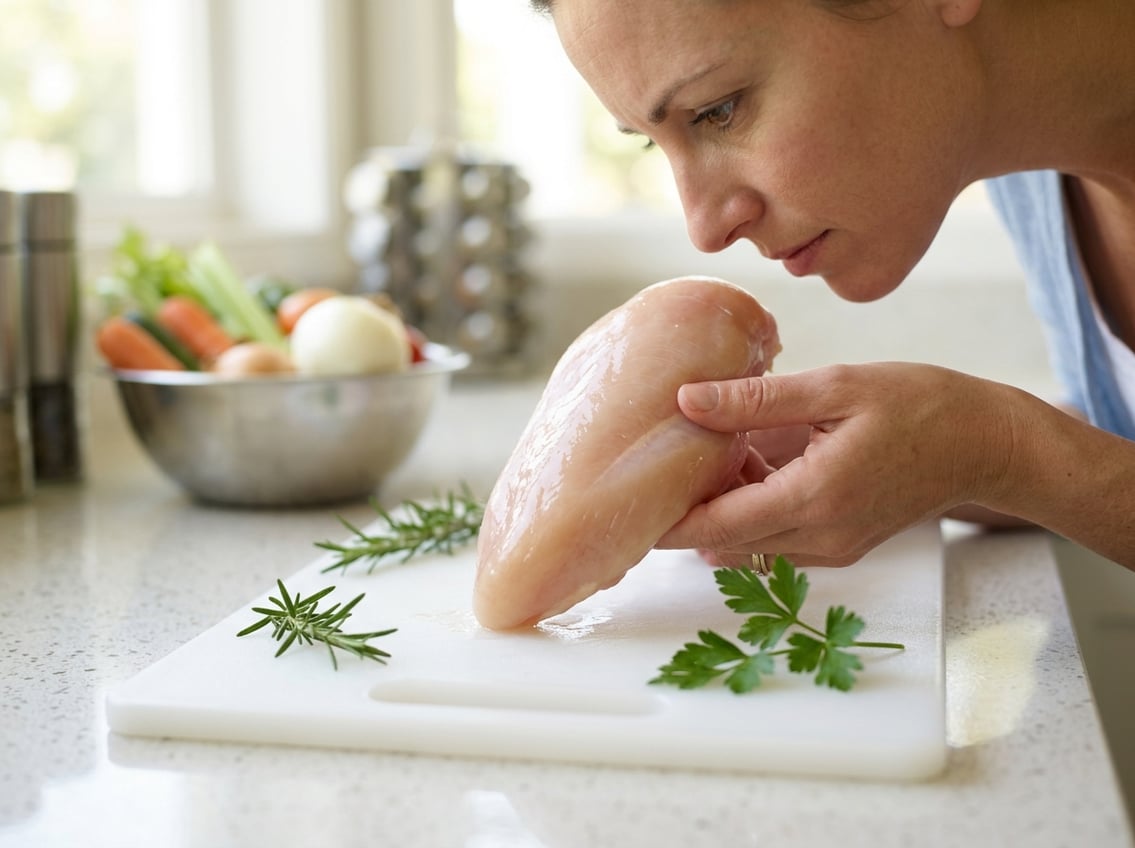
Fresh poultry does not smell like nothing at all. Some chicken smells are mild and brief after you open the package.
Others are clear signs of spoiled chicken. The key is learning the difference before you cook it.
What a Normal Smell Is and When It Is Not
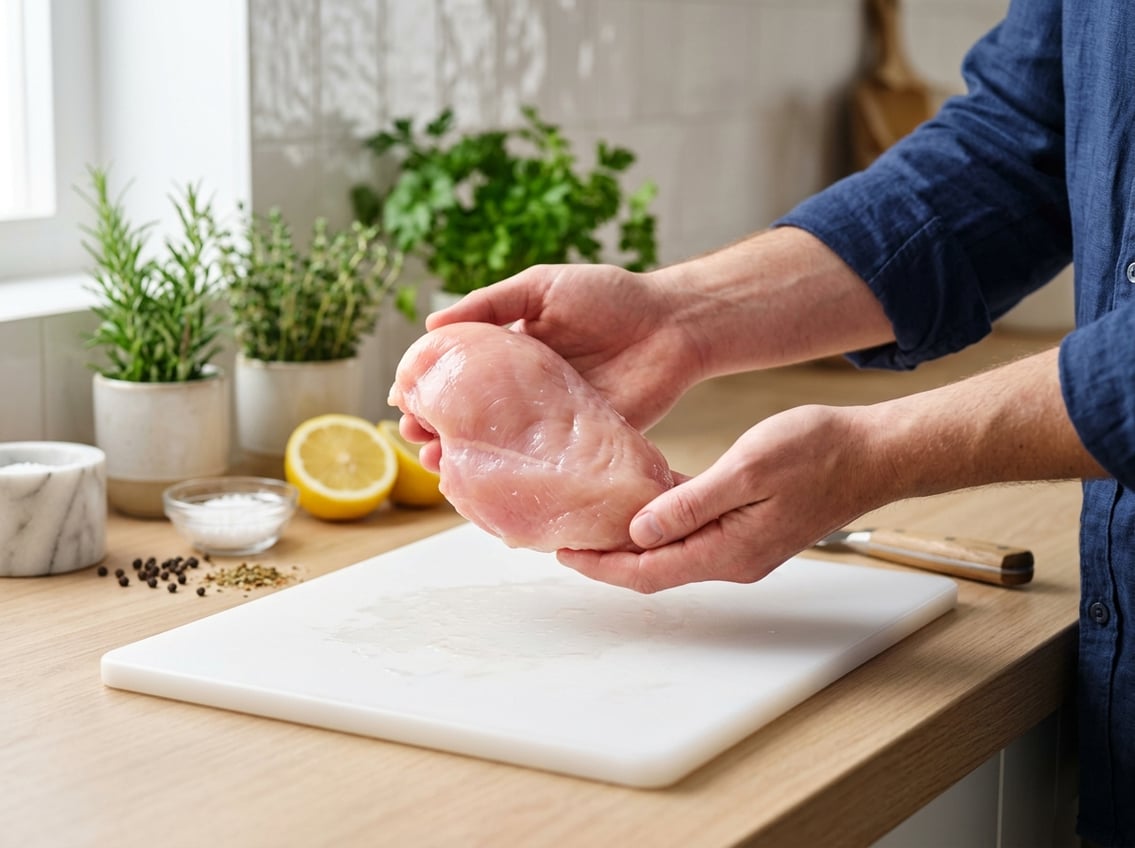
Fresh chicken breast can have a very light, clean smell, or almost no odor at all. A brief “raw meat” smell right after opening the package can be normal, especially if the chicken was vacuum sealed.
Once the smell turns sour, sharp, or rotten, you should stop treating it as a normal chicken odor.
That is where spoiled chicken becomes a real food safety concern.
What Fresh Chicken Breast Should Smell Like
Fresh chicken usually has a mild, slightly gamey smell. It should not sting your nose, and it should not smell like ammonia or decay.
If the chicken smells clean and the package has just been opened, that is usually acceptable.
When a Slight Odor Can Be Harmless
A slight odor can come from packaging, especially if the chicken was sealed tightly with little air inside. Vacuum-sealed chicken may smell a little stronger at first, then the smell should fade after a few minutes in open air.
A brief odor can also come from normal natural compounds in the meat.
Bad Smells That Point to Spoilage
A sour, pungent, rotten, or ammonia-like smell is not normal. If the chicken smells clearly unpleasant, treat it as spoiled chicken and throw it out.
Trust your nose if the smell gets stronger after you open the package. A bad chicken smell is one of the clearest spoilage signs, especially when it appears with slime or color changes.
How to Tell if Chicken Should Be Thrown Out
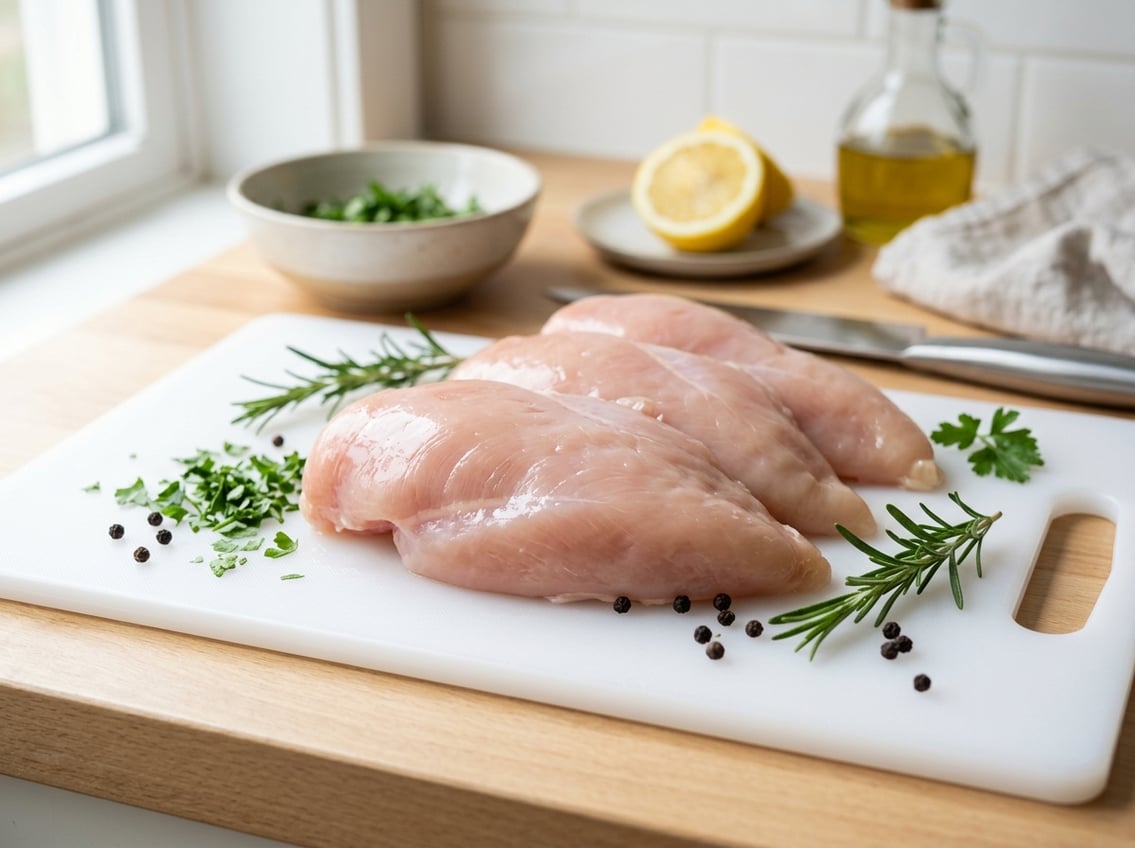
A bad smell alone can be enough to discard chicken, especially when it is strong or persistent.
Texture, color, and package condition help you make the call when the smell is unclear.
Check Texture, Color, and Surface Slime
Fresh chicken should feel firm and slightly moist, not sticky or slimy. Surface slime is a clear sign of spoilage, and you should throw the chicken out.
Color matters too. If the chicken looks gray, greenish, or otherwise off, discard it, even if the smell is mild.
These changes can happen as bacteria like pseudomonas grow on the meat.
How Packaging and Vacuum Seals Can Affect Smell
Tightly sealed packaging can trap natural odors, so raw chicken may smell a little stronger when you first open it. That does not always mean it is bad.
A vacuum seal can slow spoilage by reducing air exposure. Even so, the package date and the chicken’s texture still matter.
If the chicken has been sitting too long, a vacuum seal does not make it safe.
The main risk is not just bad taste, it is foodborne illness. Harmful bacteria such as salmonella and campylobacter can be present even when chicken looks normal.
If the chicken smells wrong, feels slimy, or looks discolored, you should not try to save it. The safer choice is to throw it out.
Why Chicken Develops Off-Odors
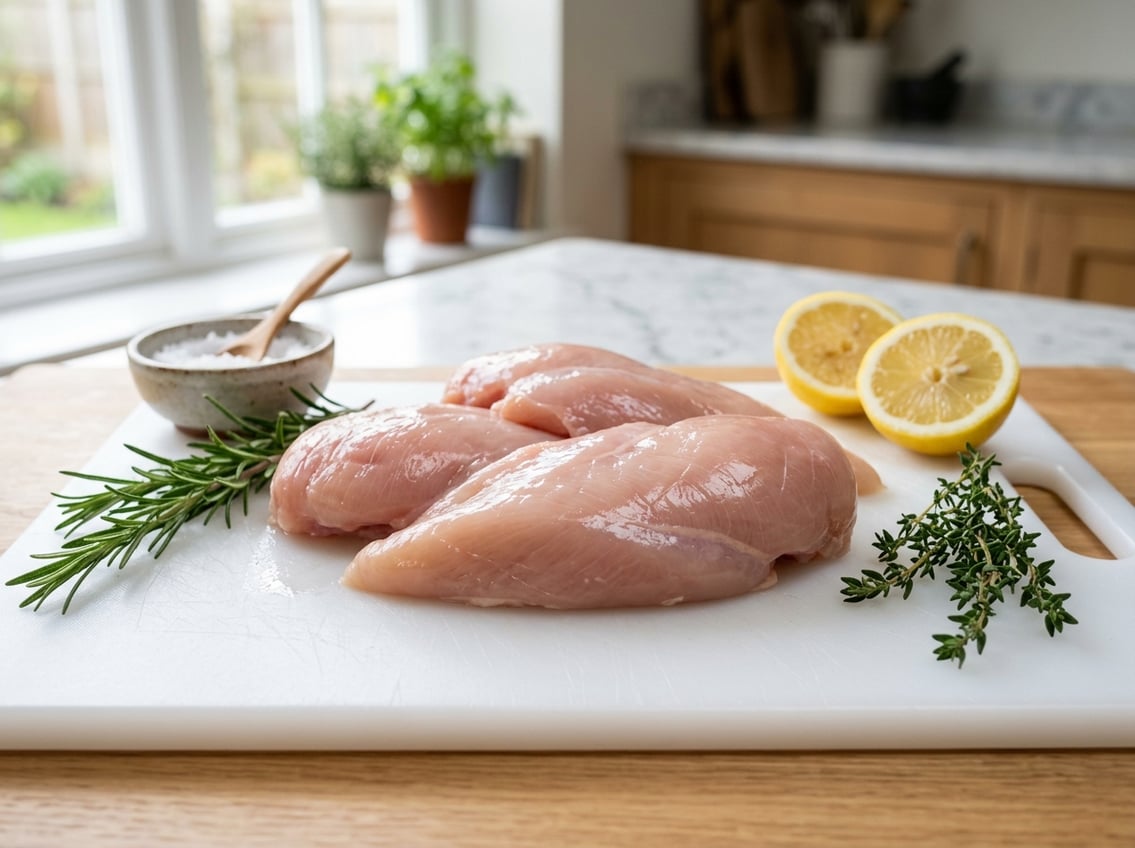
Bacterial growth, storage mistakes, or chemical changes in the meat usually cause off-odors. The smell can change before other spoilage signs become obvious.
This process can affect both raw and cooked chicken, though the smell is different after heating.
A bad cooked chicken smell often means the meat was already spoiled or was not stored well before cooking.
Bacterial Growth and Food Safety Risks
As bacteria multiply, they produce compounds that create sour, rotten, or sharp odors. Some bacteria linked to poultry, including salmonella, campylobacter, and pseudomonas, are connected to food safety problems.
You cannot always see or smell every harmful bacterium. Odor checks work best with storage time, temperature, and texture checks.
Storage Time, Temperature, and Oxidation
Refrigerate raw chicken at 40°F or below. If it sits too long in the fridge or warms up during transport, spoilage can move faster.
Air exposure also changes the meat. Oxidation can make odors more noticeable and can affect color and quality.
According to EatingWell’s guide on how to tell if chicken is bad, you should discard chicken with major changes in smell, color, or texture.
Raw vs. Cooked Chicken Smell Differences
Raw chicken should have only a mild smell. Cooked chicken naturally has a more developed aroma, and a normal cooked chicken smell is usually savory rather than sour.
If cooked chicken smells sour, stale, or unpleasant, that is not a normal cooking smell. It can signal spoilage before cooking, poor storage after cooking, or both.
Safe Handling Steps Before and After Cooking
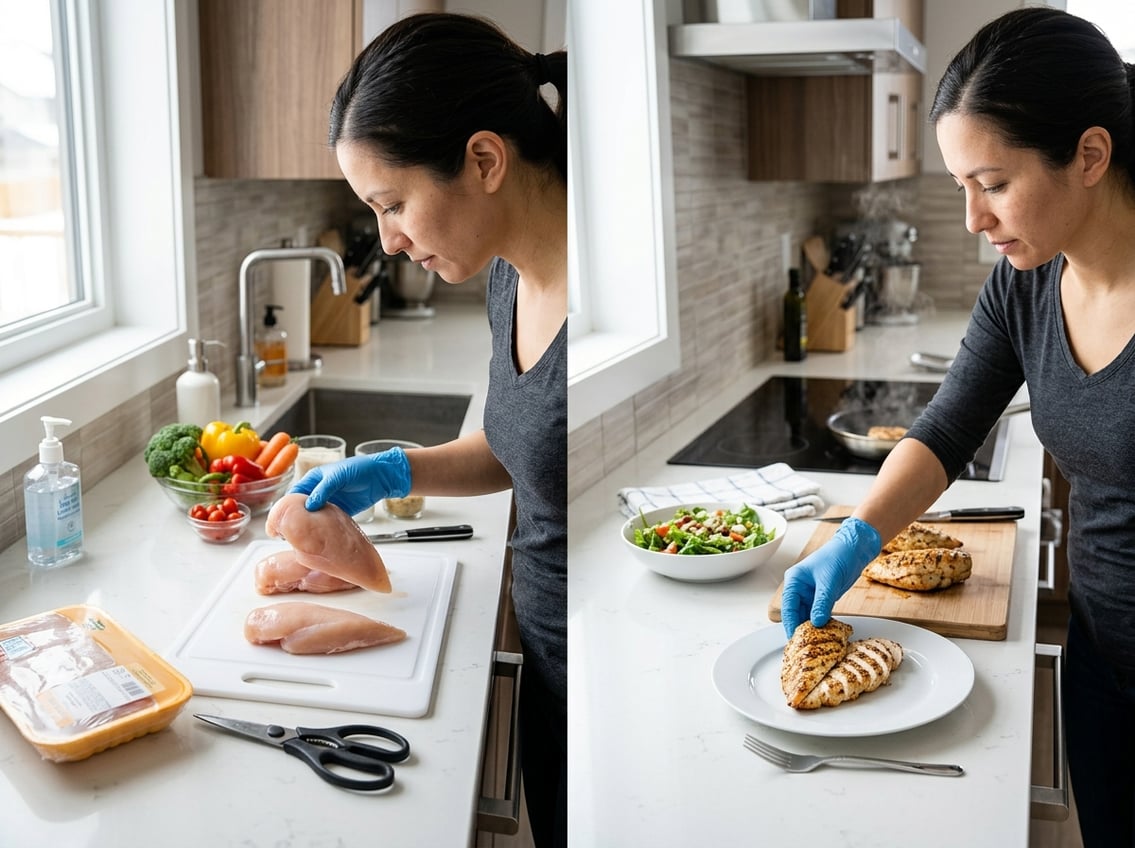
Safe handling protects you from bacteria and helps keep odor problems from getting worse.
Good storage also helps you decide whether a smell is normal or a warning sign.
How to Store Chicken Breast Properly
Keep raw chicken in the refrigerator at 40°F or below and cook it within a short time after buying it. If you need to store it longer, freezing is the safer option.
A vacuum sealer can help remove air and slow spoilage, which may extend shelf life. Keep chicken wrapped tightly so odors do not spread to other foods.
Cooking Temperature and Leftover Safety
Cook chicken breast to an internal temperature of 165°F. That is the standard safe temperature for poultry and helps reduce food safety risks.
If cooked chicken smells off after cooking, do not keep eating it. Discard leftovers that smell unpleasant, especially if they were stored too long or left out at room temperature.
How to Prevent Cross-Contamination in the Kitchen
Keep raw chicken away from ready-to-eat foods, cutting boards, and utensils.
Wash your hands, knives, and surfaces after they touch raw poultry or its juices.
The USDA’s Practice Safe Poultry Handling guide stresses handwashing and clean surfaces to reduce cross-contamination.
Bacteria from raw chicken can spread easily in the kitchen.


