
Is It Best to Cover Chicken Breast in the Oven? Quick Guide
You may ask, is it best to cover chicken breast in the oven? The answer depends on the texture you want.
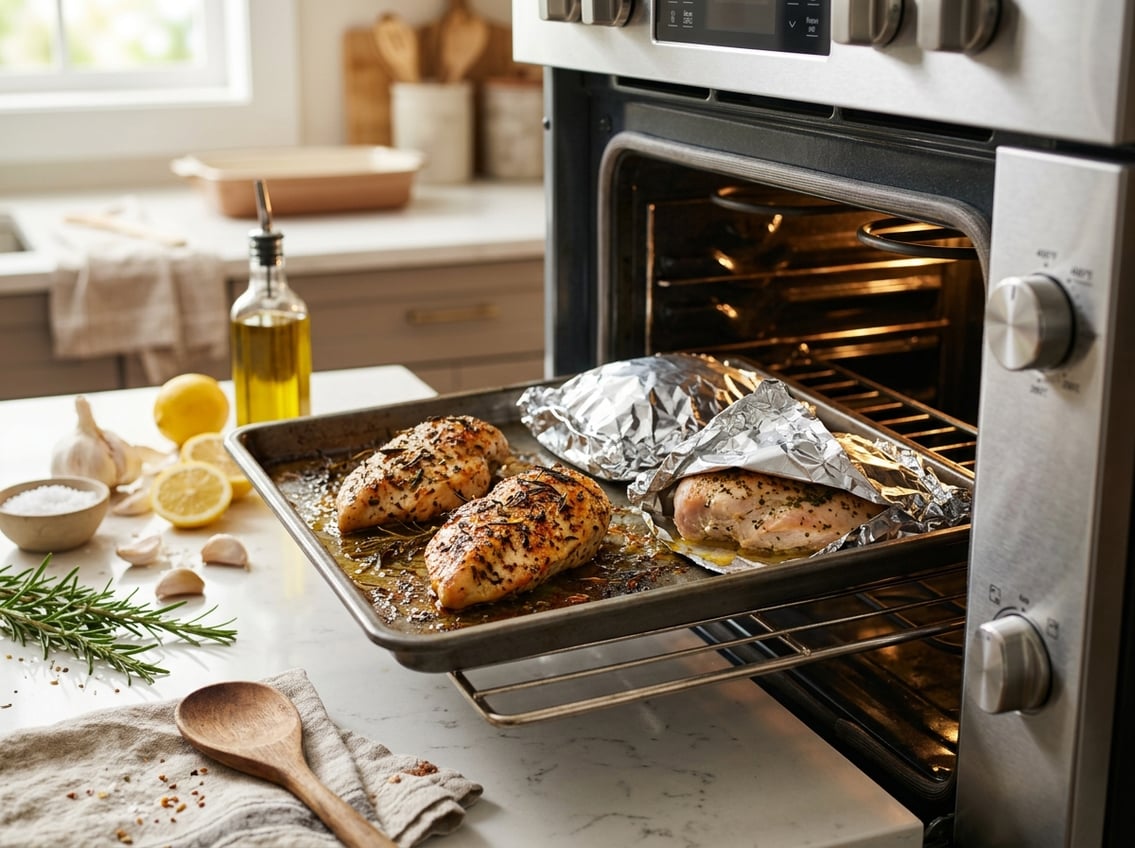
Covering chicken breast when baking helps hold in moisture. Leaving it uncovered helps the surface brown.
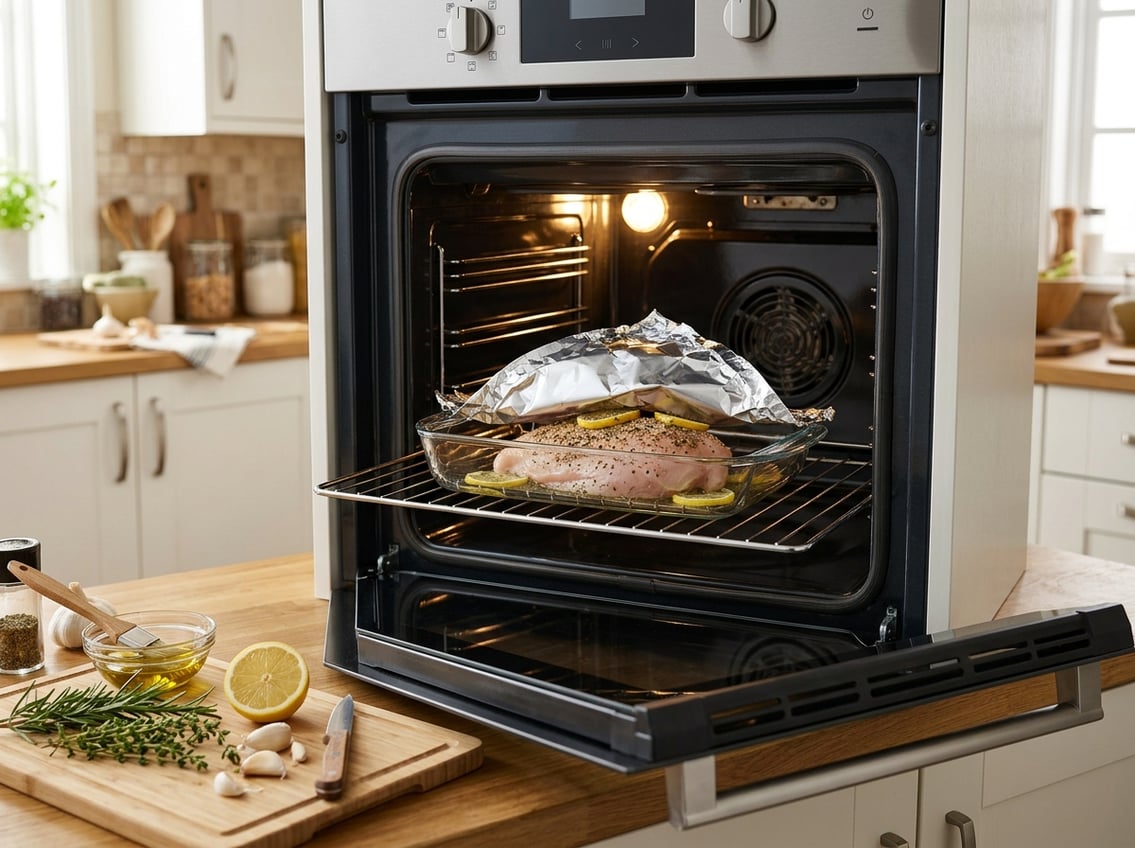
For the juiciest baked chicken breast, use a method where you cover it at first, then uncover it near the end. This protects moisture while still allowing browning.
That balance helps you bake chicken breasts that are cooked through, tender, and not pale on the outside.
The right choice also depends on thickness and oven temperature. Decide if you want crisp skin or a softer finish.
A few simple prep steps can make a bigger difference than covering alone.
Best Answer: When Covered, Uncovered, or Both Works
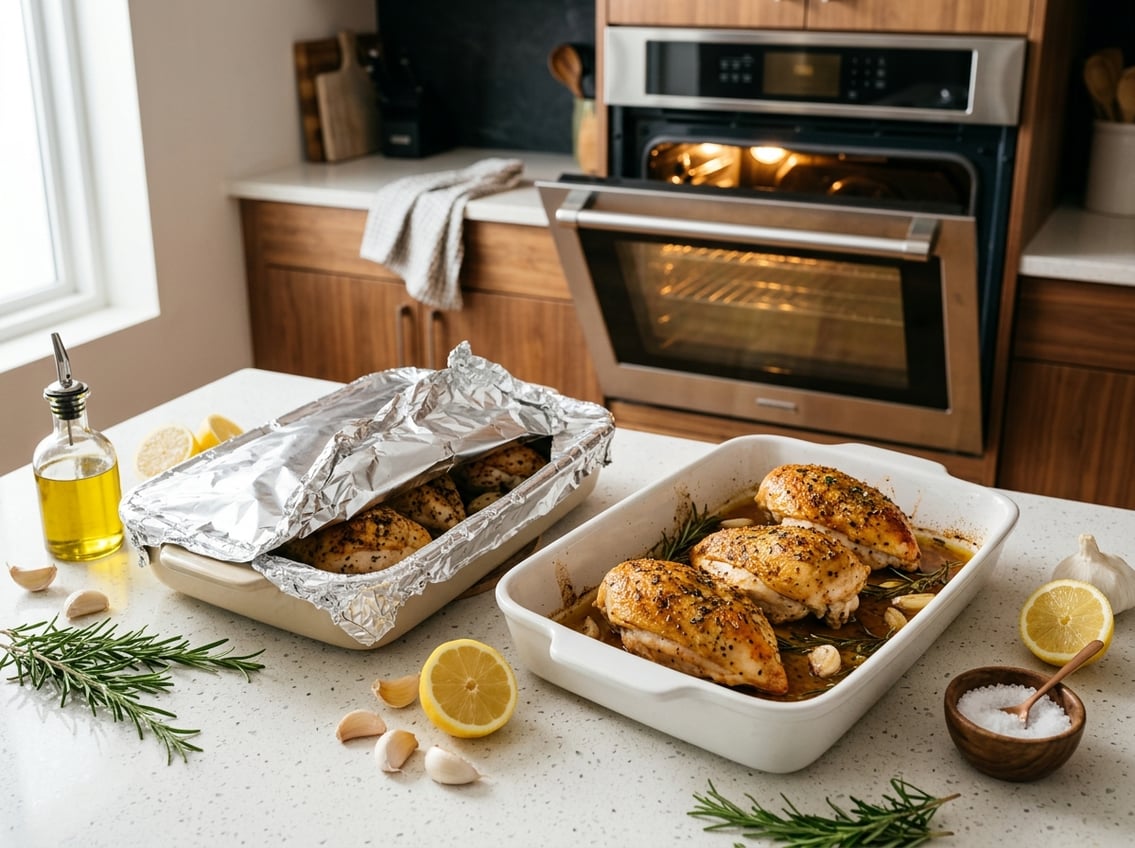
Cover chicken breast when baking if you want a juicy result with less moisture loss. Leave it uncovered if you want more browning and a firmer exterior.
When you cover chicken breast, you trap steam and help the meat stay tender. When you bake chicken breast uncovered, the dry heat improves color and surface texture.
When Covering Helps Retain Moisture
Covering chicken breast when baking reduces evaporation. This helps lean cuts, which dry out more easily than fattier meats.
If your chicken breasts are thick and need more time in the oven, covering helps. A lid, foil, or a covered baking dish slows moisture loss while the center finishes cooking.
When Uncovered Baking Delivers Better Browning
An uncovered chicken breast browns more easily because the surface stays drier. This matters if you want a more roasted look and a firmer bite.
This method works well if you season the chicken well and use the right temperature. The surface develops better color when it is not trapped under steam.
Why a Hybrid Method Often Works Best
A hybrid approach gives you both moisture and color. Many cooks start baking uncovered, then cover the chicken breast for the last part of the cook time.
This helps you avoid dry meat while still getting light browning.
How to Bake Chicken Breast Without Drying It Out
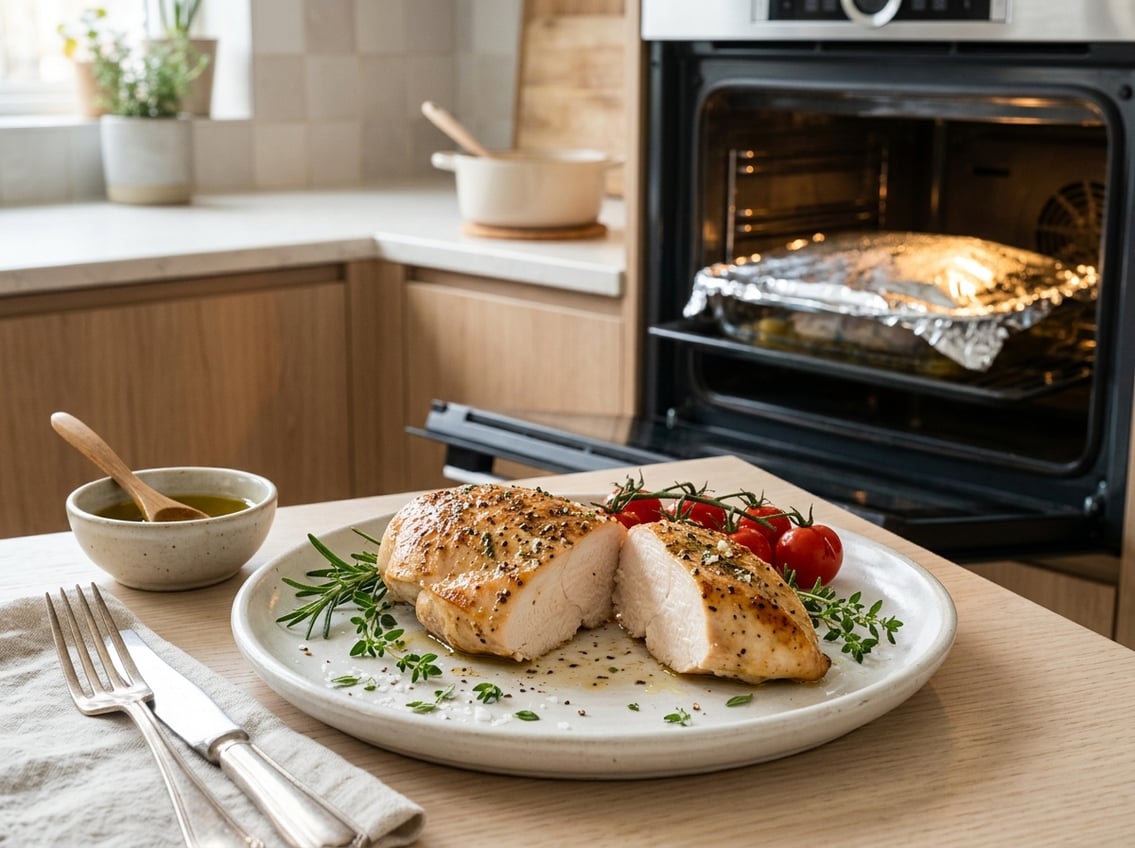
The biggest risk with baked chicken breasts is overcooking them. Use the right oven temperature, watch the thickness, and check the internal temperature.
A meat thermometer gives you more accuracy than just relying on time.
Temperature for Baking Chicken
For most baked chicken breasts, 375°F is a reliable temperature. It cooks evenly and keeps the meat tender.
Some recipes use 425°F for faster cooking, while covered methods may use lower heat. Choose the temperature based on your pan, breast size, and whether you want browning or a gentler cook.
A baked chicken breast method at 375°F works well for speed and moisture.
How Thickness Changes Cooking Time
Thicker chicken breasts need more time than thin ones. A large breast can take much longer than a smaller cut, even in the same oven.
If the pieces are uneven, pound them to a more even thickness before baking. This helps them cook at the same rate and lowers the chance of dry edges.
Why 165°F Matters More Than Minutes
Chicken should reach 165°F in the thickest part for safe doneness. This number matters more than a fixed number of minutes because ovens and chicken sizes vary.
If you pull the breast too early, it can be unsafe. If you leave it too long, it can dry out.
Use a thermometer to check baked chicken breasts near the end of cooking.
Resting the Meat Before Slicing
Rest the chicken for about 5 minutes before slicing. This lets the juices settle back into the meat.
If you cut too soon, the juices run out onto the board.
Prep Choices That Improve Oven Results
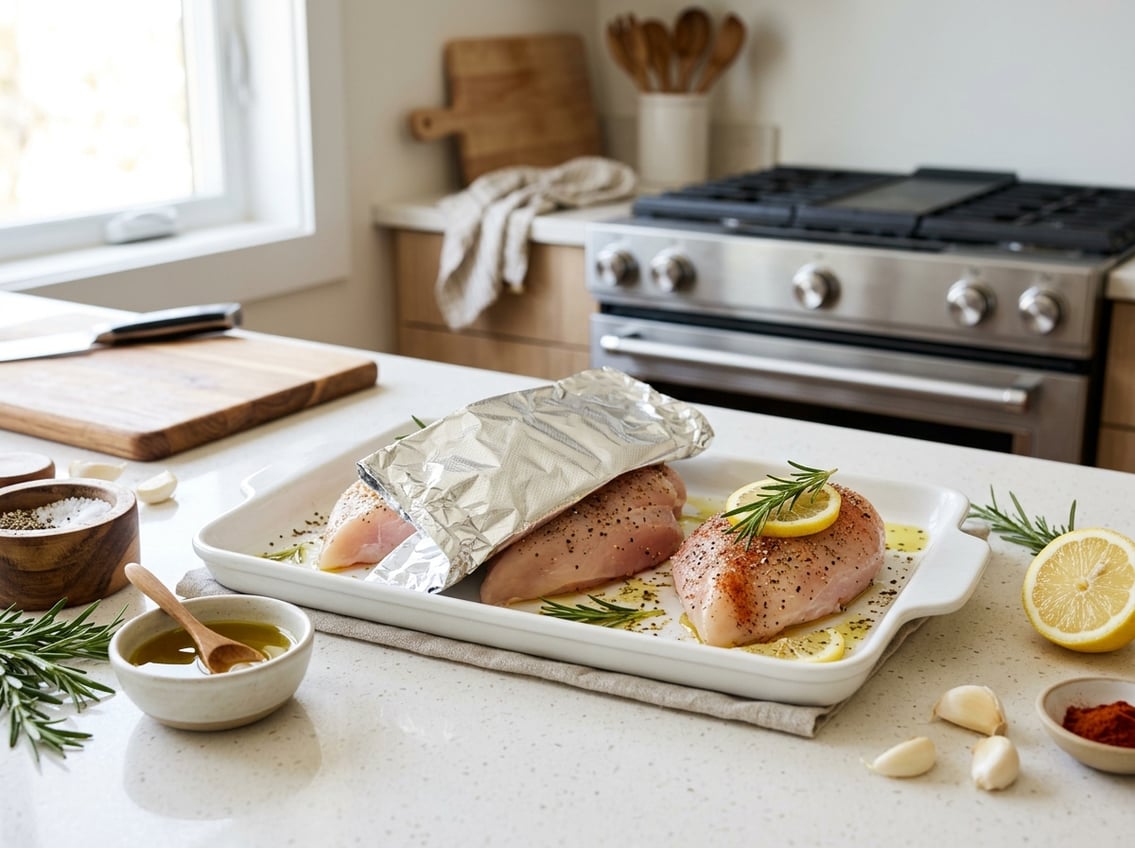
Good prep does a lot of the work before the chicken even goes into the oven. Marinate chicken breast, salt ahead of time, and choose the right cover for better texture.
The goal is to keep the meat seasoned and protected while it cooks.
Marinating Chicken Breast Before Baking
When you marinate chicken breast before baking, you add flavor and can improve juiciness. Even a short marinade helps, especially with salt, oil, and acid in balanced amounts.
If you want more flavor without a long soak, a quick marinade still helps. Avoid very acidic mixtures for too long, since they can make the texture less pleasant.
Brining vs. Dry Seasoning
Brining helps the meat hold moisture, while dry seasoning gives you a simpler, faster prep. Use a brine if you want extra insurance against dry chicken.
Dry seasoning works well when you rely on proper temperature and timing. Salt the chicken in advance if you can, since salt helps the meat stay juicy.
Foil, Parchment, and Lidded Dish Options
Foil is the most flexible cover for baking chicken breast. It traps steam quickly and is easy to remove near the end for browning.
Parchment gives gentler coverage, while a lidded dish can spread heat more evenly. According to guidance on baking chicken breasts, foil or a lid can both help keep chicken juicy, and uncovering near the end helps with color.
Common Mistakes That Ruin Texture and Flavor
Dry chicken usually comes from a few avoidable errors. The most common ones are bad heat control, too much covered cooking, and skipping temperature checks.
Your method should match the cut and the result you want. Skinless breasts and skin-on breasts behave differently.
Using Heat That Is Too High or Too Low
Very high heat can dry the outside before the center is done. Very low heat can stretch the cook time and leave the meat overexposed to the oven.
Use a steady temperature for baking chicken. Preheat the oven so the chicken starts cooking evenly.
Leaving Chicken Covered for Too Long
Covering locks in moisture, but too much coverage can leave the surface soft and pale. If you want color, uncover the chicken for part of the bake.
Many cooks use a mixed method for juicy chicken breast with some surface browning.
Skipping a Thermometer
Without a thermometer, you guess at doneness. Chicken breasts can look done on the outside before the center reaches 165°F.
A thermometer removes guesswork and helps protect both safety and texture. It is the easiest way to improve baked chicken breasts.
Choosing the Wrong Method for Skinless Breasts
Skinless chicken breast does not need the same browning strategy as skin-on chicken.
Since there is no skin to crisp, covering helps if moisture is your top concern.
For skinless cuts, focus on tenderness first.
Use a short uncovered finish if you want more color.


