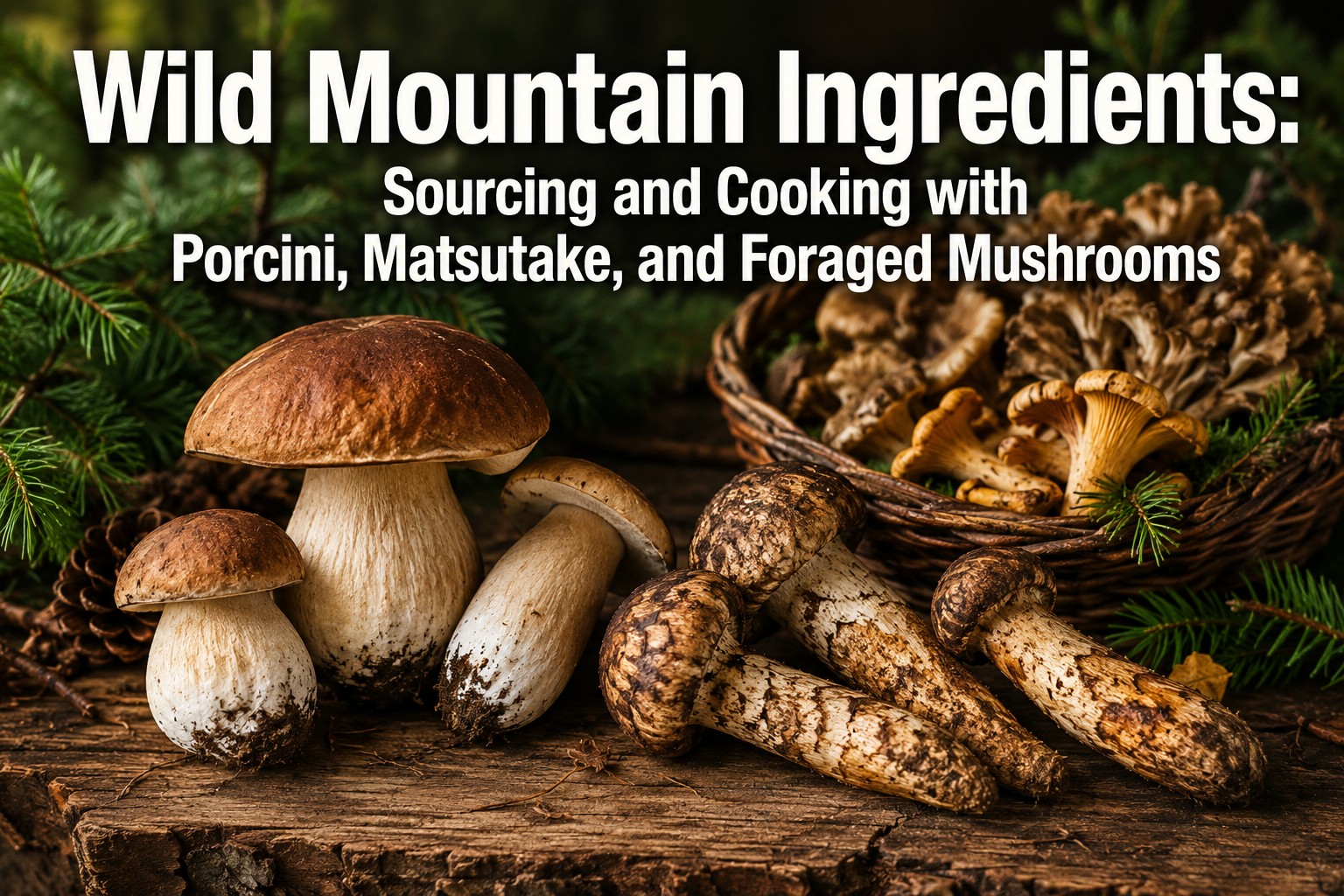
Wild Mountain Ingredients: Sourcing and Cooking with Porcini, Matsutake, and Foraged Mushrooms
Last updated: July 1, 2026
Premium wild mushrooms like porcini and matsutake command prices up to $50 per pound because they cannot be commercially cultivated and must be hand-foraged from mountain forests. Wild Mountain Ingredients: Sourcing and Cooking with Porcini, Matsutake, and Foraged Mushrooms involves understanding seasonal availability, proper identification techniques, and cooking methods that preserve their unique flavors. These prized fungi are transforming home cooking by bringing restaurant-quality ingredients and earthy, complex flavors to everyday meals.
Key Takeaways
- Porcini mushrooms grow in coniferous and deciduous forests across North America, Europe, and Asia from late summer through fall, featuring nutty, earthy flavors
- Matsutake mushrooms are prized in Asian cuisine for their spicy, pine-like aroma and can cost $20-$80 per pound depending on quality and origin
- Never forage alone as a beginner—join guided foraging groups or take mycology courses to learn safe identification before collecting wild mushrooms
- Fresh wild mushrooms should be cleaned with a damp cloth or soft brush, never soaked in water, which destroys their texture and flavor
- Dried porcini retain 90% of their flavor and rehydrate well, making them a practical year-round alternative to fresh specimens
- Common poisonous lookalikes include the bitter bolete and devil’s bolete, which can cause severe gastrointestinal distress
- Foraging permits are required on most public lands, with specific regulations varying by state and national forest
- Store fresh mushrooms in paper bags in the refrigerator for 3-7 days maximum, checking daily for signs of spoilage
What Are Porcini Mushrooms and Where Do They Grow Naturally
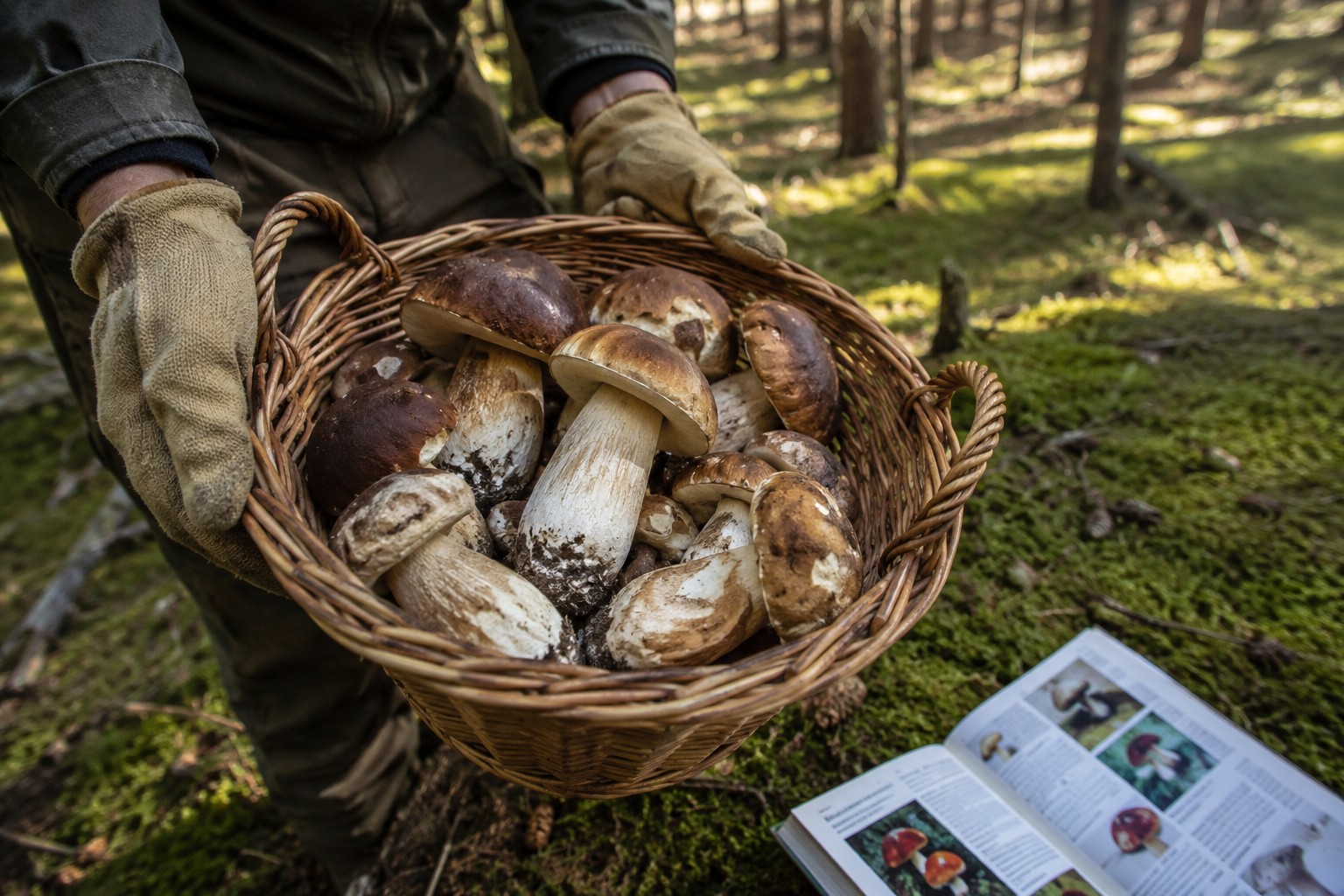
Porcini mushrooms (Boletus edulis) are prized wild fungi with thick white stems and brown caps that grow in symbiotic relationships with tree roots in temperate forests. They appear naturally in coniferous and mixed hardwood forests across North America, Europe, and Asia, typically from late August through October.
Key growing conditions for porcini:
- Forest types: Pine, spruce, fir, oak, chestnut, and beech forests
- Elevation: 2,000-8,000 feet in mountainous regions
- Soil: Well-drained, slightly acidic forest floor with rich organic matter
- Climate: Cool nights (40-50°F) and warm days (60-70°F) with adequate rainfall
Porcini form mycorrhizal partnerships with tree roots, meaning they cannot be cultivated commercially. This dependency makes them exclusively wild-harvested, contributing to their premium pricing and seasonal availability.
Regional availability:
- Pacific Northwest: September-November in Douglas fir and hemlock forests
- Rocky Mountains: August-October in high-elevation pine forests
- Northeast: September-October in mixed hardwood forests
- Europe: Late summer through fall in various forest types
Choose foraging locations away from roads, industrial areas, and treated lands to avoid contamination. Porcini absorb environmental toxins, so clean forest environments are essential for safe harvesting.
Difference Between Matsutake and Porcini Mushrooms Taste and Texture
Matsutake mushrooms (Tricholoma matsutake) have a distinctive spicy, cinnamon-like aroma with a firm, dense texture, while porcini offer nutty, earthy flavors with a meatier, more tender consistency. The two mushrooms serve different culinary purposes and are rarely interchangeable in recipes.
Flavor profiles:
- Matsutake: Spicy, pine-like, with notes of cinnamon and red hots candy; intensely aromatic
- Porcini: Nutty, earthy, woodsy, with umami depth; subtle mushroom essence
Texture differences:
- Matsutake: Dense, firm, almost crunchy when fresh; maintains structure during cooking
- Porcini: Meaty, tender, slightly spongy; softens considerably when cooked
Culinary applications:
Matsutake works best in Japanese and Korean dishes where its aromatic qualities shine—think matsutake rice (matsutake gohan), clear soups, and grilled preparations. The mushroom’s perfume is the star, so minimal seasoning preserves its character.
Porcini excels in Italian and French cuisine, particularly in risottos, pasta dishes, and cream sauces where its umami depth enhances other ingredients. The mushroom’s ability to absorb flavors makes it versatile for braising, roasting, and sautéing.
Common mistake: Using matsutake in heavy cream sauces or rich preparations masks its delicate aroma. Similarly, expecting porcini to provide the same aromatic punch as matsutake leads to disappointment. Match each mushroom to preparations that highlight its unique qualities.
How Much Do Fresh Foraged Mushrooms Cost Per Pound
Fresh wild porcini typically cost $15-$35 per pound at farmers markets and specialty stores, while matsutake command $20-$80 per pound depending on grade and origin. Prices fluctuate based on seasonal availability, weather conditions affecting yields, and regional supply.
Price breakdown by source:
- Farmers markets: $15-$25/lb for porcini, $25-$50/lb for matsutake (best value)
- Specialty grocers: $25-$40/lb for porcini, $40-$80/lb for matsutake
- Online retailers: $30-$50/lb for porcini, $50-$100/lb for matsutake (includes shipping)
- Restaurant suppliers: $20-$35/lb for porcini, $35-$70/lb for matsutake (bulk pricing)
Factors affecting price:
- Grade: Buttons (young, firm) cost more than mature specimens
- Origin: Domestic mushrooms typically cost less than imported Japanese matsutake
- Season: Early and late season prices run 30-50% higher than peak availability
- Condition: Pristine specimens command premium prices over damaged or wormy mushrooms
Cost comparison with dried:
Dried porcini cost $30-$60 per pound but rehydrate to roughly triple their weight, making them economically competitive with fresh. One ounce of dried porcini (about $3-$5) yields approximately three ounces rehydrated, equivalent to $12-$20 per pound of fresh mushrooms.
Choose dried porcini for year-round cooking and budget-conscious preparations. Reserve fresh specimens for dishes where texture matters, like grilled mushrooms or simple sautés that showcase their meaty quality.
Where Can I Buy Wild Porcini and Matsutake Mushrooms Online
Reputable online retailers specializing in wild mushrooms include Marx Foods, Earthy Delights, and Foraged, which ship fresh and dried specimens nationwide with overnight or two-day delivery. These suppliers work directly with foragers and maintain quality control standards for safe, premium products.
Recommended online sources:
- Marx Foods: Fresh and dried porcini, matsutake when in season, detailed grading information
- Earthy Delights: Seasonal wild mushrooms, forager partnerships, recipe resources
- Foraged: Direct-from-forager marketplace, variety of wild species, sustainability focus
- Oregon Mushrooms: Pacific Northwest specialization, bulk pricing available
- Mikuni Wild Harvest: Japanese and North American matsutake, premium grades
What to look for when ordering:
- Harvest date: Fresh mushrooms should ship within 24-48 hours of harvest
- Grade information: Clear descriptions of size, condition, and quality level
- Shipping method: Overnight or two-day express with cold packs during warm months
- Return policy: Reputable sellers offer refunds or replacements for quality issues
- Forager information: Transparency about sourcing and harvesting practices
Ordering tips:
Order fresh mushrooms early in the week to avoid weekend delivery delays. Plan menus around arrival dates since fresh wild mushrooms deteriorate quickly. Consider ordering dried porcini in bulk (1-2 pounds) for better pricing and year-round availability.
Seasonal availability online:
- Porcini: September-November (fresh), year-round (dried)
- Matsutake: September-November (North American), October-December (Japanese)
- Other wild mushrooms: Varies by species and region
Join email lists for seasonal notifications when premium specimens become available. Many suppliers sell out quickly during peak season, so early ordering secures the best selection.
How to Identify Safe Wild Mushrooms When Foraging in Mountains
Safe mushroom identification requires examining multiple characteristics including cap shape, gill structure, stem features, spore print color, and habitat, never relying on a single trait. Beginners should forage only with experienced mycologists or certified guides until they can confidently identify at least 5-10 species and their poisonous lookalikes.
Essential identification steps:
- Photograph the mushroom in place before picking, showing cap, gills/pores, stem, and surrounding habitat
- Examine the cap: Note color, texture, size, shape, and any changes when bruised
- Check underneath: Identify gills, pores, or teeth; note spacing, attachment, and color
- Inspect the stem: Look for rings, volva (cup at base), texture, and color changes
- Take a spore print: Place cap gill-side down on white and black paper for 4-8 hours
- Note the habitat: Tree species, elevation, soil type, and season
Porcini identification features:
- Cap: 3-12 inches, brown to reddish-brown, smooth or slightly sticky
- Pores: White when young, turning yellow-green with age; no gills
- Stem: Thick, bulbous, white to tan with fine netting (reticulation) near top
- Spore print: Olive-brown
- Habitat: Under conifers or hardwoods, mycorrhizal relationship
Matsutake identification features:
- Cap: 2-8 inches, white to brown, often with brown scales or staining
- Gills: White, attached to stem, closely spaced
- Stem: Thick, white, with partial veil leaving a ring
- Spore print: White
- Aroma: Distinctive spicy, cinnamon-like scent (key identifier)
- Habitat: Under pine, fir, or hemlock in mountainous regions
Critical safety rules:
Never eat any mushroom unless you are 100% certain of its identification. When in doubt, throw it out. Even experienced foragers consult multiple field guides and mycology resources before consuming unfamiliar species.
Recommended learning resources:
- Mycological societies: Join local clubs for guided forays and expert mentorship
- Field guides: Carry region-specific guides like “All That the Rain Promises and More” (David Arora)
- Online communities: Post photos to identification forums like r/mycology for expert review
- Foraging courses: Take certified courses through universities or nature centers
Common mistake: Relying solely on apps or online photos for identification. Digital tools supplement but never replace hands-on learning with experienced foragers who can teach you to recognize subtle but critical differences.
What Are Common Poisonous Mushrooms That Look Like Porcini
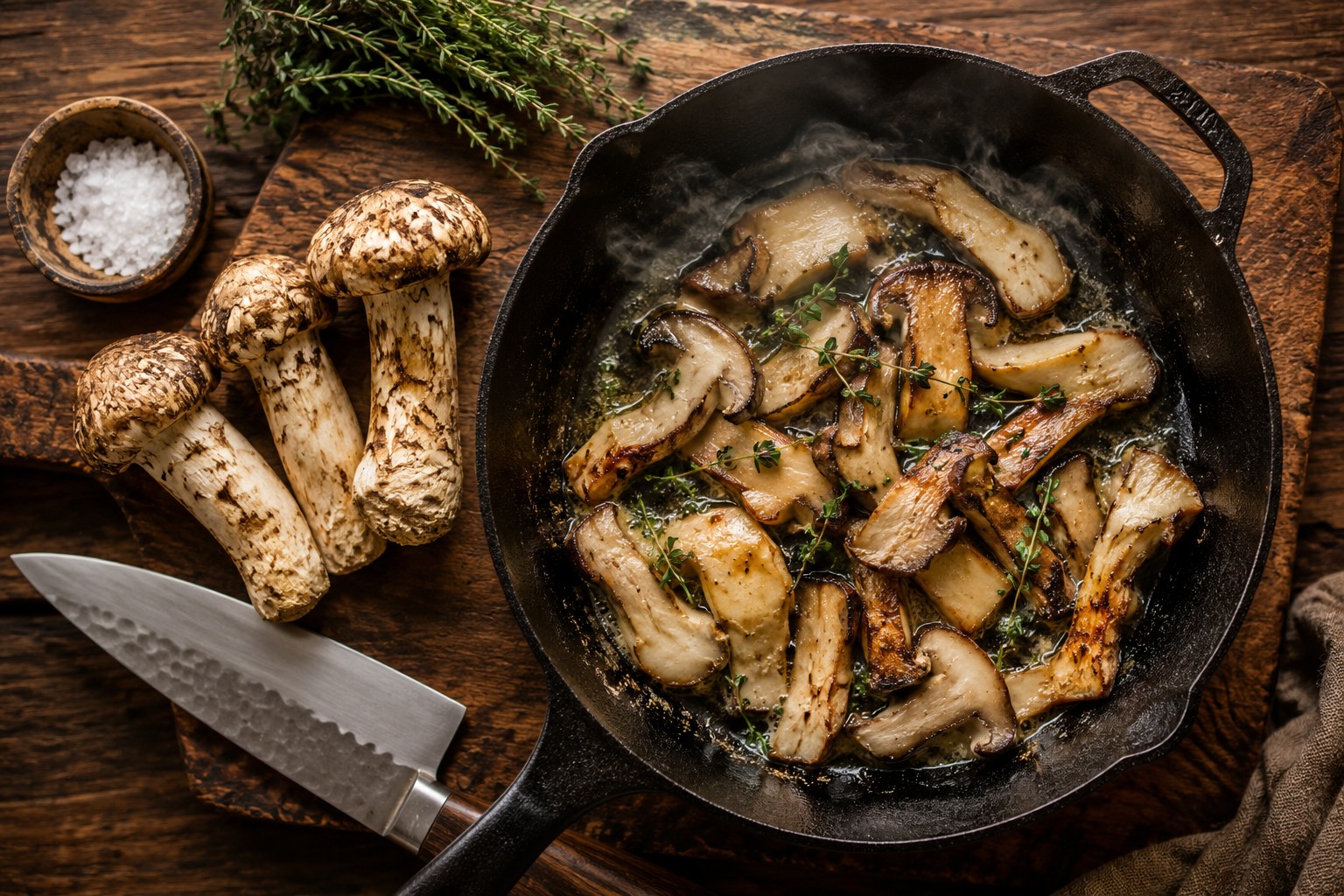
The bitter bolete (Tylopilus felleus) closely resembles porcini but causes severe gastrointestinal distress, distinguished by its pink pore surface and intensely bitter taste. Devil’s bolete (Rubroboletus satanas) is another dangerous lookalike with red pores and stem that can cause serious poisoning.
Dangerous porcini lookalikes:
Bitter Bolete (Tylopilus felleus):
- Appearance: Similar brown cap and bulbous stem
- Key difference: Pores turn pink with age (porcini stay white to yellow-green)
- Stem: Dark brown netting vs. porcini’s light netting
- Taste: Extremely bitter (do not swallow if taste-testing)
- Effects: Severe nausea, vomiting, diarrhea
Devil’s Bolete (Rubroboletus satanas):
- Appearance: Large, pale cap with reddish tones
- Key difference: Bright red or orange pores and red stem base
- Bruising: Turns blue when cut or bruised
- Effects: Severe gastrointestinal poisoning, potentially life-threatening
Safe identification practices:
- Check pore color: Porcini pores are never pink, red, or orange
- Examine the stem: Porcini have white to tan stems with fine white netting, never red
- Bruising test: Porcini may bruise slightly blue-green but never intensely blue
- Taste test: Only if you’re experienced; bitter bolete is unmistakably bitter (spit out immediately)
Additional lookalikes to avoid:
- Boletus huronensis: Bitter taste, similar appearance
- Boletus rubripes: Red stem base, can cause illness
- Various Leccinum species: Not poisonous but inferior texture and flavor
Never assume all boletes (pored mushrooms) are edible. While many are safe, several species cause illness. Cross-reference multiple field guides and consult experienced foragers before consuming any wild mushroom.
Best Way to Clean and Prepare Fresh Foraged Mushrooms for Cooking
Clean fresh wild mushrooms with a damp cloth or soft brush to remove dirt and debris, avoiding water soaking which makes them soggy and dilutes their flavor. Trim stem ends and cut away any damaged or wormy sections before cooking, inspecting each mushroom individually for quality.
Step-by-step cleaning process:
- Inspect immediately: Check for insects, worms, or damage as soon as you return from foraging
- Brush gently: Use a soft mushroom brush or clean paintbrush to remove loose dirt and pine needles
- Wipe with damp cloth: For stubborn dirt, use a barely damp paper towel or cloth
- Trim stems: Cut off the very bottom of stems where dirt accumulates
- Slice to inspect: Cut larger mushrooms in half to check for worm tunnels or internal damage
- Pat dry: Remove any moisture with paper towels before cooking
What to avoid:
- Never soak in water: Mushrooms absorb water like sponges, becoming waterlogged and flavorless
- Don’t peel caps: The outer layer contains concentrated flavor
- Avoid aggressive scrubbing: Damages delicate flesh and removes flavorful surface compounds
Preparation techniques by mushroom type:
Porcini:
- Slice stems and caps uniformly for even cooking
- Large specimens can be quartered or cut into 1-inch pieces
- Very young buttons can be cooked whole or halved
Matsutake:
- Slice thinly (1/4 inch) to maximize aromatic surface area
- Remove any tough stem ends
- Keep slices uniform for even cooking
Storage after cleaning:
Store cleaned mushrooms in paper bags or wrapped in paper towels in the refrigerator. Never use plastic bags, which trap moisture and accelerate spoilage. Use within 2-3 days for best quality.
Pre-cooking tip: For recipes requiring moist, tender results, similar to cooking proteins, avoid overcrowding the pan. Cook mushrooms in batches to ensure proper browning rather than steaming.
Can Beginners Safely Forage Wild Mushrooms or Do I Need Training
Beginners should never forage wild mushrooms alone without training, as misidentification can result in serious illness or death from toxic species. Take at least 2-3 guided forays with certified mycologists or join a local mycological society before attempting independent foraging, focusing initially on easily identified species with no dangerous lookalikes.
Essential training steps:
- Join a mycological society: Most regions have clubs offering guided forays, workshops, and mentorship
- Take a foraging course: Universities, nature centers, and professional foragers offer certification programs
- Attend multiple forays: Go on 5-10 guided trips across different seasons to see mushrooms in various growth stages
- Study field guides: Invest in region-specific guides and study them thoroughly
- Learn poisonous species first: Memorize deadly mushrooms in your area before learning edible ones
Beginner-friendly mushrooms:
Start with species that have distinctive features and no deadly lookalikes:
- Chicken of the woods: Bright orange shelves on trees, unmistakable appearance
- Lion’s mane: White, shaggy appearance on dead hardwoods
- Giant puffballs: Large, white, ball-shaped (when pure white inside)
- Morels: Distinctive honeycomb cap (learn false morels first)
Avoid as a beginner:
- Little brown mushrooms (LBMs): Difficult to distinguish, many toxic species
- White mushrooms: Include deadly Amanitas that require expert identification
- Any gilled mushroom: Until you can confidently identify gill attachment, spacing, and spore prints
Mentorship is critical:
Find an experienced forager willing to mentor you. Online resources and apps supplement but never replace hands-on learning. Many poisonings occur when people rely solely on photos or apps without understanding the full range of identifying characteristics.
Timeline for safe independent foraging:
Most experts recommend at least one full season (spring through fall) of guided foraging before collecting independently. Even then, only harvest species you’ve identified correctly multiple times with expert confirmation.
How to Store Fresh Porcini and Matsutake Mushrooms to Keep Them Fresh
Store fresh wild mushrooms in paper bags or wrapped in paper towels in the refrigerator’s main compartment, where they’ll keep for 3-7 days depending on initial condition. Never use plastic bags or airtight containers, which trap moisture and cause rapid deterioration and sliminess.
Optimal storage method:
- Clean minimally: Remove only loose dirt; don’t wash until ready to cook
- Wrap in paper towels: Absorbs excess moisture while allowing air circulation
- Place in paper bag: Provides additional moisture control and protection
- Refrigerate immediately: Store in main compartment (not crisper drawer)
- Check daily: Remove any specimens showing signs of spoilage
Storage duration by condition:
- Pristine specimens: 5-7 days when properly stored
- Slightly damaged: 3-4 days, use quickly
- Mature mushrooms: 2-3 days, prioritize for immediate use
- Pre-sliced: 1-2 days maximum
Signs of spoilage:
- Slimy texture: Bacterial growth, discard immediately
- Dark spots: Spreading decay, cut away or discard
- Strong ammonia smell: Advanced decomposition, discard
- Excessive moisture: Wipe dry and use within 24 hours
- Shriveling: Dehydration, still usable but quality declining
Freezing fresh mushrooms:
Raw wild mushrooms don’t freeze well due to high water content. For longer storage:
- Sauté first: Cook mushrooms in butter or oil until moisture evaporates
- Cool completely: Spread on a sheet pan to cool quickly
- Portion and freeze: Store in freezer bags for up to 6 months
- Use from frozen: Add directly to soups, stews, or sauces
Drying for long-term storage:
Dehydrating preserves wild mushrooms for 1-2 years:
- Slice uniformly: Cut into 1/4-inch slices for even drying
- Use a dehydrator: Set to 110-125°F for 6-10 hours
- Test for dryness: Mushrooms should snap cleanly, not bend
- Store in airtight containers: Keep in a cool, dark place with silica packets
Dried porcini retain excellent flavor and rehydrate well. Matsutake lose some aromatic intensity when dried but remain usable for soups and rice dishes.
What Recipes Work Best with Wild Mountain Mushrooms
Wild mountain mushrooms shine in simple preparations that highlight their natural flavors, such as sautéing in butter with herbs, adding to risottos and pasta, or incorporating into clear soups where their aroma takes center stage. Porcini work well in rich, umami-forward dishes, while matsutake require minimal seasoning to preserve their distinctive spicy fragrance.
Best recipes for porcini:
Porcini Risotto:
- Sauté fresh porcini in butter until golden
- Add to traditional risotto with Parmesan and white wine
- Finish with fresh parsley and additional sautéed porcini on top
Porcini Pasta:
- Slice porcini and sauté with garlic and olive oil
- Toss with fresh pasta, pasta water, and Parmesan
- Add fresh thyme and black pepper
Porcini Cream Sauce:
- Sauté porcini in butter until browned
- Add cream, reduce until thickened
- Serve over properly cooked chicken breast or steak
Roasted Porcini:
- Toss thick slices with olive oil, salt, and pepper
- Roast at 425°F for 15-20 minutes until caramelized
- Serve as a side dish or over polenta
Best recipes for matsutake:
Matsutake Gohan (Rice):
- Layer sliced matsutake over rice with soy sauce and sake
- Steam until rice is cooked and mushrooms are tender
- The aromatic steam infuses the entire dish
Matsutake Dobin Mushi (Clear Soup):
- Simmer matsutake in dashi with chicken, ginkgo nuts, and citrus
- Serve in individual teapots for an aromatic experience
- Minimal seasoning preserves the mushroom’s perfume
Grilled Matsutake:
- Slice thick and brush with light soy sauce
- Grill over charcoal for smoky, aromatic results
- Serve with ponzu or simply with salt
Matsutake Tempura:
- Lightly batter and fry to preserve texture
- The heat intensifies the spicy aroma
- Serve immediately with tentsuyu dipping sauce
Cooking tips for both:
- Don’t overcook: Wild mushrooms become rubbery when overcooked; 5-8 minutes sautéing is usually sufficient
- High heat for browning: Caramelization develops deeper flavors, similar to achieving good results when pan-cooking proteins
- Season lightly: Salt, pepper, butter, and herbs are often all you need
- Add at the end: When using in soups or stews, add mushrooms in the final 10 minutes to preserve texture
Common mistake: Combining porcini and matsutake in the same dish. Their distinct flavor profiles compete rather than complement. Choose one as the star and build the dish around its unique characteristics.
Are Dried Porcini Mushrooms as Good as Fresh Ones
Dried porcini retain approximately 90% of their flavor and actually concentrate their umami compounds during dehydration, making them excellent for sauces, soups, and braises where texture is less critical. Fresh porcini offer superior texture and a more delicate, nuanced flavor profile that works better for simple preparations like sautéing or grilling where the mushroom is the focal point.
Advantages of dried porcini:
- Concentrated flavor: Dehydration intensifies umami and earthy notes
- Year-round availability: No seasonal limitations
- Long shelf life: 1-2 years when stored properly
- Cost-effective: Often cheaper per serving than fresh
- Bonus ingredient: Soaking liquid becomes flavorful mushroom stock
Advantages of fresh porcini:
- Superior texture: Meaty, tender consistency that dried can’t match
- Subtle complexity: More nuanced flavor with less intensity
- Visual appeal: Better presentation for dishes where appearance matters
- Versatility: Can be grilled, roasted, or sautéed whole
When to use dried:
- Sauces and gravies: Concentrated flavor enhances depth
- Soups and stews: Long cooking times suit rehydrated texture
- Risottos: Mushroom soaking liquid adds extra flavor to rice
- Pasta sauces: Chopped rehydrated porcini distribute flavor throughout
- Braised dishes: Extended cooking melds flavors
When to use fresh:
- Simple sautés: Showcase texture and delicate flavor
- Grilling: Fresh mushrooms hold up better to direct heat
- Roasting: Caramelization works best with fresh specimens
- Salads: Texture and appearance matter
- Showcasing quality: When the mushroom is the star ingredient
Rehydration technique:
- Soak in hot water: Cover dried porcini with water just off the boil
- Wait 20-30 minutes: Until fully softened and pliable
- Lift out gently: Leave grit at bottom of bowl
- Strain soaking liquid: Pour through coffee filter or cheesecloth
- Use both: Add mushrooms and strained liquid to recipes
Substitution ratio:
One ounce dried porcini (about 1 cup) rehydrates to approximately 3 ounces (about 1 cup sliced), equivalent to 3-4 ounces fresh mushrooms. Adjust quantities based on recipe requirements and desired intensity.
What Mistakes Do People Make When Cooking with Foraged Mushrooms
The most common mistake when cooking foraged mushrooms is overcrowding the pan, which causes steaming instead of browning and results in rubbery, waterlogged mushrooms with muted flavor. Other frequent errors include over-washing, using too much oil, cooking at too low a temperature, and failing to season properly during cooking.
Critical cooking mistakes:
Overcrowding the pan:
- Problem: Mushrooms release moisture; crowding prevents evaporation
- Result: Steamed, gray, rubbery mushrooms
- Solution: Cook in batches, leaving space between pieces
Washing instead of brushing:
- Problem: Mushrooms absorb water, becoming soggy
- Result: Diluted flavor and poor texture
- Solution: Use dry brush or barely damp cloth only
Too much oil or butter:
- Problem: Mushrooms initially absorb fat, then release it, creating greasy results
- Result: Heavy, oily dish that masks mushroom flavor
- Solution: Start with minimal fat (1-2 tablespoons for 8 oz mushrooms)
Low cooking temperature:
- Problem: Mushrooms steam rather than brown
- Result: No caramelization or flavor development
- Solution: Use medium-high to high heat for proper browning
Moving mushrooms constantly:
- Problem: Prevents browning and caramelization
- Result: Pale, flavorless mushrooms
- Solution: Let mushrooms sit undisturbed for 3-4 minutes before stirring
Adding salt too early:
- Problem: Salt draws out moisture immediately
- Result: Steamed rather than browned mushrooms
- Solution: Add salt after browning begins or at the end
Overcooking:
- Problem: Extended cooking makes mushrooms rubbery
- Result: Tough, chewy texture
- Solution: Cook just until tender, 5-8 minutes for most preparations
Over-seasoning:
- Problem: Heavy spices mask delicate wild mushroom flavors
- Result: Can’t taste the mushroom you paid premium prices for
- Solution: Use minimal seasoning—salt, pepper, butter, and fresh herbs
Proper technique for sautéing wild mushrooms:
- Heat pan until very hot (a drop of water should sizzle immediately)
- Add minimal oil or butter (1-2 tablespoons)
- Add mushrooms in single layer with space between pieces
- Don’t touch for 3-4 minutes until golden brown
- Flip and brown other side
- Season with salt and pepper only after browning
- Remove from heat while still slightly firm
This technique works whether you’re cooking in a pan or preparing any ingredient where browning matters.
Do I Need a Permit to Forage Mushrooms on Public Land
Most national forests and public lands require permits for mushroom foraging, with regulations varying by location, season, and quantity collected. Personal use permits typically allow 1-5 gallons per day and cost $5-$20, while commercial permits for selling mushrooms require separate authorization and higher fees.
Federal land regulations:
National Forests:
- Personal use: Usually requires free or low-cost permit ($5-$20 annually)
- Quantity limits: Typically 1-5 gallons per day for personal consumption
- Commercial harvesting: Requires separate commercial permit ($100-$400+)
- Restricted areas: Some wilderness areas prohibit all foraging
National Parks:
- Generally prohibited: Most national parks ban all foraging and plant collection
- Exceptions: Very few parks allow limited personal collection with permits
- Penalties: Fines up to $5,000 for illegal collection
Bureau of Land Management (BLM):
- Varies by district: Some allow free personal collection, others require permits
- Quantity limits: Usually 1-2 gallons per day
- Check locally: Regulations differ significantly by region
State and local regulations:
State Parks:
- Usually prohibited: Most state parks ban foraging
- Some exceptions: A few states allow limited collection with permits
State Forests:
- More permissive: Often allow personal foraging without permits
- Quantity limits: Typically 1-2 gallons per person per day
- Commercial restrictions: Require separate licensing
Private Land:
- Always requires permission: Never forage on private property without explicit consent
- Liability: Property owners may require signed waivers
- Respect boundaries: Trespassing laws apply
How to obtain permits:
- Identify land ownership: Use apps like OnX Hunt or contact local ranger stations
- Contact managing agency: Call or visit ranger station for current regulations
- Purchase permit: Available at ranger stations, online, or at trailheads
- Understand restrictions: Note quantity limits, restricted areas, and seasons
- Carry permit: Keep physical or digital copy while foraging
Permit costs (typical ranges):
- Personal use, National Forest: Free to $20 annually
- Commercial, National Forest: $100-$400+ annually
- State forests: Usually free for personal use
- Special use areas: May require additional fees
Penalties for foraging without permits:
- First offense: $50-$500 fine
- Repeated violations: $500-$5,000 fines, possible criminal charges
- Commercial violations: Higher fines, permit revocation, criminal prosecution
Best practice: Always check current regulations before foraging. Rules change frequently, and what was allowed last year may be prohibited this season. When in doubt, contact the local ranger district or land management office.
How to Tell If Foraged Mushrooms Have Gone Bad or Are Unsafe to Eat
Foraged mushrooms have gone bad when they develop a slimy texture, emit a strong ammonia or sour odor, show spreading dark spots, or have visible mold growth—all signs of bacterial decomposition requiring immediate disposal. Fresh wild mushrooms should feel firm, smell earthy and pleasant, and show no discoloration beyond natural aging.
Clear signs of spoilage:
Texture changes:
- Slimy or sticky surface: Bacterial growth, discard immediately
- Mushy or soft spots: Advanced decay, unsafe to eat
- Excessive moisture: Wet or weeping mushrooms are deteriorating
- Dried and shriveled: Dehydration, still safe but quality compromised
Smell indicators:
- Ammonia odor: Bacterial decomposition, discard
- Sour or fermented smell: Spoilage, unsafe to eat
- Musty or moldy smell: Fungal contamination, discard
- No smell or faint earthy scent: Fresh and safe
Visual signs:
- Dark spreading spots: Decay radiating from damage points
- White or colored mold: Fuzzy growth on surface
- Yellowing or browning: Natural aging, still safe if firm and odorless
- Worm holes: Not spoilage but indicates insect damage; cut away affected areas
Safety decision tree:
- Smell first: Strong, unpleasant odor means discard
- Check texture: Slimy or mushy means discard
- Inspect visually: Mold or extensive dark spots mean discard
- Minor issues: Small dark spots can be cut away if mushroom is otherwise firm and odorless
- When in doubt: Throw it out
How long are foraged mushrooms safe:
- Properly stored: 3-7 days in refrigerator
- Room temperature: 4-8 hours maximum
- After cooking: 3-4 days refrigerated
- Frozen (cooked): 6 months
Common confusion: Natural vs. spoilage:
Normal aging (safe):
- Slight darkening of gills or pores
- Minor surface drying
- Faint earthy smell intensifying
- Firm texture maintained
Spoilage (unsafe):
- Slime or excessive moisture
- Soft, mushy texture
- Strong ammonia or sour smell
- Spreading dark decay
Food safety rule: Wild mushrooms are more perishable than cultivated varieties. When quality declines, bacteria can proliferate quickly. Never take chances with questionable wild mushrooms—the risk isn’t worth the cost of the ingredient.
Prevention tips:
- Store properly in paper bags immediately after foraging
- Check daily and remove any declining specimens
- Use oldest mushrooms first
- Cook within 3-4 days of harvest for best quality and safety
- When preserving, dry or freeze promptly rather than trying to extend fresh storage
Similar to checking if chicken has gone bad, trust your senses. If something seems off, it probably is.
Frequently Asked Questions
Can you eat porcini mushrooms raw? While technically not toxic, raw porcini can cause digestive upset in some people and have a less pleasant texture. Cooking breaks down indigestible compounds and develops their nutty, umami flavor. Always cook wild mushrooms to ensure safety and optimal taste.
Why are matsutake mushrooms so expensive? Matsutake cannot be cultivated and grow only in specific forest conditions with declining habitat. Japanese matsutake can cost $100-$500 per pound due to cultural significance and scarcity. North American varieties offer similar flavor at lower prices ($20-$80/lb).
How do you rehydrate dried porcini mushrooms? Cover dried porcini with hot water (just off the boil) and soak for 20-30 minutes until fully softened. Lift mushrooms out gently, leaving grit at the bottom. Strain the soaking liquid through a coffee filter and use it as flavorful mushroom stock in your recipe.
Can you freeze fresh wild mushrooms? Fresh wild mushrooms freeze poorly due to high water content and become mushy when thawed. Instead, sauté them in butter or oil first, cool completely, then freeze in portions for up to 6 months. Add frozen cooked mushrooms directly to soups, stews, or sauces.
What’s the best way to cook matsutake to preserve its aroma? Use minimal seasoning and gentle cooking methods like steaming over rice, adding to clear soups, or grilling briefly. Avoid heavy sauces, cream, or strong spices that mask matsutake’s distinctive spicy, pine-like fragrance. The goal is to showcase, not cover, the aroma.
Are there any mushrooms that are poisonous when cooked? Yes, several deadly mushrooms remain toxic even after thorough cooking, including death caps (Amanita phalloides), destroying angels (Amanita virosa), and deadly galerinas. Cooking does not neutralize these toxins. Proper identification before harvesting is the only safe approach.
How long do dried porcini mushrooms last? Properly stored dried porcini last 1-2 years in airtight containers in a cool, dark place. Add silica gel packets to prevent moisture absorption. Discard if they develop off odors, visible mold, or lose their characteristic earthy aroma.
Can you forage mushrooms in the rain? Yes, rainy conditions often trigger mushroom fruiting and make them easier to spot. However, wet mushrooms are heavier, more fragile, and deteriorate faster. Collect in breathable baskets, clean gently when you get home, and use within 2-3 days.
What’s the difference between button and mature porcini? Buttons are young porcini with firm, white pores and dense texture, commanding premium prices. Mature specimens have yellow-green pores, softer texture, and stronger flavor. Both are edible, but buttons are preferred for dishes where texture matters.
Do wild mushrooms need to be cooked immediately after foraging? No, properly stored wild mushrooms keep for 3-7 days refrigerated. Clean minimally, store in paper bags, and check daily for spoilage. However, flavor and texture are best within the first 2-3 days, so prioritize fresh use when possible.
Can you grow porcini or matsutake at home? No, both species form mycorrhizal relationships with specific tree roots and cannot be cultivated commercially or at home. All porcini and matsutake available for purchase are wild-harvested, which contributes to their premium pricing and seasonal availability.
What wine pairs best with wild mushroom dishes? Earthy wild mushrooms pair well with Pinot Noir, Burgundy, or aged Barolo for reds, and oaked Chardonnay or aged white Burgundy for whites. The wine’s earthy, umami notes complement the mushrooms’ complex flavors without overwhelming them.
Conclusion
Wild Mountain Ingredients: Sourcing and Cooking with Porcini, Matsutake, and Foraged Mushrooms opens up a world of premium flavors and culinary possibilities for home cooks willing to learn proper identification, sourcing, and preparation techniques. These prized fungi offer unmatched earthy complexity and umami depth that transform simple dishes into restaurant-quality meals.
Your next steps:
Start by joining a local mycological society or taking a guided foraging course to learn safe identification from experienced mentors. While you’re building your foraging skills, purchase dried porcini online to experiment with recipes and develop your palate for wild mushroom flavors. When you’re ready to forage independently, begin with easily identified species in permitted areas, always following the golden rule: never eat any mushroom unless you’re 100% certain of its identification.
Focus on simple preparations that showcase these ingredients’ natural qualities—sautéing porcini in butter for pasta, steaming matsutake over rice, or adding dried porcini to risotto. As your confidence grows, explore more complex recipes and expand your foraging repertoire to include other wild species.
The investment in learning Wild Mountain Ingredients: Sourcing and Cooking with Porcini, Matsutake, and Foraged Mushrooms pays dividends in both culinary satisfaction and deeper connection to seasonal, local food systems. Start small, learn thoroughly, and enjoy the journey of discovering these remarkable ingredients.
SEO Meta Title: Wild Mountain Mushrooms: Porcini & Matsutake Guide 2026


