
Which Is the Best Way to Cook Chicken Breast? Method Guide
The best way to cook chicken breast for most home cooks is to start on the stovetop in a hot skillet, then rest it before slicing. This method gives you fast browning, good control, and a better chance of getting juicy chicken breast without guesswork.
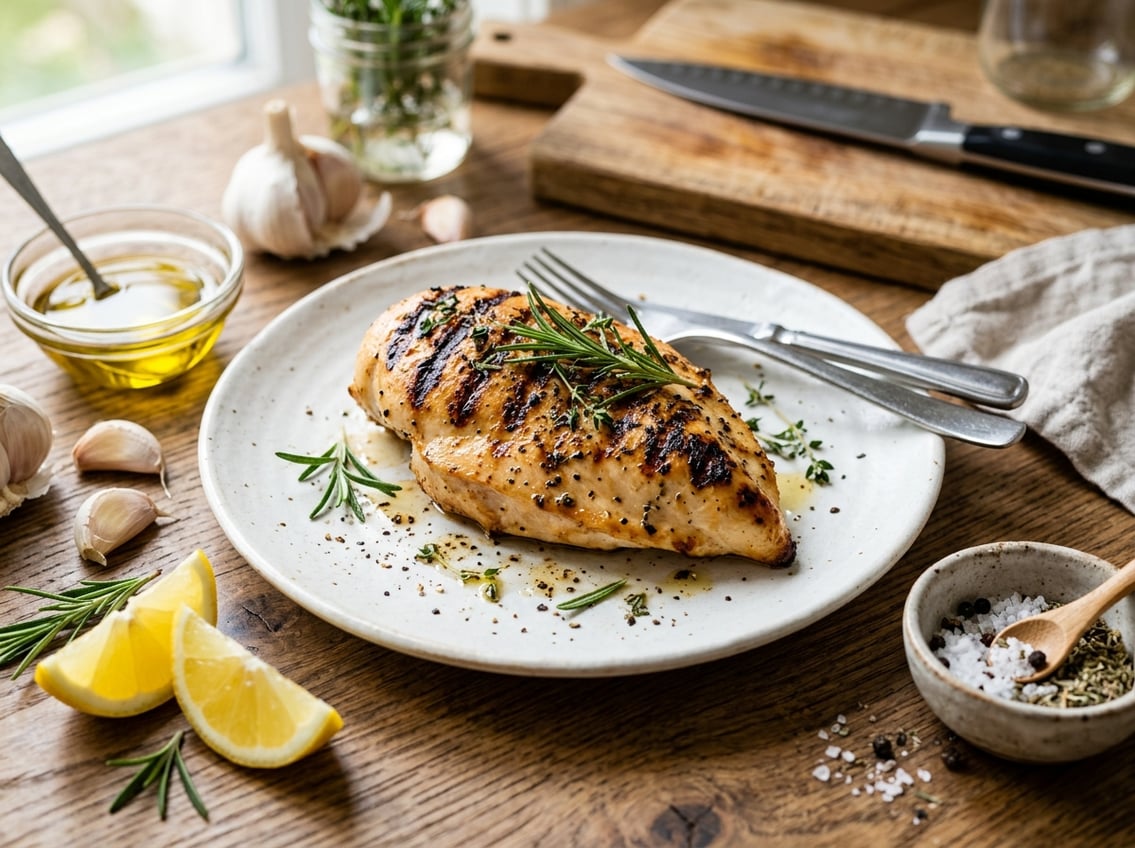
If you want an easy chicken breast recipe that works on a weeknight, pan-searing is the most reliable place to begin. It also fits the most common question people ask, which is how to cook chicken breast so it stays tender instead of turning dry.
Best Method First: Stovetop for the Most Reliable Results
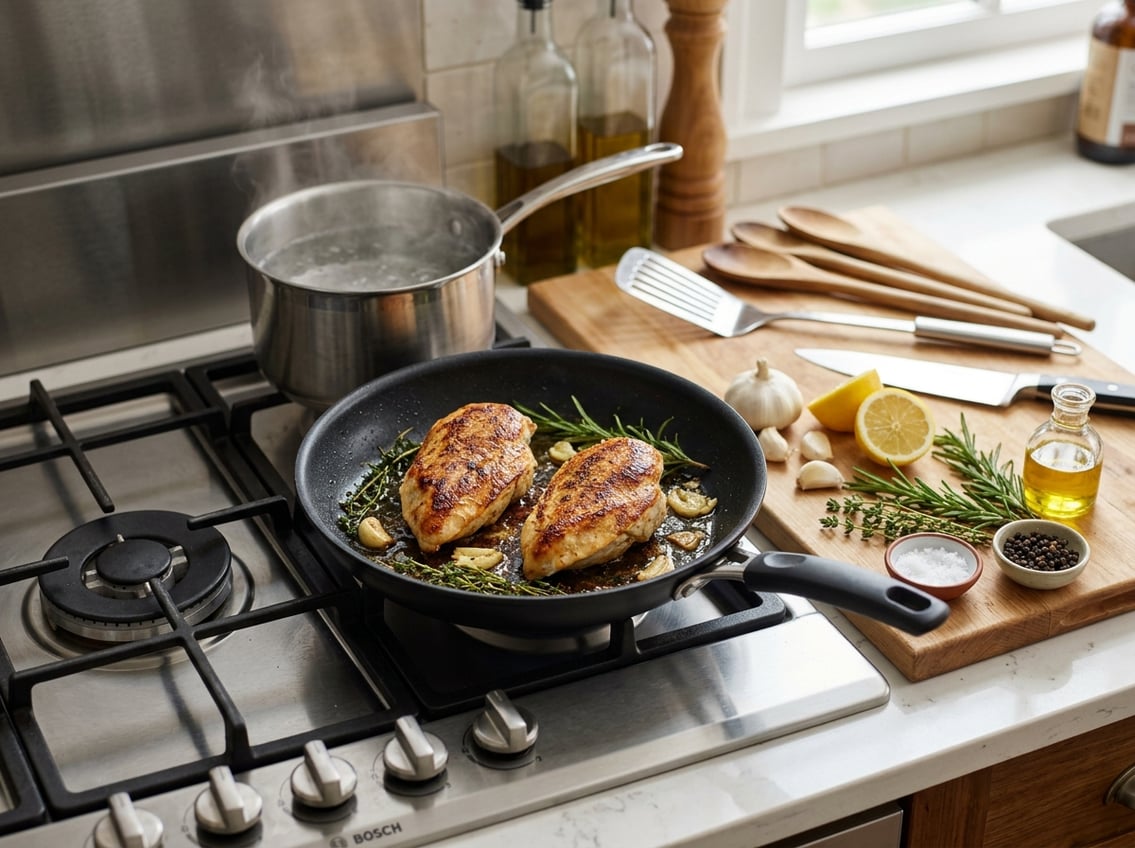
Pan cooking gives you the best balance of speed, flavor, and control. It works especially well for boneless chicken breast and boneless skinless chicken breast cuts, which are common in the U.S. and easy to overcook.
Why Pan Cooking Is the Best All-Around Choice
A skillet lets you brown the outside quickly while watching the inside closely. That matters because pan-seared chicken breasts can go from done to dry fast if you rely on guesswork.
Chefs often brine or marinate before searing, then pull the chicken a little early and let it rest. That combination gives you a seared chicken breast with better flavor and more moisture.
How to Make Pan-Seared Chicken Breasts Juicy
Start with even thickness, then season well and use medium-high heat. If one end is much thicker, pound it lightly so the breast cooks at the same rate.
Pat the chicken dry before it hits the pan, then let it sear without moving it too much. This helps you get tender chicken breasts with a browned crust instead of pale, steamed meat.
Use a thermometer when learning how to cook chicken breasts. Pull the pan when the thickest part reaches about 150°F to 155°F, then rest it so carryover heat finishes the job.
When Stovetop Beats Oven and Grill
Choose the stovetop when you want speed and accuracy. It is often better than the oven for one or two pieces, and more practical than the grill when the weather is bad or you do not want to fire up outdoor equipment.
It also gives you a simpler path for how to cook chicken breast without drying it out.
When Baking, Grilling, Broiling, or Poaching Makes More Sense
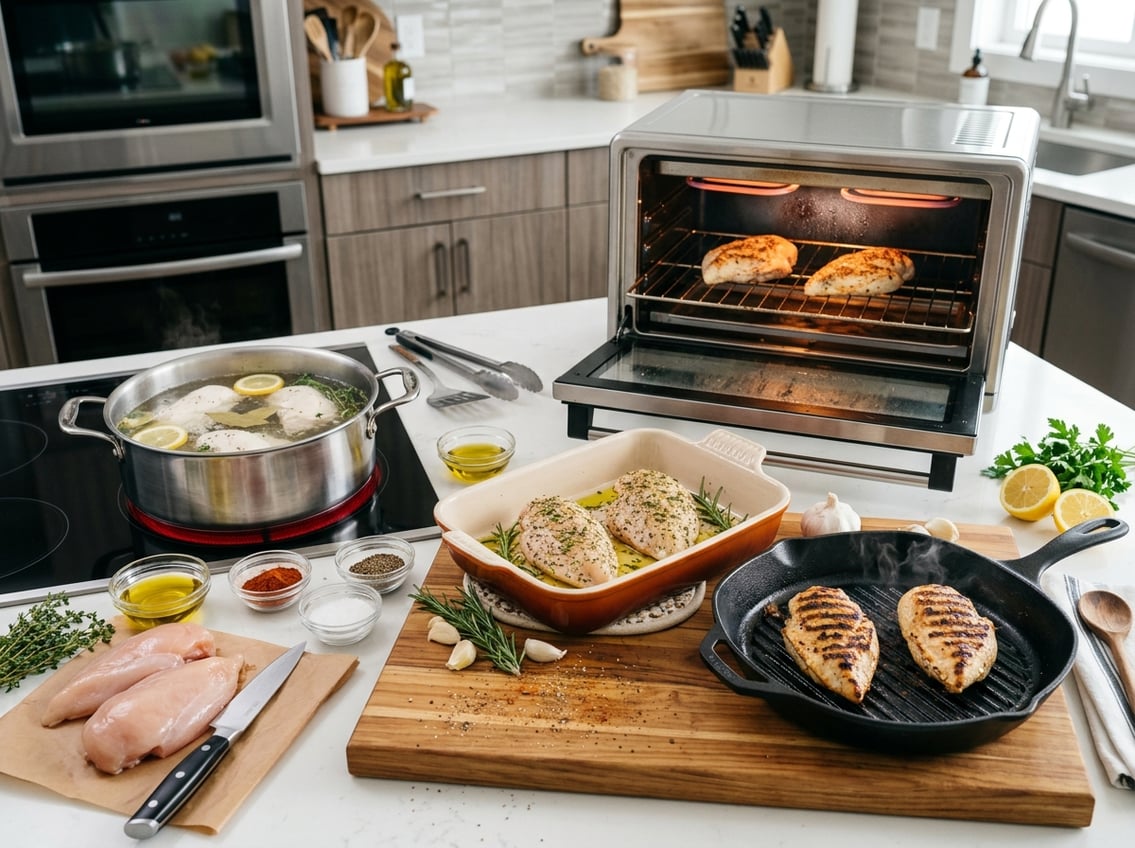
Other methods make sense when your goal is different from a standard skillet dinner. The right choice depends on whether you want hands-off cooking, smoky flavor, quick browning, or meat you plan to shred.
Bake for Hands-Off Batch Cooking
If you need several portions at once, bake chicken breast on a sheet pan. This is useful for meal prep, salads, and sliced chicken for the week.
A baked breast is easy to manage when you follow a clear plan for how to bake chicken at a moderate oven temperature. It is less hands-on than stovetop cooking, though it can dry out faster if the pieces are uneven or overbaked.
Grill for Smoky Flavor and Char
Use the grill when you want char marks and a smoky taste. It works well for summer meals and outdoor cooking, especially if you want to grill chicken breast for sandwiches, bowls, or sliced plates.
Even heat matters. For how to grill chicken, use even thickness, clean grates, and enough time on each side to cook through without burning the outside.
Brining or marinating first can help a lot.
Broil for Fast High-Heat Browning
Broiling works well when you want fast surface browning without grilling outside. It is a good option for thin pieces or for finishing chicken with sauce or cheese.
For broil chicken breasts, keep the pieces close in thickness and watch closely. A few extra minutes can move the meat from browned to dry very quickly.
Poach for Moist Shredded or Sliced Chicken
Poaching is best when texture matters more than browning. It is a good fit for meal prep, tacos, soups, and cold salads.
If you want poach chicken breast for later use, keep the liquid at a gentle simmer, not a hard boil. Learning how to poach chicken gives you moist meat that is easy to slice or shred.
That style works well in many chicken breast recipes that need mild, even cooking instead of a crust.
Choose the Right Cut and Prep It Correctly
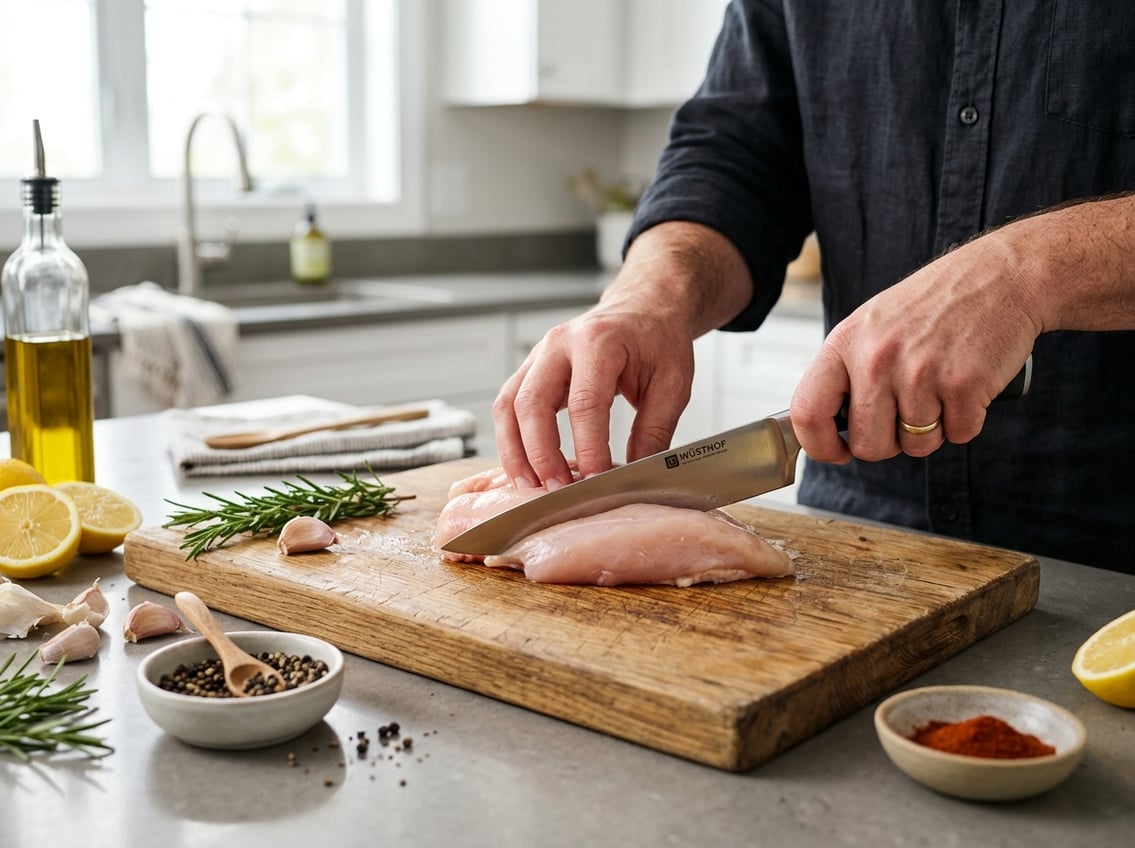
Your results start before cooking begins. The cut you buy, plus how you prep it, changes both texture and flavor.
Boneless vs. Bone-In
A boneless chicken breast cooks faster and is easier to slice for salads, sandwiches, and quick dinners. It also needs more attention, since it has less protection from heat.
A bone-in chicken breast usually stays juicier and tastes more flavorful because the bone slows the heat and helps the meat cook more evenly. That makes it a smart choice when you want the most forgiving result.
Skinless vs. Skin-On
A skinless chicken breast is lean and convenient, but it dries out more easily. A skin-on chicken breast gives you a built-in layer that helps protect the meat during cooking.
If you are choosing between convenience and extra flavor, skin-on usually gives you more room for error.
Pounding, Brining, and Seasoning for Better Texture
Pound thicker areas so the breast cooks evenly. This simple step helps you make tender chicken breasts without overcooking the thin end.
Brining helps as well. Even a short salt brine can improve moisture and flavor.
Season the outside well before cooking, not after. Good seasoning supports a juicy chicken breast and gives you better flavor from the first bite.
Temperature, Timing, and Common Mistakes
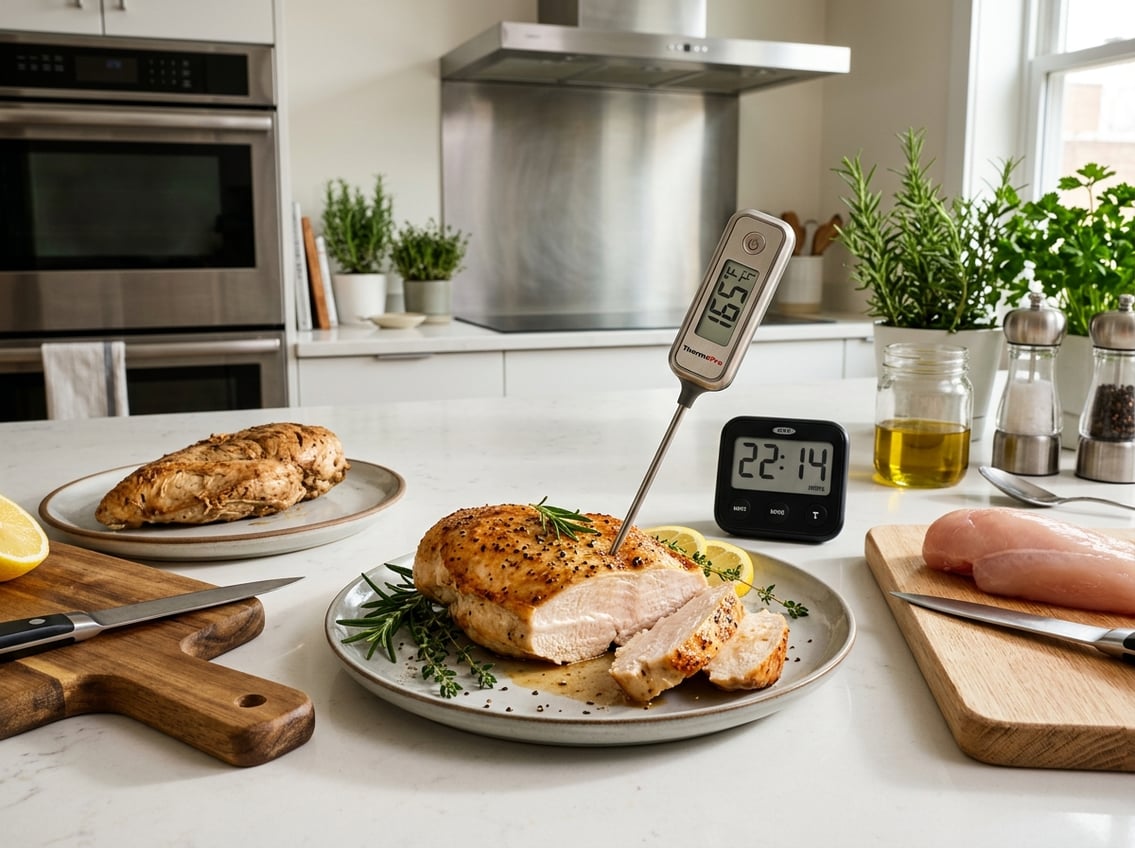
Temperature is the most important part of making chicken safely and well. Timing matters too, since thickness changes how fast the center cooks.
The Safest Internal Temperature Without Drying It Out
Cook chicken breast until the thickest part reaches 165°F for food safety. To keep it from drying out, many cooks pull it a little early and let carryover heat finish the job.
Using a thermometer is better than guessing by color. It gives you a repeatable way to cook chicken breast well every time.
How Thickness Changes Cook Time
Thick pieces take longer, thin pieces cook quickly, and uneven breasts cook unevenly. Make the pieces the same thickness before they go in the pan or oven.
A thinner breast can be ready in minutes, while a thicker one needs more time and lower risk control. That is true across most chicken breast cooking methods.
Mistakes That Cause Dry or Rubbery Chicken
Overcooking causes dry or rubbery chicken. Starting with cold, uneven meat and guessing when it is done also leads to poor results.
Let the chicken rest before cutting to keep the juices inside. Use a heat level that cooks the center without burning the outside.
Start with even thickness and good seasoning. Use a hot pan and a thermometer for the best chance at a juicy chicken breast.


