
What Causes Chicken Breast to Have a Rubbery Texture?
The phrase what causes chicken breast to have a rubbery texture usually points to heat, moisture loss, or the chicken itself. In many cases, overcooking makes the muscle fibers tighten until the bite feels firm, springy, and dry.
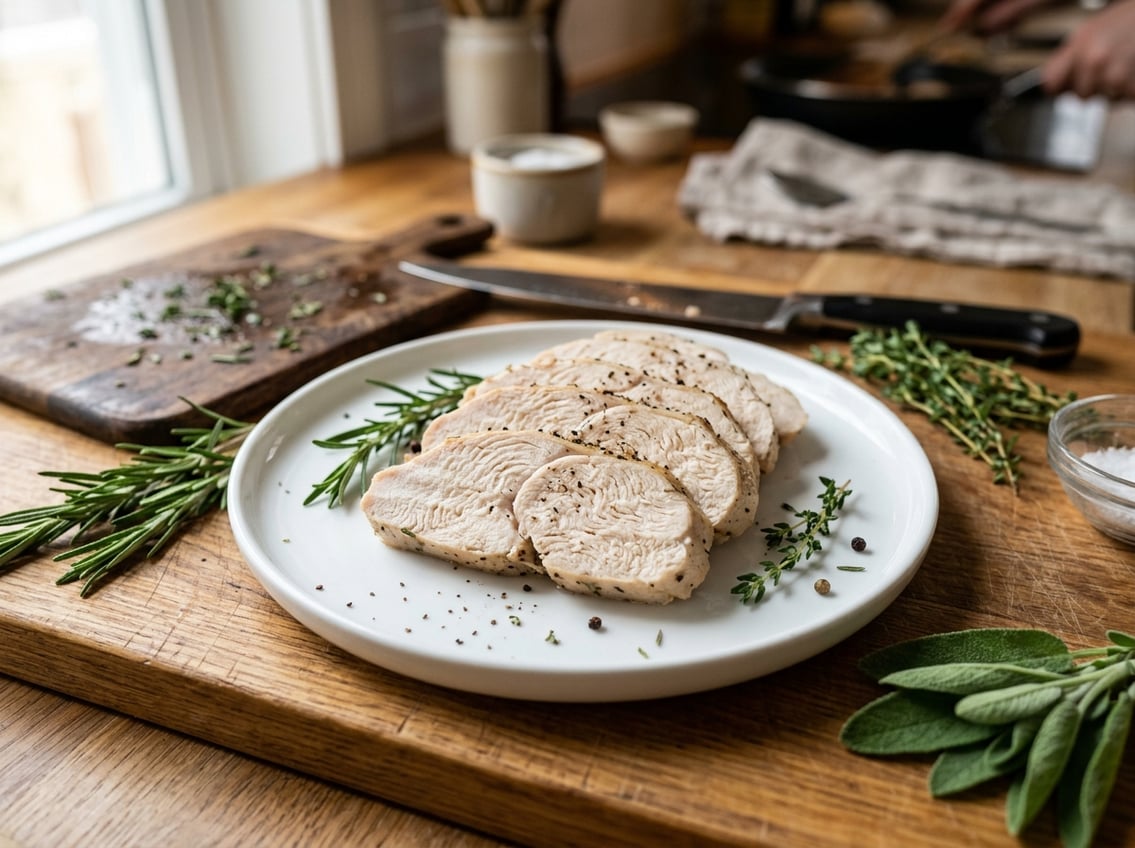
If you have ever wondered why is my chicken rubbery, the answer is often easier to spot than you think. Overcooking, undercooking, or a condition in the breast meat itself usually causes rubbery chicken, and the fix depends on which problem you are dealing with.
A cooked breast can also turn tough when the cut is low quality or you do not manage the heat well. Once you know why chicken turns rubbery, you can adjust your method and get more tender, juicy chicken next time.
The Main Reasons Chicken Breast Feels Tough and Bouncy
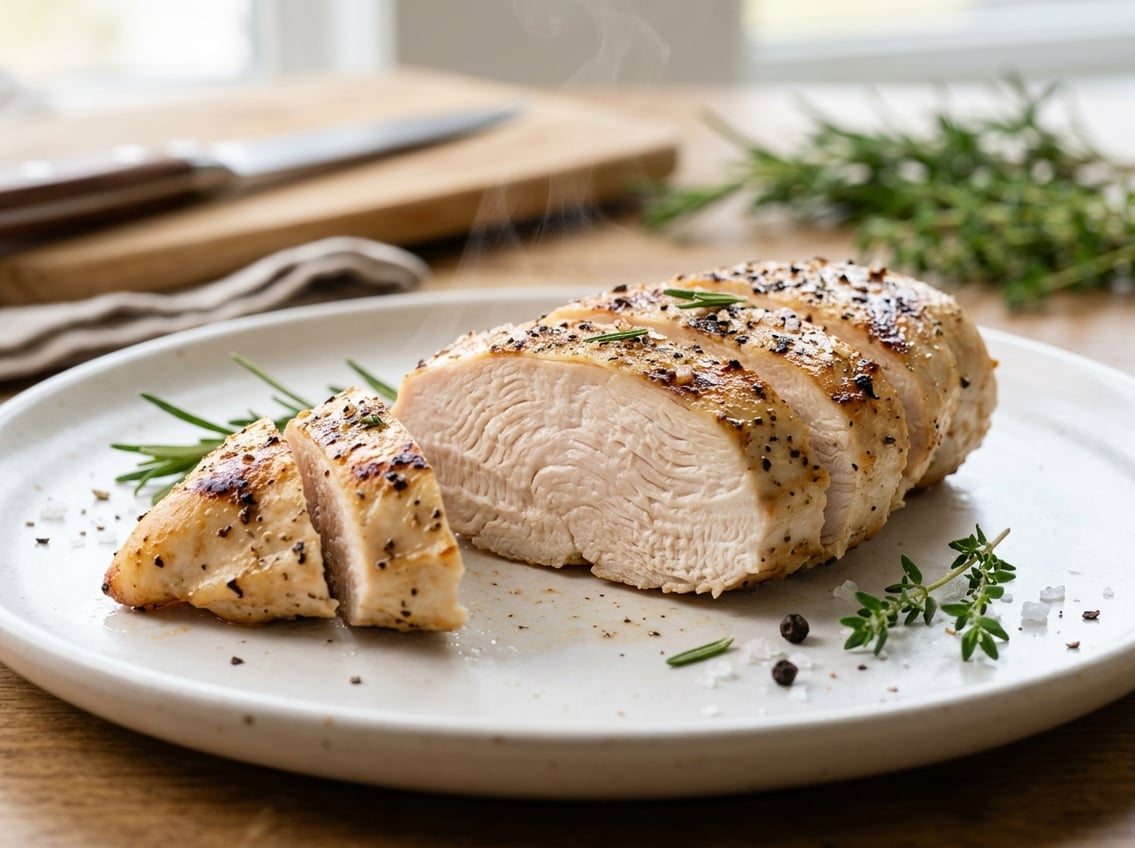
Heat, the chicken’s internal structure, or defects in the meat usually cause rubbery chicken. The same cut can go from tender to chewy very quickly if moisture is lost or the breast is already unusually dense.
Overcooking and Moisture Loss
Overcooking often turns the texture dry and springy. When chicken stays on the heat too long, it loses moisture and the protein fibers tighten, which creates that rubbery bite.
This can happen in a pan, oven, grill, or air fryer. Even a short extra cooking time can make a difference in thin chicken breast pieces.
Undercooked Chicken and Unsafe Texture
Undercooked chicken can also feel rubbery, especially in the center. It often looks shiny or jiggly instead of opaque and firm.
According to Greatist’s review of rubbery chicken causes, undercooked chicken is not just a texture issue, it can also carry a food safety risk.
If the center is still soft and glossy, it needs more cooking.
Woody Breast and White Striping
Sometimes the problem starts before you cook at all. Woody breast and white striping are conditions that can affect farmed chicken and change the way the meat feels, making the breast harder to chew.
Greatist notes that woody breast is linked to tougher meat, while white striping shows white fatty lines that run along the muscle fibers. These conditions can make even careful cooking results feel less tender.
How Chicken Muscle Fibers Change During Cooking
Chicken muscle fibers are lean and sensitive to heat. As they cook, the fibers contract, and if they contract too much, the meat becomes chewy instead of juicy.
When moisture stays in the meat and you control the temperature, the fibers stay softer.
How to Tell Which Problem You Have
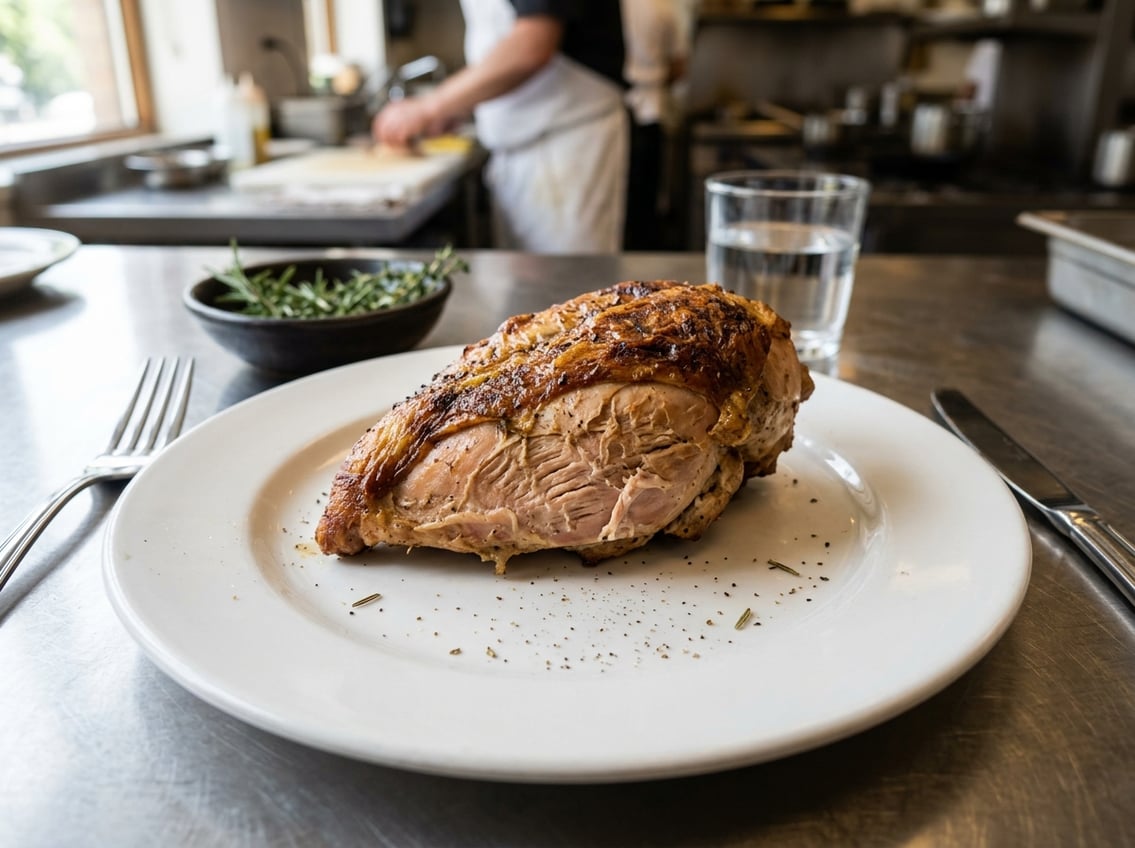
The texture, color, and feel of the chicken tell you a lot. A quick check can help you figure out whether you are dealing with overcooked chicken, undercooked chicken, or a woody chicken breast.
Signs of Overdone Meat
Overcooked chicken often feels firm, dry, and bouncy. The slices may look pale and pull apart in a stringy way instead of staying moist.
If the chicken tastes bland and seems to shrink a lot during cooking, that is another clue.
Signs the Center Is Still Undercooked
Undercooked chicken usually has a shiny surface and a soft center. The meat may jiggle when you press it, and the middle can look slightly translucent.
If the center is undercooked, it needs more time on the heat before you eat it.
How a Meat Thermometer Prevents Guesswork
A meat thermometer removes the guesswork from cooking chicken. You can check the thickest part of the breast and confirm when it has reached a safe temperature.
A thermometer helps you see whether the problem is heat control or the chicken itself. It also helps you avoid both dry chicken and undercooked chicken.
When the Issue Starts With the Chicken Itself
If the breast feels tough even when you cook it carefully, the cut may be woody chicken breast. This kind of meat can stay dense and bouncy no matter how carefully you time the cook.
In that case, the quality of the chicken matters too.
How to Prevent Dry, Chewy Results Next Time
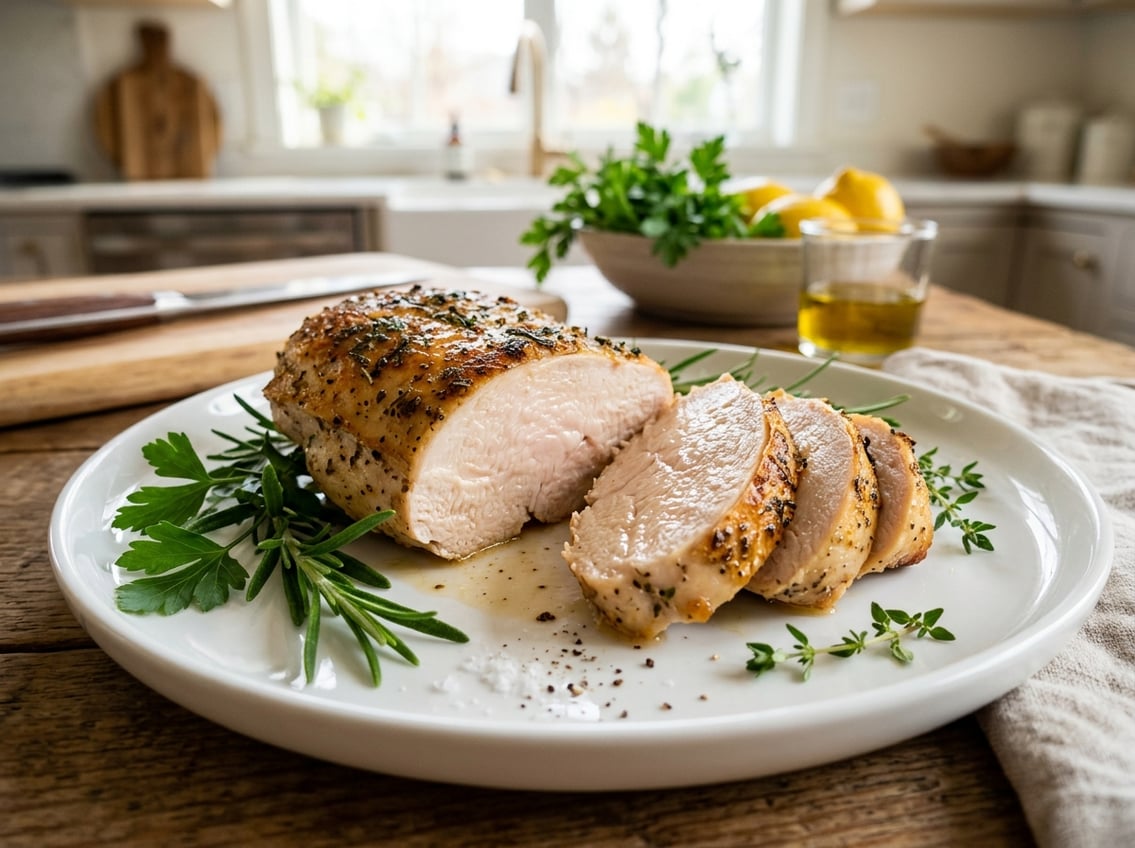
You can prevent rubbery chicken with a few simple habits. Better moisture control, better heat control, and better shopping choices all help you avoid rubbery chicken and end up with tender, juicy meat.
Brine Chicken for Better Moisture Retention
A brine helps the meat hold onto water during cooking. Even a short soak in salt water can improve the texture and flavor.
If you want to brine chicken, keep the soak simple and do not overdo the salt.
Choose Smaller and Higher-Quality Cuts
Smaller breasts cook more evenly and are less likely to dry out. If possible, buy high-quality chicken from a trusted store or butcher, since meat quality can affect texture before cooking starts.
Some cooks look for organic chicken or slower-growing birds when they want a better bite. Greatist notes that slower-growing chickens can cost more, yet they may offer a better texture than standard supermarket cuts.
Cook Evenly With Better Heat Control
To avoid overcooking chicken, start with even pieces and steady heat. Pounding thicker breasts to the same thickness helps them cook at the same rate.
Let the cooking surface preheat so the meat sears and cooks more evenly.
Rest and Slice for a More Tender Bite
Let the chicken rest after cooking so the juices settle back into the meat. If you cut it too soon, more moisture escapes.
Slice across the grain for a softer bite. This small step can make a noticeable difference when you want the chicken to feel more tender.
What to Do if the Chicken Is Already Rubbery
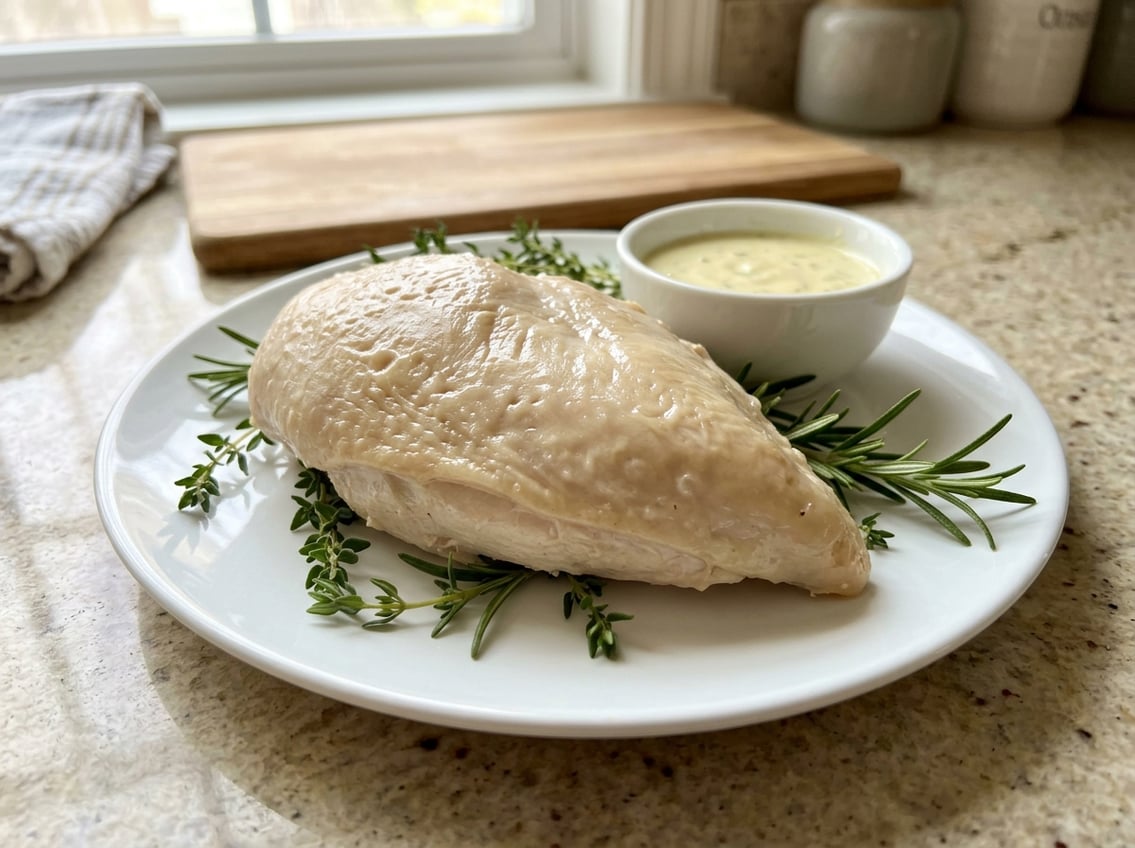
If the chicken is already rubbery, your options depend on the cause. Safe overcooked chicken can often be improved with moisture and flavor, while undercooked chicken needs more heat before you eat it.
Fix Rubbery Chicken With Sauce or Broth
Sauce is the easiest way to make dry chicken more pleasant. Creamy sauces, barbecue sauce, or a soy-based sauce can add moisture back to the plate, which is also suggested by Greatist’s tips for rubbery chicken.
You can also warm the chicken gently in broth. That works best when the meat is already fully cooked and only needs help with texture.
Turn It Into Shredded Chicken
If the texture is too firm for slices, shred the chicken instead. Once broken into small pieces, it blends better into sauces, soups, casseroles, and tacos.
Shredded chicken works especially well when the breast is dry but fully cooked. The added moisture from the dish can hide much of the rubbery feel.
When It Is Safe to Eat and When It Is Not
Overcooked chicken often feels rubbery, but it is usually safe to eat, even if the texture is poor.
Undercooked chicken can also feel rubbery, but it is not ready yet.
Check the center with a meat thermometer if you are unsure.
If the chicken has not reached a safe temperature, cook it longer before serving.


