
What Is the Best Way to Grill Chicken Breast? Simple Guide
You can grill chicken breast well when you control thickness, heat, and internal temperature. Start with even boneless pieces, cook over medium-high heat with the lid closed, flip once, and pull the chicken at the right temperature.
If you want the best results, focus on even thickness, steady heat, and use an instant-read thermometer. Grilled chicken breast is lean, so it dries out fast when it cooks unevenly or stays on the grill too long.
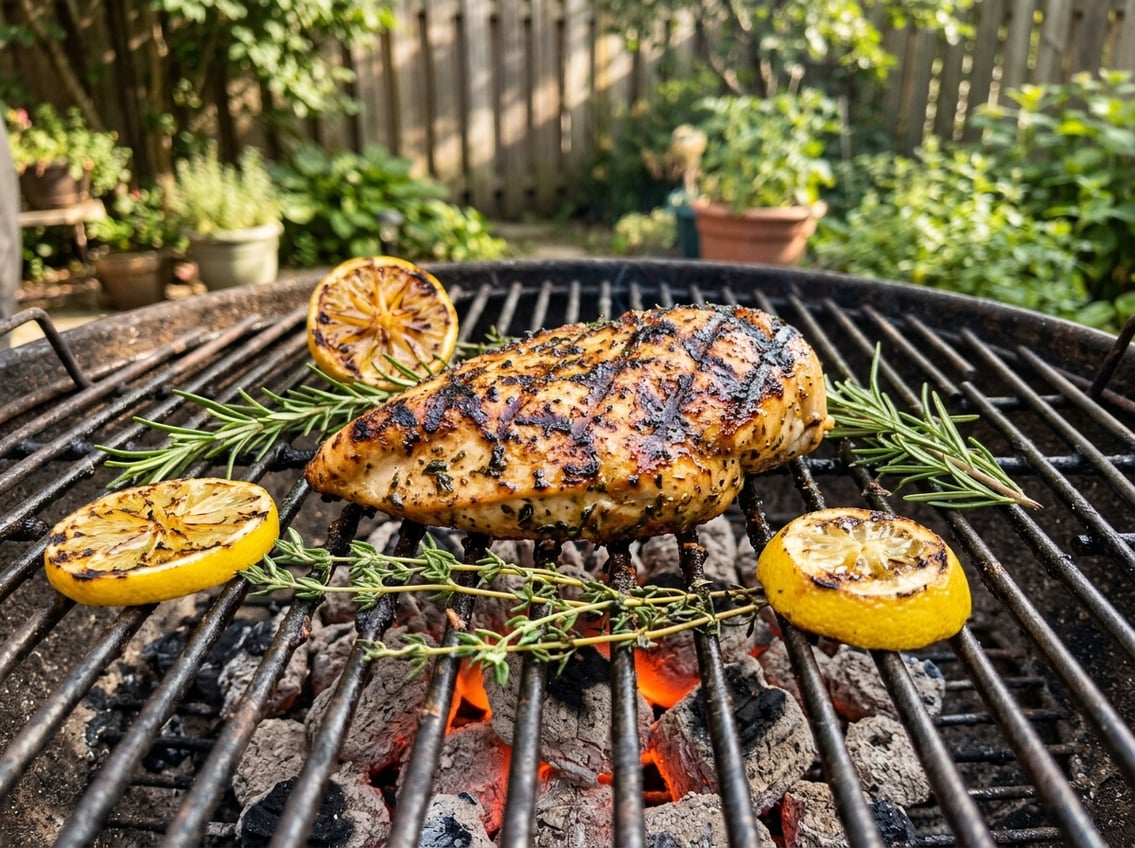
This guide shows you how to grill chicken, how to grill chicken breasts, and how to get juicy grilled chicken without guessing. You will also see simple prep, grill setup, and serving ideas that make grilled chicken easier to repeat.
The Core Method for Juicy Results
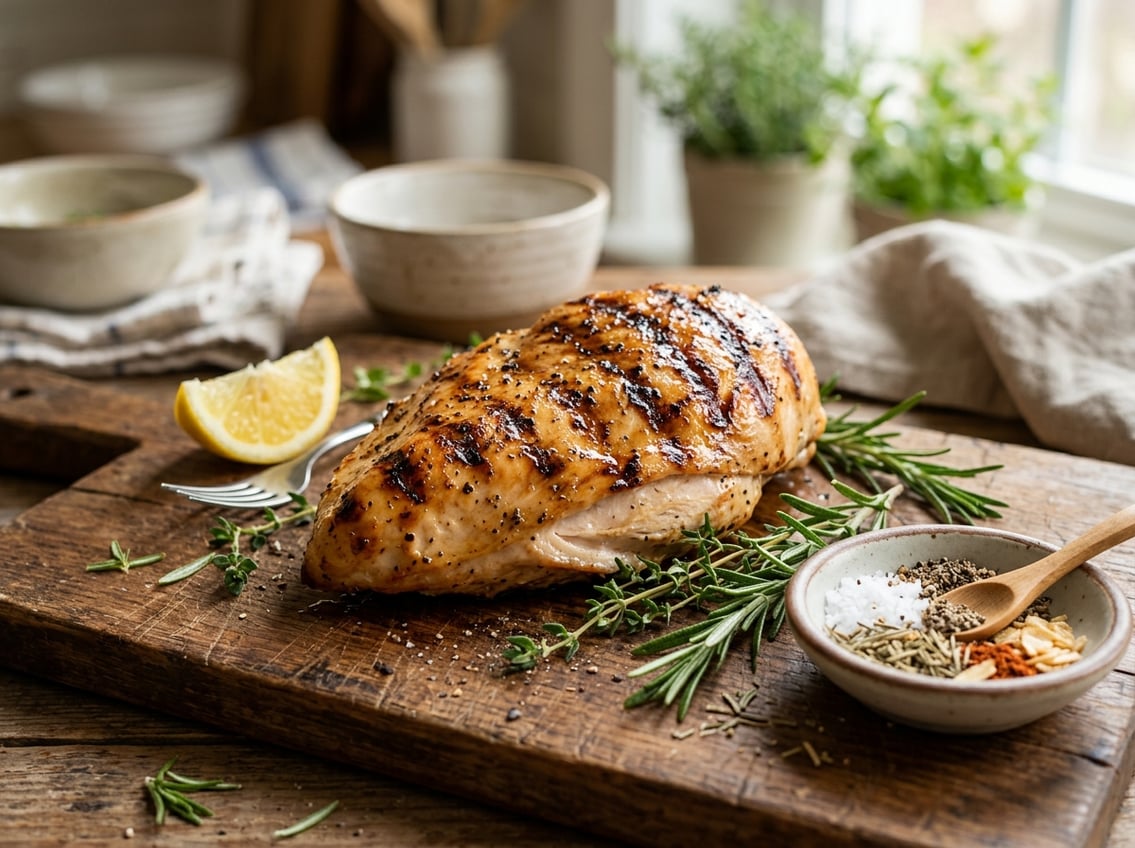
The basic method works for grilled chicken breast on gas, charcoal, or even a grill pan. Your main goal is to cook the chicken evenly so the outside browns at the same time the inside reaches a safe temperature.
Choose Even-Sized Boneless Pieces
Use boneless chicken breast or boneless skinless chicken breasts that are close in size. Thick and thin pieces finish at very different times, which leads to dry edges and underdone centers.
If the pieces vary a lot, split the larger ones so they match the smaller ones more closely. That gives you more control over how long to grill chicken breast.
Pound or Trim for Uniform Thickness
Pound the thick end so each breast is about the same thickness from end to end. A uniform piece cooks more evenly and gives you better grill marks without burning the thin side.
You can also trim very thin tails and tuck them under if needed. That small step helps with juicy chicken breast results.
Cook Over Medium-High Heat With the Lid Closed
Aim for medium-high heat, not a raging fire. This gives you browning on the outside and steady cooking inside.
Keep the lid closed as much as possible. Trapped heat helps the chicken cook through faster, so you do not overcook the outside while waiting for the center.
Flip Once and Check Temperature Early
Place the chicken on the hot grates and leave it alone until it releases easily. Flip once, then check the thickest part with an instant-read thermometer near the end of cooking.
Many pounded breasts finish in about 10 to 14 minutes total. Pull the chicken at 160°F and let it rest briefly, which brings it to the safe 165°F mark.
Rest Before Slicing
Let the grilled chicken breast rest for 5 minutes before cutting. Resting helps the juices settle back into the meat instead of running onto the cutting board.
Slice against the grain for a softer bite. That small step makes grilled chicken taste better and feel less dry.
Prep, Seasoning, and Marinade Options
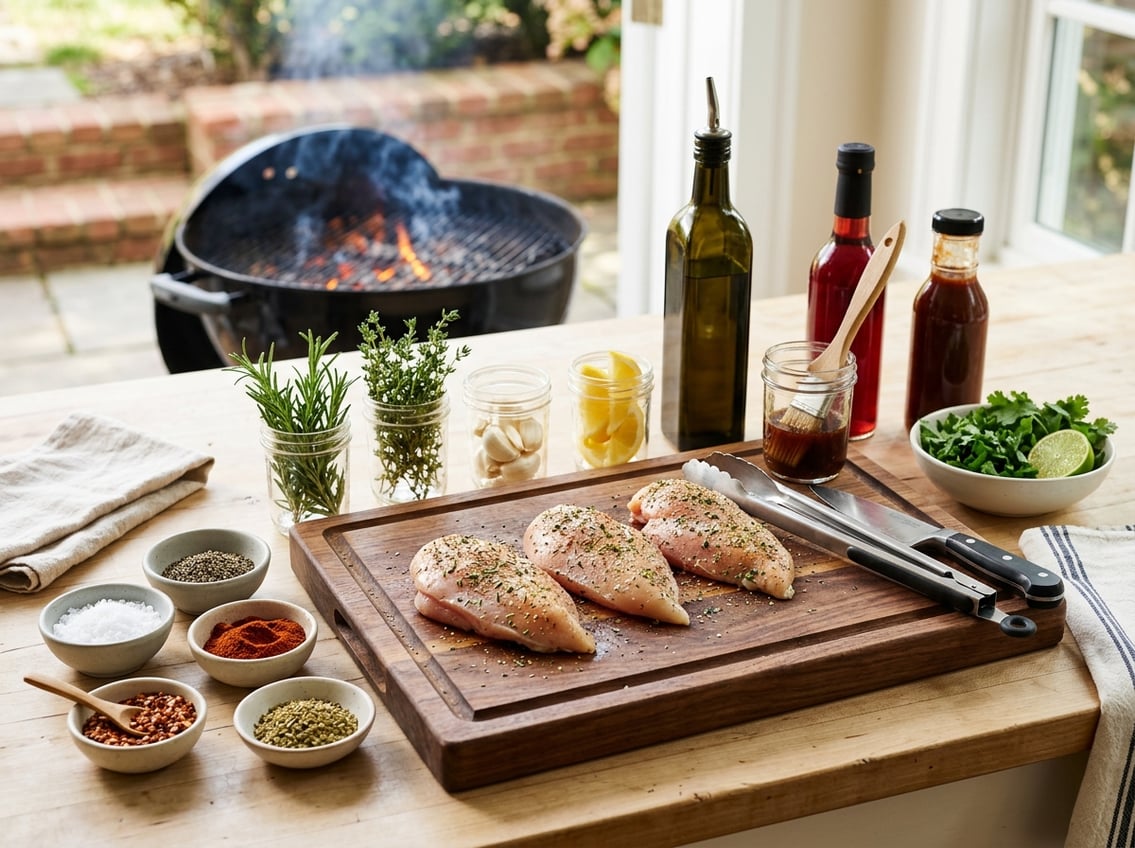
Good seasoning starts with a simple flavor base. You can use a dry rub, a chicken marinade, or both, as long as you do not hide the chicken flavor under too much acid or sugar.
When to Use a Chicken Marinade
Use a marinade when you want more flavor or a little extra tenderness. A balanced marinade recipe often includes olive oil, garlic, salt, pepper, and an acid such as balsamic vinegar or lemon juice.
A chicken marinade works well for plain grilled chicken and for dishes like cilantro lime chicken. If you want a fast option, keep the marinade short and simple.
A Simple Flavor Base That Works
A reliable mix starts with olive oil, garlic, kosher salt, black pepper, and a small amount of balsamic vinegar. You can add dried thyme for a mild herbal note, or brown sugar for light caramelization on the grill.
Keep the seasoning even on both sides. That gives you better browning and a more balanced bite.
Dry Seasoning Versus Marinade
Dry seasoning gives you a cleaner surface and better grill marks. Marinades add more flavor inside the outer layer of the meat, which helps especially with lean chicken breast.
For many cooks, a dry rub is enough for grilled chicken. For more flavor variety, use marinade on busy weeknights and dry seasoning when you want a stronger crust.
How Long to Marinate Without Overdoing It
Marinate boneless skinless chicken breasts for 30 minutes to 2 hours. Acidic marinades can make the surface soft if you leave them too long.
If your marinade is heavy on vinegar or citrus, stay closer to the 30 to 60 minute range. That keeps the texture firm and the flavor clean.
Set Up the Grill the Right Way
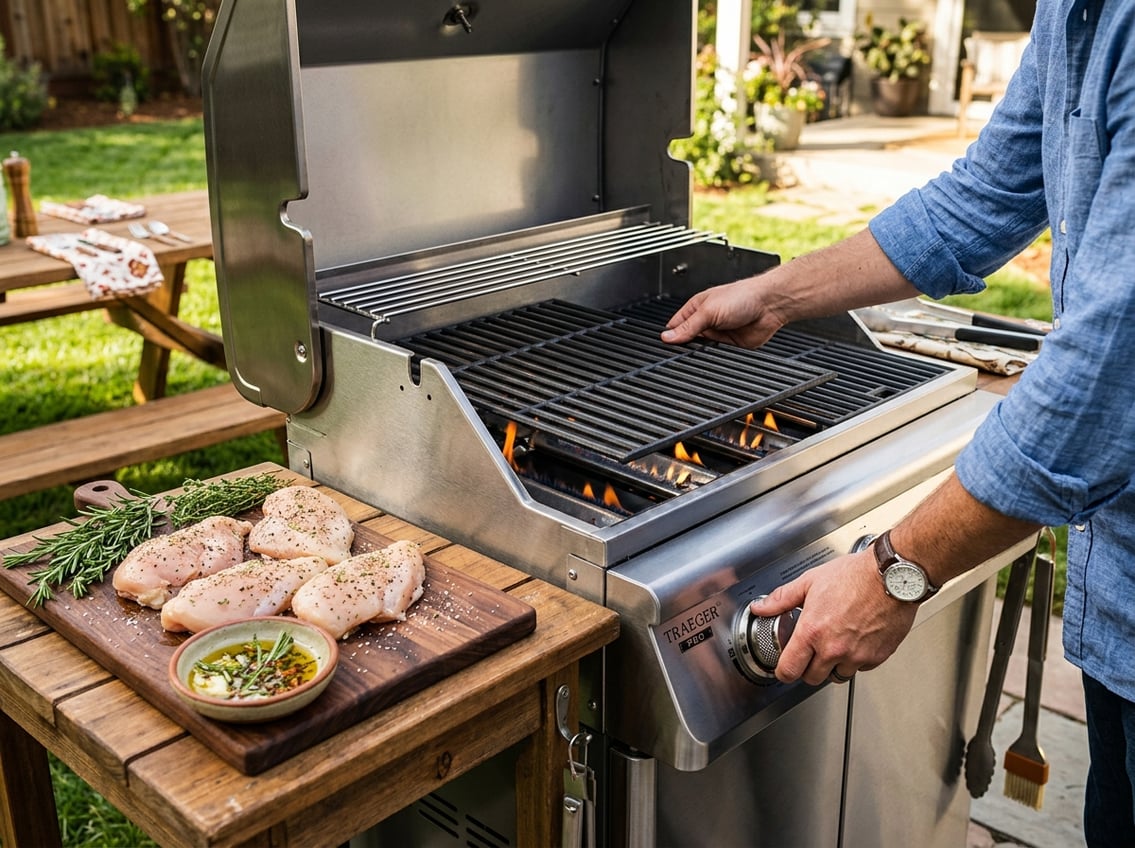
A clean, hot grill makes a bigger difference than most people expect. Before the chicken goes on, you need a hot cooking surface, a light coating of oil, and the right heat zones.
Clean and Preheat the Cooking Surface
Use a grill brush on hot grates after preheating. A clean surface helps you get better contact, better grill marks, and less sticking.
Preheat the grill with the lid closed until the grates are hot. Cold grates are one of the main reasons chicken tears when you try to flip it.
Oil the Grates to Reduce Sticking
After brushing, oil the grates lightly with a paper towel held by tongs. This helps the chicken release more easily and keeps the surface from grabbing the meat.
You do not need a heavy coating. A thin layer is enough.
Gas Grill, Charcoal Grill, and Grill Pan Differences
A gas grill gives you the easiest heat control. A charcoal grill adds stronger smoke flavor, while a grill pan works well indoors when the weather or equipment is not ideal.
For a grill pan, use medium-high heat and a small amount of oil in the pan. The food will not taste exactly like outdoor grilling, but it can still give you good browning.
Direct and Indirect Heat Basics
Set up direct heat for searing and indirect heat for finishing thicker pieces. This lowers the risk of burning the outside before the center cooks through.
For thicker breasts, start on the hot side, then move to indirect heat if needed. That keeps the chicken juicy and gives you more control.
Serving Ideas and Smart Uses for Leftovers
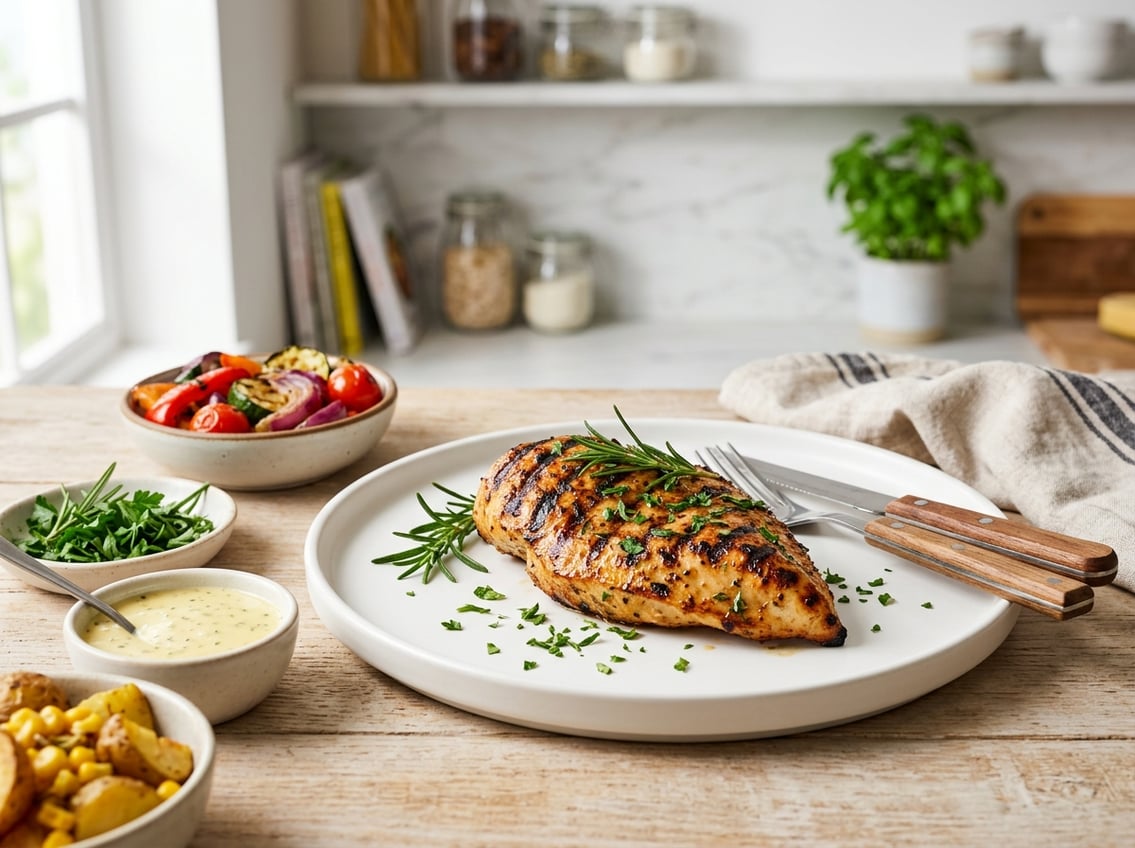
Grilled chicken breast works for quick dinners, meal prep, and easy lunches. Once cooked, it is useful with simple sides and just as good in cold dishes the next day.
What to Serve Alongside It
If you are wondering what to serve with grilled chicken, keep it simple. Good choices include grilled corn, roasted potatoes, rice, green beans, or a crisp salad.
You can also build a full plate around grilled chicken and grilled vegetables. That keeps the meal balanced without extra work.
Best Ways to Slice and Store Cooked Chicken
Let the chicken cool for a few minutes, then slice it against the grain. Store leftovers in an airtight container in the refrigerator for up to 4 days.
If you need the chicken for meal prep, keep the slices separate from sauces until you are ready to eat. That helps the texture stay better.
Easy Meals Like Salads, Bowls, and Wraps
You can use leftover grilled chicken in salads, grain bowls, wraps, and sandwiches. It also works well in pasta salads and simple lunch boxes.
For a fast meal, slice the chicken over greens with tomatoes and cucumbers. Add a light dressing.
You can add the chicken to wraps with cheese and avocado. Include crunchy vegetables for an easy lunch.


